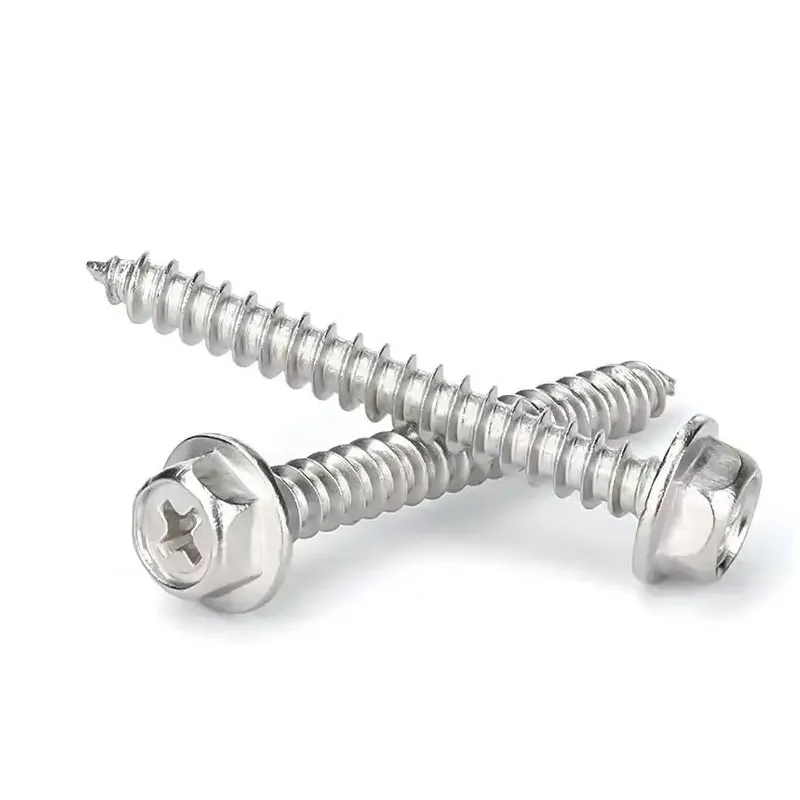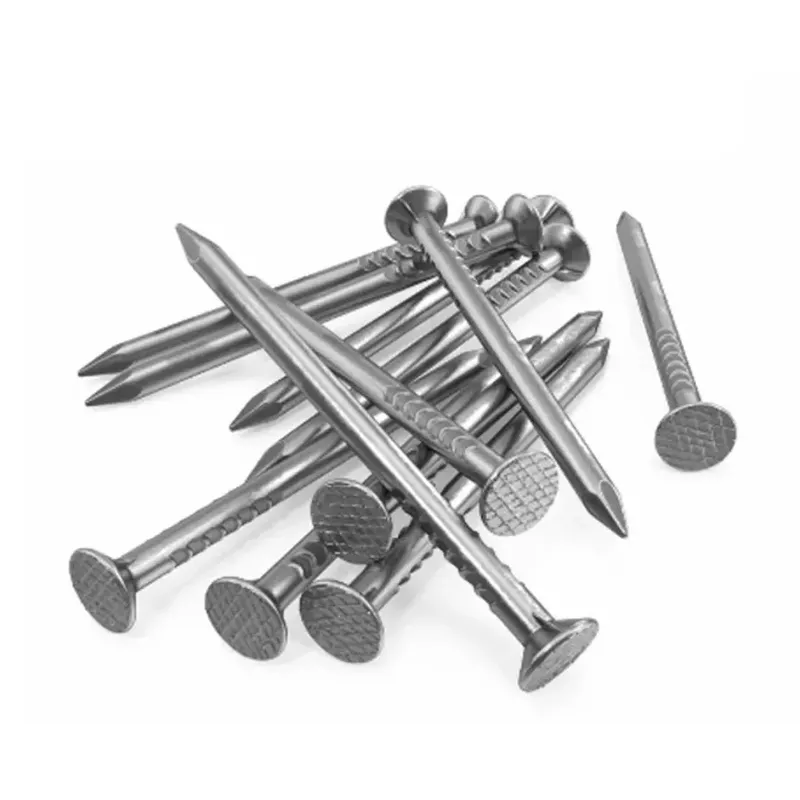
The top 10 industrial uses of shoulder rivets span a wide range of sectors, including automotive linkages, aerospace mechanisms, medical devices, electronics, furniture manufacturing, heavy machinery, robotics, optical equipment, appliances, and even structural applications like bridge construction. These versatile fasteners are prized for their ability to provide precise spacing, act as durable pivot points, and ensure accurate alignment, simplifying complex assemblies and enhancing product reliability across these diverse industries.
At Jiliang Fastener Manufacturing, we’ve been at the forefront of custom fastener production since 2008, crafting precision-engineered shoulder rivets for global industries. We understand the critical role these components play in everything from a delicate medical instrument to a robust bridge. Let’s dive into the top 10 industrial uses where shoulder rivets truly shine.
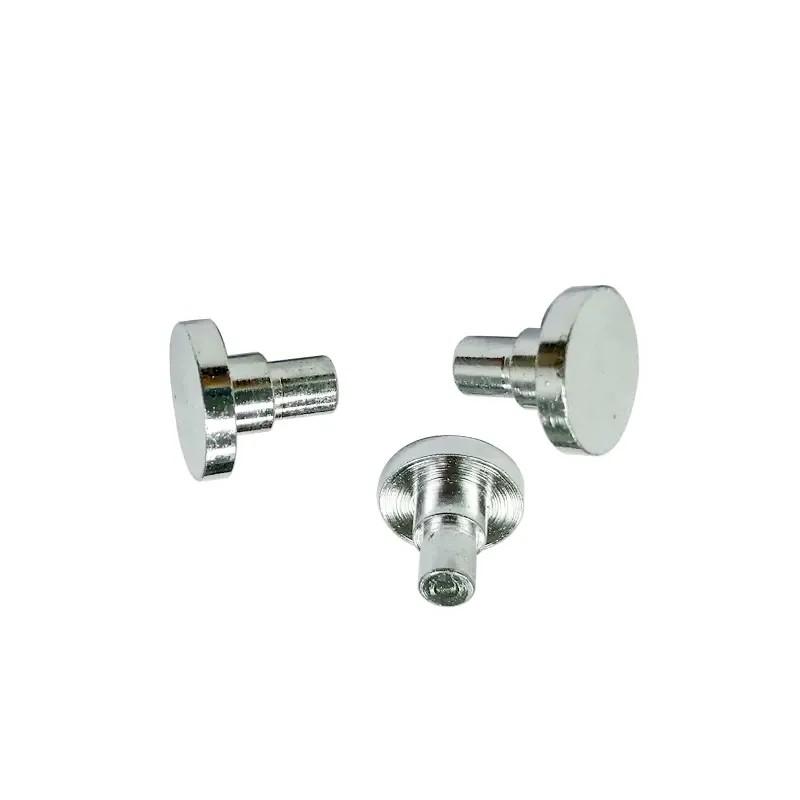
Table of Contents
- How are Shoulder Rivets Used in Automotive Linkages and Mechanisms?
- What Role Do Shoulder Rivets Play in Aerospace Components?
- Why are Shoulder Rivets Essential for Medical Devices?
- How Do Shoulder Rivets Benefit Electronics Assembly?
- What are the Key Applications of Shoulder Rivets in Furniture Manufacturing?
- How Do Shoulder Rivets Enhance Heavy Machinery and Industrial Equipment?
- What Makes Shoulder Rivets Ideal for Robotics and Automation?
- How are Shoulder Rivets Utilized in Optical and Precision Instruments?
- What are the Common Uses of Shoulder Rivets in Appliance Manufacturing?
- Can Shoulder Rivets Be Used in Bridge Construction and Structural Applications?
1. How are Shoulder Rivets Used in Automotive Linkages and Mechanisms?
The automotive industry demands fasteners that can withstand constant vibration, varying temperatures, and repetitive motion, making shoulder rivets an ideal choice.
Shoulder rivets are extensively used in automotive linkages and mechanisms to provide precise pivot points, ensure controlled movement, and maintain critical spacing within complex assemblies. They are essential in applications such as door hinges, seat adjustment mechanisms, brake linkages, and window regulators, where their integrated design simplifies assembly, reduces friction, and enhances the long-term durability and reliability of vehicle components under demanding operational conditions.
1.1 Door Hinges and Latch Assemblies
Ensuring smooth and secure vehicle access.
- Function: In automotive door hinges, shoulder rivets act as the primary pivot pins, allowing the door to swing open and close smoothly. Their precisely machined shoulder provides a consistent bearing surface, minimizing friction and wear over thousands of cycles. In latch assemblies, they can serve as pivot points for internal levers and pawls, ensuring secure locking and unlocking.
- Design Considerations: Automotive applications often require high-strength materials like hardened steel, sometimes with specialized coatings (e.g., zinc plating for corrosion resistance, or a low-friction polymer coating on the shoulder) to withstand harsh environmental conditions and repetitive stress. The shoulder length is critical to prevent binding or excessive play in the hinge.
- Example 1: Jiliang’s Custom Rivets for Car Doors. We’ve supplied custom shoulder rivets to major automotive manufacturers for their door hinge assemblies. These rivets feature a high-strength alloy steel core, a precisely ground and polished shoulder for smooth operation, and a robust head designed for automated installation, ensuring consistent performance and safety.
- Example 2: Trunk Lid Hinges. For a trunk lid hinge, a larger diameter shoulder rivet might be used, where the shoulder not only provides the pivot but also helps distribute the load of the trunk lid, preventing metal fatigue over time.
- Analysis: The theoretical basis involves tribology (friction and wear) and fatigue analysis. The design trade-offs balance material hardness for wear resistance with ductility for secure setting. The practical impact is a durable, reliable, and smooth-operating vehicle component that contributes significantly to vehicle safety and user experience.
This table highlights automotive applications.
| Automotive Application | Shoulder Rivet Function | Key Benefit |
| Door Hinges | Pivot point for door swing | Smooth operation, long-term durability |
| Seat Adjustment Mechanisms | Pivot for levers, slides, recline | Controlled movement, robust articulation |
| Brake Linkages | Pivot for pedal and caliper connections | Reliable force transmission, safety |
| Window Regulators | Pivot for scissor mechanisms | Smooth window movement, reduced friction |
| Gear Shift Linkages | Pivot for connecting rods and levers | Precise engagement, reduced play |
1.2 Seat Adjustment and Brake Linkages
Ensuring safety and ergonomic function.
- Function: In seat adjustment mechanisms, shoulder rivets provide the pivot points for the various levers, cams, and slides that allow seats to recline, slide forward/backward, or adjust height. Their precise shoulders ensure smooth, controlled movement and prevent unwanted play. In brake linkages, they connect pedal assemblies to master cylinders or caliper mechanisms, ensuring reliable and consistent force transmission, which is critical for safety.
- Design Considerations: These applications demand high strength and fatigue resistance due to constant use and safety implications. Materials like heat-treated steel are common. The shoulder’s surface finish is often critical for smooth operation without binding.
- Practical Advice: When designing for these applications, consider the dynamic loads and cycles the rivet will endure. Testing for fatigue life and ensuring proper lubrication (if applicable) for the shoulder’s bearing surface are crucial steps.
- Analysis: The practical impact is that shoulder rivets contribute directly to the safety, comfort, and ergonomic design of modern vehicles, providing reliable mechanical connections that withstand the rigors of daily use.
2. What Role Do Shoulder Rivets Play in Aerospace Components?
The aerospace industry demands fasteners that are lightweight, incredibly strong, and capable of performing flawlessly under extreme conditions.
Shoulder rivets play a critical role in aerospace components by providing precise pivot points for control surfaces, ensuring accurate spacing in complex assemblies, and facilitating smooth articulation in cabin mechanisms. They are utilized in non-primary flight controls, interior fittings, and access panels, where their lightweight yet robust design, combined with tight dimensional tolerances, contributes to overall aircraft safety, performance, and passenger comfort by enabling reliable movement and structural integrity.
2.1 Flight Control Linkages and Actuators
Precision for safe and reliable flight.
- Function: While solid rivets are common in primary structural components, shoulder rivets are vital in secondary flight control linkages, flap mechanisms, and actuator assemblies. Here, they act as precise pivot points, allowing control surfaces to move smoothly and accurately in response to pilot input. The shoulder ensures minimal friction and consistent articulation, which is paramount for flight safety.
- Design Considerations: Aerospace applications typically require high-strength, lightweight materials such as titanium alloys or specialized stainless steels, often with strict material traceability. The shoulder’s surface finish and concentricity are critical for reducing backlash and ensuring precise control.
- Example 1: Jiliang’s Custom Rivets for Flap Mechanisms. We’ve manufactured custom shoulder rivets for the internal linkages of aircraft flap mechanisms. These rivets are made from aerospace-grade stainless steel, with shoulders ground to extremely tight tolerances to ensure smooth, reliable deployment and retraction of the flaps, directly impacting aircraft performance and safety.
- Example 2: Landing Gear Actuator Pivots. In a landing gear actuator, shoulder rivets might serve as pivot points for internal levers, requiring exceptional strength and fatigue resistance to withstand the immense forces during takeoff and landing.
- Analysis: The theoretical basis involves advanced material science, fatigue analysis, and precision engineering. The practical impact is the enablement of critical aircraft functions, directly contributing to the safety and operational efficiency of the aircraft, where failure is not an option.
This table outlines aerospace applications.
| Aerospace Application | Shoulder Rivet Function | Key Benefit |
| Flight Control Linkages | Pivot points for control surfaces | Precise, reliable movement, safety |
| Cabin Seat Mechanisms | Pivot for recline, tray tables | Smooth operation, passenger comfort |
| Overhead Bin Hinges | Pivot for bin doors | Durable, controlled opening/closing |
| Access Panel Fasteners | Spacing and alignment for removable panels | Secure fit, easy maintenance |
| Actuator Assemblies | Internal pivots for hydraulic/electric actuators | Reliable force transmission, precise control |
2.2 Cabin Interior Fittings and Mechanisms
Enhancing passenger comfort and operational efficiency.
- Function: In aircraft cabin interiors, shoulder rivets are used in seat recline mechanisms, tray table pivots, and overhead bin hinges. They provide smooth, durable articulation for these frequently used components, enhancing passenger comfort and reducing maintenance needs. They can also be used for precise spacing in galley equipment or lavatory fixtures.
- Design Considerations: These applications prioritize lightweight materials (e.g., aluminum alloys), corrosion resistance, and a high cycle life. The shoulder’s finish is often aesthetic as well as functional.
- Practical Advice: For aerospace applications, always adhere to strict material certifications and quality control standards. Consider the effects of vibration and temperature cycling on the rivet’s performance over time.
- Analysis: The practical impact is improved passenger experience, reduced operational costs due to lower maintenance, and compliance with stringent aerospace safety and quality standards.
3. Why are Shoulder Rivets Essential for Medical Devices?
Medical devices demand fasteners that are not only precise and reliable but also often biocompatible and sterilizable.
Shoulder rivets are essential for medical devices due to their ability to provide highly precise pivot points for articulating instruments, ensure accurate alignment in diagnostic equipment, and offer consistent spacing in sterile assemblies. Their use in surgical tools, endoscopes, and imaging systems leverages their robust yet smooth movement capabilities, often with biocompatible materials, contributing significantly to patient safety, device functionality, and the reliability of critical medical procedures.
3.1 Articulating Surgical Instruments
Precision for delicate procedures.
- Function: In complex surgical instruments like laparoscopic tools, robotic surgical arms, or endoscopes, shoulder rivets serve as miniature, highly precise pivot points. They enable the delicate, controlled articulation of jaws, graspers, or cutting mechanisms, allowing surgeons to perform intricate procedures with accuracy. The smooth shoulder ensures minimal friction and precise feedback.
- Design Considerations: Biocompatible materials (e.g., 316L medical-grade stainless steel, titanium) are often mandatory. The shoulder’s surface finish must be extremely smooth for both functionality and ease of sterilization. Tight tolerances are critical to prevent backlash and ensure repeatable movements.
- Example 1: Jiliang’s Custom Rivets for Robotic Surgery. We’ve engineered custom miniature shoulder rivets for the end-effectors of robotic surgical systems. These rivets are made from specialized medical-grade stainless steel, with shoulders polished to a mirror finish to ensure frictionless, precise articulation, critical for the robot’s delicate movements inside the human body.
- Example 2: Endoscopic Biopsy Forceps. In endoscopic biopsy forceps, tiny shoulder rivets form the pivot points for the opening and closing jaws, requiring both strength for tissue sampling and precision for accurate positioning.
- Analysis: The theoretical basis involves biomechanics, material biocompatibility, and micro-precision engineering. The practical impact is the enablement of advanced surgical techniques, improved patient outcomes, and the development of highly sophisticated medical tools.
This table outlines medical device applications.
| Medical Device Application | Shoulder Rivet Function | Key Benefit |
| Articulating Surgical Tools | Precision pivot points for jaws/graspers | Accurate, controlled movement, patient safety |
| Endoscopes | Pivots for internal steering/manipulation | Smooth articulation, reliable operation |
| Diagnostic Equipment | Alignment for sensors, moving parts | Accurate readings, consistent performance |
| Prosthetics/Orthotics | Pivot points for joints | Natural movement, durability |
| Fluid Control Valves | Pivots for internal levers | Precise flow regulation, sterile operation |
3.2 Diagnostic and Imaging Equipment
Ensuring accurate and consistent results.
- Function: In diagnostic equipment like MRI machines, CT scanners, or laboratory analyzers, shoulder rivets are used for precise alignment of sensors, moving platforms, or optical components. They can also provide consistent spacing for internal circuit boards or shielding, preventing interference and ensuring accurate readings.
- Design Considerations: Non-magnetic materials (e.g., brass, specific stainless steels) might be required for MRI compatibility. Cleanliness and precision are paramount.
- Practical Advice: For medical applications, always prioritize material certifications, surface finish requirements (e.g., electropolishing for sterility), and rigorous quality control to meet regulatory standards.
- Analysis: The practical impact is the reliable and accurate operation of critical medical diagnostic tools, leading to better diagnoses and improved healthcare outcomes.
4. How Do Shoulder Rivets Benefit Electronics Assembly?
Electronics demand compact, precise, and often electrically isolated fastening solutions, making shoulder rivets highly advantageous.
Shoulder rivets benefit electronics assembly by providing precise standoffs for circuit boards, ensuring consistent spacing for heat sinks, and acting as pivot points for access panels or switches. Their integrated design simplifies complex layouts, prevents electrical shorts, and facilitates efficient heat dissipation, making them ideal for compact devices, server racks, and consumer electronics where reliability, precise component placement, and ease of assembly are crucial for optimal performance.
4.1 Circuit Board Standoffs and Mounting
Protecting delicate components and ensuring proper function.
- Function: In electronic assemblies, shoulder rivets are frequently used as standoffs to mount printed circuit boards (PCBs) to chassis or other boards. The shoulder ensures a precise, consistent gap, preventing electrical shorts between components or layers, and allowing for proper airflow for cooling. They can also secure heat sinks to processors, ensuring optimal thermal contact.
- Design Considerations: Materials like brass (for conductivity), aluminum (for lightweight), or insulated plastics (for electrical isolation) are common. The shoulder’s length is critical for maintaining the correct standoff height.
- Example 1: Jiliang’s Custom Rivets for Server Racks. We’ve supplied custom shoulder rivets for mounting multiple PCBs within server rack units. The precise shoulder length ensures consistent spacing between boards, crucial for airflow and preventing electrical interference in high-density computing environments.
- Example 2: Smartphone Camera Modules. In miniature camera modules for smartphones, tiny shoulder rivets might be used to precisely position lens elements or sensor components, where even micron-level accuracy is critical for image quality.
- Analysis: The theoretical basis involves electrical isolation, thermal management, and micro-assembly precision. The practical impact is the reliable operation of electronic devices, preventing overheating, short circuits, and ensuring optimal performance in increasingly compact designs.
This table outlines electronics applications.
| Electronics Application | Shoulder Rivet Function | Key Benefit |
| Circuit Board Standoffs | Precise spacing for PCBs | Prevents shorts, allows airflow, simplifies assembly |
| Heat Sink Mounting | Consistent gap for thermal interface | Efficient heat dissipation, prevents overheating |
| Enclosure Access Panels | Pivot points for hinged covers | Easy maintenance, secure closure |
| Switches and Buttons | Pivot for mechanical switch components | Smooth operation, tactile feedback |
| Shielding/Grounding | Secure mounting for EMI shields | Electrical integrity, interference reduction |
4.2 Hinged Access Panels and Switches
Facilitating maintenance and user interaction.
- Function: For electronic enclosures, shoulder rivets can create durable, smooth-operating hinges for access panels or battery compartments, allowing for easy maintenance or component replacement. They are also used as pivot points in mechanical switches or buttons, ensuring a consistent and reliable tactile response.
- Design Considerations: Often requires materials that are non-corrosive and have a good aesthetic finish. The shoulder ensures smooth, consistent movement over many cycles.
- Practical Advice: When designing for electronics, consider the electrical properties of the rivet material. If electrical isolation is needed, choose non-conductive materials or ensure the shoulder provides sufficient clearance.
- Analysis: The practical impact is improved user experience, simplified product servicing, and enhanced product longevity through robust mechanical interfaces.
5. What are the Key Applications of Shoulder Rivets in Furniture Manufacturing?
Furniture manufacturing requires fasteners that offer both structural integrity and smooth operation for moving parts, often with aesthetic considerations.
Shoulder rivets are key in furniture manufacturing for creating durable pivot points in reclining mechanisms, ensuring smooth articulation in drawer slides, and providing robust connections in folding furniture. They are also used in chair swivels and cabinet hinges, where their integrated design simplifies assembly, reduces friction, and enhances the long-term functionality and aesthetic appeal of various furniture pieces, contributing to both comfort and durability.
5.1 Reclining Mechanisms and Hinges
Enabling comfort and smooth movement.
- Function: In recliners, sofa beds, and adjustable chairs, shoulder rivets are fundamental to the complex mechanisms that allow for smooth reclining, lifting, or folding actions. They act as the primary pivot points for the various levers, linkages, and support arms, ensuring fluid movement and structural stability. For cabinet doors or folding tables, they provide durable, low-friction hinge pins.
- Design Considerations: These applications demand high strength and fatigue resistance due to constant use. Materials like steel (often plated for corrosion resistance) are common. The shoulder’s surface finish is crucial for smooth, quiet operation.
- Example 1: Jiliang’s Custom Rivets for Recliner Chairs. We’ve supplied custom shoulder rivets for high-end recliner chair mechanisms. These rivets feature a hardened steel shoulder for exceptional wear resistance and a precise diameter to ensure smooth, effortless reclining action, contributing to the chair’s comfort and longevity.
- Example 2: Folding Table Legs. In folding table legs, shoulder rivets serve as the pivot for the folding mechanism, needing to be strong enough to support the table’s weight while allowing for easy, repeatable folding.
- Analysis: The theoretical basis involves mechanical advantage, wear resistance, and ergonomic design. The practical impact is the creation of comfortable, functional, and durable furniture that withstands years of use, enhancing consumer satisfaction.
This table highlights furniture applications.
| Furniture Application | Shoulder Rivet Function | Key Benefit |
| Reclining Mechanisms | Pivot points for levers and linkages | Smooth, controlled reclining action |
| Drawer Slides | Pivot for roller wheels or guides | Smooth, quiet drawer operation |
| Folding Furniture | Pivot for folding legs/sections | Easy storage, durable articulation |
| Chair Swivels | Central pivot for rotational movement | Smooth 360-degree rotation |
| Cabinet Hinges | Hinge pin for door swing | Durable, consistent door movement |
5.2 Drawer Slides and Folding Furniture
Ensuring smooth operation and compact design.
- Function: In drawer slides, shoulder rivets can act as the axles for the small roller wheels, ensuring smooth and quiet drawer operation. For folding furniture (e.g., folding chairs, tables), they provide the robust pivot points that allow components to collapse and expand easily, facilitating storage and portability.
- Design Considerations: Often requires materials with good wear resistance and a smooth finish. The shoulder’s length and diameter are critical for preventing binding in slides or ensuring proper alignment in folding mechanisms.
- Practical Advice: For furniture, consider the aesthetic impact of the rivet head. For exposed applications, a decorative head style or a specific finish might be desired.
- Analysis: The practical impact is improved functionality, enhanced user convenience, and increased durability of furniture products, making them more appealing and long-lasting.
6. How Do Shoulder Rivets Enhance Heavy Machinery and Industrial Equipment?
Heavy machinery and industrial equipment operate under immense loads and harsh conditions, requiring fasteners of exceptional strength and reliability.
Shoulder rivets enhance heavy machinery and industrial equipment by providing robust pivot points for levers, linkages, and gears, acting as durable axles for rollers, and ensuring precise alignment in critical assemblies. They are essential in conveyor systems, agricultural machinery, and construction equipment, where their high strength, wear resistance, and ability to withstand heavy dynamic loads contribute significantly to operational reliability, reduced maintenance, and the overall longevity of industrial assets.
6.1 Conveyor Systems and Material Handling
Keeping production lines moving smoothly.
- Function: In conveyor systems, shoulder rivets are frequently used as axles for rollers, guide wheels, or pivot points in sorting mechanisms. Their robust shoulder provides a durable bearing surface that can withstand continuous rotation and heavy loads, ensuring smooth and reliable material flow. They also secure linkages in robotic arms used for material handling.
- Design Considerations: These applications demand high strength, excellent wear resistance, and often corrosion resistance. Materials like hardened alloy steel, sometimes with specialized coatings (e.g., chrome plating for hardness, or dry lubricant coatings), are common. The shoulder’s diameter and surface finish are critical for minimizing friction and maximizing lifespan.
- Example 1: Jiliang’s Custom Rivets for Heavy-Duty Conveyors. We’ve supplied custom shoulder rivets for heavy-duty industrial conveyor systems. These rivets are made from high-strength, heat-treated steel, with shoulders precisely ground and case-hardened to withstand constant abrasive contact and heavy loads, ensuring uninterrupted operation in demanding factory environments.
- Example 2: Forklift Mast Pivots. In a forklift mast, shoulder rivets might serve as the pivot points for the lifting chains or hydraulic cylinders, requiring immense shear strength and wear resistance to handle the heavy loads.
- Analysis: The theoretical basis involves mechanical stress analysis, wear mechanics, and material fatigue. The practical impact is the reliable and efficient operation of critical industrial infrastructure, minimizing downtime, reducing maintenance costs, and ensuring high productivity.
This table highlights heavy machinery applications.
| Heavy Machinery Application | Shoulder Rivet Function | Key Benefit |
| Conveyor Rollers/Guides | Axles for rotating components | Smooth material flow, high wear resistance |
| Agricultural Equipment | Pivots for implements, linkages | Robust articulation, withstands harsh environments |
| Construction Equipment | Pivots for levers, hydraulic cylinders | High strength, reliable movement under load |
| Gearbox Assemblies | Axles for gears, internal linkages | Precise gear meshing, reduced backlash |
| Industrial Robots | Precision pivots for joints | Accurate, repeatable movements |
6.2 Agricultural and Construction Equipment
Withstanding harsh environments and heavy loads.
- Function: In agricultural machinery (e.g., tractors, harvesters) and construction equipment (e.g., excavators, bulldozers), shoulder rivets are used in various linkages, levers, and pivot points for implements, hydraulic cylinders, and steering mechanisms. They must provide robust, durable connections that can withstand heavy dynamic loads, shock, vibration, and exposure to dirt, moisture, and extreme temperatures.
- Design Considerations: Requires extremely high strength, impact resistance, and corrosion protection. Large diameters and robust materials are typical.
- Practical Advice: For these applications, consider using rivets with oversized shoulders for increased bearing surface and ensure robust corrosion protection (e.g., heavy galvanization or specialized coatings).
- Analysis: The practical impact is the reliable and safe operation of heavy-duty equipment, enabling essential work in demanding outdoor environments and contributing to productivity in agriculture and infrastructure development.
7. What Makes Shoulder Rivets Ideal for Robotics and Automation?
Robotics and automation demand fasteners that enable precise, repeatable movements and withstand continuous operation.
Shoulder rivets are ideal for robotics and automation due to their ability to provide highly accurate and low-friction pivot points for articulating joints, ensuring precise alignment of sensors and end-effectors, and simplifying complex mechanical linkages. Their robust construction, combined with tight dimensional tolerances, enables smooth, repeatable motion, reduces backlash, and enhances the overall reliability and lifespan of robotic arms, automated assembly lines, and precision positioning systems, critical for high-performance automation.
7.1 Robotic Arm Joints and End-Effectors
Enabling precise and repeatable motion.
- Function: In robotic arms, shoulder rivets are used as the precise axles or pivot points for each joint, allowing the arm segments to articulate smoothly and repeatedly. Their accurately machined shoulders minimize friction and backlash, which is crucial for the robot’s positional accuracy and repeatability. In end-effectors (grippers, tools), they provide pivot points for the gripping jaws or tool mechanisms.
- Design Considerations: These applications demand extremely tight tolerances on shoulder diameter and concentricity, often requiring hardened and polished surfaces for minimal wear and friction. Lightweight materials (e.g., aluminum, specialized alloys) are often preferred to reduce inertia.
- Example 1: Jiliang’s Custom Rivets for Industrial Robots. We’ve engineered custom shoulder rivets for the multi-axis joints of industrial robots. These rivets are made from high-strength, precision-ground steel with a specialized low-friction coating on the shoulder, ensuring smooth, highly accurate, and repeatable movements for years of continuous operation.
- Example 2: Automated Pick-and-Place Machines. In automated pick-and-place machines, shoulder rivets might serve as pivot points for the gripper fingers, requiring both speed and precision in their movement.
- Analysis: The theoretical basis involves kinematics, precision mechanics, and wear engineering. The practical impact is the enablement of highly accurate and efficient automated processes, critical for modern manufacturing, assembly, and logistics.
This table highlights robotics applications.
| Robotics Application | Shoulder Rivet Function | Key Benefit |
| Robotic Arm Joints | Precision pivots for articulation | Accurate, repeatable motion, reduced backlash |
| End-Effector Mechanisms | Pivots for grippers, tools | Smooth, controlled manipulation |
| Automated Assembly Lines | Pivots for feeders, positioning systems | Efficient operation, high throughput |
| Sensor Mounting | Precise alignment for vision/proximity sensors | Accurate data acquisition, reliable operation |
| Conveyor Sorting Systems | Pivots for diverter gates, guides | Fast, precise material routing |
7.2 Automated Assembly Lines and Positioning Systems
Driving efficiency and accuracy in manufacturing.
- Function: In automated assembly lines, shoulder rivets are used in various mechanisms such as feeders, escapements, and positioning systems. They provide precise pivot points for levers, cams, or guides, ensuring components are accurately presented and manipulated. In precision positioning systems, they can act as axles for guide rollers or linear slides, contributing to smooth and accurate movement.
- Design Considerations: High cycle life, wear resistance, and consistent performance are paramount. Often requires materials that can be heat-treated for hardness.
- Practical Advice: For automation, consider the rivet’s compatibility with automated feeding and setting equipment. Ensure the head style and tail design are optimized for rapid, consistent installation.
- Analysis: The practical impact is increased manufacturing efficiency, reduced production errors, and enhanced product quality through highly reliable and precise automated processes.
8. How are Shoulder Rivets Utilized in Optical and Precision Instruments?
Optical and precision instruments demand fasteners that offer exceptional accuracy, stability, and often, non-magnetic properties.
Shoulder rivets are utilized in optical and precision instruments to ensure highly accurate alignment of lenses and sensors, provide stable pivot points for focusing mechanisms, and maintain precise spacing for delicate internal components. They are essential in microscopes, telescopes, cameras, and laboratory equipment, where their tight dimensional tolerances, often with non-magnetic or specialized materials, contribute significantly to optical clarity, measurement accuracy, and the overall reliability of sensitive scientific and imaging devices.
8.1 Lens Mounts and Focusing Mechanisms
Ensuring clarity and accurate adjustments.
- Function: In microscopes, telescopes, cameras, and other optical devices, shoulder rivets are used to precisely align lens elements, mirrors, or sensors. The shoulder’s exact diameter and length ensure components are positioned with micron-level accuracy, critical for optical clarity and image quality. They also act as pivot points in focusing mechanisms, allowing for smooth, backlash-free adjustments.
- Design Considerations: Non-magnetic materials (e.g., brass, specific stainless steels) are often required to prevent interference with sensitive magnetic fields. Extremely tight tolerances, a smooth surface finish, and often blackening treatments (to reduce reflections) are common.
- Example 1: Jiliang’s Custom Rivets for High-End Cameras. We’ve engineered custom miniature shoulder rivets for the internal focusing mechanisms of high-end professional cameras. These rivets are made from non-magnetic stainless steel, with shoulders polished to an optical finish to ensure ultra-smooth, precise lens movement without any play or friction.
- Example 2: Laboratory Spectrometers. In a laboratory spectrometer, shoulder rivets might be used to precisely position diffraction gratings or sensor arrays, where any misalignment would compromise measurement accuracy.
- Analysis: The theoretical basis involves optics, precision mechanics, and material science. The practical impact is the enablement of highly accurate imaging, measurement, and observation, critical for scientific research, industrial inspection, and high-quality photography.
This table highlights optical instrument applications.
| Optical Instrument Application | Shoulder Rivet Function | Key Benefit |
| Lens Mounts | Precise alignment of optical elements | Optical clarity, accurate imaging |
| Focusing Mechanisms | Pivot points for adjustment levers | Smooth, backlash-free adjustments |
| Sensor Alignment | Accurate positioning of image sensors | High-resolution imaging, measurement accuracy |
| Microscope Stages | Pivots for movement mechanisms | Precise sample positioning |
| Telescope Mounts | Pivots for fine adjustment controls | Stable, accurate celestial tracking |
8.2 Sensor Alignment and Internal Component Spacing
Maintaining integrity in sensitive devices.
- Function: In precision instruments, shoulder rivets are used to accurately align sensors, detectors, or other critical internal components. The shoulder ensures a consistent standoff, preventing physical contact or interference, and maintaining the integrity of delicate assemblies. They can also provide electrical isolation if made from appropriate materials.
- Design Considerations: Cleanliness, burr-free surfaces, and often non-magnetic properties are essential.
- Practical Advice: For optical applications, consider using materials that have a low coefficient of thermal expansion to maintain precision across temperature variations.
- Analysis: The practical impact is the reliable and accurate functioning of sensitive scientific and imaging equipment, which is vital for research, quality control, and advanced technological development.
9. What are the Common Uses of Shoulder Rivets in Appliance Manufacturing?
Appliance manufacturing requires fasteners that are durable, cost-effective, and capable of withstanding repetitive use and varying environmental conditions.
Shoulder rivets are commonly used in appliance manufacturing to provide durable pivot points for door hinges, ensure smooth operation in drawer slides, and facilitate controlled movement in internal mechanisms. They are essential in washing machines, refrigerators, ovens, and dishwashers, where their robust construction, ease of installation, and ability to withstand repetitive cycles contribute to the long-term reliability, functionality, and user satisfaction of household appliances, simplifying assembly and reducing maintenance needs.
9.1 Door Hinges and Latch Mechanisms
Ensuring reliable access and secure closure.
- Function: In refrigerators, ovens, dishwashers, and washing machines, shoulder rivets are frequently used as the pivot pins for door hinges. Their robust shoulder provides a durable bearing surface, allowing doors to open and close smoothly and reliably over thousands of cycles. In latch mechanisms, they act as pivot points for internal levers, ensuring secure closure and preventing accidental opening.
- Design Considerations: These applications demand good corrosion resistance (especially in humid environments like dishwashers), high cycle life, and often a clean aesthetic finish. Materials like stainless steel or plated steel are common.
- Example 1: Jiliang’s Custom Rivets for Refrigerator Doors. We’ve supplied custom shoulder rivets for refrigerator door hinges. These rivets are made from corrosion-resistant stainless steel, with a precisely machined shoulder to ensure smooth, consistent door swing and a long lifespan, even with frequent use.
- Example 2: Washing Machine Lid Pivots. In a washing machine lid, shoulder rivets might serve as the pivot points, needing to withstand repeated opening and closing, as well as the vibrations during the wash cycle.
- Analysis: The theoretical basis involves fatigue analysis and wear resistance. The practical impact is the creation of durable and reliable household appliances that provide years of trouble-free service, enhancing consumer trust and brand reputation.
This table highlights appliance applications.
| Appliance Application | Shoulder Rivet Function | Key Benefit |
| Refrigerator Doors | Pivot points for hinges | Smooth opening/closing, long-term durability |
| Washing Machine Lids | Pivots for lid mechanisms | Reliable operation, withstands vibration |
| Oven Doors | Pivots for heavy-duty hinges | Secure closure, smooth movement |
| Dishwasher Racks | Pivots for adjustable rack components | Flexible loading, durable adjustment |
| Drawer Slides (e.g., crispers) | Axles for roller wheels | Smooth, quiet drawer operation |
9.2 Internal Mechanisms and Controls
Facilitating functionality and user interaction.
- Function: Within appliances, shoulder rivets can be found in various internal mechanisms, such as the linkages for water valves in dishwashers, the control levers in blenders, or the adjustable rack components in ovens. They provide precise pivot points or spacing, ensuring components move correctly and consistently.
- Design Considerations: Often requires materials that are resistant to heat, moisture, or specific chemicals (e.g., detergents). Ease of assembly for high-volume production is also key.
- Practical Advice: For appliance applications, consider the total cost of ownership, including the rivet’s unit cost, ease of installation, and contribution to product longevity, to ensure optimal value.
- Analysis: The practical impact is the reliable and efficient operation of household appliances, contributing to convenience, energy efficiency, and overall user satisfaction.
10. Can Shoulder Rivets Be Used in Bridge Construction and Structural Applications?
While less common than in smaller assemblies, shoulder rivets do have specialized roles in certain structural applications, including bridge construction.
Yes, shoulder rivets can be used in bridge construction and other structural applications, primarily in secondary or non-load-bearing components where precise alignment, controlled movement, or integrated spacing is required, rather than for primary structural connections. They are utilized in expansion joints, inspection hatches, and non-critical linkages, where their ability to provide durable pivot points or consistent standoffs simplifies assembly and ensures long-term functionality, complementing other heavy-duty fasteners in large-scale infrastructure projects.
10.1 Expansion Joints and Movable Bridge Components
Allowing for controlled movement in large structures.
- Function: In bridge construction, shoulder rivets are not typically used for primary load-bearing connections (which rely on high-strength bolts or large structural rivets). However, they are invaluable in expansion joints, where they can act as pivot points for the plates or mechanisms that accommodate thermal expansion and contraction. They can also be used in movable bridge components (e.g., bascule bridges) for non-critical linkages or access panel hinges, where controlled movement is essential.
- Design Considerations: These applications demand extreme durability, corrosion resistance, and the ability to withstand significant environmental stresses (temperature swings, moisture, vibration). Materials like high-grade stainless steel or heavily galvanized steel are common. The shoulder’s design must allow for smooth, long-term movement without seizing.
- Example 1: Jiliang’s Custom Rivets for Bridge Expansion Joints. We’ve supplied custom, large-diameter shoulder rivets for the internal mechanisms of bridge expansion joints. These rivets are made from specialized weather-resistant steel, with shoulders designed to provide a durable, low-friction pivot point, allowing the joint to expand and contract smoothly with temperature changes, crucial for the bridge’s structural integrity.
- Example 2: Movable Bridge Access Hatches. For access hatches on a movable bridge’s machinery, shoulder rivets might form the robust pivot points for the heavy steel doors, ensuring they can be opened for maintenance while remaining securely fastened during operation.
- Analysis: The theoretical basis involves structural mechanics, material science for extreme environments, and long-term fatigue analysis. The practical impact is the enablement of controlled structural movement, essential for the longevity and safety of large infrastructure projects, complementing the primary load-bearing elements.
This table highlights structural applications.
| Structural Application | Shoulder Rivet Function | Key Benefit |
| Bridge Expansion Joints | Pivots for accommodating thermal movement | Controlled expansion/contraction, structural integrity |
| Movable Bridge Linkages | Pivots for non-critical mechanisms | Smooth operation, durability |
| Inspection Hatches/Panels | Pivots for access points | Secure closure, easy maintenance |
| Large Industrial Gates | Pivots for heavy-duty hinges | Robust articulation, long-term reliability |
| Architectural Facades | Spacing for decorative or functional panels | Precise alignment, aesthetic consistency |
10.2 Non-Critical Linkages and Access Panels
Supporting maintenance and secondary functions.
- Function: Beyond major structural elements, shoulder rivets find use in bridge construction for non-critical linkages, such as those in maintenance platforms, safety barriers, or lighting fixtures. They also provide robust pivot points for inspection hatches or access panels, allowing maintenance crews to safely access internal structures or machinery.
- Design Considerations: Requires good corrosion resistance and sufficient strength for the intended secondary function. Ease of installation and long-term reliability are key.
- Practical Advice: While shoulder rivets are not for primary load-bearing in bridges, their application in secondary systems is vital. Always consult with structural engineers to ensure the correct fastener type and material are selected for each specific structural role.
- Analysis: The practical impact is improved maintainability, enhanced safety for maintenance personnel, and the long-term functionality of secondary systems within large-scale infrastructure, contributing to the overall operational efficiency of the bridge.
Conclusion
From the intricate mechanisms of a medical device to the robust linkages of heavy machinery and even specialized applications in bridge construction, shoulder rivets prove their unparalleled versatility and engineering ingenuity. Their unique design, integrating precise spacing, smooth pivot points, and robust connections into a single component, simplifies complex assemblies and enhances performance across a vast spectrum of industries.
The top 10 industrial uses of shoulder rivets we’ve explored highlight their critical role in ensuring precision, durability, and reliability in everything from everyday furniture to safety-critical aerospace components. At Jiliang Fastener Manufacturing, our expertise in custom-engineered fasteners means we can provide the perfect shoulder rivet solution tailored to your most demanding applications. Partner with us to leverage the full potential of these essential components, ensuring your products achieve unparalleled performance and lasting quality.