Choosing the right rivet material is paramount for ensuring the longevity, performance, and aesthetic appeal of your fastened assemblies. Two common yet distinct options, stainless steel rivets and bright nickel iron rivets, offer unique properties tailored for different applications. Understanding their fundamental differences in composition, resistance, and finish is crucial for making an informed decision that aligns with your project’s specific demands.
Stainless steel rivets are renowned for their superior corrosion resistance, high strength, and durability, making them ideal for harsh environments and critical structural applications. In contrast, bright nickel iron rivets, while offering good wear resistance and a visually appealing shiny finish, are typically chosen for decorative purposes or less demanding applications where their aesthetic qualities and moderate corrosion resistance are sufficient.
This detailed comparison will delve into the distinct characteristics of these two popular rivet types, exploring their material science, performance capabilities, and the environments in which each excels. By understanding these nuances, you can confidently select the optimal fastener solution for your next project, ensuring both functionality and aesthetic satisfaction.
Table of Contents
- What Defines Stainless Steel Rivets and Their Primary Uses?
- How Do Bright Nickel Iron Rivets Differ and Where Are They Best Applied?
- What Are the Core Differences in Corrosion Resistance and Durability?
- How Do Their Aesthetic and Finish Characteristics Compare?
- How Do You Choose Between Stainless Steel and Bright Nickel Iron Rivets?
1. What Defines Stainless Steel Rivets and Their Primary Uses?
Are you working on a project that demands exceptional strength, longevity, and resistance to harsh environments? Then stainless steel rivets are likely your go-to choice. These fasteners are engineered for superior performance where durability and corrosion resistance are non-negotiable.
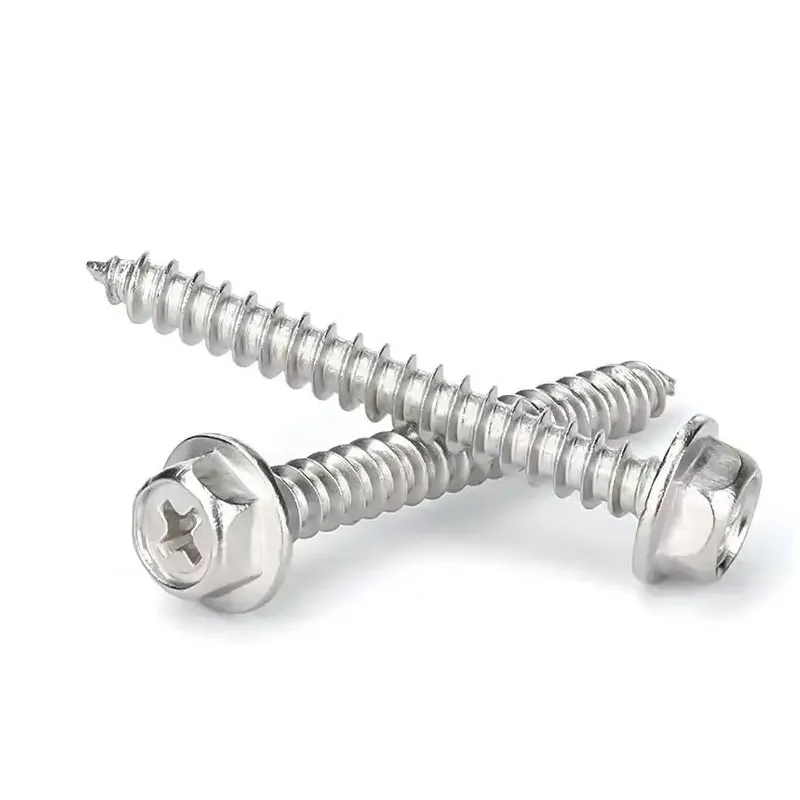
Stainless steel rivets are fasteners made from various grades of stainless steel, primarily known for their outstanding corrosion resistance, high tensile strength, and excellent durability in extreme temperatures and corrosive environments. They are widely used in marine, architectural, food processing, and chemical industries where longevity and hygiene are critical.
1.1 Material Composition and Grades of Stainless Steel Rivets
The unique properties of stainless steel rivets stem directly from their alloy composition.
- Example 1: Chromium Content. All stainless steels contain a minimum of 10.5% chromium, which forms a passive, self-repairing oxide layer on the surface. This layer is what gives stainless steel rivets their remarkable corrosion resistance. Different grades, like 304 stainless steel rivets (common for general use) and 316 stainless steel rivets (containing molybdenum for enhanced resistance to chlorides), offer varying levels of protection.
- Example 2: Mechanical Properties. Beyond corrosion resistance, stainless steel rivets offer high strength and ductility. For instance, A2 (304) stainless steel rivets provide good strength and formability, while A4 (316) stainless steel rivets offer slightly lower strength but superior resistance to pitting and crevice corrosion, especially in saltwater environments.
- Analysis: The theoretical basis for stainless steel’s performance lies in its metallurgical structure. The presence of chromium, nickel, and sometimes molybdenum creates a robust alloy that resists oxidation and degradation, making stainless steel fasteners a premium choice for demanding applications.
This table highlights the key characteristics of stainless steel rivets, showcasing their design for robust and long-lasting connections.
| Feature | Description | Impact on Application |
| Corrosion Resistance | Excellent resistance to rust, oxidation, and many chemicals | Ideal for outdoor, marine, and chemical processing environments |
| High Strength | Good tensile and shear strength | Suitable for structural and load-bearing applications |
| Temperature Resistance | Maintains properties across a wide range of temperatures | Reliable in both high and low-temperature settings |
| Durability | Long lifespan, resistant to wear and fatigue | Reduces maintenance and replacement costs |
| Hygienic Properties | Non-porous surface, easy to clean and sterilize | Essential for food, medical, and pharmaceutical industries |
1.2 Primary Applications of Stainless Steel Rivets
The superior properties of stainless steel rivets make them indispensable in various critical sectors.
- Example 1: Marine and Coastal Environments. Due to their exceptional resistance to saltwater corrosion, 316 stainless steel rivets are widely used in boat building, dock construction, and offshore platforms. They prevent rust stains and structural degradation in harsh, saline conditions.
- Example 2: Food Processing and Medical Equipment. The hygienic, non-porous surface of stainless steel rivets makes them ideal for equipment in food preparation areas, hospitals, and pharmaceutical manufacturing, where cleanliness and resistance to sterilization chemicals are paramount.
- Analysis: The practical impacts of using stainless steel rivets include enhanced safety, reduced maintenance costs, and compliance with stringent industry regulations. Their reliability in challenging environments makes them a preferred industrial fastener.
2. How Do Bright Nickel Iron Rivets Differ and Where Are They Best Applied?
Are you looking for a fastener that offers a clean, shiny appearance and good wear resistance, perhaps for consumer goods or interior applications? Then bright nickel iron rivets might be the perfect fit. These rivets balance aesthetics with functional performance.
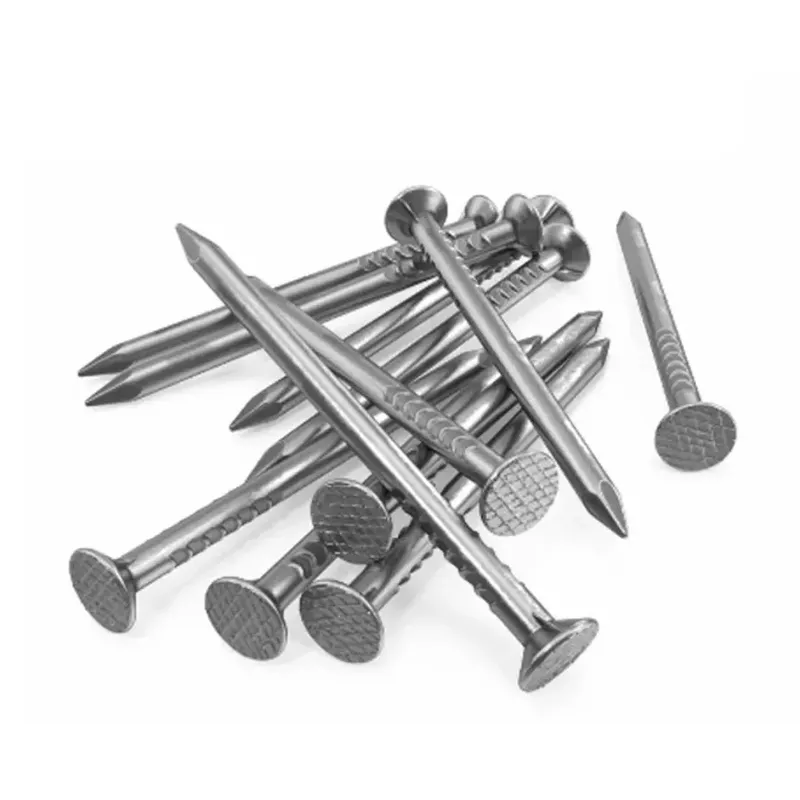
Bright nickel iron rivets are fasteners made from an iron base material that has been electroplated with a layer of bright nickel, providing an attractive, lustrous finish, good wear resistance, and moderate corrosion protection. They are primarily used in furniture, electronics, automotive interiors, and decorative applications where visual appeal and a smooth surface are desired.
2.1 Material Composition and Plating Process
The characteristics of bright nickel iron rivets are largely defined by their surface treatment.
- Example 1: Iron Core. The base material for these rivets is typically iron or low-carbon steel. This provides a cost-effective core with good mechanical properties. The strength of the iron rivet itself is generally lower than that of stainless steel rivets.
- Example 2: Bright Nickel Plating. The iron core undergoes an electroplating process where a thin layer of nickel is deposited onto its surface. This nickel layer is polished to achieve a highly reflective, “bright” finish. The plating provides a barrier against corrosion and enhances wear resistance.
- Analysis: The theoretical basis for bright nickel iron rivets combines the affordability of iron with the aesthetic and protective qualities of nickel. The plating acts as a sacrificial layer and a physical barrier, offering a balance between cost, appearance, and moderate environmental protection.
This table outlines the key characteristics of bright nickel iron rivets, highlighting their aesthetic and functional attributes.
| Feature | Description | Impact on Application |
| Aesthetic Finish | Smooth, highly reflective, bright silver-like appearance | Enhances visual appeal, suitable for exposed surfaces |
| Moderate Corrosion Resistance | Nickel plating provides a barrier against rust and oxidation | Suitable for indoor, dry environments; less effective in harsh conditions |
| Good Wear Resistance | Nickel layer offers improved surface hardness and abrasion resistance | Durable in applications with moderate friction or handling |
| Cost-Effective | Generally more affordable than stainless steel | Budget-friendly for non-critical or decorative applications |
| Magnetic Properties | Typically magnetic due to the iron core | Can be a factor in electronic or sensitive equipment |
2.2 Primary Applications of Bright Nickel Iron Rivets
The combination of appearance and performance makes bright nickel iron rivets suitable for specific uses.
- Example 1: Furniture and Cabinetry. These rivets are frequently used in the assembly of furniture, cabinets, and decorative hardware where a clean, finished look is desired. They provide a secure joint while blending aesthetically with other components.
- Example 2: Consumer Electronics and Appliances. In products like small appliances, electronic casings, or toys, bright nickel iron rivets offer a cost-effective fastening solution that also contributes to the product’s overall visual quality.
- Analysis: The practical impacts of using bright nickel iron rivets include enhanced product aesthetics, cost savings, and sufficient performance for applications not exposed to extreme environmental conditions. They are a popular choice for decorative fasteners.
3. What Are the Core Differences in Corrosion Resistance and Durability?
Understanding how stainless steel rivets and bright nickel iron rivets stand up to environmental challenges is paramount for long-term product integrity. Their inherent material properties dictate their performance in corrosive or demanding conditions.
The core difference lies in their corrosion resistance: stainless steel rivets possess inherent, superior resistance to rust and various chemicals due to their chromium content, making them highly durable in harsh environments. Bright nickel iron rivets rely on a surface plating for moderate protection, which can be compromised, leading to rust of the iron core in corrosive or abrasive conditions.
3.1 Inherent vs. Plated Corrosion Protection
The mechanism of corrosion resistance is fundamentally different for each rivet type.
- Example 1: Stainless Steel’s Passive Layer. Stainless steel rivets form a passive chromium oxide layer on their surface, which acts as a self-healing barrier against corrosion. If scratched, this layer can reform in the presence of oxygen. This makes 316 stainless steel rivets particularly resistant to chlorides, crucial for marine applications.
- Example 2: Nickel Plating as a Barrier. Bright nickel iron rivets depend on the integrity of their nickel plating. This plating acts as a physical barrier. However, if the plating is scratched, chipped, or worn away, the underlying iron core is exposed to moisture and oxygen, leading to rust (red corrosion).
- Analysis: This theoretical difference means stainless steel rivets offer intrinsic, long-term protection, while bright nickel iron rivets provide a more superficial and potentially vulnerable layer of defense. The design trade-off is between inherent, robust protection and a more cost-effective, aesthetically pleasing surface.
This table provides a clear comparison of stainless steel rivets and bright nickel iron rivets based on their corrosion resistance and durability.
| Feature | Stainless Steel Rivets | Bright Nickel Iron Rivets |
| Corrosion Mechanism | Inherent passive chromium oxide layer (self-healing) | Surface nickel plating (barrier protection) |
| Resistance Level | Superior (especially 316 grade for chlorides) | Moderate (plating can be compromised) |
| Durability in Harsh Environments | Excellent (marine, chemical, outdoor exposure) | Poor (plating failure leads to rust of iron core) |
| Resistance to Abrasion | Good (solid material) | Good (nickel plating is hard), but can wear through |
| Long-Term Performance | Very high, minimal degradation over time | Moderate, dependent on plating integrity and environment |
| Cost | Higher | Lower |
3.2 Durability in Challenging Environments
The choice of rivet material significantly impacts performance under stress.
- Example 1: Outdoor and Wet Conditions. For outdoor furniture, signage, or any application exposed to rain, humidity, or temperature fluctuations, stainless steel rivets are far more durable. They will not rust or stain the surrounding material, maintaining structural integrity and appearance.
- Example 2: Abrasive or High-Wear Applications. While nickel plating offers some wear resistance, in applications involving constant friction or potential for impact, the plating on bright nickel iron rivets can eventually wear off, exposing the less durable iron core. Stainless steel rivets, being a solid alloy, maintain their properties even if scratched.
- Analysis: The practical impacts are clear: stainless steel rivets are a long-term investment for demanding conditions, while bright nickel iron rivets are best suited for protected environments where their aesthetic appeal can be maintained without significant risk of corrosion or wear-through.
4. How Do Their Aesthetic and Finish Characteristics Compare?
Beyond their functional differences, the visual appeal of rivets can be a critical factor, especially in consumer products or architectural applications. Stainless steel rivets and bright nickel iron rivets offer distinct aesthetic qualities.
Stainless steel rivets typically present a matte to semi-bright metallic finish, which is consistent throughout the material and can be polished for a brighter look. Bright nickel iron rivets, however, are specifically designed for a highly lustrous, mirror-like, silver-colored finish due to their electroplated nickel layer, making them a preferred choice when a striking visual appeal is paramount.
4.1 Surface Appearance and Luster
The inherent nature of the material versus a surface coating dictates the final look.
- Example 1: Stainless Steel’s Natural Sheen. Stainless steel rivets naturally have a metallic luster that can range from a brushed, matte finish (common for 304 stainless steel rivets) to a brighter, polished look. This finish is integral to the material, meaning it won’t chip or peel.
- Example 2: Bright Nickel’s Mirror Finish. The electroplated nickel on bright nickel iron rivets is specifically engineered to be highly reflective and shiny, often resembling chrome. This gives them a distinct, eye-catching appearance that is often chosen for decorative purposes.
- Analysis: The theoretical basis for these differences lies in the surface structure. Stainless steel’s passive layer provides a uniform, durable finish, while nickel plating creates a smooth, highly reflective outer shell. The design trade-off is between an integral, long-lasting finish and a brilliant, applied coating.
This table compares the aesthetic and finish characteristics of stainless steel rivets and bright nickel iron rivets.
| Characteristic | Stainless Steel Rivets | Bright Nickel Iron Rivets |
| Primary Finish | Matte to semi-bright metallic sheen | Highly lustrous, mirror-like, bright silver |
| Consistency | Consistent throughout the material | Surface coating, can be compromised |
| Color | Silvery-grey | Bright silver (resembles chrome) |
| Resistance to Tarnishing | Excellent, maintains appearance over time | Good, but can dull or show wear over time |
| Impact of Scratches | Scratches are less noticeable, material remains consistent | Scratches can expose underlying dull iron, leading to rust |
| Maintenance | Low maintenance, easy to clean | Requires more care to maintain luster, avoid scratches |
4.2 Impact of Wear and Scratches on Appearance
How each rivet reacts to physical wear also affects its long-term aesthetic.
- Example 1: Stainless Steel’s Resilience. If a stainless steel rivet gets scratched, the underlying material is still stainless steel, so the scratch will be visible but won’t lead to rust or a drastic change in color. The corrosion resistance remains intact.
- Example 2: Nickel Plating’s Vulnerability. A scratch on a bright nickel iron rivet can penetrate the thin nickel layer, exposing the darker, non-corrosion-resistant iron beneath. This not only detracts from the aesthetic but also creates a potential site for rust to begin.
- Analysis: The practical impacts are significant for products where appearance is critical. For high-traffic areas or items prone to wear, stainless steel rivets offer a more durable and consistent aesthetic. For protected, decorative elements, bright nickel iron rivets provide an initial visual impact.
5. How Do You Choose Between Stainless Steel and Bright Nickel Iron Rivets?
Making the right choice between stainless steel rivets and bright nickel iron rivets is crucial for optimizing both the functionality and appearance of your product. This decision should be guided by a clear understanding of your project’s specific demands and environmental conditions.
Choosing between stainless steel and bright nickel iron rivets depends primarily on the required corrosion resistance, strength, environmental exposure, and aesthetic priorities. Stainless steel is preferred for harsh, corrosive, or high-strength applications, while bright nickel iron is best for decorative, indoor, or less demanding uses where a shiny finish is desired and cost is a factor.
5.1 Environmental Conditions and Corrosion Risk
The operating environment is often the most critical factor in fastener selection.
- Example 1: Outdoor or Marine Applications. For any project exposed to moisture, rain, saltwater, or chemicals, stainless steel rivets (especially 316 grade) are the only viable option. Their inherent corrosion resistance will prevent rust, maintain structural integrity, and avoid unsightly staining of surrounding materials.
- Example 2: Indoor, Dry Environments. For indoor furniture, electronics, or other applications in dry, controlled environments, bright nickel iron rivets can perform adequately. The risk of the nickel plating being compromised and the iron core rusting is significantly lower.
- Analysis: A rivet material selection guide would always prioritize the level of environmental exposure. Ignoring corrosion risk can lead to premature fastener failure and costly repairs.
This table provides a practical guide for choosing between stainless steel rivets and bright nickel iron rivets based on common project considerations.
| Consideration | Choose Stainless Steel Rivets If… | Choose Bright Nickel Iron Rivets If… |
| Environment | Outdoor, marine, chemical, high humidity, corrosive | Indoor, dry, controlled environments |
| Corrosion Resistance | Superior, inherent, long-term protection | Moderate, surface plating dependent, vulnerable to scratches |
| Strength Required | High tensile and shear strength, structural applications | Moderate strength, non-critical applications |
| Aesthetic Priority | Durable, consistent metallic finish, long-term integrity | Bright, shiny, decorative finish, initial visual impact |
| Budget | Higher initial cost, but lower long-term maintenance | Lower initial cost, but potential for earlier replacement |
| Application Type | Aerospace, automotive (exterior), construction, food processing | Furniture, electronics, automotive (interior), decorative items |
5.2 Strength Requirements and Load Bearing
The mechanical demands of the joint also play a crucial role.
- Example 1: Structural Integrity. For applications where the rivet will bear significant tensile or shear loads, such as in structural components or heavy machinery, the higher inherent strength of stainless steel rivets makes them the safer and more reliable choice.
- Example 2: Light-Duty Assembly. In applications where the primary function is to hold lightweight components together or for decorative purposes, and the loads are minimal, bright nickel iron rivets can provide sufficient strength at a lower cost.
- Analysis: Always match the fastener’s mechanical properties to the anticipated loads. Over-specifying can lead to unnecessary costs, while under-specifying can lead to dangerous failures.
5.3 Aesthetic Considerations and Cost-Effectiveness
Sometimes, the look and budget are key drivers.
- Example 1: Visible Fasteners. If the rivets will be visible and a bright, shiny finish is desired to match other components or enhance the product’s appearance, bright nickel iron rivets are often chosen for their superior luster.
- Example 2: Budget Constraints. For projects with tight budgets where the environmental conditions are not severe, the lower cost of bright nickel iron rivets can be a significant advantage. However, this must be balanced against potential long-term durability issues.
- Analysis: The trade-off between initial cost, long-term durability, and aesthetic appeal is a common design challenge. Understanding the specific needs of your project will guide you to the most cost-effective and visually appropriate rivet solution.
Conclusion
The choice between stainless steel rivets and bright nickel iron rivets is a critical decision that hinges on a clear understanding of their distinct properties and intended applications. Stainless steel rivets, with their inherent chromium content, offer unparalleled corrosion resistance, high strength, and durability, making them the superior choice for harsh environments, structural applications, and industries demanding stringent hygiene. Conversely, bright nickel iron rivets provide an attractive, lustrous finish and good wear resistance at a lower cost, making them ideal for decorative purposes, indoor applications, and less demanding assemblies where visual appeal is a priority.
By carefully evaluating your project’s environmental exposure, strength requirements, aesthetic goals, and budget, you can confidently select the optimal rivet material. Making the right choice ensures not only the functional integrity and longevity of your fastened components but also contributes to the overall quality and visual appeal of your final product.