Aluminum shoulder rivets are critical lightweight fasteners providing precise pivot points and structural support in aerospace and drone manufacturing. Their exceptional strength-to-weight ratio, corrosion resistance, and versatility enable manufacturers to reduce overall aircraft weight, which directly translates to improved fuel efficiency, increased payload capacity, and longer flight times for Unmanned Aerial Vehicles (UAVs). As industries push the boundaries of performance and efficiency, these specialized
components have become indispensable for creating robust, reliable, and feather-light assemblies, moving beyond simple fastening to serve as essential mechanical pivots and spacers.
Table of Contents
- What Exactly Is an Aluminum Shoulder Rivet?
- Why is Aluminum the Material of Choice for Modern Aviation?
- Critical Applications of Aluminum Shoulder Rivets in Aerospace
- The Drone Revolution: Fueled by Lightweight Components
- How to Select the Right Aluminum Shoulder Rivet: Technical Specifications
- The RivetJL Advantage: Partnering with a Precision Manufacturer
- Conclusion: The Future is Light and Secure
- Frequently Asked Questions (FAQ)
What Exactly Is an Aluminum Shoulder Rivet?
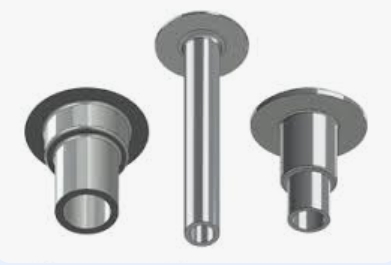
Unlike a standard rivet designed purely for clamping two or more materials together, a shoulder rivet (also known as a shoulder pin or stripper bolt) is a multi-functional fastener. It features three distinct parts: a head, an unthreaded shoulder (or barrel), and a tail (or tenon) that is upset during installation. The key innovation is the shoulder. This smooth, precisely machined surface acts as a shaft, axle, or pivot point for rotating components. It also creates a fixed space between parts, ensuring consistent alignment and preventing over-tightening that could crush delicate materials or impede movement. When crafted from high-grade aluminum alloys, these rivets deliver this complex functionality with minimal weight penalty, making them a perfect solution for dynamic aerospace assemblies.
Why is Aluminum the Material of Choice for Modern Aviation?
While materials like titanium and advanced composites have their place, aluminum alloys remain a dominant force in aerospace and drone construction. The reason is a compelling balance of properties that make it uniquely suited for flight applications. When engineers ask, “What material provides the best performance per gram?” aluminum is often the answer, especially for components like shoulder rivets.
Unbeatable Strength-to-Weight Ratio
The primary driver for using aluminum is its incredible strength-to-weight ratio. Aerospace-grade alloys such as 2024, 6061, and 7075 offer tensile strengths comparable to mild steel but at roughly one-third of the weight. In an industry where every gram is meticulously accounted for, this is a monumental advantage. Reducing the weight of thousands of fasteners across an airframe or drone chassis leads to significant gains in fuel economy, allows for heavier payloads (whether cargo, sensors, or passengers), and extends operational range and flight duration.
Superior Corrosion Resistance
Aircraft and drones operate in diverse and often harsh environments, from humid tarmacs to high-altitude, low-temperature conditions. Aluminum naturally forms a passive, protective oxide layer that shields it from corrosion. This resistance can be further enhanced through processes like anodizing, which creates a durable, hard, and non-conductive surface. This is particularly crucial to prevent galvanic corrosion when aluminum fasteners are used to join dissimilar materials like carbon fiber composites, a common practice in modern drone and aircraft design.
Cost-Effectiveness and High-Volume Manufacturability
Compared to more exotic materials like titanium, aluminum is significantly more affordable and easier to machine, form, and rivet. This allows for the high-volume, cost-effective production required for large-scale manufacturing. The ability to produce precise, custom aluminum shoulder rivets efficiently without compromising on quality or performance makes it possible to build advanced aerospace systems on a commercially viable scale. This balance of performance and price is a critical factor in both commercial aviation and the rapidly growing drone market.
Critical Applications of Aluminum Shoulder Rivets in Aerospace
Within a modern aircraft, aluminum shoulder rivets are unsung heroes, performing vital roles where precision movement and secure spacing are paramount. Their use goes far beyond simply holding panels together; they are integral to the functionality of complex mechanical systems.
Flight Control Systems and Actuators
Shoulder rivets serve as low-friction pivot points in linkages for ailerons, elevators, and rudder control systems. The smooth shoulder allows for the precise, repeatable rotational movement necessary for a pilot or autopilot system to control the aircraft. Their lightweight nature is essential here, as it reduces the inertia of the control surfaces, allowing for quicker and more responsive handling.
Interior Structures and Cabin Fittings
Inside the cabin, these rivets are used to mount everything from overhead luggage bins and seating components to galley equipment. The shoulder ensures that panels are spaced correctly without being crushed, while the secure, vibration-resistant hold is crucial for passenger safety and comfort. They provide a strong, reliable joint that can withstand the constant vibrations of flight.
Avionics and Electronic Enclosures
Sensitive electronic equipment, or avionics, must be securely mounted and often isolated from the main airframe to dampen vibration. Aluminum shoulder rivets are used to fasten these enclosures, providing a precise standoff distance that allows for airflow, cable management, and shock absorption, all while adding minimal weight to these critical systems.
The Drone Revolution: Fueled by Lightweight Components
For UAVs, where power-to-weight ratio dictates flight time and mission capability, aluminum components are not just an option—they are a necessity. Aluminum shoulder rivets are central to achieving the lightweight yet rigid structures that define high-performance drones.
Frame Assembly and Structural Integrity
Drone frames, especially those made from carbon fiber plates, rely on shoulder rivets to act as strong, precise spacers and joining elements. The shoulder creates the exact distance needed between frame plates for mounting flight controllers, batteries, and other electronics, ensuring a rigid and true structure that can withstand high-G maneuvers and hard landings.
Landing Gear and Gimbal Mounts
Retractable landing gear and multi-axis camera gimbals require smooth, reliable pivot points. Aluminum shoulder rivets provide the perfect axle for these mechanisms. Their light weight is essential for minimizing the power needed to actuate the landing gear or stabilize the camera, directly contributing to longer battery life and smoother video footage.
Propeller and Motor Mounting Assemblies
In some drone designs, shoulder rivets are used as locating pins or pivot points within motor mounting systems. They help ensure perfect alignment, which is critical for reducing vibration and maximizing motor efficiency. By providing a strong yet light fastening solution, they help secure the most critical component of the drone’s propulsion system.
How to Select the Right Aluminum Shoulder Rivet: Technical Specifications
Choosing the correct rivet is an engineering decision that balances material properties, dimensions, and application demands. Where can you find the best fastener for your project? The key is understanding the specifications.
| Specification | Description | Importance in Aerospace & Drones |
|---|---|---|
| Alloy Type | Common alloys include 2024 (high strength), 6061 (good corrosion resistance, weldable), and 7075 (very high strength). | 7075 is ideal for high-stress structural pivots, while 6061 is excellent for non-structural fittings where corrosion is a concern. |
| Head Style | Universal, round, flat, or countersunk heads are available to suit different aerodynamic and structural needs. | Countersunk heads are used on exterior surfaces to maintain a smooth, aerodynamic profile and reduce drag. |
| Shoulder Diameter & Length | These dimensions are critical and must be machined to tight tolerances. The diameter determines the fit in the hole, and the length sets the spacing between components. | Precision is non-negotiable. An incorrect shoulder length can cause component binding or looseness, leading to system failure. |
| Finish/Coating | Options include plain (natural oxide layer) or anodized (Type II or Type III Hardcoat) for enhanced corrosion and wear resistance. | Anodizing is crucial for preventing galvanic corrosion with carbon fiber and for color-coding parts for easy identification during assembly. |
The RivetJL Advantage: Partnering with a Precision Manufacturer
In industries where safety and performance are paramount, the quality of every component matters. Sourcing aluminum shoulder rivets from a specialized manufacturer like RivetJL ensures that these critical fasteners meet the exacting standards of aerospace and drone manufacturing. Expertise in materials science, precision machining, and quality control processes (such as adherence to AS9100 standards) is vital. A true manufacturing partner can also provide custom solutions—tailoring head styles, shoulder dimensions, and alloy types to solve unique engineering challenges. This collaborative approach moves beyond a simple supplier relationship to one where the manufacturer’s expertise contributes directly to the success and innovation of your final product.
Conclusion: The Future is Light and Secure
The relentless pursuit of efficiency in aerospace and drone technology has elevated the humble rivet to a high-performance engineering component. Aluminum shoulder rivets represent a perfect synergy of material science and functional design. By providing strong, lightweight, and precise pivot and spacing solutions, they enable the creation of next-generation aircraft and UAVs that can fly farther, carry more, and operate more reliably than ever before. As designs continue to evolve, the demand for these versatile and lightweight fasteners will only continue to grow, solidifying their role as a cornerstone of modern aviation manufacturing.
Frequently Asked Questions (FAQ)
What is the primary difference between a shoulder rivet and a clevis pin?
A shoulder rivet is a permanent fastener; its tail is upset (formed) during installation to create a second head, securing it permanently. A clevis pin is a temporary fastener, typically secured with a cotter pin or clip, allowing for easy disassembly and reassembly.
Can aluminum rivets be used with carbon fiber components?
Yes, but it’s crucial to prevent galvanic corrosion, which occurs when two dissimilar metals (like aluminum and the conductive carbon fiber) are in contact in the presence of an electrolyte. Using an anodized aluminum rivet or installing it with a non-conductive washer or sleeve provides the necessary electrical insulation to ensure long-term structural integrity.
How is the strength of an aluminum shoulder rivet measured?
Rivet strength is typically measured in two ways: shear strength (the force required to cut the rivet sideways) and tensile strength (the force required to pull it apart). For shoulder rivets acting as pivots, shear strength is often the more critical specification, and it is determined by the rivet’s diameter and the specific aluminum alloy used.