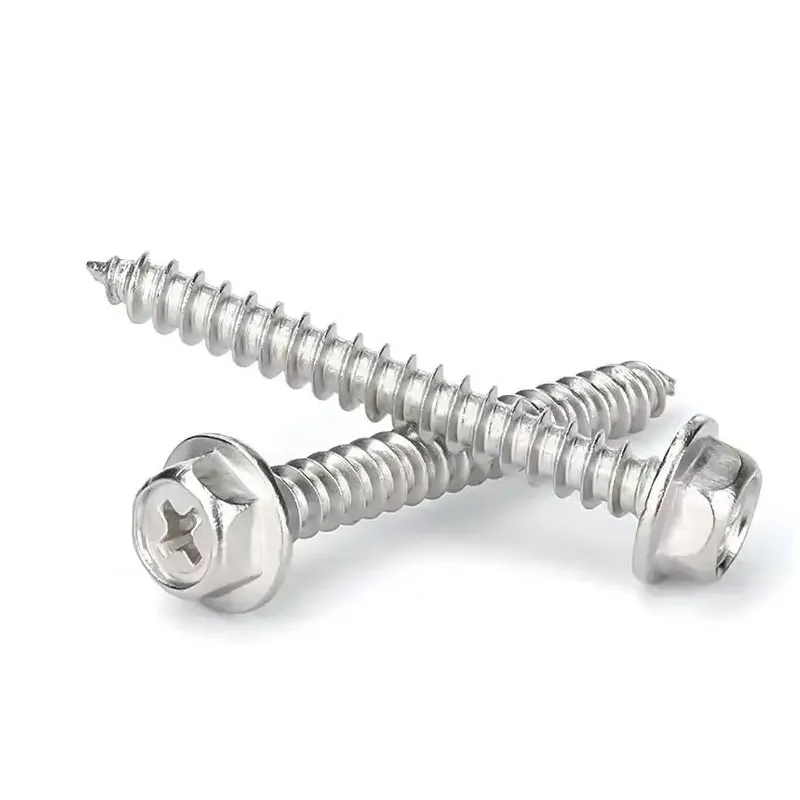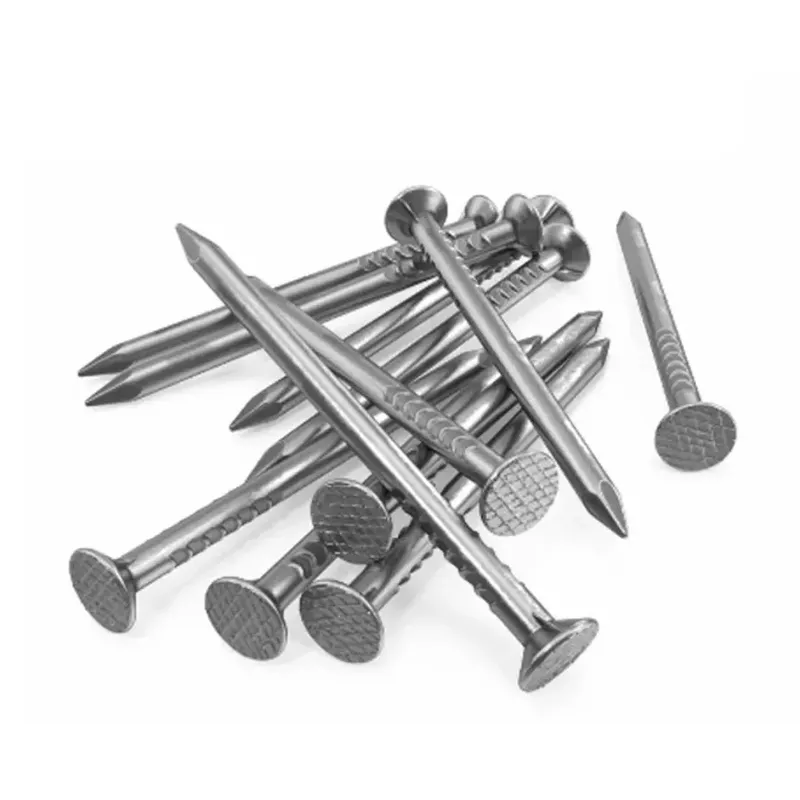
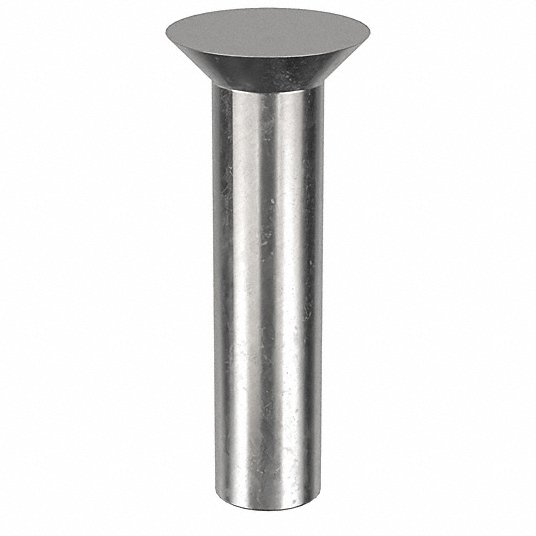
The cold heading process offers a significant advantage in manufacturing by producing stronger, more durable rivets at a lower per-unit cost compared to traditional machining. This method reshapes metal wire at room temperature using a series of high-speed dies and punches, which rearranges the material’s grain structure to follow the contour of the rivet, dramatically increasing its shear and tensile strength while virtually eliminating material waste.
In the competitive world of manufacturing and product assembly, every component’s strength and cost are under constant scrutiny. For fastening solutions like rivets, achieving the perfect balance between superior performance and economic efficiency is paramount. While traditional methods like screw machining have long been used, they often come with compromises in material strength and significant waste. This is where the innovative process of cold heading, also known as cold forming, emerges as a superior alternative. By understanding the principles behind this technique, companies can unlock substantial improvements in their product’s integrity and their bottom line. This article delves deep into the cold heading advantage, exploring how it boosts rivet strength while simultaneously driving down production costs.
Table of Contents
What Exactly is the Cold Heading Process?
Before diving into its benefits, it’s crucial to understand what cold heading is. Imagine sculpting clay rather than carving stone—that’s the essential difference between cold heading and machining. Cold heading is a high-speed forging process where metal wire, at room temperature, is fed into a machine. A series of powerful dies and punches then strike the wire, forcing it to flow into the die’s shape to form a “headed” part, like a rivet, pin, or screw. The process is one of displacement and reshaping, not removal. A blank of a specific volume is precisely sheared from the wire and then progressively formed into the final, complex shape through one or more blows.
This technique is fundamentally different from subtractive manufacturing methods like screw machining, which start with a larger bar of material and cut away excess metal to achieve the desired shape. The cold heading process is a marvel of efficiency, capable of producing hundreds of finished or near-finished parts per minute. Because the metal is formed rather than cut, its internal structure is fundamentally altered in a way that provides immense structural benefits, making it an ideal choice for manufacturing high-performance fasteners like those we specialize in at RivetJL.
The Strength Advantage: Why Are Cold-Headed Rivets Stronger?
The primary reason for the superior strength of cold-headed rivets lies in how the process manipulates the metal’s internal grain structure. When metal is formed through casting or hot rolling, it develops a grain structure—think of it like the grain in a piece of wood. The strength of the part is directly related to the continuity and direction of this grain. Cold heading leverages this characteristic to its fullest potential.
The Secret is in the Grain Flow
In a machined rivet, the process starts with a bar of metal and cuts across its natural grain flow to create the head and shaft. This severing of the grain lines creates inherent weak points, particularly at the critical junction between the head and the shank. These discontinuities make the rivet more susceptible to failure under shear stress and fatigue.
Conversely, the cold heading process forces the material’s grain to flow and conform to the shape of the rivet. The grain structure remains continuous and unbroken from the shaft through the head. This uninterrupted grain flow creates a part that is significantly stronger and more resistant to shock, fatigue, and shear forces. The head of the rivet isn’t a separate, weakly-attached feature; it is an integral, flowed extension of the shank, providing maximum structural integrity where it’s needed most. This makes cold-headed rivets the ideal choice for high-stress and critical safety applications.
The Power of Work Hardening
Another key strengthening mechanism in cold heading is work hardening, also known as strain hardening. As the metal is deformed at room temperature, its crystalline structure is compacted and rearranged. This process increases the material’s internal stress, which in turn makes it harder and increases its tensile strength. The metal effectively becomes stronger as it is being worked. This provides a significant boost to the overall durability and load-bearing capacity of the finished rivet without the need for additional heat treatment, which can add cost and complexity to the manufacturing process. The combination of uninterrupted grain flow and work hardening results in a fastener that is measurably superior in strength and reliability.
The Cost Advantage: How Does Cold Heading Lower Production Costs?
While increased strength is a compelling reason to choose cold heading, the economic benefits are equally persuasive. For businesses looking to optimize their supply chain and reduce manufacturing expenses, cold heading offers a multi-faceted approach to cost savings that traditional methods simply cannot match.
Near-Zero Material Waste
The most significant cost saving comes from material efficiency. In screw machining, creating a rivet from a bar of raw material can generate up to 50-60% scrap in the form of metal chips. This discarded material is a sunk cost—you pay for it, but it doesn’t end up in your final product. Cold heading, being a forming process, is drastically different. It uses the exact volume of material required for the final part. The wire is sheared to a precise length, and virtually 100% of that blank is formed into the rivet. This almost complete elimination of scrap means you pay only for the material in your fasteners, leading to dramatic reductions in raw material costs, especially when working with more expensive alloys like stainless steel or copper.
Unmatched Production Speed
Cold heading is an incredibly fast process. Modern cold heading machines can churn out parts at rates ranging from 50 to over 400 pieces per minute, depending on the complexity and size of the rivet. This is orders of magnitude faster than screw machining, which is a much slower, sequential process. This high-speed production drastically reduces the machine time per part, which in turn lowers labor costs and increases overall throughput. For high-volume production runs, the speed of cold heading translates directly into a lower per-unit cost, making it the most economical choice for large-scale assembly operations.
Reduced Need for Secondary Operations
The cold heading process produces parts with an excellent surface finish and tight dimensional tolerances directly out of the machine. The smooth, hardened surface created during forming often eliminates the need for secondary operations like grinding or polishing. While some parts may still require secondary processes like threading, knurling, or plating, the initial part is much closer to its final form. This reduction in post-production steps saves time, labor, and the costs associated with operating additional machinery, further streamlining the manufacturing cycle and reducing the total cost of the finished part.
Cold Heading vs. Screw Machining: A Direct Comparison
To fully appreciate the cold heading advantage, a side-by-side comparison with traditional screw machining is essential. The choice between these two methods can have a profound impact on your product’s performance and your budget.
| Feature | Cold Heading / Cold Forming | Screw Machining / Subtractive |
|---|---|---|
| Strength | Superior. Uninterrupted grain flow and work hardening create a stronger, more durable part. | Good, but compromised. Cut grain flow at the head-to-shank junction creates a point of weakness. |
| Material Waste | Virtually zero. The process forms the material, generating minimal to no scrap. | High. Can be 40-60% or more, as material is cut away to create the shape. |
| Production Speed | Extremely high. Typically 50-400+ parts per minute. Ideal for high-volume runs. | Slow. Production is sequential and much slower. Better suited for low-volume or prototype runs. |
| Cost per Part (High Volume) | Low. Driven by high speed and minimal material waste. | High. Driven by material scrap, longer cycle times, and more labor. |
| Surface Finish | Excellent. The forming process creates a smooth, hardened surface. | Good. May show tool marks and often requires secondary finishing. |
| Tooling Cost | Higher initial cost. Dies and punches are complex and require significant investment. | Lower initial cost. Tooling is generally simpler and less expensive to set up. |
As the table illustrates, while screw machining may be suitable for prototypes or very small production runs due to lower initial tooling costs, cold heading is the undisputed champion for medium to high-volume production where strength, cost, and consistency are critical factors.
What Materials Are Suitable for Cold Heading?
The cold heading process is versatile and can be used with a wide range of malleable metals. The key requirement is that the material must have sufficient ductility to be formed at room temperature without fracturing. At RivetJL, we have extensive experience in cold forming a variety of materials to meet diverse application needs, including:
- Steel (Low and Medium Carbon): The most common material, offering a great balance of strength, formability, and cost-effectiveness.
- Alloy Steels: Used for applications requiring higher strength, hardness, and wear resistance.
- Stainless Steel: Provides excellent corrosion resistance, making it ideal for medical, marine, and food-grade applications.
- Aluminum: Chosen for its lightweight properties and natural corrosion resistance.
- Brass and Copper: Selected for their excellent electrical conductivity and corrosion resistance.
The choice of material is a critical decision that impacts the final properties and cost of the rivet. Our engineering team at RivetJL works closely with clients to select the optimal material based on the specific requirements of their application, including load-bearing needs, environmental exposure, and conductivity requirements.
Partnering for Success with RivetJL
Choosing the right manufacturing process is only half the battle; choosing the right manufacturing partner is what guarantees success. The cold heading process, while highly advantageous, requires deep expertise, precision engineering, and state-of-the-art equipment to execute correctly. At RivetJL, we have built our reputation on being masters of the cold forming process. Our commitment to quality, innovation, and customer collaboration ensures that you receive fasteners that not only meet but exceed your performance and budgetary requirements.
By leveraging the cold heading advantage, you can create products that are stronger, more reliable, and more cost-effective. Whether you need a standard rivet or a complex, custom-designed fastener, our team is ready to help you unlock the full potential of this superior manufacturing technology. Contact us today to discuss your project and discover how our cold heading expertise can give you a competitive edge.