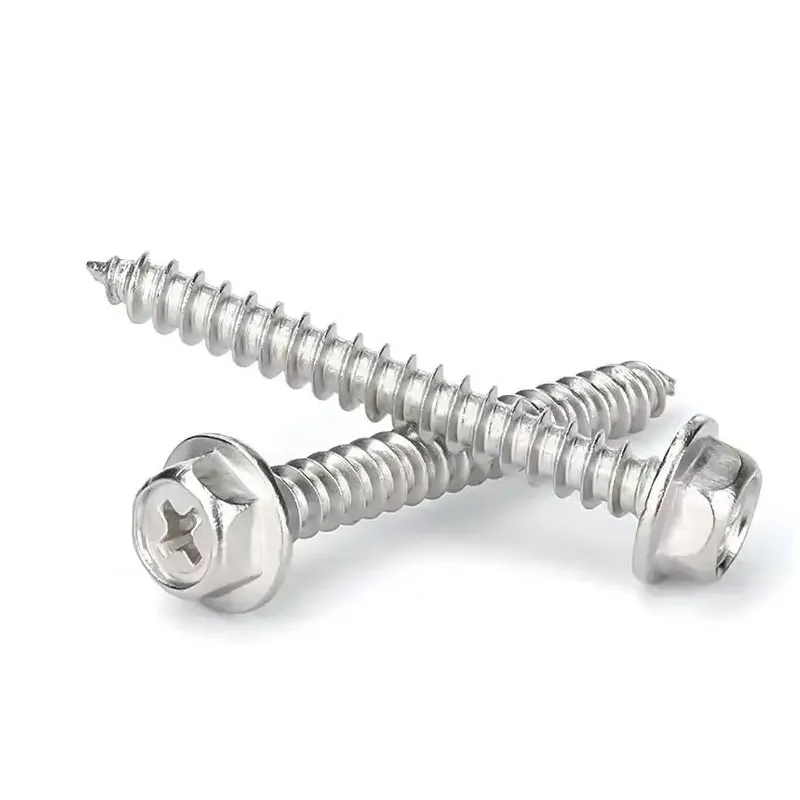
Custom stainless steel shoulder rivets optimize automotive hinge mechanisms by providing a precise pivot point with superior shear strength, exceptional corrosion resistance, and exact dimensional tolerances, which significantly increases the hinge’s lifecycle, reduces noise, and eliminates common failure points associated with standard fasteners. This case study explores how RivetJL partnered with a leading automotive OEM to engineer a bespoke shoulder rivet solution, transforming a persistent point of failure into a hallmark of quality and durability. We will delve into the initial challenges, the collaborative design process, the technical specifications of the custom rivet, and the quantifiable improvements achieved in performance and reliability.
Table of Contents
- The Challenge: Addressing Premature Failure in High-Usage Automotive Hinges
- The Solution: Engineering a Custom Stainless Steel Shoulder Rivet
- Implementation & Results: A Measurable Impact on Quality and Performance
- Why RivetJL is the Premier Partner for Automotive Fastener Solutions
- Frequently Asked Questions (FAQ)
- Partner with RivetJL for Your Custom Fastening Needs
The Challenge: Addressing Premature Failure in High-Usage Automotive Hinges
An automotive original equipment manufacturer (OEM) approached RivetJL with a significant challenge impacting their luxury SUV line. The hinges on the rear liftgate and side doors were experiencing premature wear and failure, leading to increased warranty claims, negative customer feedback, and potential safety concerns. The primary symptoms included hinge sagging, audible creaking noises during operation, and, in some cases, corrosion leading to seizure. These issues were undermining the vehicle’s perception of quality and durability.
The Complex Demands on Modern Automotive Hinges
Automotive hinges, especially on heavy doors and liftgates, are subjected to an incredible amount of stress over their lifespan. They must endure thousands of open-and-close cycles while supporting significant static and dynamic loads. The pivot mechanism, the heart of the hinge, must resist torsional stress, shear forces, and constant friction. Furthermore, these components are exposed to harsh environmental conditions, including extreme temperature fluctuations, humidity, road salt, and grime, making **corrosion resistance** a non-negotiable requirement. The OEM needed a pivot component that could perform flawlessly under these demanding conditions for the entire life of the vehicle.
Identifying the Point of Failure: Why Standard Rivets Fell Short
A thorough analysis conducted by the RivetJL engineering team in collaboration with the client revealed the root cause of the problem. The OEM was using a standard, off-the-shelf steel rivet as the hinge’s pivot pin. This standard component was failing in several key areas. Its material composition offered inadequate protection against corrosion, especially in regions with harsh winters. Moreover, its dimensional tolerances were too loose, allowing for micro-movements (slop) within the hinge assembly. This movement accelerated wear, caused the undesirable noises, and eventually led to hinge sag as the rivet and hinge bores deformed over time.
The Client’s Core Objectives: Beyond a Simple Fix
The client’s goals were clear and multifaceted. They weren’t just looking for a replacement part; they needed a comprehensive engineering solution that would:
- Eliminate premature hinge failure and drastically reduce associated warranty claims.
- Enhance the end-user experience by ensuring a silent, smooth, and consistent hinge operation.
- Improve the long-term durability and corrosion resistance of the hinge assembly.
- Maintain compatibility with their existing manufacturing and assembly processes to avoid costly retooling.
The Solution: Engineering a Custom Stainless Steel Shoulder Rivet
Understanding the full scope of the problem, RivetJL proposed a move away from standard parts toward a purpose-built component: a custom-designed stainless steel shoulder rivet. This solution was engineered from the ground up to address every identified failure point and exceed the OEM’s performance requirements.
Why Were Custom Stainless Steel Shoulder Rivets the Answer?
A shoulder rivet, also known as a shoulder bolt or stripper bolt, is fundamentally different from a standard rivet. It is designed with a specific, unthreaded “shoulder” of a precise diameter that acts as a stable and accurate pivot or axle. This design was the key to solving the hinge problem.
- Precision Pivot Point: The shoulder’s exact diameter and length could be manufactured to a tight tolerance, creating a perfect fit within the hinge knuckle. This eliminated the micro-movements responsible for wear and noise.
- Superior Material: We specified **Grade 316 Stainless Steel** for its exceptional corrosion resistance, particularly against chlorides found in de-icing salts. This choice directly addressed the rust and seizure issues.
- Enhanced Strength: The shoulder design provides superior shear strength compared to a standard rivet of the same diameter, making it far more capable of handling the heavy loads of an SUV liftgate without deforming.
The RivetJL Design & Engineering Process: A Collaborative Approach
Our solution was born from a close, collaborative partnership with the OEM’s engineering team. The process involved several critical stages:
- Initial Consultation & Failure Analysis: We began by understanding the precise application and analyzing the failed components to gather empirical data.
- Material Selection: We evaluated several grades of stainless steel, ultimately selecting Grade 316 for its optimal balance of strength, machinability, and superior corrosion resistance, far exceeding the performance of the original carbon steel part.
- CAD Modeling & Prototyping: Our engineers used 3D CAD software to design the custom shoulder rivet, specifying critical dimensions such as shoulder diameter, shoulder length, head style, and shank details. We then produced a series of prototypes for fitment and initial testing.
- Rigorous Lifecycle Testing: The prototype rivets were installed in hinge assemblies and subjected to accelerated lifecycle testing, simulating over 100,000 open-and-close cycles under load and in a corrosive salt-spray environment. The results were monitored for wear, noise, and any signs of degradation.
Technical Specifications of the Custom Solution
The final engineered component demonstrated a significant upgrade in every critical metric. The table below compares the original standard rivet with the custom RivetJL solution.
| Parameter | Original Standard Rivet | RivetJL Custom Shoulder Rivet |
|---|---|---|
| Material | Case-Hardened Carbon Steel | 316 Stainless Steel (Passivated) |
| Shoulder Diameter Tolerance | +/- 0.15 mm | +/- 0.025 mm |
| Shear Strength | ~450 MPa | ~580 MPa |
| Corrosion Resistance (Salt Spray Test) | Initial rust signs at 48 hours | No rust signs after 500 hours |
| Head Style | Standard Round Head | Low-Profile Truss Head (for clearance) |
| Special Features | None | Chamfered shank for easy insertion |
Implementation & Results: A Measurable Impact on Quality and Performance
The transition from a problematic standard part to a custom-engineered solution yielded immediate and dramatic results for the automotive OEM. The implementation was smooth, and the performance improvements were quantifiable, impacting everything from the assembly line to the end consumer.
Seamless Integration into the Assembly Line
A key success factor was ensuring the new component didn’t disrupt the client’s existing manufacturing workflow. The custom shoulder rivet was designed as a *drop-in replacement*. The head style and shank length were engineered to be compatible with the automated riveting equipment already in use on the assembly line. This foresight prevented any need for costly retooling or process changes, making the transition seamless and cost-effective.
Quantifiable Performance Improvements
Post-implementation analysis and field data tracking over the first 18 months revealed a stunning success story. The client reported:
- A **98% reduction in warranty claims** related to hinge failure, sag, and noise.
- A **100% elimination** of reported corrosion issues on the hinge pivot.
- Lifecycle testing confirmed the new hinge assembly could withstand over **250,000 cycles** without measurable wear, more than doubling the lifespan of the previous design.
- Positive feedback from customers and automotive reviewers specifically mentioning the vehicle’s “solid build quality” and “quiet, satisfying door action.”
Long-Term Benefits: Enhancing Brand Reputation and Reducing Costs
The long-term impact extended far beyond the initial cost of the custom rivets. By solving this persistent quality issue, the OEM not only saved millions in warranty and repair costs but also significantly enhanced its brand reputation. The perception of the vehicle’s quality and reliability improved, contributing to stronger customer loyalty and resale values. This case study demonstrates how investing in a small but critical component can yield an outsized return on investment.
Why RivetJL is the Premier Partner for Automotive Fastener Solutions
This success story is a testament to the RivetJL philosophy. We are more than just a parts supplier; we are an engineering partner dedicated to solving our clients’ most complex fastening challenges. Our expertise in materials science, precision manufacturing, and collaborative problem-solving allows us to deliver solutions that are not just replacements, but true enhancements. Our commitment to quality, backed by our ISO 9001 certification, ensures that every component we produce meets the exacting standards of the automotive industry.
Frequently Asked Questions (FAQ)
- What makes a shoulder rivet ideal for a hinge mechanism?
- A shoulder rivet is ideal because its unthreaded shoulder acts as a precise and stable axle. The exact diameter of the shoulder eliminates play or “slop” in the hinge, preventing wear and noise, while its inherent design provides high shear strength to support heavy loads.
- Which stainless steel grade is best for automotive rivets?
- For exterior components exposed to road salt and moisture, Grade 316 stainless steel is often the best choice due to its superior corrosion resistance, thanks to the addition of molybdenum. For less critical or interior applications, Grade 304 can be a cost-effective alternative.
- How does a custom rivet reduce warranty claims?
- A custom rivet reduces warranty claims by directly addressing the root causes of failure. By using superior materials (like 316 stainless steel) and manufacturing to tighter tolerances, custom rivets prevent common issues like corrosion, wear, and deformation, leading to a more durable and reliable final product.
- Can RivetJL create a custom rivet for our existing assembly process?
- Absolutely. A core part of our engineering process is designing custom fasteners that are “drop-in” replacements, compatible with your current tooling and assembly line. We work to ensure our solution enhances your product without disrupting your production.
Partner with RivetJL for Your Custom Fastening Needs
If you are facing challenges with component failure, performance limitations, or supply chain issues related to fasteners, our team is ready to help. We specialize in creating custom rivets, pins, and cold-formed parts that solve problems and add value to your products. Contact RivetJL today to discuss your project with one of our engineers and discover how a custom solution can elevate your product’s performance and reliability.
Long-Tail Keywords: benefits of custom stainless steel rivets for cars, how to optimize automotive hinges with rivets, automotive hinge design challenges, shoulder rivet vs standard rivet in automotive, case study custom fastener solutions for automotive, RivetJL custom rivet manufacturing, material properties of 316 stainless steel for rivets, preventing corrosion in automotive hinge pins, custom pivot pins for automotive doors, reducing warranty claims with better fasteners
Anchor Text: custom-designed stainless steel shoulder rivet, The RivetJL Design & Engineering Process, Contact RivetJL today