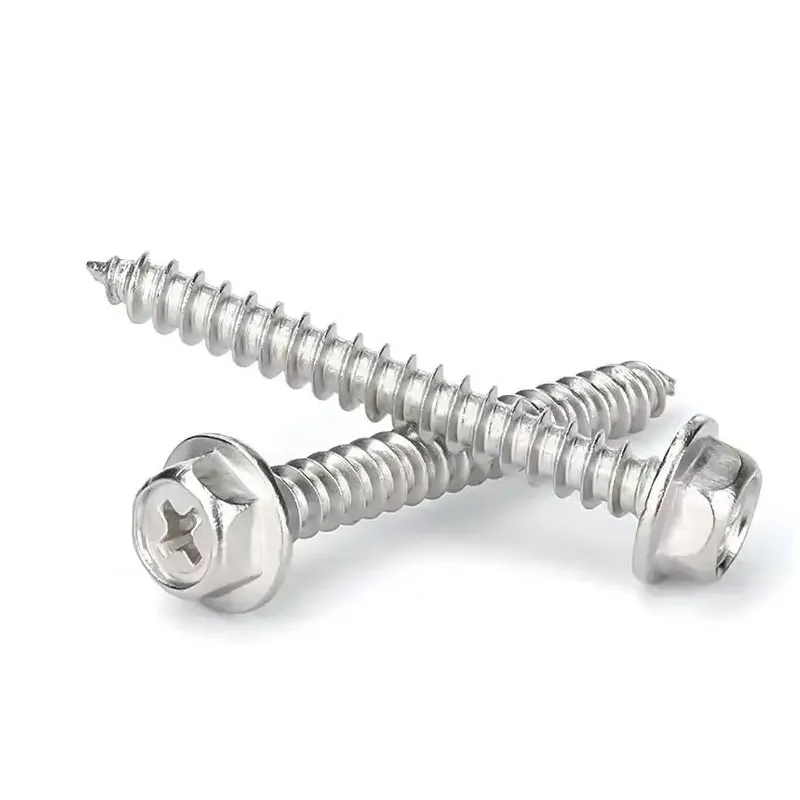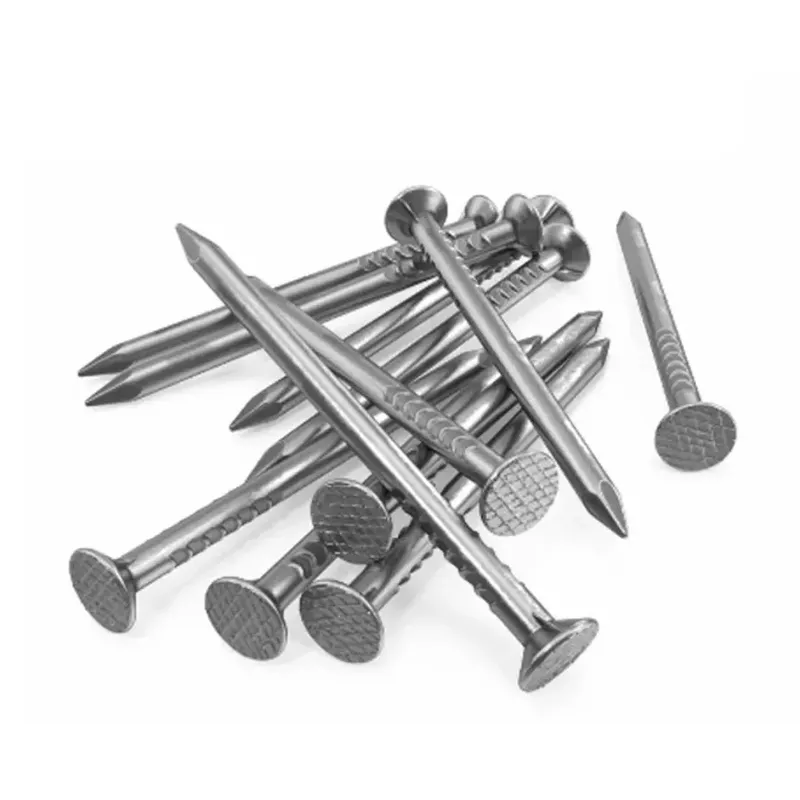
When engineering a dynamic joint—such as a folding hinge, a robotic linkage, or a pivoting lever—designers frequently face a critical dilemma: the joint either binds up and refuses to move, or it gradually loosens over time and falls apart. In many cases, engineers default to using a standard shoulder screw, only to discover that the rotational friction constantly backs the threads out, leading to clearance instability and eventual failure.
So, when should you make the switch? The direct answer lies in the fundamental purpose of the joint. You should use a mechanical shoulder rivet when your structure requires long-term, low-friction pivoting motion and you want to permanently eliminate the risk of vibration loosening while simultaneously reducing your part count. An industry maxim captures this perfectly: “A screw is for assembly; a rivet is for motion stability.”
If your current design relies on a complex stack of screws, washers, and spacers that still fail to maintain a consistent gap during high-frequency movement, you are likely using the wrong fastening methodology. This comprehensive guide will explore the engineering differences between these two fasteners, analyze real-world performance data, and help you determine the optimal pivot fastening solution for your next project.
Table of Contents
- What Is the Fundamental Difference Between a Shoulder Rivet and a Shoulder Screw?
- Why Do Pivot Joints Fail with Standard Shoulder Screws?
- How Does a Mechanical Shoulder Rivet Simplify Your Bill of Materials (BOM)?
- In Which Precision Shoulder Rivet Applications Do They Outperform Screws?
- Shoulder Rivet vs Shoulder Screw: How Do Their Performance Metrics Compare?
- What Are the Key Specifications to Consider Before Requesting a Quote (RFQ)?
- Is a Pivot Fastening Solution Right for Your Next Design?
1. What Is the Fundamental Difference Between a Shoulder Rivet and a Shoulder Screw?
To make an informed engineering decision, we must first look at the mechanical anatomy and the intended physical mechanics of each fastener.
A Shoulder Screw (also known as a stripper bolt) features a head, an unthreaded cylindrical section (the shoulder), and a threaded tip. The shoulder dictates the distance between the head and the mating tapped hole. It is fundamentally designed for removable fixing. While it can act as an axle for a rotating part, its reliance on a threaded connection means that the entire assembly is susceptible to torque variations, thread relaxation, and rotational backing-out.
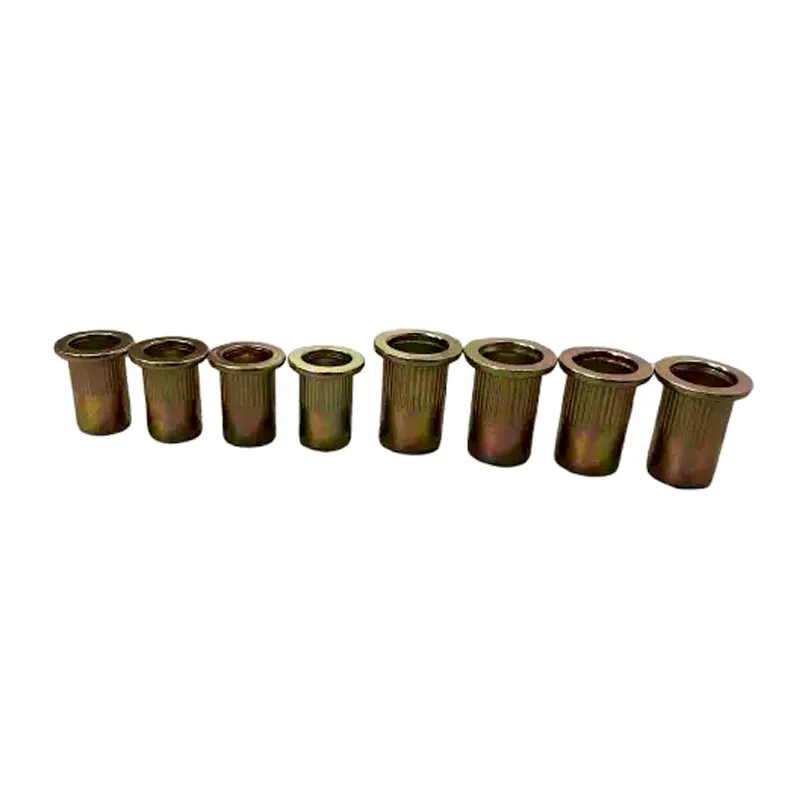
A Mechanical Shoulder Rivet, on the other hand, consists of a head, a solid precision shoulder, and a deformable tail (often semi-tubular or solid). During installation, the tail is permanently flared or swaged over the bottom plate. The shoulder acts as an unyielding structural stand-off and a highly precise, smooth axle for the rotating component. It provides a permanent “fixed + precise spacing + low friction rotation” integrated structure. Because it does not rely on threads, it cannot “unscrew” itself, making it the definitive choice for permanent pivoting assemblies.
2. Why Do Pivot Joints Fail with Standard Shoulder Screws?
The engineering pain points associated with dynamic joints usually trace back to one root cause: thread reliance in a moving environment.
When a linkage continuously rotates around the shaft of a shoulder screw, the friction between the rotating component and the screw head (or shoulder) acts like a tiny wrench. Over thousands of cycles, this rotational drag inevitably overcomes the screw’s seating torque, causing it to loosen. Once the screw loosens even a fraction of a millimeter, the joint experiences clearance instability (wobble). This wobble introduces severe transverse impact forces, rapidly accelerating wear and leading to complete structural failure.
Conversely, a shoulder rivet eliminates the thread entirely. Once the tail is set, the axial clearance is permanently locked by the physical length of the shoulder.
- Performance Data: Industry testing in high-frequency pivoting applications (exceeding 10,000 cycles) demonstrates that rivet structures maintain their original clearance stability virtually indefinitely. Furthermore, because the solid shoulder provides a continuous, highly controlled bearing surface, the friction wear life of a riveted pivot joint typically increases by 1.5 to 3 times compared to a standard screw assembly. The wear path is tightly controlled, ensuring smooth operation over the lifecycle of the product.
3. How Does a Mechanical Shoulder Rivet Simplify Your Bill of Materials (BOM)?
Beyond mechanical stability, engineers are constantly pushed by procurement and manufacturing teams to optimize designs for manufacturability (DFM) and reduce costs.
A traditional pivoting joint designed around a shoulder screw is rarely just a screw. To prevent binding and control the gap, engineers frequently have to add separate brass spacers, nylon washers, or chemical thread-lockers (Loctite) to keep the nut from backing off. This balloons the Bill of Materials (BOM) and introduces multiple points of failure during the assembly process. If an assembly worker drops a tiny nylon washer, the entire joint will bind.
By transitioning to a mechanical shoulder rivet, the spacer and the fastening mechanism are integrated into a single, CNC-machined component.
- Manufacturing Data: Engineering case studies show that implementing a shoulder rivet can reduce the total part count of a joint by 20% to 40%. By eliminating the need to manually thread nuts, apply adhesives, and align loose spacers, manufacturers can consistently eliminate 1 to 2 distinct assembly steps per joint. This dramatically speeds up the production line, reduces human error, and lowers overall inventory management costs.
4. In Which Precision Shoulder Rivet Applications Do They Outperform Screws?
The transition from screws to rivets is most prominent in industries where space is tight, vibration is high, and maintenance is difficult or impossible. Let’s look at two specific application scenarios where shoulder rivets are the superior choice.
Case 1: Consumer Electronics Hinge Structures
In the design of modern laptops, tablet kickstands, and folding brackets, space is at an absolute premium.
- The Problem: When engineers attempt to use micro shoulder screws in these tiny hinges, they find that the screws require extra spacers to control the gap. Worse, after months of opening and closing the device, the screws inevitably back out, resulting in a “floppy” screen or a loose bracket.
- The Solution: Replacing the screw with a precision shoulder rivet yields a vastly more compact structure. The pivot motion becomes significantly smoother because the shoulder provides a seamless, fixed axle. The clearance stability is permanently locked in during the factory swaging process, ensuring the hinge feels exactly as tight on day 1,000 as it did on day 1.
Case 2: Automation and Robotic Arm Linkages
Lightweight robotics and automated linkage arms undergo relentless, high-frequency, repetitive motion.
- The Problem: In a high-speed robotic linkage, the constant starting, stopping, and reversing creates micro-slip in threaded joints. Shoulder screws experience fatigue at the thread root and eventually lose their clamping alignment, introducing movement errors into the robot’s programming.
- The Solution: A mechanical shoulder rivet provides a fixed axis and absolute spacing support. The permanent mechanical lock prevents the axle from rotating, forcing the linkage arm to pivot smoothly on the low-friction shoulder. This drastically reduces the need for factory maintenance, improves the linkage’s repetitive positioning consistency, and heavily mitigates the accumulation of kinematic motion errors.
These benefits also extend heavily into automotive linkages (door hinges, wiper assemblies) and medical devices (surgical tools, hospital bed mechanisms) where reliability is non-negotiable.
5. Shoulder Rivet vs Shoulder Screw: How Do Their Performance Metrics Compare?
To help you make a definitive engineering choice, the following table breaks down the core differences between the two fasteners across critical performance dimensions.
Table 1: Shoulder Rivet vs. Shoulder Screw in Dynamic Applications
| Engineering Attribute | Standard Shoulder Screw | Precision Shoulder Rivet | Design Impact |
| Primary Function Focus | Removable assembly & clamping | Motion stability & precise spacing | Use rivets for pivots; use screws for maintenance panels. |
| BOM Complexity | High (Requires washers, nuts, threadlockers) | Low (Integrated single-piece design) | Rivets reduce part count by 20%–40%. |
| Clearance Stability | Degrades as threads loosen over time | Permanent (Locked by material deformation) | Rivets excel in >10,000 cycle high-frequency environments. |
| Friction Wear Life | Baseline | 1.5x to 3x longer | Smooth, continuous shoulder acts as a superior bearing surface. |
| Assembly Steps | Slower (Multiple parts, torque control required) | Faster (1-step pressing or orbital riveting) | Rivets eliminate 1-2 assembly steps, boosting throughput. |
| Reversibility | Fully removable for maintenance | Permanent (Must be drilled out to remove) | Do not use rivets if the joint requires frequent field teardowns. |
6. What Are the Key Specifications to Consider Before Requesting a Quote (RFQ)?
Once an engineer decides to transition to a pivot fastening solution, the inquiry quickly shifts from theoretical knowledge to specific product parameters. If you are experiencing pivot wear, clearance instability, or assembly looseness, and are ready to request a quote (RFQ) for custom shoulder rivets, you must define the following criteria:
- Shoulder Diameter and Tolerance Class: This is the most critical dimension. The shoulder diameter must closely match the inner diameter of your pivoting component to prevent wobble, typically requiring an exact transition or slight clearance fit. Define your required tolerance (e.g., ±0.02mm).
- Material Selection: The material dictates both strength and friction. Stainless steel (e.g., 304/316) is excellent for corrosion resistance and high-load pivots. Brass offers natural lubricity, making it perfect for light-duty, low-friction hinges. Aluminum is utilized in weight-sensitive aerospace or electronic designs.
- Surface Finish and Roughness (Ra): Because the shoulder acts as an axle, a highly polished surface finish is often required to minimize abrasive wear against the rotating plate.
- Tail Style: Depending on your assembly equipment, you must specify whether you need a solid tail (for heavy pressing/bucking) or a semi-tubular tail (for cleaner, lower-force orbital riveting).
7. Is a Pivot Fastening Solution Right for Your Next Design?
Relying on a shoulder screw for a high-frequency pivot joint is an engineering compromise that ultimately leads to complex BOMs, difficult assembly, and premature failure in the field. By adopting precision shoulder rivets, you guarantee motion stability, extend the friction wear life of your assembly, and streamline your manufacturing process.
If you are currently struggling with loose linkages, complicated washer stacks, or high warranty claims due to joint failure, it is time to upgrade your fastening strategy.
At Dongguan Jiliang Machinery Hardware, we specialize in engineering and manufacturing high-precision mechanical shoulder rivets tailored to your exact kinematic requirements. Whether you are designing consumer electronics, automotive linkages, or advanced robotics, our team can help you define the perfect tolerances and materials to optimize your design.
Stop fighting with loosening screws. Contact our engineering team today with your CAD drawings or design challenges, and let us build a permanent pivot fastening solution for your application.
Frequently Asked Questions (FAQ)
1. Can a shoulder rivet be removed for maintenance?
No. Unlike a shoulder screw, a mechanical shoulder rivet is designed for permanent assembly. Once the tail is flared or swaged, it cannot be undone. If maintenance requires separating the plates, the rivet must be drilled out and replaced.
2. What materials are best for low-friction pivot joints?
If friction is your primary concern, brass is highly popular due to its natural lubricity. For higher strength requirements, stainless steel polished to a low surface roughness, or coated with dry-film lubricants (like PTFE/Teflon), provides an excellent balance of durability and low friction.
3. Do I need tight tolerances on the drilled holes for a shoulder rivet?
Yes. For the pivoting plate, the hole should be a precise clearance fit (just slightly larger than the shoulder diameter) to allow smooth rotation without wobble. For the bottom plate (where the rivet anchors), the hole should closely match the tail diameter to ensure a tight, structural lock when swaged.
4. Can a shoulder rivet handle axial (pulling) loads?
While shoulder rivets can handle moderate axial loads, their primary engineering strength is resisting shear forces and providing a stable rotational axis. If your joint is subjected to massive, continuous pulling forces, a high-strength bolted connection may be more appropriate.
5. How is a mechanical shoulder rivet installed?
Depending on the tail design (solid or semi-tubular), they are typically installed using a pneumatic or hydraulic press, an orbital riveting machine, or radial riveting equipment. Orbital riveting is highly recommended for pivot joints as it gently forms the tail without causing the shank to swell and bind the joint.
6. Will a shoulder rivet prevent two plates from binding together?
Yes, that is its primary purpose. The shoulder is slightly longer than the thickness of the rotating plate. When the rivet tail is crushed against the bottom plate, the clamping force is absorbed entirely by the solid shoulder, leaving a precise, permanent gap that allows the top plate to spin freely without binding.
7. Why is my shoulder screw constantly loosening during rotation?
This is caused by transverse and rotational friction. As the linkage moves, it grips the head or shoulder of the screw and applies a micro-torque. Over thousands of cycles, this repeated torque overcomes the static friction of the threads, backing the screw out of the hole.
8. What is the typical lead time for custom precision shoulder rivets?
Lead times vary based on the complexity, material, and required tooling. Generally, for custom CNC-machined or cold-headed shoulder rivets with specific tolerance classes, prototype runs can be completed in 2-3 weeks, with full production runs taking 4-6 weeks.