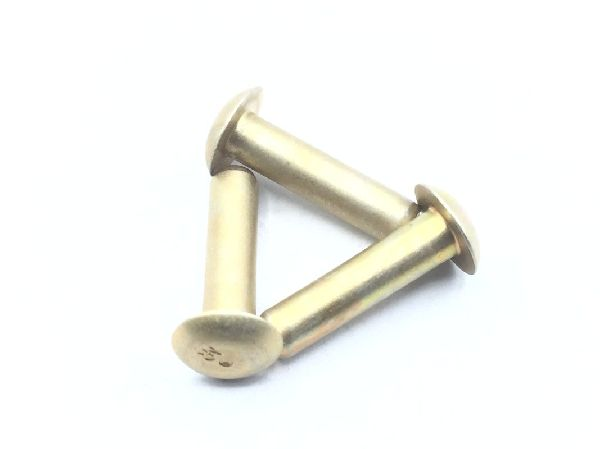
When selecting solid rivets for shipbuilding and marine applications, the primary choice often comes down to brass versus copper. For applications below the waterline or those in constant contact with saltwater, copper rivets are the superior choice due to their exceptional corrosion resistance and malleability, which ensures a watertight seal. Brass rivets, particularly marine-grade alloys like Naval Brass, offer greater tensile strength and a more cost-effective solution for above-the-waterline components, fittings, and decorative elements. The decision is critical, as the longevity and structural integrity of a marine vessel depend heavily on the resilience of its smallest components. At RivetJL.com, we understand that the right fastener is not just a part; it’s a promise of durability against the harsh marine environment. This comprehensive guide will dissect the properties, applications, and critical differences between these two essential fastening materials, empowering you to make the most informed decision for your project.
Table of Contents
- Understanding the Core Materials: A Metallurgical Primer
- The Ultimate Test: Corrosion Resistance in Marine Environments
- A Head-to-Head Comparison: Brass vs. Copper Solid Rivets
- Application-Specific Recommendations: Where to Use Each Rivet
- Beyond the Basics: Installation and Advanced Material Considerations
- Partnering with RivetJL.com for Your Marine Fastening Needs
Understanding the Core Materials: A Metallurgical Primer
To truly grasp which rivet to use, one must first understand the fundamental differences in their composition. While both are copper-based, their metallurgical properties diverge significantly, directly impacting their performance in a saltwater environment. This is not simply a matter of color; it’s a matter of chemical stability, strength, and long-term reliability.
The Purity of Copper (C110/C102): The Traditional Maritime Choice
Copper, particularly high-purity alloys like C110 (Electrolytic Tough Pitch) or C102 (Oxygen-Free), is one of the oldest and most trusted materials in shipbuilding. Its primary advantage is its exceptional natural resistance to corrosion. When exposed to saltwater, copper forms a stable, non-reactive, blue-green patina (copper sulfate). This layer adheres tightly to the surface and acts as a barrier, effectively protecting the underlying metal from further corrosion. This self-passivating quality makes it ideal for long-term immersion.
Furthermore, copper is highly malleable and ductile. This means it can be easily worked, or “peened,” during installation to form a strong, tight head that creates a waterproof seal. This is especially critical in traditional wooden boat construction for fastening planks to ribs, where the rivet must swell to fill the hole completely and provide a permanent, leak-proof joint. Its softness, however, also means it has lower tensile and shear strength compared to brass alloys.
The Alloy Advantage of Brass (Naval Brass C464): Strength and Versatility
Brass is an alloy primarily composed of copper and zinc. The addition of zinc significantly increases the material’s hardness, tensile strength, and abrasion resistance. However, this strength comes with a critical trade-off in marine environments. Not all brass is created equal. Standard “yellow brass” (e.g., C260) contains a high percentage of zinc and is highly susceptible to a form of corrosion called dezincification.
For marine applications, a specific alloy known as Naval Brass (C464) is required. This alloy contains approximately 60% copper, 39.2% zinc, and a crucial 0.8% tin. The addition of tin inhibits dezincification, drastically improving its corrosion resistance in seawater. Naval Brass offers a superior balance of strength and corrosion resistance compared to standard brass, making it a robust and more cost-effective choice than pure copper for many applications.
The Ultimate Test: Corrosion Resistance in Marine Environments
Corrosion is the single greatest adversary of any metal in the sea. Understanding how copper and brass resist—or succumb to—its various forms is the most important factor in selecting the right rivet for the job. The fight against decay happens on both a chemical and electrochemical level.
General Corrosion: How Do Copper and Brass React to Saltwater?
As mentioned, copper’s reaction to saltwater is to form a protective patina, halting further degradation. It is a predictable and reliable process. Brass, even Naval Brass, faces a more complex challenge. In dezincification, the zinc element in the alloy is preferentially leached out by the electrolytes in saltwater, leaving behind a porous, brittle, and structurally compromised copper-rich sponge. While the tin in Naval Brass mitigates this, the risk is not entirely eliminated, especially in aggressive, warm, or polluted waters over very long periods. This makes high-zinc brasses completely unsuitable for wetted surfaces or structural components.
The Critical Threat: What is Galvanic Corrosion in Shipbuilding?
Galvanic corrosion is an electrochemical reaction that occurs when two dissimilar metals are in electrical contact in the presence of an electrolyte (like saltwater). The metal that is less “noble” (more reactive) will act as the anode and corrode at an accelerated rate, while the more “noble” metal (the cathode) is protected. This is a paramount concern in shipbuilding.
Copper is a relatively noble metal. Brass, because of its zinc content, is less noble than pure copper. This means if a brass rivet is used to fasten a more noble material like a bronze (copper-tin alloy) fitting, the brass rivet will sacrifice itself and corrode rapidly to protect the bronze. Conversely, a copper rivet is much closer on the galvanic scale to bronze and many stainless steels, resulting in a much slower, more manageable rate of corrosion. Therefore, knowing all the materials being fastened together is absolutely essential to prevent catastrophic fastener failure.
Biofouling Resistance: An Often-Overlooked Benefit
Biofouling is the accumulation of marine organisms like algae, barnacles, and mollusks on submerged surfaces. Copper ions are naturally toxic to many of these organisms, giving copper and high-copper alloys inherent antifouling properties. This can reduce drag on a hull and decrease the maintenance required to keep surfaces clean. While brass also contains copper, the effect is generally more pronounced in pure copper, making it slightly more advantageous for surfaces where biofouling is a primary concern.
A Head-to-Head Comparison: Brass vs. Copper Solid Rivets
To simplify the decision-making process, this table provides a direct comparison of the key attributes for marine-grade solid rivets.
| Feature | Copper Solid Rivets (C110/C102) | Naval Brass Solid Rivets (C464) |
|---|---|---|
| Overall Corrosion Resistance | Excellent. Forms a stable, protective patina. Very low risk of destructive corrosion. | Good to Very Good. Tin content inhibits dezincification, but risk is not zero. |
| Tensile & Shear Strength | Lower. More malleable and ductile. | Higher. The zinc alloy content provides superior strength and hardness. |
| Malleability / Workability | Excellent. Easy to peen and form a watertight head without cracking. | Good. Stronger material requires more force to set and head properly. |
| Galvanic Corrosion Risk | Lower. More noble and galvanically compatible with bronze and some stainless steels. | Higher. Less noble due to zinc content; can act as a sacrificial anode if paired with more noble metals. |
| Cost | Higher. Reflects the cost of high-purity copper. | Lower. Zinc is less expensive than copper, making the alloy more economical. |
| Ideal Applications | Below waterline: hull planking, keel and rudder components, anything in constant saltwater immersion. | Above waterline: deck fittings, cabinetry, nameplates, non-structural components, areas with intermittent spray. |
Application-Specific Recommendations: Where to Use Each Rivet
With the technical differences established, the practical question remains: which rivet goes where on a vessel? The answer is dictated by location, function, and the materials being joined.
When to Specify Copper Solid Rivets
Copper solid rivets are the undisputed champion for any application where failure is not an option and saltwater exposure is constant. Their primary domain is below the vessel’s waterline. This includes securing the planks of traditional wooden boats, where their malleability allows them to be perfectly set with roves (washers) to create a tight, permanent, and waterproof fastening that moves with the wood. They are also the premier choice for attaching rudder hardware, keel components, and any sacrificial anodes where galvanic compatibility is key. Essentially, if the part will spend its life submerged in saltwater, choose copper.
When Brass Solid Rivets Are a Viable Option
Thanks to its enhanced strength and lower cost, Naval Brass finds its home above the waterline. It is an excellent choice for securing deck hardware, railings, porthole frames, and cleats where higher shear strength is beneficial and exposure to saltwater is limited to spray and washdown. Brass is also frequently used for interior joinery, cabinetry, and mounting plaques or decorative elements where its bright, golden finish is aesthetically pleasing. It’s crucial to ensure that even in these applications, you are using a certified Naval Brass (C464) and not a common yellow brass to ensure longevity and avoid unsightly corrosion and failure.
Beyond the Basics: Installation and Advanced Material Considerations
Choosing the material is only half the battle. Proper installation and awareness of even better-performing alternatives demonstrate true mastery of marine fastening.
Why Proper Rivet Installation Technique Matters
The effectiveness of a solid rivet lies in its installation. The process involves heating the rivet (in some cases), inserting it into the hole, and then forming the second head (the “shop head”) with a hammer or pneumatic tool. Copper’s ductility makes this process forgiving; it flows well under the hammer to completely fill the hole, creating a friction-fit and a clamped seal. Brass, being harder, requires more force and precision to set correctly. An improperly set brass rivet is more prone to cracking and may not form as complete a seal, potentially allowing for crevice corrosion to begin.
The Superior Alternative: Considering Copper-Nickel (Cu-Ni) Rivets
For the most demanding marine applications, there is a third option that often provides the best of both worlds: Copper-Nickel (Cu-Ni), also known as cupronickel. Alloys like 90/10 (90% copper, 10% nickel) or 70/30 offer strength comparable to or greater than brass, but with corrosion and biofouling resistance that is even superior to pure copper. Cu-Ni is exceptionally resistant to high-velocity seawater, making it the material of choice for seawater piping systems, heat exchangers, and fasteners in the most aggressive zones of a ship. While it is the most expensive of the three options, its unparalleled durability and lifespan make it the ultimate choice for critical, high-performance applications.
Partnering with RivetJL.com for Your Marine Fastening Needs
The difference between a vessel that lasts a decade and one that lasts a century can come down to the quality of its fasteners and the expertise behind their selection. Using the wrong alloy or a poorly manufactured rivet can lead to premature failure, costly repairs, and potential safety hazards. It is vital to partner with a supplier that understands the nuances of marine materials.
At RivetJL.com, we provide more than just parts; we provide solutions. Our extensive inventory includes high-quality solid rivets in Copper, Naval Brass, and Copper-Nickel, all conforming to exacting material standards. Our team of experts is ready to help you navigate the complexities of galvanic compatibility and application-specific requirements to ensure you select the perfect fastener for your project. Don’t compromise on the integrity of your vessel. Build with confidence by choosing the right materials from a trusted partner.
Ready to secure your maritime project with the highest quality rivets? Contact the experts at RivetJL.com today or browse our comprehensive selection of marine-grade fasteners.