Yes, nail screws can dramatically reduce installation time on job sites by up to 80% compared to traditional screw methods. This significant time saving is achieved by combining the high-speed, pneumatic installation of a nail gun with the superior holding power and reversibility of a screw. By allowing workers to drive threaded fasteners with the simple pull of a trigger, nail screws eliminate the slow, labor-intensive process of individually driving screws, leading to massive gains in productivity, reduced labor costs, and faster project completion without sacrificing structural integrity.
What Exactly Are Nail Screws? A Hybrid Fastening Solution
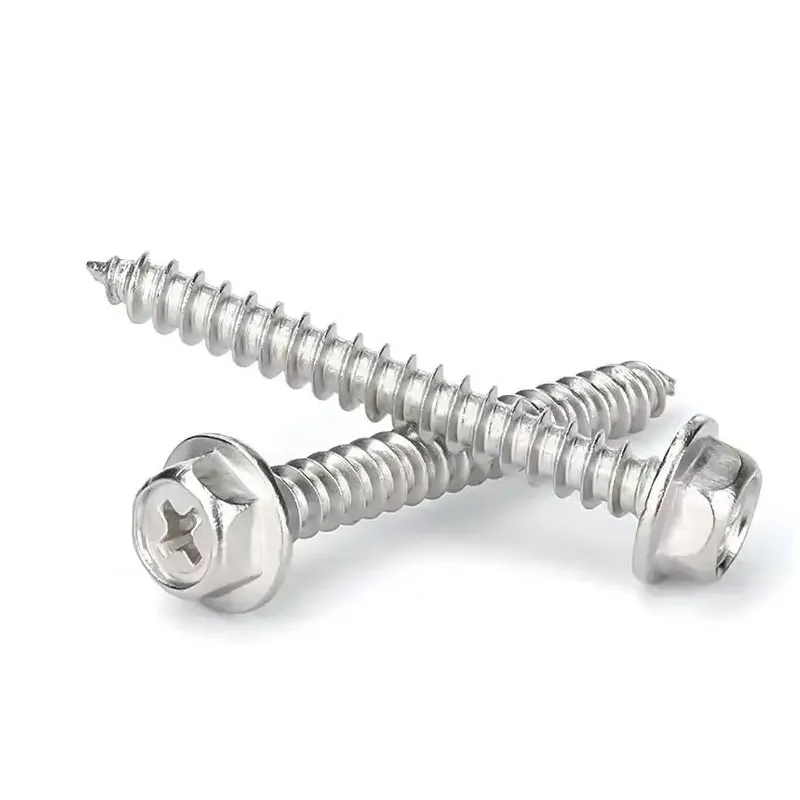
Before diving into their impact on efficiency, it’s crucial to understand what nail screws are. Often referred to as collated screws or screw-nails, these innovative fasteners represent the best of both worlds. Imagine a screw with an aggressive thread for exceptional grip and withdrawal resistance. Now, imagine that screw is designed to be collated in plastic or wire strips and driven by a pneumatic nail gun, just like a standard nail. That is the essence of a nail screw. They are engineered to be driven in rapidly but can be backed out with a standard driver bit if adjustments are needed.
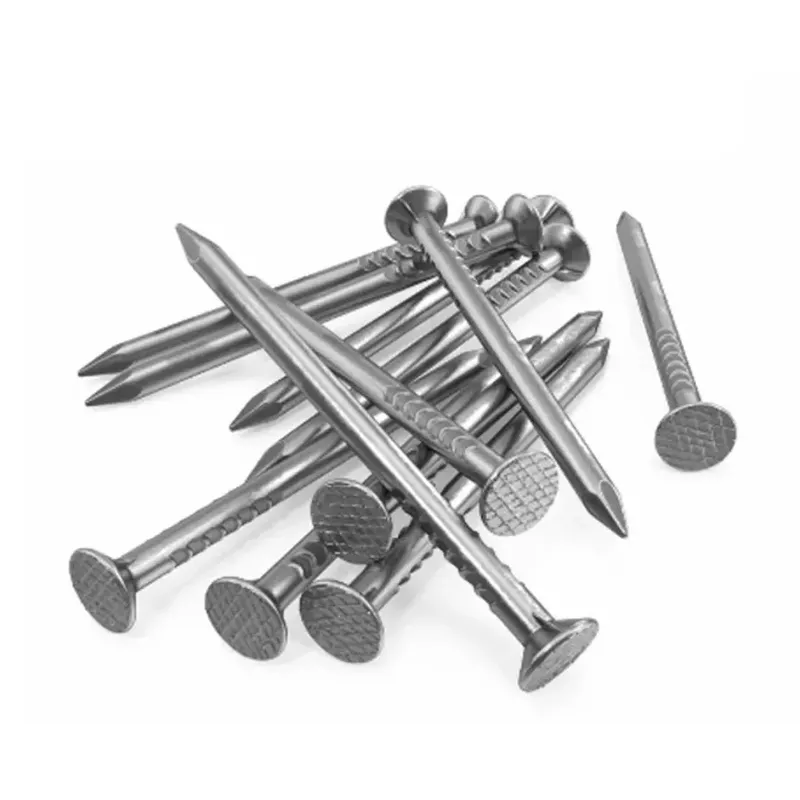
This hybrid design directly addresses the historic trade-off in construction and manufacturing: the choice between the speed of nails and the strength of screws. Nails are fast to install but have limited holding power and can lead to issues like floor squeaks or board separation over time. Traditional screws offer fantastic grip but require a slow, deliberate installation process for each fastener. Nail screws, like the high-quality options offered by RivetJL, bridge this gap, providing a solution that is both incredibly fast and exceptionally secure.
The Core Question: How Do Nail Screws Accelerate Job Site Timelines?
The claim of reducing installation time isn’t just a marketing slogan; it’s a tangible benefit rooted in the physics of the tool and the ergonomics of the process. The time savings accumulate from several key factors that fundamentally change how workers approach fastening tasks.
The Unmatched Power of Pneumatic Installation
The primary driver of speed is the installation tool. A skilled worker using an impact driver or screw gun must handle each screw individually: pick it up, place it on the bit, position it on the surface, and then drive it home. This multi-step process might take 5-10 seconds per screw. In contrast, a worker with a pneumatic gun loaded with a coil of nail screws can simply position the tool and pull the trigger, driving a fastener in less than a second. This represents a monumental increase in speed, especially on large-scale projects involving thousands of fastening points, such as subflooring, roof sheathing, or decking.
Consider the task of securing a standard 4×8 sheet of subfloor plywood. This typically requires around 50 fasteners. Using traditional screws, this could take a worker 5-8 minutes per sheet. With nail screws, the same task can be completed in under a minute. When you multiply this time saving across an entire house or commercial building, the cumulative reduction in labor hours becomes staggering, directly translating to lower costs and tighter project schedules.
Reducing Worker Fatigue and Improving Ergonomics
Productivity isn’t just about raw speed; it’s also about sustainability throughout the workday. The repetitive motion of bending, reaching, and applying downward pressure with a traditional screw gun leads to significant physical strain on the back, shoulders, and wrists. This fatigue slows workers down as the day progresses and can increase the risk of injury.
Nail screw systems are inherently more ergonomic. The pneumatic tool does most of the work, requiring only that the user position it and pull a trigger. Many systems even offer extension arms, allowing workers to install floor fasteners from a standing position. This reduction in physical exertion means workers can maintain a higher pace for longer, leading to more consistent productivity from the beginning of the day to the end. A less fatigued crew is a faster, safer, and more efficient crew.
Minimizing Rework and Costly Corrections
A key, often overlooked, benefit of nail screws is their combination of secure placement and reversibility. When using nails, a misplaced fastener is difficult to remove without damaging the wood surface, often leading to it being hammered flat or left in place, compromising quality. If a board needs to be adjusted or replaced, pulling nails is a time-consuming and destructive process.
Nail screws, however, provide the ultimate safety net. If a board is misaligned or a fastener is driven in the wrong spot, it can be easily backed out with a standard drill, just like a regular screw. This ability to make quick, clean adjustments without damaging materials or wasting time is invaluable. It ensures that quality is maintained at high speed, reducing the need for time-consuming rework and punch-list corrections at the end of a project.
A Head-to-Head Comparison: Nail Screws vs. Traditional Fasteners
To truly appreciate the value proposition, it’s helpful to see a direct comparison across the most critical metrics for any construction professional. This table breaks down the key differences between nail screws, traditional screws, and standard nails.
| Feature | Nail Screws | Traditional Screws | Standard Nails |
|---|---|---|---|
| Installation Speed | Excellent (Pneumatically driven, fastest method) | Poor (Individually driven, slowest method) | Excellent (Pneumatically driven, very fast) |
| Holding Power / Withdrawal Resistance | Excellent (Threaded design provides strong grip) | Excellent (The benchmark for holding power) | Fair (Relies on friction, prone to backing out) |
| Reversibility / Adjustability | Excellent (Easily backed out with a driver bit) | Excellent (Designed for easy removal) | Poor (Difficult and often destructive to remove) |
| Reduces Squeaks & Movement | Excellent | Excellent | Poor |
| Upfront Material Cost | Moderate | Moderate-High | Low |
| Total Installed Cost (Labor + Materials) | Lowest | Highest | Low-Moderate |
Where Do Nail Screws Shine? Top Applications for Maximum Time Savings
While versatile, nail screws deliver the most significant return on investment in applications that require both strength and a high volume of fasteners. These are the areas where the time savings are most pronounced.
Subflooring and Sheathing
This is arguably the number one application for nail screws. The traditional method of gluing and screwing subfloors is incredibly time-consuming. Using nails is faster but is the leading cause of floor squeaks as the wood expands and contracts, causing the smooth nail shanks to loosen. Nail screws provide the perfect solution: they are installed as fast as nails but their threads lock the subfloor to the joists, virtually eliminating the potential for squeaks. The time saved here alone can trim days off a residential construction schedule.
Decking and Exterior Structures
Securing deck boards is another labor-intensive task. Nail screws allow builders to rapidly fasten decking with the confidence that the boards will stay put. The superior holding power is critical in exterior applications where wood is subject to extreme temperature and moisture fluctuations. Furthermore, the ability to easily remove a screw to replace a damaged board years down the line is a major long-term maintenance advantage over nails.
Crating, Pallet Assembly, and Manufacturing
In any manufacturing or industrial setting where wood structures are assembled, speed is money. Nail screws are ideal for building shipping crates, custom pallets, and furniture frames. They provide the structural rigidity needed to protect goods in transit while dramatically speeding up the assembly line. For companies producing hundreds or thousands of units, the switch from manual screwing to pneumatic nail screws can revolutionize production capacity and labor efficiency.
Choosing the Right Tools and Fasteners for the Job
To unlock the time-saving benefits of nail screws, you must pair the right fastener with the right tool. It is not enough to simply buy any collated screw; you need a system designed to work together. This means investing in a high-quality pneumatic nail screw gun that is compatible with the specific collation type (e.g., wire or plastic) of your chosen fasteners. Compatibility is key to preventing jams and ensuring consistent, trouble-free operation.
Furthermore, the quality of the fastener itself matters. At RivetJL, we emphasize the importance of using nail screws with robust threading, durable coatings for corrosion resistance (especially for exterior use), and a strong head that can withstand both pneumatic driving and later removal. A cheap, poorly made fastener can fail during installation or corrode prematurely, negating all the benefits of the system. Investing in a reliable system from a trusted supplier ensures that the time you save on the job site isn’t lost to equipment failure or product defects.
The Verdict: Are Nail Screws the Future of High-Speed, High-Strength Fastening?
For any professional contractor, builder, or manufacturer, time is the most valuable resource. The evidence is clear: nail screws are a game-changing technology that directly and significantly reduces installation time on job sites. By offering the installation speed of a nail and the performance of a screw, they solve a fundamental dilemma in construction. They allow crews to work faster, with less fatigue, and with a higher degree of quality control.
While the upfront cost per fastener may be slightly higher than that of a traditional nail, the massive reduction in labor costs results in a lower total installed cost and a faster path to project completion. By strategically implementing nail screws in high-volume applications like subflooring, decking, and sheathing, you are not just buying a fastener; you are investing in a more efficient, profitable, and higher-quality construction process. For professionals looking to gain a competitive edge, embracing the speed and power of nail screws is no longer an option—it’s a necessity.