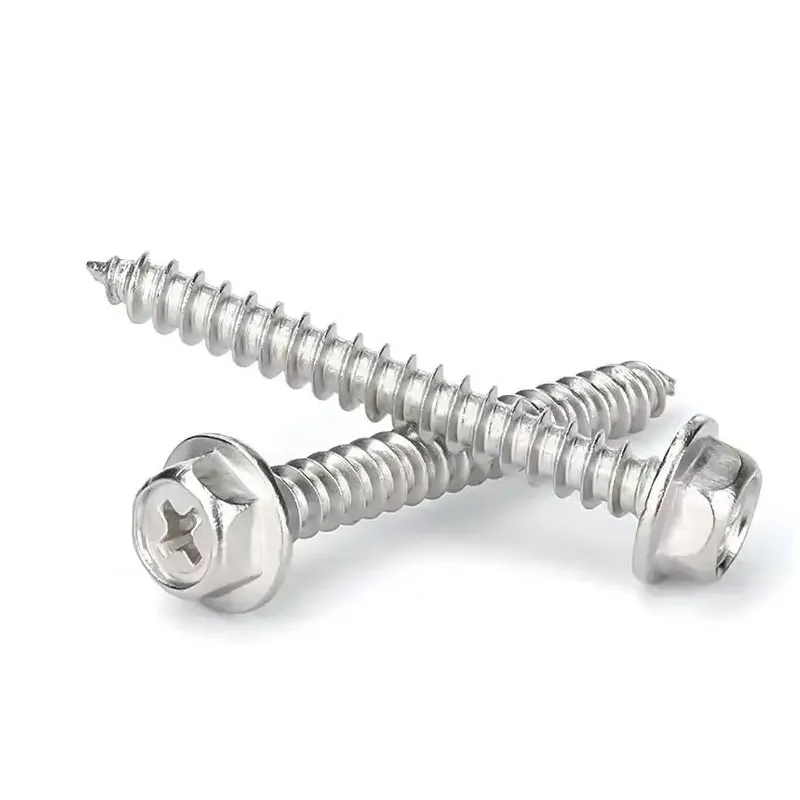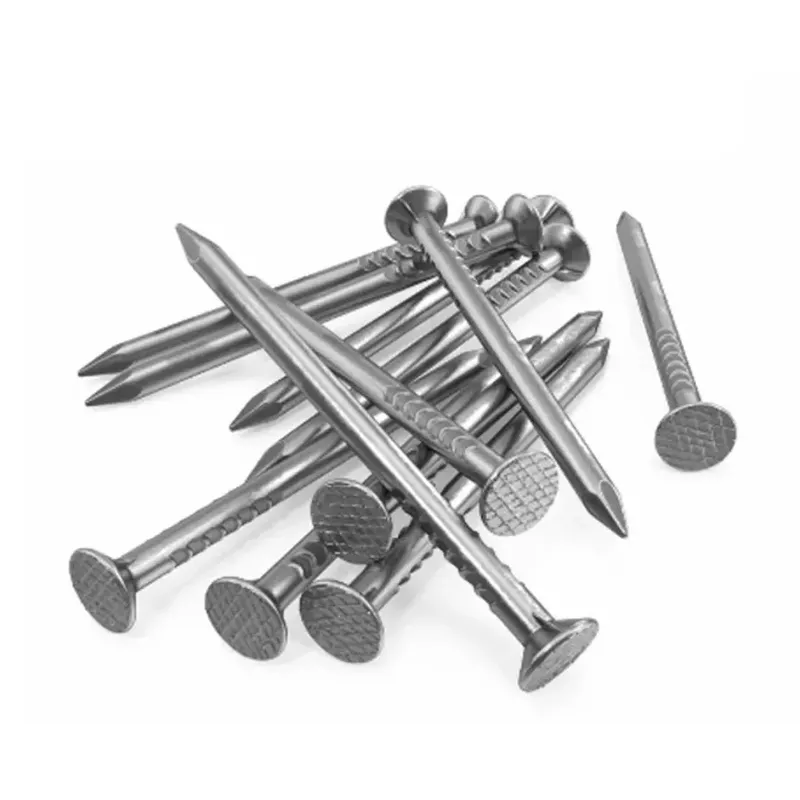
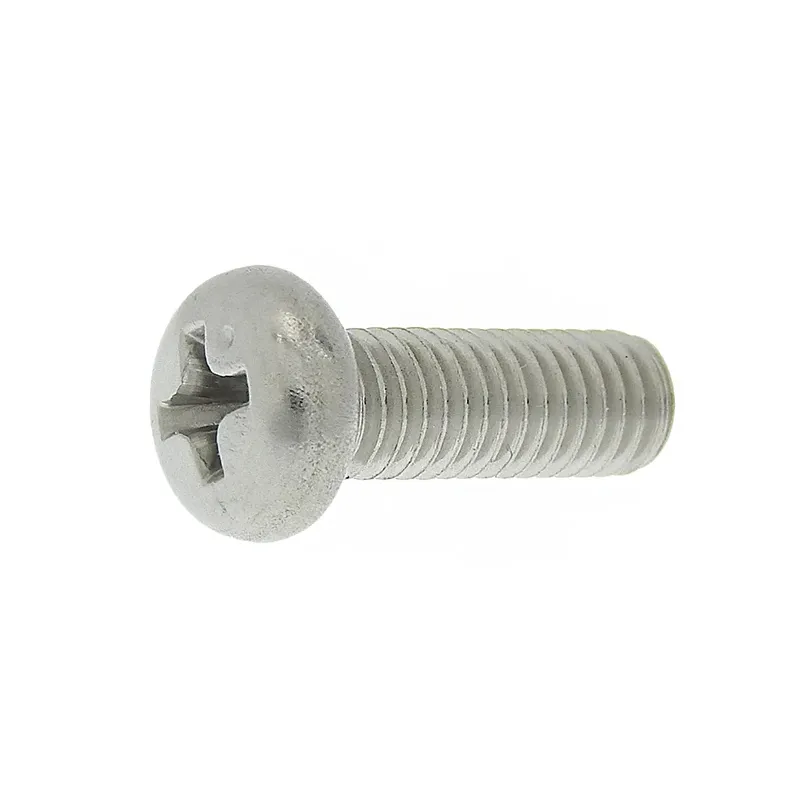
When selecting a fastening solution for automotive assembly, the choice between rivets and bolts is critical, with the right answer depending entirely on the specific application’s demands for load type, vibration resistance, accessibility, and serviceability. Rivets are the superior choice for applications requiring high shear strength and permanent, vibration-proof joints, such as vehicle frames and body panels. In contrast, bolts are unmatched for their high tensile strength, precise clamping force, and removability, making them essential for engine components, suspension systems, and any part that requires regular maintenance or replacement. This guide will provide a comprehensive comparison to help you make an informed engineering decision for your assembly line.
Table of Contents
- Understanding the Fundamentals: What Differentiates a Rivet from a Bolt?
- Head-to-Head Comparison: Key Decision Factors for Automotive Engineers
- Automotive Applications: Where to Use Rivets and Bolts on a Vehicle
- Beyond the Basics: Advanced Considerations for Optimal Fastening
- Making the Right Choice: A Partner in Manufacturing Excellence
- Frequently Asked Questions (FAQ)
- Conclusion: The Right Fastener for a Reliable Future
Understanding the Fundamentals: What Differentiates a Rivet from a Bolt?
At a glance, rivets and bolts might seem like simple hardware, but they operate on fundamentally different principles. Understanding this core difference is the first step in selecting the correct fastener for a high-performance, safety-critical automotive environment. One creates a permanent, forged bond, while the other provides a strong, yet reversible, mechanical lock.
What is a Rivet? A Permanent Bond Forged in Place
A rivet is a permanent mechanical fastener that consists of a smooth, cylindrical shaft with a head on one end. During installation, the plain end, known as the tail, is inserted through pre-drilled holes in the parts to be joined. The tail is then upset, or bucked, to form a second head (the “shop head”), which permanently and securely clamps the parts together. This process, known as riveting, causes the rivet shank to swell, completely filling the hole. This tight fit is what gives rivets their exceptional strength in resisting shear forces—forces that try to slide the joined plates past one another.
Key types used in the automotive industry include:
- Solid Rivets: The traditional, strongest type, requiring access to both sides for installation.
- Blind Rivets (Pop Rivets): Ideal for situations where only one side of the assembly is accessible. A mandrel is pulled to deform the rivet body, creating the second head.
- Self-Piercing Rivets (SPRs): A modern, high-speed solution used in automated assembly. SPRs pierce the top layer of material and flare into the bottom layer without requiring a pre-drilled hole, making them perfect for joining dissimilar materials like aluminum and steel.
What is a Bolt? The Versatile, Removable Fastener
A bolt is a threaded fastener designed to be used with a matching nut. It functions by passing through unthreaded holes in the assembly components and being secured by the nut. As the nut is tightened, the bolt is stretched, creating a significant clamping force that presses the joined materials together. This clamping force, or preload, is what gives a bolted joint its strength, primarily in tension (forces trying to pull the joint apart). The friction generated by this clamping force also provides resistance to shear forces.
Common automotive bolt types include:
- Hex Bolts: The most common type, featuring a six-sided head for easy tightening with a wrench.
- Flange Bolts: Feature a built-in washer under the head to distribute the clamping load over a wider area, eliminating the need for a separate washer.
- Torque-to-Yield (TTY) Bolts: Single-use bolts designed to be tightened beyond their elastic limit into their plastic region, providing very precise and high clamping forces. They are commonly used for critical applications like engine cylinder heads.
Head-to-Head Comparison: Key Decision Factors for Automotive Engineers
Choosing between rivets and bolts requires a careful analysis of multiple engineering and manufacturing factors. A fastener that excels in one area may be a poor choice in another. The following table and detailed breakdown compare these two solutions across the most critical parameters for automotive design.
| Factor | Rivets | Bolts & Nuts |
|---|---|---|
| Primary Load Strength | Excellent in Shear | Excellent in Tension |
| Vibration Resistance | Excellent; permanent joint does not loosen. | Fair to Good; can loosen without locking mechanisms. |
| Reusability | No; permanent fastener that must be destroyed to remove. | Yes; can be removed and reinstalled (except TTY bolts). |
| Installation Speed | Very Fast (especially automated SPRs). | Slower; requires aligning, threading, and torquing. |
| Accessibility Required | One side (Blind Rivets) or both sides (Solid Rivets). | Typically both sides (one for bolt head, one for nut). |
| Inspection | Visual inspection of formed head. | Requires torque wrench to verify proper clamping force. |
| Weight | Generally Lighter. | Generally Heavier (bolt + nut + washers). |
| Total Installed Cost | Lower labor and fastener cost in high-volume production. | Higher labor cost, but lower capital equipment cost for low volume. |
Strength and Load Dynamics: Shear vs. Tensile Forces
The most crucial distinction lies in how each fastener handles loads. A riveted joint’s strength comes from its shank completely filling the hole, creating a solid pin that powerfully resists shear forces. This makes rivets ideal for applications like chassis frames, where the primary forces try to slide connected plates apart. Conversely, a bolted joint derives its strength from the immense clamping force generated when the bolt is properly torqued. This tension creates friction between the plates, which resists shear, but more importantly, it makes the joint incredibly strong against tensile forces that try to pull it apart. This is why bolts are non-negotiable for securing components like engine cylinder heads, which must contain immense combustion pressures.
The Vibration Challenge: Which Fastener Stays Tight?
Automotive environments are defined by constant vibration from the engine, road surfaces, and airflow. Here, rivets have a natural advantage. As a permanent, solid-state joint, a properly installed rivet has no threaded parts to loosen over time. It is a single, unified component. Bolts, on the other hand, are susceptible to loosening under cyclic loading and vibration. This risk must be mitigated through engineering solutions such as lock washers, nylon insert nuts (nyloc), thread-locking compounds (e.g., Loctite), or by achieving the correct preload (bolt stretch), which is the most effective method. For “set-and-forget” structural components, the inherent stability of a rivet is often preferred.
Assembly Line Realities: Installation, Speed, and Cost
In high-volume automotive manufacturing, cycle time is paramount. Modern riveting technologies, especially robotic-arm-mounted Self-Piercing Rivet (SPR) systems, are incredibly fast, capable of setting a rivet in a matter of seconds without pre-drilling. This dramatically increases throughput on the assembly line. Bolting is inherently a slower, multi-step process involving aligning holes, inserting the bolt, placing the nut, and tightening to a precise torque specification. While the per-unit cost of a bolt and nut might be low, the total installed cost—factoring in labor time and complexity—can be higher than riveting in an automated environment. However, for repairs or low-volume production, bolting requires less specialized and expensive equipment than automated riveting systems.
Automotive Applications: Where to Use Rivets and Bolts on a Vehicle
The modern vehicle is a complex puzzle of different materials and components, each with unique fastening requirements. A tour of a typical car reveals a clear and logical division of labor between rivets and bolts, dictated by the principles of load, serviceability, and material compatibility.
Prime Applications for Rivets in Modern Vehicles
Rivets are the unsung heroes of a vehicle’s core structure, prized for their strength, permanence, and manufacturing efficiency.
- Chassis and Frame Assembly: In both traditional ladder frames for trucks and modern unibody structures, rivets (especially SPRs) are used to join structural members. Their shear strength is critical for maintaining the integrity of the vehicle’s skeleton during cornering and impacts.
- Body Panels (“Body in White”): SPRs have revolutionized the joining of aluminum body panels to high-strength steel frames. This cold-joining process avoids the heat and distortion of welding, preserving the properties of advanced materials and enabling the mixed-material construction essential for lightweighting.
- Brackets and Interior Components: In less structurally critical areas, blind (pop) rivets are used extensively to attach brackets, mounting plates, and interior trim panels, especially in locations where access is limited to one side.
When Bolts are the Non-Negotiable Choice
The defining characteristic of bolted joints is serviceability. Anywhere a component may need to be inspected, adjusted, or replaced during the vehicle’s life, bolts are the mandatory choice.
- Engine and Drivetrain Components: The engine block, cylinder head, transmission housing, and differential are all assembled with high-strength bolts. These components are subjected to extreme tensile loads and temperatures, and they must be disassembled for servicing or rebuilding.
- Suspension and Steering Systems: Control arms, shock absorbers, steering knuckles, and tie rods are all secured with bolts and nuts. These are safety-critical joints that require precise clamping force and must be removable for alignment adjustments and wear-item replacement (e.g., ball joints, bushings).
- Wheels and Brakes: The most obvious example is the use of lug nuts or lug bolts to attach wheels. Brake calipers are also bolted to the steering knuckle. The need for frequent removal for tire and brake service makes bolts the only logical option.
Beyond the Basics: Advanced Considerations for Optimal Fastening
The decision between rivets and bolts extends beyond simple mechanics. In the context of cutting-edge automotive design, factors like material science and thermodynamics play a crucial role.
The Impact of Materials: Lightweighting and Mixed-Material Joining
The drive for fuel efficiency and electric vehicle (EV) range has led to an explosion in the use of lightweight materials like aluminum, magnesium, and carbon fiber composites alongside advanced high-strength steels (AHSS). Joining these dissimilar materials presents a major challenge. Welding aluminum to steel is difficult and often impractical in a production setting. This is where mechanical fasteners like SPRs and Flow Drill Screws (FDS) shine, as they can create strong joints without high heat, preventing galvanic corrosion and preserving the materials’ structural properties.
The Hidden Factor: Thermal Expansion and Contraction
Automotive components experience a wide range of temperatures, from a cold start in winter to the high heat of an engine bay. Different materials expand and contract at different rates (a property known as the coefficient of thermal expansion). A well-designed bolted joint, with its inherent elasticity, can accommodate this movement. In contrast, a rigid riveted joint between two materials with very different expansion rates (e.g., an aluminum bracket on a steel frame) could build up significant internal stress over time, potentially leading to fatigue failure. This must be carefully considered during the design phase.
The Future of Automotive Joining: Are Rivets and Bolts Here to Stay?
While rivets and bolts remain foundational, the future of automotive assembly lies in a hybrid approach. Structural adhesives are increasingly used in conjunction with rivets or bolts. The adhesive distributes stress over a wider surface area and seals the joint, while the mechanical fasteners provide initial clamping force and prevent peeling at the edges. This technique, known as “weld-bonding” or “rivet-bonding,” creates joints that are often stronger and stiffer than either method could achieve alone. Fasteners are not being replaced, but rather integrated into more sophisticated, multi-faceted joining systems.
Making the Right Choice: A Partner in Manufacturing Excellence
The selection of a fastening method is not an isolated decision; it is deeply interconnected with part design, material selection, and the entire manufacturing workflow. The geometry of a component must accommodate the chosen fastener, whether that means designing a robust boss for a bolt or ensuring a flat, accessible surface for a rivet head. An incorrect choice can lead to assembly line bottlenecks, compromised performance, or premature failure in the field.
At rivetjl, our expertise in precision injection molding and manufacturing goes beyond simply creating a part to print. We understand the context in which our components will be used. Our design-for-manufacturability (DFM) process considers how a part will integrate into a larger assembly. We ensure that features like bosses for threaded inserts are robust, that surfaces are optimized for riveting or adhesive bonding, and that material choices are compatible with the intended joining technology. Partnering with a manufacturer who understands this bigger picture ensures a seamless transition from component production to final assembly, saving you time, reducing costs, and resulting in a more reliable final product.
Frequently Asked Questions (FAQ)
Are rivets stronger than bolts?
This is a common question with a nuanced answer. Rivets are generally stronger in shear, while bolts are stronger in tension. A rivet’s shank swells to fill the entire hole, making it highly resistant to forces trying to slice it in half. A properly torqued bolt creates a massive clamping force, making it superior at resisting forces that try to pull the joint apart. Therefore, neither is “stronger” overall; their strength is specific to the type of load they are designed to handle.
Can you replace a rivet with a bolt in a car frame?
While physically possible, it is generally not recommended without a thorough engineering analysis. A car frame is designed with the shear strength of rivets in mind. Replacing a rivet with a standard bolt of the same diameter may not provide the same shear resistance, as bolts are typically slightly smaller than the holes they pass through. If a replacement is necessary, it should be done using special, high-strength structural bolts (like Grade 8 or higher) that are properly torqued to create sufficient clamping friction to resist shear, but consulting a professional automotive engineer or frame specialist is advised.
Why do airplanes use rivets instead of bolts?
Airplanes primarily use rivets for two main reasons: excellent shear strength and superior performance under vibration and fatigue. The skin of an aircraft is subjected to immense shear stress from aerodynamic forces. Rivets handle this load profile perfectly. Furthermore, their permanent, solid nature makes them highly resistant to loosening from the constant vibration of flight, which is a critical safety factor. Their lighter weight compared to an equivalent number of bolts and nuts also contributes to fuel efficiency.
What are self-piercing rivets (SPRs) and why are they so common now?
Self-piercing rivets (SPRs) are a type of rivet that can join two or more layers of material without a pre-drilled hole. The rivet is driven with high force, piercing the top layer(s) and flaring out in the bottom layer to form a strong mechanical interlock. They have become extremely common in modern automotive manufacturing because they are incredibly fast and are the ideal solution for joining dissimilar materials, like aluminum to steel, which are difficult to weld. This cold process preserves the properties of the metals and is essential for building lightweight, multi-material vehicle bodies.
Conclusion: The Right Fastener for a Reliable Future
The debate of rivets vs. bolts in automotive assembly has no single winner. Instead, it’s a matter of selecting the right tool for the right job. Rivets offer a permanent, vibration-proof, and cost-effective solution for high-shear structural applications, forming the backbone of the vehicle. Bolts provide the indispensable clamping force and serviceability required for powertrain, suspension, and other maintainable systems. The optimal choice always hinges on a detailed analysis of load paths, material properties, service requirements, and manufacturing processes. By understanding the fundamental strengths and weaknesses of each, engineers can design and build vehicles that are safer, more efficient, and more reliable than ever before.