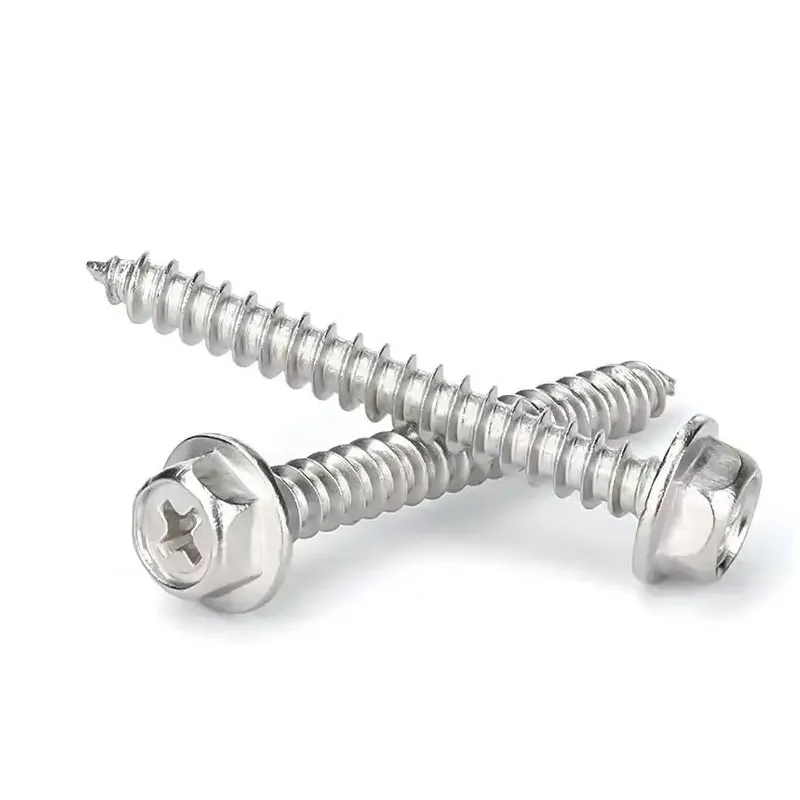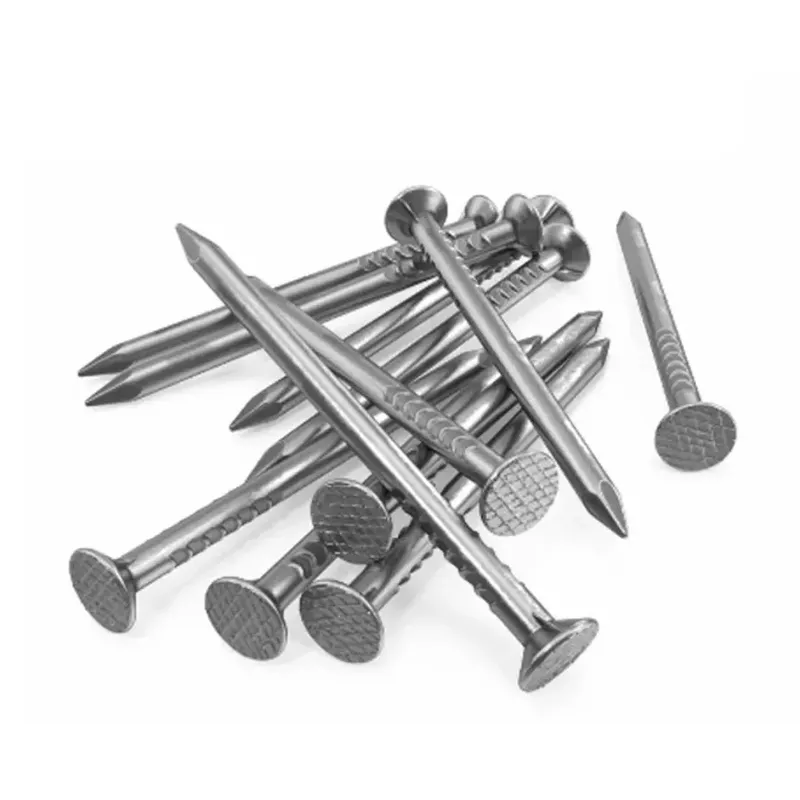
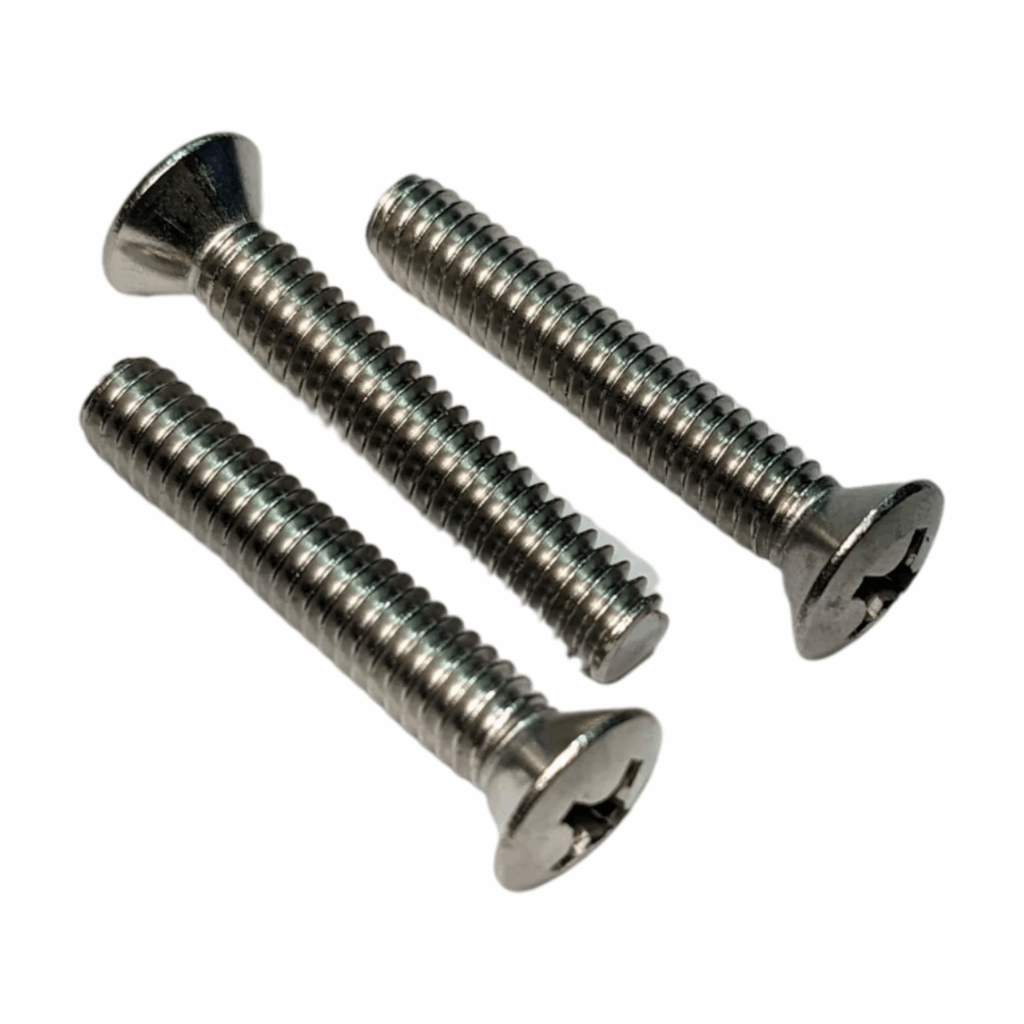
For ensuring long-term, stable Electromagnetic Interference (EMI) shielding in high-frequency 5G base stations, rivets often outperform traditional screws due to their permanent, vibration-resistant bond that maintains consistent surface pressure and a reliable electrical grounding path. While screws offer the crucial advantage of serviceability, their tendency to loosen over time from thermal cycling and mechanical vibration can compromise the integrity of the EMI shield, creating gaps that lead to signal leakage and interference. Therefore, the optimal choice requires a careful evaluation of shielding performance versus maintenance requirements for a specific application.
The rollout of 5G technology has introduced unprecedented data speeds and connectivity, but it operates at much higher frequencies than previous generations. This makes 5G equipment, particularly base stations, highly sensitive to and a potential source of EMI. Effective shielding is not just a design feature; it is a critical requirement for regulatory compliance and reliable network performance. At the heart of this shielding are the mechanical components that hold the enclosure together, and the debate between using rivets and screws is more important than ever.
Table of Contents
- What is EMI Shielding and Why is it Crucial for 5G?
- The Role of Fasteners in an EMI Shielding Strategy
- Analyzing Traditional Screws for EMI Shielding
- Examining Rivets as a Superior Shielding Solution
- Head-to-Head Comparison: Rivets vs. Screws for 5G Applications
- What Factors Should Influence Your Fastener Choice?
- The rivetjl Perspective: Precision in Every Component
- Conclusion: Making the Right Choice for Optimal 5G Performance
- Frequently Asked Questions (FAQ)
What is EMI Shielding and Why is it Crucial for 5G?
Electromagnetic Interference (EMI) is an unwanted disturbance, or “noise,” generated by an external source that affects an electrical circuit through electromagnetic induction, electrostatic coupling, or conduction. In the context of telecommunications, EMI can degrade signal quality, corrupt data, and even cause complete system failure. A 5G base station is a dense environment of high-power, high-frequency electronics, making it both a potent source of EMI and highly susceptible to it.
The higher frequency bands used by 5G (such as millimeter waves) have shorter wavelengths, which means that even tiny gaps or imperfections in an electronic enclosure can act as *slot antennas*, allowing RF energy to leak in or out. Effective EMI shielding involves creating a Faraday cage around sensitive electronics—a continuous, conductive barrier that blocks external fields and contains internal ones. This is why the choice of every component, down to the last fastener, is critical. A compromised shield can lead to dropped calls, reduced data throughput, and interference with other critical services like aviation or medical equipment.
The Role of Fasteners in an EMI Shielding Strategy
Fasteners like screws and rivets do more than just provide structural integrity; in an EMI shielding context, they are essential electrical components. Their primary functions are to ensure continuous, low-impedance metal-to-metal contact between enclosure panels and to maintain a solid connection to the chassis ground.
Maintaining a Continuous Ground Path
A fundamental principle of EMI shielding is to create a low-impedance path for stray currents to flow to ground. Fasteners are a key part of this path. They must securely clamp panels together, often with an EMI gasket in between, ensuring that the electrical conductivity across the seam is as close as possible to that of the solid metal. Any looseness or corrosion at the fastener point can increase impedance, disrupting the ground path and turning the enclosure seam into a source of RF leakage.
Preventing Gaps and Slot Antennas
As mentioned, small gaps in an enclosure can become unintentional antennas at 5G frequencies. Fasteners must provide a consistent and sufficient clamping force to prevent such gaps from forming along the seams of an enclosure. This force must be maintained throughout the product’s operational life, despite challenges like mechanical vibration from cooling fans or wind, and thermal expansion and contraction from daily temperature cycles.
Analyzing Traditional Screws for EMI Shielding
Screws are the default choice for many electronic assemblies due to their familiarity, low cost, and, most importantly, their serviceability. They allow for easy disassembly and reassembly, which is vital for maintenance, repairs, and upgrades.
Advantages of Screws: The Case for Serviceability
The primary benefit of using screws in a 5G base station is the ability to access internal components. If a power supply fails or a board needs to be upgraded, a technician can simply unscrew a panel. This *repairability* is a significant factor in the total cost of ownership and product lifecycle management. Furthermore, a wide variety of screws are available, including those with special conductive coatings and locking features designed to enhance their EMI shielding performance.
Disadvantages of Screws: The Shielding Weaknesses
Despite their flexibility, screws have inherent weaknesses regarding long-term EMI shielding. The most significant issue is vibration-induced loosening. Over time, micro-vibrations can cause a screw to back out, reducing its clamping force. This creates a microscopic gap, increasing the impedance of the ground path and potentially forming a slot antenna. Another issue is *inconsistent torque*. Over-tightening can damage the enclosure or gasket, while under-tightening provides insufficient clamping force from the start. This variability in installation makes performance unpredictable. Finally, repeated assembly and disassembly can wear down the threads, further degrading the quality of the connection.
Examining Rivets as a Superior Shielding Solution
Rivets, particularly blind rivets used in electronics, create a permanent mechanical joint. Once installed, they are not designed to be removed. This permanence is their greatest strength when it comes to EMI shielding.
How Rivets Create a Superior EMI Seal
When a rivet is installed, it is compressed to expand and fill the hole, creating a 360-degree, high-pressure, metal-to-metal contact. This process provides an extremely reliable and **consistent clamping force** that is not dependent on operator torque. Because the joint is permanent and mechanically locked, it is highly resistant to loosening from vibration and thermal cycling. This ensures that the low-impedance electrical path across the seam remains stable and intact for the entire life of the product. The result is a more predictable and durable EMI shield that you can “set and forget.”
Types of Rivets Used in Electronics
Several types of rivets are suitable for electronics and 5G base stations. Blind rivets are common as they can be installed from one side of the workpiece. For enhanced electrical performance, rivets made from conductive materials like aluminum or copper alloys, often with a conductive plating like tin or nickel, are used. In precision applications, self-clinching fasteners (like PEM® studs and nuts) can also be considered, as they are permanently pressed into sheet metal and provide a secure, non-loosening attachment point that mimics the stability of a rivet while allowing a screw to be used for a removable panel.
Head-to-Head Comparison: Rivets vs. Screws for 5G Applications
To clarify the decision-making process, let’s compare these two fastening solutions across several key criteria relevant to 5G base station design.
| Feature | Rivets | Traditional Screws |
|---|---|---|
| Initial EMI Shielding Effectiveness | Excellent. Provides a uniform, high-pressure 360° contact for a very low-impedance path. | Good to Excellent. Highly dependent on proper torque, surface preparation, and screw design. |
| Long-Term Stability & Reliability | Excellent. Highly resistant to vibration and thermal cycling, ensuring the shield does not degrade over time. | Fair to Poor. Susceptible to loosening, which compromises the shielding effectiveness over the product’s life. |
| Vibration Resistance | Excellent. The permanent mechanical lock prevents any loosening. | Poor. Prone to backing out unless locking washers, thread-locking compounds, or specialized locking screws are used. |
| Installation Consistency | Very High. The clamping force is determined by the rivet and tool, not operator judgment. | Low to Medium. Highly dependent on the operator’s skill and the accuracy of the torque tool. |
| Serviceability / Repairability | Poor. The joint is permanent and must be drilled out for removal, which can damage the enclosure. | Excellent. Allows for easy and non-destructive disassembly and reassembly. |
| Assembly Speed | High. Installation with a pneumatic or electric tool is extremely fast. | Medium. Can be fast but often requires more careful handling and torque control. |
What Factors Should Influence Your Fastener Choice?
The best choice is not universal; it is application-specific. An engineer must ask, “What is the priority for this specific joint?” Here are the key factors to consider:
Application: Structural vs. Access Panels
This is the most critical question. For permanent structural panels that form the main body of the base station and are never intended to be removed, **rivets are the clear engineering choice** for superior and reliable EMI shielding. For access doors, removable power supply units, or filter panels that require periodic maintenance, **screws are non-negotiable** for their serviceability.
Environmental Conditions (Vibration, Temperature)
If the base station will be located in a high-vibration environment—such as on a rooftop with large HVAC units, near a railway, or on a tower subject to high winds—the risk of screw loosening increases dramatically. In these scenarios, rivets should be prioritized for all permanent joints to ensure long-term network stability.
Product Lifecycle and Maintenance Strategy
Consider the intended lifecycle of the product. Is it designed to be a sealed, field-replaceable unit, or is it designed for component-level repair in the field? A “replace, don’t repair” strategy favors the reliability and lower assembly cost of rivets. A strategy built around field serviceability necessitates the use of screws in accessible areas.
Material and Plating Considerations
Regardless of the fastener type, material compatibility is essential to prevent galvanic corrosion, which can degrade the electrical connection over time. The fastener and enclosure materials should be close on the galvanic scale, and conductive platings (like tin, zinc, or nickel) should be used to ensure a durable, low-resistance connection.
The rivetjl Perspective: Precision in Every Component
While the debate between rivets and screws is one of design choice, the effectiveness of either solution relies entirely on the precision of the components they are joining. At rivetjl, we specialize in high-precision mold manufacturing for complex electronic enclosures and components. We understand that for an EMI shield to be effective, the dimensional accuracy of every panel, the flatness of every mating surface, and the precise location of every fastener hole are paramount.
Whether your design calls for the permanent reliability of rivets or the serviceability of screws, our expertise in creating molds with micron-level tolerances ensures that your components fit together perfectly. This perfect fit minimizes gaps, ensures uniform gasket compression, and provides a solid foundation for any fastening strategy to succeed. A well-designed fastener can only perform as well as the parts it holds together, and that is where our commitment to precision engineering provides immense value to our clients in the telecommunications industry.
Conclusion: Making the Right Choice for Optimal 5G Performance
In the final analysis, there is no single winner in the battle of rivets versus screws for 5G base station EMI shielding. Instead, a hybrid approach is often the most effective strategy. **Use rivets for permanent, structural joints to create a robust and stable foundation for your EMI shield that will never degrade due to vibration.** At the same time, **use high-quality, properly torqued screws with appropriate locking features for all panels and components that require service access.** By understanding the strengths and weaknesses of each and applying them strategically, engineers can design 5G base stations that are both highly reliable from a performance standpoint and practical from a maintenance perspective.
Frequently Asked Questions (FAQ)
1. Can you use thread-locking compounds like Loctite on screws to improve EMI shielding?
Yes, using a thread-locking compound can significantly improve the vibration resistance of screws, helping them maintain torque and clamping force. However, it’s crucial to use a conductive grade of thread-locker if the screw threads themselves are part of the electrical ground path. Non-conductive compounds could insulate the screw, increasing impedance and worsening shielding performance.
2. Are self-tapping screws a good option for grounding and shielding?
Generally, no. Self-tapping screws are designed for fast assembly but can be problematic for EMI shielding. The process of cutting threads can create metal shavings and damage protective coatings, leading to corrosion. Furthermore, they often provide less-than-ideal surface contact and are more prone to loosening than machine screws threaded into a nut or a tapped hole.
3. How does fastener spacing affect EMI shielding?
Fastener spacing is critically important. The general rule is that the distance between fasteners should be no more than 1/20th of the wavelength of the highest frequency you are trying to shield against. For 5G’s high frequencies, this means fasteners must be placed much closer together than in lower-frequency applications to prevent gaps from opening up between them and acting as slot antennas.