Imagine building a magnificent bridge, a towering skyscraper, or even a simple outdoor deck. You invest in strong beams, durable concrete, and expert craftsmanship. But what about the tiny, yet mighty, fasteners holding it all together? If those fasteners can’t stand up to the elements, your entire structure is at risk! That’s why corrosion-resistant rod studs are not just an option, but a necessity for any outdoor construction project.
Corrosion-resistant rod studs are indispensable for outdoor construction projects because they are specifically designed to withstand the damaging effects of moisture, humidity, rain, snow, UV radiation, and atmospheric pollutants. By preventing rust and material degradation, these studs ensure the long-term structural integrity, safety, and aesthetic appeal of buildings, bridges, and other outdoor infrastructure, significantly reducing maintenance costs and extending service life.
From the relentless assault of rain and humidity to the corrosive bite of industrial pollution or coastal salt spray, outdoor environments are brutal on metals. This article will dive into why choosing the right corrosion-resistant rod studs is crucial, explore the best materials and coatings for the job, and show you how these unsung heroes keep our outdoor structures safe and sound for decades.
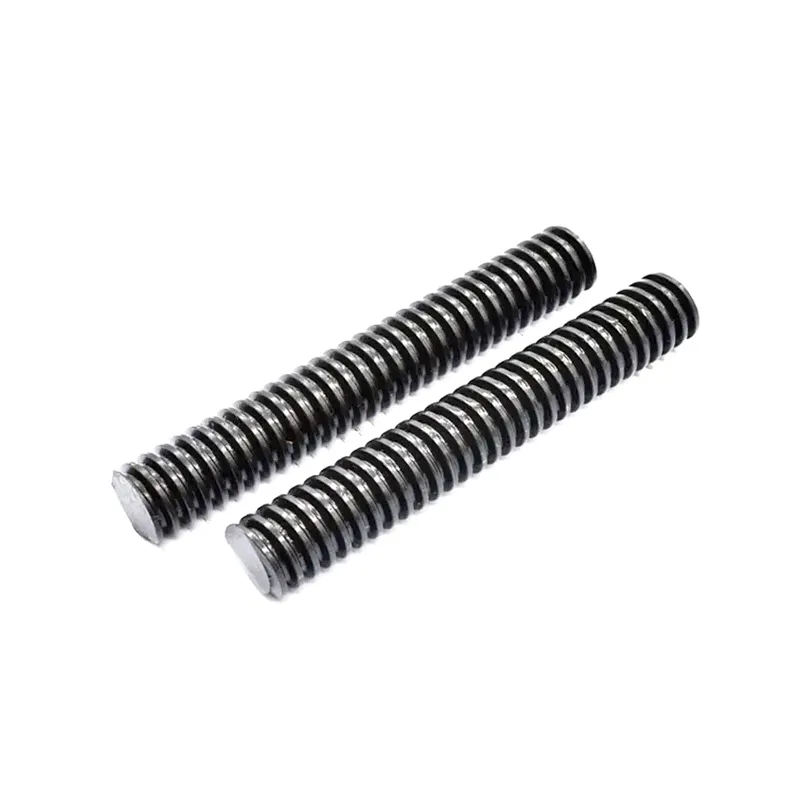
Table of Contents
- Why Corrosion is a Major Threat in Outdoor Construction
- Stainless Steel Rod Studs: The Go-To for Durability
- Galvanized Rod Studs: Robust Protection for Heavy Duty
- Specialized Coatings and Alloys for Extreme Environments
- Ensuring Longevity and Safety in Outdoor Structures
1. Why Corrosion is a Major Threat in Outdoor Construction
Corrosion isn’t just an unsightly brown stain; it’s a destructive process that weakens metal, compromises structural integrity, and can lead to catastrophic failures. In outdoor construction, the elements are constantly working against your fasteners.
Corrosion poses a significant threat in outdoor construction by degrading metal fasteners through oxidation, leading to reduced tensile strength, compromised joint integrity, and eventual structural failure. Factors like constant exposure to moisture, fluctuating temperatures, atmospheric pollutants, and salt spray accelerate this process, making the use of corrosion-resistant rod studs essential to maintain safety, durability, and the long-term performance of any outdoor structure.
1.1 The Relentless Assault of the Elements
Nature’s forces are unforgiving.
- Example 1: Rain and Humidity. Consider a large outdoor advertising billboard. Its structural rod studs are constantly exposed to rain, dew, and high humidity. If made from standard carbon steel, these studs would quickly develop rust, which expands and can crack surrounding concrete or loosen the connection, potentially leading to the billboard collapsing in high winds.
- Example 2: Temperature Fluctuations. A pedestrian bridge in a region with hot summers and freezing winters experiences daily thermal cycling. This can cause microscopic cracks in non-corrosion-resistant coatings, allowing moisture to penetrate and initiate rust. The expansion and contraction of rust then further damages the fastener and the surrounding material.
- Analysis: The theoretical basis is electrochemistry; metals react with oxygen and water to form oxides (rust). The practical impact is that even minor corrosion can create stress points, reduce the effective cross-sectional area of the stud, and ultimately lead to premature failure, requiring costly repairs or replacements.
This table outlines common environmental factors accelerating corrosion.
| Environmental Factor | Impact on Fasteners | Mitigation Strategy |
| Moisture/Humidity | Initiates and accelerates oxidation (rust) | Corrosion-resistant materials, protective coatings |
| Rain/Snow | Direct water exposure, washing away protective layers | Water-resistant coatings, self-healing materials |
| Temperature Fluctuations | Causes expansion/contraction, cracking coatings, condensation | Flexible coatings, materials with stable properties |
| UV Radiation | Degrades some organic coatings, accelerates chemical reactions | UV-resistant coatings, inorganic materials |
| Atmospheric Pollutants | Acid rain, industrial fumes, soot | Chemical-resistant coatings, specific alloys |
| Salt Spray (Coastal) | Highly corrosive chlorides, rapid degradation | High-grade stainless steel, specialized galvanizing |
1.2 The Cost of Failure
Corrosion isn’t just an aesthetic problem.
- Example 1: Structural Bridge Components. If rod studs in a bridge’s support structure corrode, their load-bearing capacity diminishes. This could lead to sections of the bridge weakening, requiring emergency closures, extensive and expensive repairs, or even risking collapse, endangering public safety.
- Example 2: Outdoor Playground Equipment. For rod studs securing a swing set or climbing frame, corrosion can lead to sudden failure. A rusted stud snapping could cause serious injury to children, resulting in legal liabilities and reputational damage for the builder.
- Analysis: The practical impact is that the initial cost savings from using cheaper, non-corrosion-resistant fasteners are almost always dwarfed by the long-term costs of maintenance, repair, replacement, and potential liability. Investing in corrosion-resistant rod studs is a critical safety and financial decision.
2. Stainless Steel Rod Studs: The Go-To for Durability
When it comes to corrosion-resistant rod studs, stainless steel is often the first and best choice for many outdoor construction projects. Its inherent properties make it a champion against rust.
Stainless steel rod studs are a primary choice for outdoor construction due to their inherent corrosion resistance, achieved through the formation of a passive chromium oxide layer that self-repairs when scratched. Different grades, such as 304 for general outdoor use and 316 for marine or highly corrosive environments, offer varying levels of protection, ensuring long-term durability, minimal maintenance, and structural integrity against weather and environmental degradation.
2.1 Understanding Stainless Steel Grades
Not all stainless steels are created equal.
- Example 1: General Outdoor Structures. For applications like park benches, railings, or general building facades, 304 Stainless Steel rod studs are typically sufficient. They offer excellent resistance to atmospheric corrosion from rain and humidity, maintaining their appearance and strength for decades with minimal maintenance.
- Example 2: Coastal or Chemical Environments. For structures near the ocean (piers, boardwalks) or in areas with high industrial pollution, 316 Stainless Steel rod studs are the superior choice. The addition of molybdenum in 316 provides enhanced resistance to chlorides and other aggressive chemicals, preventing pitting corrosion that 304 might succumb to.
- Analysis: The theoretical basis is the passive chromium oxide layer that forms on stainless steel, which is self-healing. Molybdenum in 316 enhances this passivity, especially against chlorides. Design trade-offs involve balancing the higher cost of 316 with the increased corrosion protection it offers in more aggressive environments.
This table compares common stainless steel grades for outdoor use.
| Stainless Steel Grade | Key Characteristics | Typical Outdoor Applications | Limitations |
| 304 Stainless Steel | Good general corrosion resistance, aesthetic | General outdoor structures, railings, building facades | Susceptible to pitting in high-chloride environments |
| 316 Stainless Steel | Excellent corrosion resistance, especially to chlorides | Coastal areas, marine, chemical plants, highly polluted | Higher cost than 304, can still pit in extreme conditions |
| Duplex Stainless Steel | Very high strength, superior corrosion resistance (chlorides) | Offshore platforms, bridges, highly critical structures | Higher cost, can be more challenging to machine |
2.2 Advantages of Stainless Steel Rod Studs
Beyond just rust resistance.
- Example 1: Aesthetic Appeal. In modern architectural designs, exposed stainless steel rod studs can be part of the aesthetic. Their clean, bright finish is maintained over time without painting, contributing to the visual quality of the structure, such as glass curtain walls or decorative railings.
- Example 2: Low Maintenance. Once installed, stainless steel rod studs require very little ongoing maintenance. Unlike painted or coated carbon steel, they don’t need regular re-coating to prevent rust, significantly reducing long-term operational costs for facilities like public parks or large commercial buildings.
- Analysis: The practical impact is that stainless steel offers a combination of durability, aesthetics, and low lifecycle cost. While the initial investment might be higher, the long-term savings in maintenance and replacement, coupled with enhanced safety and appearance, often make it the most economical choice for outdoor construction.
3. Galvanized Rod Studs: Robust Protection for Heavy Duty
For heavy-duty applications where strength and a thick protective layer are paramount, galvanized rod studs offer an excellent corrosion-resistant solution, particularly for structural steel.
Galvanized rod studs provide robust corrosion protection for outdoor construction through a sacrificial zinc coating applied via hot-dip galvanizing or electro-galvanizing. This zinc layer acts as a barrier and sacrificially corrodes before the underlying steel, making them ideal for heavy structural applications like bridges, large frameworks, and utility poles where a thick, durable, and self-healing protective layer is required against weather and abrasion.
3.1 Hot-Dip Galvanizing vs. Electro-Galvanizing
Different processes, different levels of protection.
- Example 1: Large Structural Steel Frameworks. For rod studs used in the construction of large industrial buildings, transmission towers, or bridge components, hot-dip galvanized studs are preferred. The thick, metallurgically bonded zinc layer provides superior, long-lasting sacrificial corrosion protection, even if scratched, making it ideal for harsh outdoor environments and heavy-duty applications.
- Example 2: General Hardware and Fasteners. For smaller, less critical outdoor hardware where a smoother finish and precise thread fit are needed, electro-galvanized rod studs might be used. While offering less corrosion protection than hot-dip, it’s suitable for mild outdoor exposure and provides a more uniform coating.
- Analysis: The theoretical basis is sacrificial protection, where zinc corrodes preferentially to steel. Hot-dip galvanizing creates a thicker, more durable, and metallurgically bonded coating, while electro-galvanizing offers a thinner, more uniform, but less robust coating. Design trade-offs involve balancing the level of protection needed with thread fit and aesthetic requirements.
This table compares galvanizing methods for rod studs.
| Galvanizing Method | Coating Thickness | Corrosion Protection | Thread Fit | Typical Applications |
| Hot-Dip Galvanizing | Thick (50-100 µm) | Excellent, sacrificial | Can affect | Bridges, structural steel, utility poles, heavy-duty |
| Electro-Galvanizing | Thin (5-25 µm) | Moderate | Good | General outdoor hardware, mild exposure, aesthetic |
3.2 Advantages of Galvanized Rod Studs
Strength and sacrificial protection.
- Example 1: Bridges and Overpasses. Hot-dip galvanized rod studs are widely used in bridge construction. Their robust zinc coating protects against rain, snow, and de-icing salts, ensuring the long-term integrity of these critical infrastructure components, which are constantly exposed to the elements and traffic.
- Example 2: Agricultural Buildings. For barns, silos, or other agricultural structures, galvanized rod studs provide a cost-effective and durable solution. They resist corrosion from moisture and agricultural chemicals, ensuring the longevity of the structure in rural outdoor settings.
- Analysis: The practical impact is that galvanized studs offer a cost-effective and highly durable solution for many heavy-duty outdoor applications, particularly where a thick, sacrificial coating is beneficial. They are a workhorse in outdoor construction, providing reliable corrosion resistance without the higher cost of stainless steel for certain applications.
4. Specialized Coatings and Alloys for Extreme Environments
Sometimes, even stainless steel or galvanizing isn’t enough. For the most aggressive outdoor conditions, specialized coatings and exotic alloys are required to ensure rod stud integrity.
For extreme outdoor construction environments, specialized corrosion-resistant rod studs are essential, utilizing advanced coatings like fluoropolymers for chemical and UV resistance, or high-performance alloys such as Duplex Stainless Steel or Nickel-based alloys for superior protection against highly corrosive agents, extreme temperatures, or aggressive marine conditions. These tailored solutions ensure unparalleled durability and safety where standard options would fail.
4.1 Advanced Coatings
Adding an extra layer of defense.
- Case Study 1: Chemical Plant Outdoor Structures. In areas of a chemical plant exposed to acid fumes or spills, rod studs might require more than just stainless steel. Custom studs coated with fluoropolymers (e.g., PTFE, Xylan) offer exceptional resistance to a wide range of aggressive chemicals, preventing degradation and ensuring the safety of the plant’s outdoor infrastructure.
- Case Study 2: High-Altitude or Remote Telecommunication Towers. For rod studs on towers in remote, harsh environments with extreme UV exposure and temperature swings, ceramic coatings or zinc-nickel platings can be used. These provide enhanced UV stability, superior corrosion resistance, and abrasion protection, reducing maintenance needs in inaccessible locations.
- Analysis: The theoretical basis is that these advanced coatings create a highly inert barrier or provide multi-layered protection. They are chosen when the environment is too aggressive for standard materials or when specific functional properties (like low friction or UV resistance) are needed. Design trade-offs involve higher cost and potential for coating damage during installation.
This table lists specialized coatings and alloys for extreme outdoor conditions.
| Material/Coating Type | Key Benefits | Extreme Outdoor Applications |
| Fluoropolymer (PTFE/Xylan) | Extreme chemical resistance, low friction, UV stable | Chemical plants, highly corrosive industrial areas |
| Ceramic Coatings | High hardness, wear resistance, high-temp, UV stable | Abrasive environments, high-altitude towers |
| Zinc-Nickel Plating | Superior salt spray resistance, thin, consistent | Automotive underbody (exposed), harsh marine, highly polluted |
| Duplex/Super Duplex SS | Very high strength, superior chloride resistance | Offshore platforms, coastal bridges, desalination plants |
| Nickel-Based Alloys (e.g., Monel) | Extreme saltwater corrosion, high strength, non-magnetic | Subsea equipment, marine, highly critical coastal structures |
4.2 High-Performance Alloys
When the base metal needs to be extraordinary.
- Example 1: Offshore Wind Turbines. For rod studs connecting critical components of offshore wind turbines, which are constantly battered by saltwater, strong winds, and dynamic loads, Duplex or Super Duplex Stainless Steel studs are often specified. Their combination of very high strength and exceptional resistance to chloride-induced stress corrosion cracking is vital for long-term reliability in this demanding environment.
- Example 2: Geothermal Power Plants. In outdoor sections of geothermal plants, rod studs might be exposed to hot, sulfur-rich steam and corrosive gases. Nickel-based alloys (e.g., Hastelloy) would be chosen for their superior resistance to these specific aggressive chemicals and high temperatures, ensuring the integrity of the plant’s exposed components.
- Analysis: The practical impact is that these specialized materials provide solutions for the most challenging outdoor construction scenarios, where standard options would fail rapidly. While significantly more expensive, their use is justified by the critical nature of the application and the severe consequences of failure.
5. Ensuring Longevity and Safety in Outdoor Structures
The ultimate goal of using corrosion-resistant rod studs is to build structures that last, remain safe, and require minimal maintenance, even when exposed to the harshest outdoor conditions.
Ensuring longevity and safety in outdoor structures hinges on the strategic use of corrosion-resistant rod studs, which prevent material degradation, maintain structural integrity, and reduce lifecycle costs. Proper selection, installation, and periodic inspection of these fasteners are crucial to mitigate risks, extend service life, and uphold the safety standards of any outdoor construction project against environmental challenges.
5.1 Lifecycle Cost Savings
Investing upfront saves money in the long run.
- Example 1: Public Infrastructure. A city investing in corrosion-resistant rod studs for its new pedestrian bridge will see significant lifecycle cost savings. While the initial fastener cost might be higher, the bridge will require far less maintenance (no need for frequent rust removal and repainting) and will have a much longer service life, avoiding costly premature replacement.
- Example 2: Commercial Buildings. For a commercial building with an exposed steel facade, using stainless steel rod studs eliminates the need for regular facade cleaning to remove rust stains from corroding fasteners, and prevents costly repairs to the facade material itself, contributing to a lower total cost of ownership.
- Analysis: The theoretical basis is a total cost of ownership (TCO) model. The initial purchase price of corrosion-resistant fasteners is often a small fraction of the total project cost, but their impact on long-term maintenance, repair, and replacement costs is substantial.
This table outlines best practices for corrosion-resistant rod stud use.
| Best Practice | Description | Benefit for Outdoor Construction |
| Proper Material Selection | Match stud material/coating to environmental severity | Optimal corrosion protection, extended lifespan |
| Correct Installation | Follow torque specs, avoid damaging coatings | Maintains fastener integrity, prevents premature failure |
| Isolation of Dissimilar Metals | Use washers/sleeves to prevent galvanic corrosion | Prevents accelerated corrosion of one metal |
| Regular Inspection | Visual checks for signs of corrosion/loosening | Early detection of issues, proactive maintenance |
| Maintenance & Cleaning | Periodic cleaning, re-coating if necessary | Preserves protective layers, extends service life |
| Supplier Certification | Source from reputable suppliers with quality control | Ensures material quality and performance |
5.2 Safety and Structural Integrity
The ultimate non-negotiable.
- Example 1: Amusement Park Rides. For rod studs on outdoor roller coasters or other rides, absolute corrosion resistance is critical. Any weakening due to rust could lead to catastrophic failure, endangering hundreds of lives. High-grade stainless steel or specialized alloys are mandatory, along with rigorous inspection protocols.
- Example 2: High-Rise Building Facades. Corrosion-resistant rod studs securing glass panels or cladding on a high-rise building prevent panels from loosening and falling, which could cause severe injury to people below. Their long-term integrity is essential for public safety in urban environments.
- Analysis: The practical impact is that corrosion-resistant rod studs are fundamental to ensuring the safety of people and property in outdoor structures. Their ability to maintain strength and integrity over decades, despite harsh environmental exposure, is a cornerstone of modern, safe construction practices.
Conclusion
For any outdoor construction project, the choice of fasteners is a decision that directly impacts the structure’s longevity, safety, and overall cost-effectiveness. Corrosion-resistant rod studs are not merely an upgrade; they are an essential component, specifically engineered to combat the relentless forces of nature and environmental degradation. By carefully selecting materials like various grades of stainless steel, utilizing robust galvanization, or opting for specialized coatings and alloys, engineers can ensure that their outdoor structures stand strong against rust, weather, and time.
Investing in the right corrosion-resistant rod studs is an investment in peace of mind, guaranteeing that your buildings, bridges, and infrastructure will remain safe, durable, and aesthetically pleasing for generations to come, significantly reducing maintenance burdens and preventing costly failures.