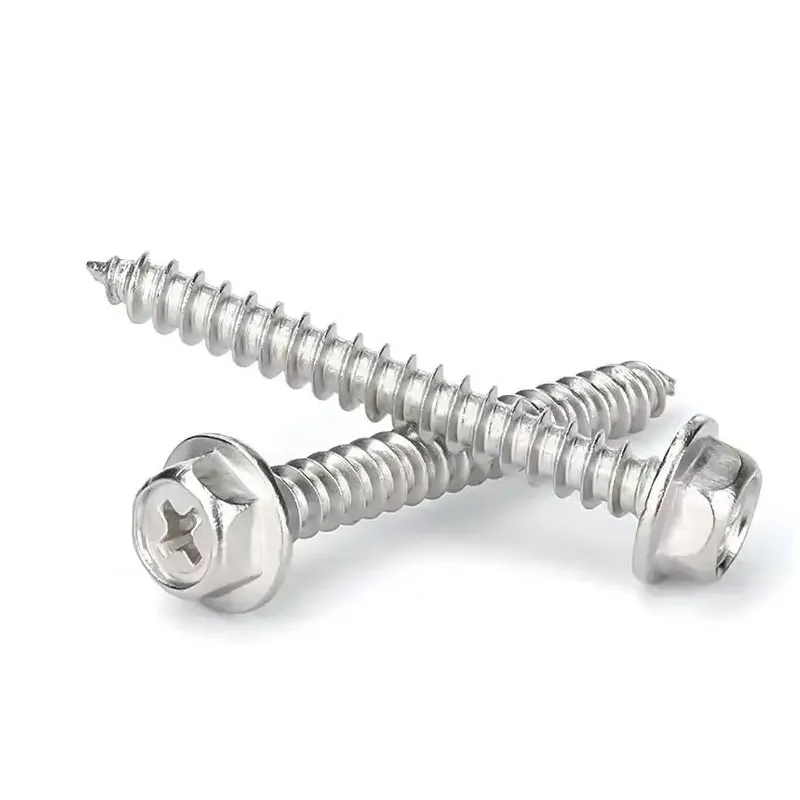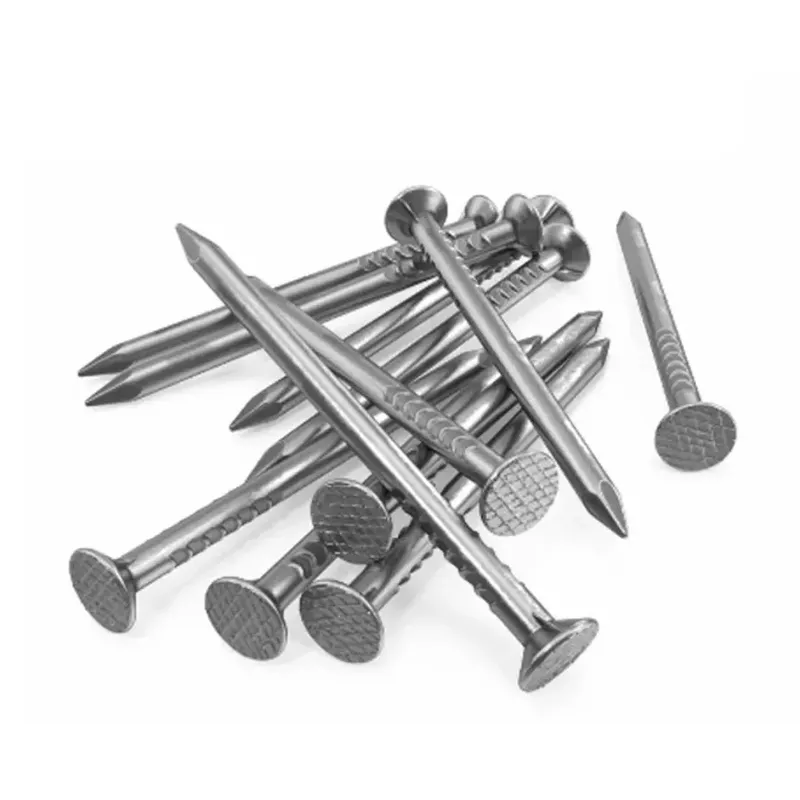
Struggling to find the perfect fastener for your project? The right choice can make all the difference in durability and performance. Discover the diverse world of rivets, offering robust and reliable solutions for countless applications, from aerospace to everyday home repairs.
Rivets are permanent mechanical fasteners used to join materials by deforming one end, creating a strong, non-detachable joint. They consist of a head, a smooth cylindrical body (shank), and a tail, and are installed by drilling, punching, or placing them in a hole and deforming the tail to secure the connection.
Fastener failure in high-vibration or high-corrosion environments—such as EV battery enclosures, aerospace structural assemblies, or petrochemical pipelines—leads to catastrophic structural issues. At Jiliang Fastener Manufacturing, we don’t just supply rivets; we engineer permanent mechanical bonds. This technical guide outlines the precise mechanical properties, cold-forming tolerances, and material specifications for our custom rivet manufacturing lines, helping engineers and procurement managers select the exact OEM fastener for high-stress applications.

2. OEM Rivet Material Specifications & Environmental Performance
The choice of material for rivets is crucial, as it directly impacts their strength, durability, and suitability for specific environments. Different materials offer unique properties that cater to diverse industrial needs.
Rivets are commonly manufactured from a variety of metals, including steel, stainless steel, aluminum, brass, and copper, with the selection depending on the required strength, corrosion resistance, weight, and conductivity for the intended application.
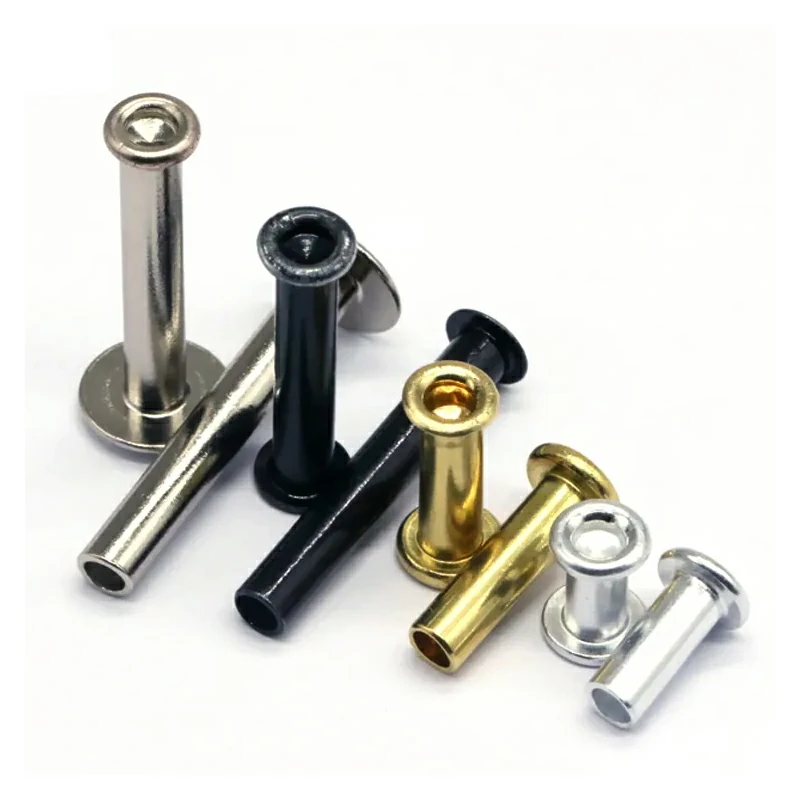
2.1 Why Material Selection Matters for Rivet Performance
The material composition of a rivet is paramount because it dictates how the rivet will perform under various conditions, including stress, temperature, and exposure to corrosive elements. For instance, a rivet used in an aircraft needs to be lightweight yet incredibly strong, often leading to the use of aluminum alloys. Conversely, a rivet in a marine environment requires excellent corrosion resistance, making stainless steel or specific copper alloys more suitable. The material must also be compatible with the parts being joined to prevent galvanic corrosion, which can occur when dissimilar metals are in contact.
- Steel Rivets: Low carbon steels are frequently used for rivets due to their excellent flexibility and adaptability, allowing them to clinch well in various applications. While high carbon steels offer greater rigidity, they are less moldable and require more material. Steel rivets are known for their high tensile force but are susceptible to rust if not surface-treated. Common surface treatments include nickel plating, zinc plating, chrome plating, and painting to enhance corrosion resistance.
- Examples: Used in general construction, machinery, and automotive applications where high strength is required.
- Analysis: Steel rivets provide robust connections suitable for heavy-duty applications. Their cost-effectiveness makes them a popular choice for mass production, but their susceptibility to corrosion necessitates protective coatings in certain environments.
- The table below illustrates the key properties of low and high carbon steel rivets, highlighting their differences in flexibility, strength, and corrosion resistance.
| Property | Low Carbon Steel | High Carbon Steel |
| Flexibility | High | Low |
| Moldability | High | Low |
| Strength | Good | Very Good |
| Corrosion Resistance | Low (needs treatment) | Low (needs treatment) |
| Cost | Moderate | Moderate |
Stainless Steel Rivets: These rivets are highly valued for their hardness, strength, and exceptional resistance to deterioration and corrosion. They are particularly suited for demanding environments where exposure to moisture, chemicals, or extreme temperatures is common.- Examples: Widely employed in locomotive, aircraft, and power-producing industries, as well as in marine applications and medical equipment where biological compatibility and ease of sterilization are critical.
- Analysis: Stainless steel rivets, especially those made from 316L medical-grade stainless steel, offer superior performance in harsh conditions, making them ideal for critical applications where reliability and longevity are paramount. Their higher cost is often justified by their extended lifespan and reduced maintenance needs.
- Practical Advice: When selecting stainless steel rivets, consider the specific grade (e.g., 304, 316, 316L) based on the level of corrosion resistance required. For highly corrosive environments like saltwater, 316L is often preferred due to its enhanced resistance to chlorides.
- Aluminum Rivets: Recognized for their tenderness, lightweight nature, and strong resistance to deterioration, aluminum rivets are highly versatile. Their malleability allows for the creation of complex part configurations. They have a low density, making them ideal for weight-sensitive applications.
- Examples: Frequently used in aerospace, automotive, and general manufacturing industries where weight reduction is a priority. They are also excellent for joining dissimilar metals to prevent galvanic corrosion.
- Analysis: Aluminum rivets offer a balance of strength and lightness, making them a go-to choice for applications where weight is a critical factor. While they resist corrosion well, long-term exposure to humid air can lead to the formation of white aluminum oxide.
- Testing Method: To assess the corrosion resistance of aluminum rivets in specific environments, salt spray testing can be performed. This involves exposing the riveted joint to a saline mist for a specified period to observe any signs of corrosion.
- Brass Rivets: Brass is a flexible, low-friction, and supple material known for its resistance to tarnish and high strength. A key property of brass is its inability to create sparks, making brass rivets suitable for use in gas appliances.
- Examples: Commonly found in gas appliances, electrical components, and decorative applications due to their aesthetic appeal and non-sparking properties.
- Analysis: Brass rivets offer a unique combination of properties, including good electrical conductivity and resistance to tarnishing. Their non-sparking characteristic is a significant safety advantage in environments with flammable gases.
- Design Trade-offs: While brass rivets are excellent for specific applications, they are generally not as strong as steel or stainless steel rivets, which must be considered when designing for high-stress loads.
- Copper Rivets: Copper is a flexible material with remarkable ability to conduct heat and electricity. Its excellent electrical conductivity makes copper rivets highly preferred in water and electrical appliances.
- Examples: Ideal for electrical and water appliances, circuit boards, and battery terminals where high conductivity is essential. They are also used in the leather industry due to their softness and ductility.
- Analysis: Copper rivets excel in applications requiring high electrical and thermal conductivity. However, they are softer than stainless steel and can be easily oxidized, which might necessitate surface treatments for long-term durability in certain environments.
- Practical Advice: For applications where copper rivets are exposed to moisture, consider using a protective coating or selecting a material with better oxidation resistance if long-term aesthetic appeal is crucial.
3. What Are the Most Common Types of Rivets?
Understanding the different types of rivets is essential for selecting the right fastener for any given project, as each type offers unique benefits and is suited for specific applications.
The most common types of rivets include solid rivets, blind rivets (also known as pop rivets), tubular rivets, split rivets, flush rivets (or countersunk rivets), self-piercing rivets, and friction lock rivets, each designed for distinct fastening requirements and installation scenarios.
3.1 Custom Solid Rivets: Maximum Shear Strength for Critical Structural Loads
Solid rivets deliver the highest possible shear strength and tamper-resistant fastening available in mechanical engineering. Manufactured via precision cold-heading processes, our solid rivets are designed for heavy machinery, commercial aircraft, and bridge construction where structural integrity is non-negotiable.
- Dimensional Accuracy: Shank diameter tolerances controlled to ±0.02mm.
- Material Matrix: Available in high-tensile Carbon Steel (10.9/12.9 grades), 316L Stainless Steel for maximum corrosion resistance, and aerospace-grade Aluminum alloys.
- Engineering Advantage: Delivers exceptional resistance against cyclic fatigue and continuous high-frequency vibration.
- Customization: We manufacture to specific CAD blueprints, including Round Universal Heads for general structural integrity and 100-Degree Countersunk Heads for aerodynamic drag reduction in aerospace applications.
| Head Configuration | Engineering Profile | Primary Industrial Application |
| Round Universal Head | Maximum bearing surface; withstands high shear & tensile stress. | Heavy machinery chassis, structural steel framing. |
| 100° Countersunk Head | Flush seating (zero protrusion); minimizes aerodynamic drag and friction. | Aerospace fuselages, precision EV (Electric Vehicle) enclosures. |
3.2 Blind Rivets (Pop Rivets): High-Clamping Force for Limited Access Assemblies
When back-side joint access is restricted, Blind Rivets provide a high-clamping, vibration-resistant bond. Crucial for automotive body panels, HVAC ductwork, and electronics chassis, our blind rivet manufacturing focuses on exact mandrel break-loads and predictable expansion geometry.
- Corrosion Protection: Standard surface treatments include 72-hour to 500-hour Salt Spray Test (SST) compliant Zinc plating, Nickel plating, or Dacromet coatings depending on environmental severity.
- Galvanic Corrosion Prevention: We offer mixed-material blind rivets (e.g., Aluminum body with Stainless Steel mandrel) to match your exact sheet metal specifications and eliminate bimetallic corrosion.
- OEM Capabilities: Custom grip ranges and specific break-load requirements engineered directly from your supplied parameters.
3.3 Semi-Tubular Rivets: Low-Force Clinching for Mixed Material Joints
Semi-tubular rivets require approximately 1/4 the setting force of solid rivets, making them the superior choice for joining ductile metals, plastics, or circuit boards without causing base-material fracture.
- Hole Depth Precision: Field end hole depths are maintained at exactly 1.12 times the shank diameter to ensure perfect roll-clinching without shank buckling.
- Applications: Specifically utilized in automotive braking systems (brake linings), electrical switch components, and precision commercial enclosures.
- Material Options: Copper and Brass variations available for applications requiring high thermal or electrical conductivity, complete with oxidation-resistant treatments.
3.5 Flush Rivets: The Aerodynamic Choice
Flush rivets, also called countersunk rivets, are designed for external surfaces to ensure a good appearance and eliminate aerodynamic drag. They utilize both countersunk holes and heads, allowing them to sit perfectly flush with the material surface.
- Examples: Primarily functional on aircraft exteriors to reduce drag and turbulence. They are also used in other applications where a smooth, aesthetically pleasing finish is desired.
- Multi-angle analysis: The flush design minimizes air resistance, which is critical for high-speed applications like aircraft. Sometimes, post-installation operations may be needed to further improve airflow.
- Design Trade-offs: While excellent for aerodynamics and aesthetics, the countersunk design might slightly reduce the material thickness at the joint, which needs to be considered in high-stress applications.
3.6 Self-Piercing Rivets: No Pre-Drilling Needed
Self-piercing rivets (SPRs) eliminate the need for pre-drilling or punching holes. Their ends possess a bevel drill or chamfered poke that allows them to pierce the components involved. They pass through the top layer of the material while leaving the bottom layer half-pierced, forming a gas-tight or water-tight joint.
- Examples: Suitable for high-stress applications and for joining dissimilar materials that are difficult to weld, such as aluminum and steel. They are also used in the automotive industry for body panels and chassis components.
- Multi-angle analysis: SPRs offer increased efficiency by automating the riveting process and ensuring consistent product quality. The upsetting die causes the tail of the rivet to flare and interlock into the bottom sheet, forming a low-profile button.
- Testing Method: To verify the integrity of a self-piercing riveted joint, pull-out and shear strength tests can be performed. These tests measure the force required to separate the joined materials, ensuring the rivet meets the required strength specifications.
3.7 Friction Lock Rivets: The Expanding Bolt Analogy
Friction lock rivets, also known as interference lock rivets or Huck lock rivets, are similar to expanding bolts. They are often made in a cupola or countersunk way, with their shafts designed to snap below the surface when sufficient tension is applied.
- Examples: An original form of blind rivets, commonly applied in the aerospace field for light aircraft repairs. They are also ideal for joining materials of different thicknesses.
- Multi-angle analysis: These rivets create a strong and permanent joint by clamping materials together. They are easy to install with standard riveting tools and can join metals, plastics, and composite materials. However, they are not ideal for withstanding high temperatures.
- Practical Advice: While friction lock rivets offer strong, permanent joints, their temperature limitations should be considered for applications exposed to high heat.
4. What Are Rivets Used For Across Industries?
Rivets are indispensable mechanical fasteners, serving a primary purpose of ensuring firm and reliable tightening of two or more materials, often metallic or wooden, to create a joint stronger than that of a screw with the same diameter. Their versatility makes them crucial across a multitude of industries.
Rivets are extensively used across diverse industries including aerospace, automotive, construction, electronics, marine, furniture, and sports equipment, providing durable, long-lasting, and vibration-resistant fastening solutions for various components and structures.
4.1 Aerospace Industry: Precision and Lightweight Strength
In the aerospace industry, where every component must be robust, durable, and dependable, rivets play a critical role in aircraft construction. Aircraft machining projects demand strong alignment and the strongest combination of joined parts, which riveting helps achieve.
- Specific Examples: Rivets are used to fasten aluminum alloys, which are difficult to solder, ensuring neatness and strength while contributing to lighter aircraft weight. They are essential for connecting wings, fuselages, and landing gear. For instance, titanium alloy or stainless steel combination rivets are used in aircraft fuselages, engine components, and cabin equipment, where they must withstand extreme temperatures, humidity, and high-altitude pressure while being lightweight.
- Multi-angle Analysis: Riveting is often the only remedy in aircraft repair or construction when reaching the far end of a tightened structure is difficult or impossible. Their lightweight nature is crucial for reducing overall aircraft weight, directly impacting fuel efficiency and performance. The fatigue strength of rivets is also a key consideration, as aircraft structures are subjected to high-frequency vibrations.
- The table below illustrates common rivet applications within the aerospace industry, detailing the components they fasten and the key requirements they fulfill.
| Component | Rivet Type | Key Requirement |
| Fuselage | Solid, Blind | High strength, vibration resistance |
| Wings | Solid, Blind | Structural integrity, lightweight |
| Engine Parts | Stainless Steel | High temperature, corrosion resistance |
| Cabin Equipment | Aluminum, Titanium | Lightweight, durable |
4.2 Automotive Manufacturing: Vibration Resistance and Assembly Efficiency
The automotive industry heavily relies on rivets for joining various components, from body panels to chassis structures. Rivets are particularly useful for joining dissimilar materials, such as aluminum and steel, which can be challenging with other fastening methods.
- Specific Examples: In traditional cars, rivets are used for chassis, exhaust systems, and body structures. For new energy vehicles, they are crucial for battery pack housings, motor fixation, and charging interfaces, requiring resistance to vibration and electrolyte corrosion. They can replace welding, reducing thermal deformation and adapting well to automated assembly lines.
- Multi-angle Analysis: Rivets offer excellent resistance to vibration and fatigue, making them ideal for high-stress applications in vehicles. The ability to join dissimilar materials without heat distortion or structural weakening is a significant advantage over welding.
- Practical Advice: When designing automotive components, consider multi-grip blind rivets for joining materials of varying thicknesses, as they provide a secure bond and simplify assembly.
4.3 Construction and Infrastructure: High Strength and Durability
Rivets are commonly used in the construction industry to join structural steel beams and other components in buildings, bridges, dams, and tunnels. They provide high strength and durability for these large-scale infrastructure projects.
- Specific Examples: Rivets are used for fixing glass curtain walls and connecting steel structures like stadium roofs. For cross-sea bridges, high-strength stainless steel rivets are used in seismic designs, with corrosion-resistant materials prioritized in coastal areas to prevent structural failure due to rust.
- Multi-angle Analysis: Rivets ensure a long-lasting bond that won’t loosen over time, distributing load evenly and resisting shearing forces, which is critical for structural integrity. Their ability to withstand external forces like vibrations and shocks makes them a reliable choice for long-term stability.
- Testing Methods: For critical construction applications, non-destructive testing methods like ultrasonic testing or visual inspection are used to verify the proper installation and integrity of riveted joints.
4.4 Electronics and Communication Equipment: Compact and Shielding Solutions
In the electrical and electronics industry, rivets are used to join circuit boards, battery terminals, and electrical contacts. They provide joints that can withstand high current and temperature.
- Specific Examples: Rivets are installed on devices with limited space, such as 5G base station antennas, server chassis, and outdoor monitoring equipment. Conductive rivets can provide electromagnetic shielding and resist oxidation in humid environments.
- Multi-angle Analysis: Rivets offer a compact and secure fastening solution for delicate electronic components. Their ability to provide electrical conductivity is crucial for many applications, while their resistance to environmental factors ensures long-term performance.
- Design Trade-offs: While rivets are excellent for permanent connections, their lack of flexibility can be a disadvantage if frequent disassembly or adjustment of electronic components is required.
4.5 Marine Industry: Corrosion Resistance in Harsh Environments
Ships and boats utilize rivets to connect the hull, deck, and frame, benefiting from their high strength and corrosion resistance in harsh marine environments.
- Specific Examples: Rivets are used in ship decks, offshore platforms, and desalination equipment. 316L ultra-low carbon stainless steel rivets are commonly used to resist salt spray corrosion and prevent rusting that could lead to structural failure.
- Multi-angle Analysis: The marine environment presents unique challenges due to constant exposure to saltwater, which necessitates fasteners with superior corrosion resistance. Rivets provide a robust and durable connection that can withstand the dynamic forces experienced at sea.
- Practical Advice: Always select rivets made from marine-grade materials (e.g., 316L stainless steel) for marine applications to ensure longevity and prevent premature failure due to corrosion.
4.6 Other Notable Applications:
- Furniture Industry: Rivets connect furniture components like frames, legs, and arms, ensuring strong, durable joints that support weight.
- Sports Equipment Industry: Used for joining components in bicycle frames, ski bindings, and skateboards, where high strength and durability are essential.
- Petrochemical Industry: Employed in refinery pipeline flange connections and chemical reaction tank seals, requiring resistance to hydrogen sulfide, acidic media, and maintaining strength under high temperature and pressure. Hastelloy composite rivets are often used here.
- Rail Transit: Used in high-speed rail and subway car body assembly, bogie components, and electrical box fixation, requiring high fatigue strength and resistance to high-frequency vibrations.
- Medical Equipment: Found in surgical instruments, imaging equipment (like MRI), and sterile environments for removable connections, requiring biocompatibility (e.g., 316L medical-grade stainless steel) and ease of sterilization.
- Energy Sector: In wind power, rivets connect tower sections and fasten blades. In nuclear power, they are used for auxiliary pipe supports, needing resistance to radiation and high-temperature steam.
- Food Industry: Used in food machinery for CIP (Clean-in-Place) cleaning environments, requiring materials that can withstand harsh cleaning agents.
- Military Industry: Applied in submarine pressure hulls and armored vehicles for bulletproof and explosion-proof structures.
5. How Do You Choose the Right Rivet for Your Application?
Selecting the appropriate rivet is crucial for ensuring strong, secure, and long-lasting connections in any application. A careful consideration of several factors will guide you to the ideal choice.
Choosing the right rivet involves evaluating the rivet type, material compatibility with the joined parts, appropriate rivet size (diameter and length), environmental factors such as heat or corrosion, and the available installation method, ensuring optimal performance and durability for your specific application.
5.1 Understanding Rivet Types and Their Suitability
Different types of rivets are designed for various applications, each offering unique advantages.
- Solid Rivets: These are the strongest and most durable, ideal for heavy-duty applications where high strength and vibration resistance are paramount. However, they require access to both sides of the joint for installation.
- Blind Rivets (Pop Rivets): Perfect for situations where access is limited to only one side of the material. They are widely used in automotive, electronics, and sheet metal industries.
- Tubular Rivets: Partially hollow, they require less force for application and are suitable for softer materials like leather and plastics.
- Split Rivets: Also known as bifurcated rivets, they are ideal for joining softer materials such as wood, leather, and plastic, often used in home repairs.
- Flush Rivets (Countersunk Rivets): Used on external surfaces to ensure a smooth appearance and eliminate aerodynamic drag, commonly found in aircraft exteriors.
- Self-Piercing Rivets: These eliminate the need for pre-drilled holes, as they pierce the materials themselves, forming a gas-tight or water-tight joint. They are efficient for automated processes.
- Friction Lock Rivets: Similar to expanding bolts, they are used for light aircraft repairs and joining materials of different thicknesses.
5.2 Material Selection and Compatibility
The rivet’s material composition should match or complement that of the parts being joined to prevent issues like galvanic corrosion.
- Aluminum Rivets: Lightweight and offer strong deterioration resistance, making them suitable for various applications and excellent for avoiding corrosion between different metals.
- Stainless Steel Rivets: Hard, strong, and highly resistant to deterioration and corrosion, ideal for locomotive, aircraft, and power-producing industries, as well as marine environments.
- Steel Rivets: Low carbon steels are flexible and adaptive, suitable for general applications, while high carbon steels offer more rigidity but are less moldable.
- Brass Rivets: Flexible, low-friction, and non-sparking, making them suitable for gas appliances.
- Copper Rivets: Excellent conductors of heat and electricity, preferred in water and electrical appliances.
5.3 Rivet Size: Diameter and Length
Proper sizing is critical for a secure connection.
- Diameter: The rivet’s diameter should be at least three times the thickness of the thickest component being joined.
- Length: The length must be sufficient to securely grip both components and allow for proper tail deformation without excessive protrusion.
5.4 Environmental Factors
Consider the conditions the riveted joint will face.
- Corrosion: For products exposed to water, humidity, or harsh chemicals, stainless steel or aluminum rivets are better choices due to their corrosion resistance.
- Temperature: Some rivets, like friction lock rivets, are not good at withstanding high temperatures, so material choice is crucial for high-heat applications.
- Vibration and Stress: Solid rivets provide outstanding resistance against wear, stress, and vibration, making them reliable for dynamic applications.
5.5 Installation Method and Tools
The chosen rivet type dictates the necessary installation tools and methods.
- Solid Rivets: Require a rivet gun or hammer for installation.
- Blind Rivets: Installed using a rivet gun that pulls a mandrel.
- Drive Rivets: Installed by driving a center pin into the rivet body with a hammer.
- Self-Piercing Rivets: Do not require pre-drilled holes, simplifying the process.
By carefully considering these factors, you can select the most suitable rivet type, material, and size, ensuring a strong, durable, and effective fastening solution for your specific application.
6. What Are the Advantages and Disadvantages of Using Rivets?
Rivets are a cornerstone of mechanical fastening, offering distinct benefits and drawbacks that influence their suitability for various applications. Understanding these aspects is crucial for informed decision-making in manufacturing and construction.
Rivets offer numerous advantages, including rapid and cost-effective installation, one-sided access for blind applications, robust and durable connections resistant to vibration, and versatility across various materials and sizes. However, they also have disadvantages such as being more time and labor-consuming than welding, higher labor costs, heavier joints, noisier installation, and not always guaranteeing a leak-proof joint.
6.1 Advantages of Using Rivets
Rivets provide a permanent bond that is ideal for applications not requiring disassembly, such as aircraft construction or shipbuilding. Once set, a rivet creates a strong and secure joint that will not come apart easily.
- Rapid Installation: Rivets can be installed quickly and easily, often in seconds, using pneumatic tools, making them perfect for high-efficiency production environments. Blind rivets further simplify installation by requiring access from only one side.
- One-Sided Access: A significant advantage, especially for blind rivets, is that installation only requires access to one side of the material. This property allows rivets to be utilized even in tight or difficult-to-reach spaces.
- Cost-Effective: Installing rivets can be less expensive than bolted connections, making them an economically sensible choice for mass production.
- Robust and Durable: Solid rivets, in particular, provide outstanding resistance against wear, stress, and vibration, ensuring reliable connections over time. They create a tight, secure seal that remains strong and stable against external forces.
- Versatile: Rivets are produced in various sizes, types, and materials (steel, aluminum, brass, copper, stainless steel), accommodating different applications and ensuring greater versatility and flexibility in choosing the right one.
- Permanent Bond: Rivets create a long-lasting, non-detachable joint that is highly resistant to loosening over time, making them ideal for structural applications where reliability is critical.
- No Specialized Training (Compared to Welding): Riveting is generally faster and requires less specialized training than welding, making it more accessible for various manufacturing processes.
- Material Compatibility: Riveting can join a wider array of materials than welding, including dissimilar metals, without the heat distortion or structural weakening that welding might cause.
6.2 Disadvantages of Using Rivets
Despite their many benefits, rivets do have limitations that need to be considered.
- Time and Labor-Consuming: Riveting can be more time and labor-consuming than welding, as it often requires additional work such as layouts and drilling holes.
- Higher Labor Costs: The labor cost associated with rivet joints can be relatively high due especially to the multiple steps involved.
- Heavier Joints: Riveted joints are typically heavier than welded or brazed joints due to the presence of rivets and strap-plates.
- Noise During Installation: The riveting process, especially when using hammer blowing, can produce loud noise.
- Not Always Leak-Proof: Riveting does not always guarantee a tight and leak-proof joint, which can be a limitation for applications requiring hermetic seals.
- Limited Flexibility: Once a rivet is installed, it is difficult to remove or adjust, which can be a disadvantage when repairing or modifying pre-joined materials.
- Potential Material Damage: The process of creating a hole for the rivet can sometimes cause damage to the materials, potentially weakening the overall structure.
- Corrosion Risk: While some types are corrosion-resistant, others can rust or corrode over time if not properly surface-treated, which can weaken the joint.
- Surface Preparation: Materials often require specific surface preparation before riveting, which can add time and effort compared to other fastening methods.
Conclusion
Rivets stand as a testament to enduring mechanical fastening, offering a robust and reliable alternative to screws, bolts, and nuts across a vast spectrum of industries. From the critical structural components of aircraft to the everyday utility of home repairs, the diverse types of rivets—including solid, blind, tubular, split, flush, self-piercing, and friction lock—each serve unique purposes tailored to specific design requirements and environmental conditions.
While rivets provide significant advantages such as rapid installation, one-sided access, and exceptional resistance to vibration, it’s crucial to acknowledge their limitations, including higher labor costs and the potential for non-leak-proof joints. Ultimately, the key to successful application lies in carefully selecting the appropriate rivet type, material, and size, considering factors like environmental exposure and installation methods. By making informed choices, manufacturers and engineers can leverage the full potential of rivets to create durable, high-performance connections that stand the test of time.
Jiliang Fastener Manufacturing is a professional custom fastener and hardware manufacturer established in 2008, offering development, design, production, and sales services. They specialize in precision-engineered custom fasteners, including various rivet types, screws, nails, and shafts, serving global industries with products that meet the highest quality and performance standards. With advanced Taiwanese automation, Jiliang produces a wide range of specifications and offers comprehensive custom services, from demand communication and technical analysis to design and reverse engineering. Their products are widely applied in aerospace, automotive, marine, construction, electronics, petrochemical, rail transit, medical, and energy sectors, ensuring excellent riveting effects, strength, and toughness. Contact Jiliang for your custom fastening needs and benefit from their expertise and commitment to quality.