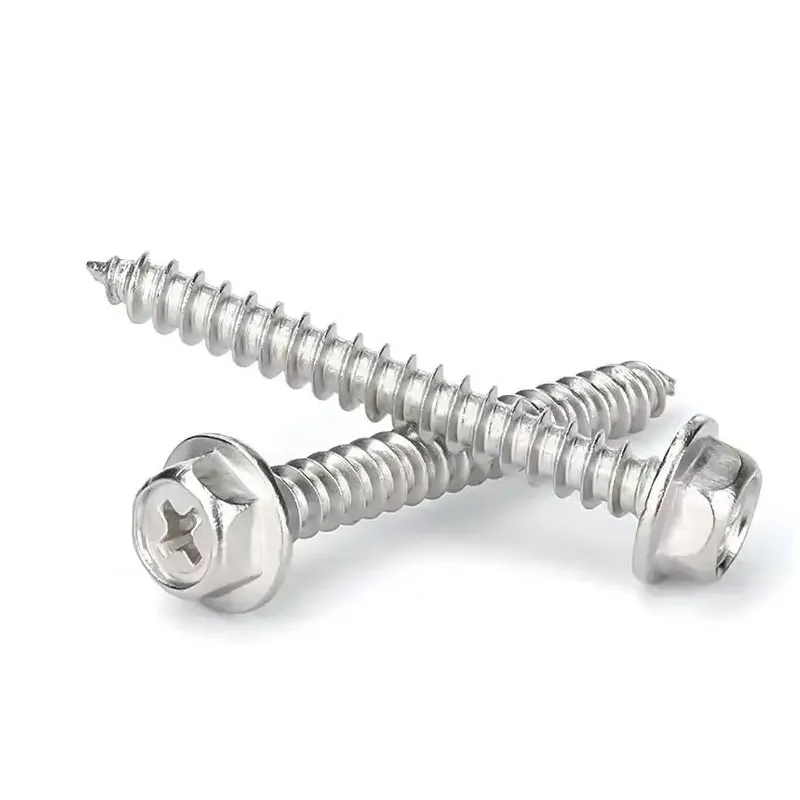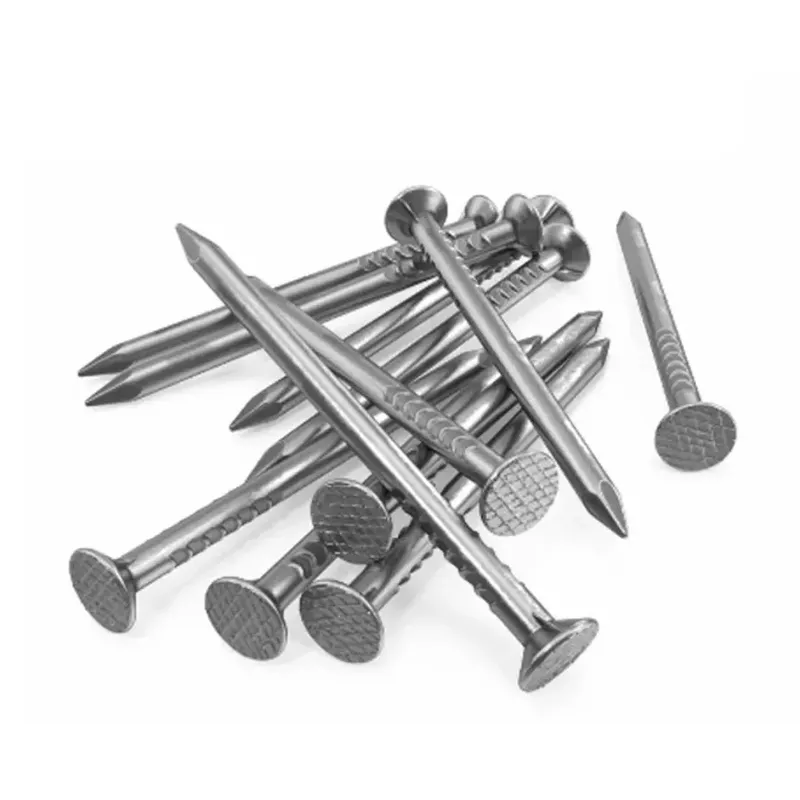
Specifying standard carbon steel fasteners for extreme environments guarantees premature equipment failure. When faced with corrosive chemicals, extreme humidity, or high-vibration loads, standard machine screws rust, seize, or shear. The secret to minimizing downtime is matching machine screw materials for harsh environments directly to the specific chemical and mechanical threats they will face on the factory floor.
At Dongguan Jiliang Machinery Hardware, we constantly audit failed joints where the original designer prioritized unit cost over metallurgical compatibility. Upgrading your fastener material is not an added expense; it is a critical strategy for reducing your overall maintenance budget. This guide breaks down exactly how to select the right alloys and surface treatments to secure your industrial assemblies permanently.
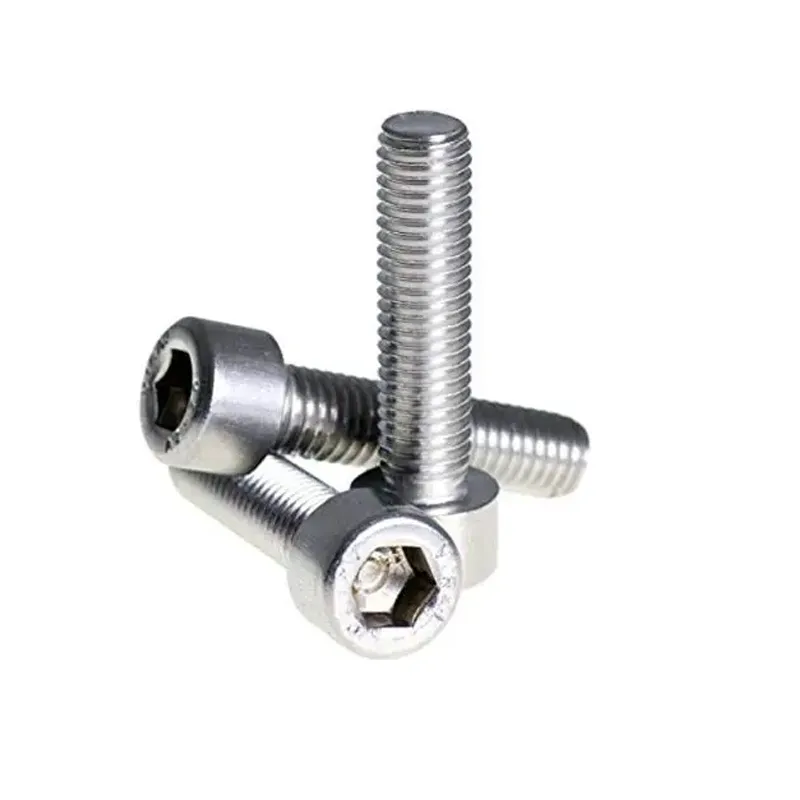
1. Why Do Standard Fasteners Fail in Harsh Environments?
The root cause of joint failure in harsh conditions is usually a fundamental mismatch between the environment and the fastener’s metallurgical limits. Standard carbon steel is highly susceptible to oxidation.
When exposed to high humidity, saltwater, or chemical fumes, standard zinc-plated screws quickly lose their sacrificial coating. Once the raw steel is exposed, galvanic corrosion accelerates, eating away the thread roots. This reduces the fastener’s cross-sectional area, causing an immediate drop in clamping force. Furthermore, in environments with extreme temperature swings, the thermal expansion mismatch between a standard screw and an alloy housing can stretch the fastener beyond its yield point, leading to catastrophic failure.
2. The Role of Stainless Steel in Corrosive Atmospheres
For environments saturated with moisture, salt, or mild chemicals, stainless steel is the undisputed baseline for structural integrity.
- 304 vs. 316 Stainless Steel: While 304 SS provides excellent general oxidation resistance, marine and chemical environments demand 316 SS. The addition of molybdenum in 316 SS drastically improves resistance to pitting from chlorides (salt).
- Performance Data: Industry metrics and our own supply data confirm that deploying 316 stainless steel machine screws in marine or high-humidity applications reduces corrosion-related failure rates by 40% to 60% compared to standard hardware.
3. When to Specify High-Strength Alloy Steel
Corrosion is not the only threat; raw mechanical violence destroys fasteners just as quickly. In heavy machinery, mining equipment, or high-speed presses, the kinetic loads will shear stainless steel, which is generally softer than heat-treated carbon alloys.
When high tensile strength and fatigue resistance are paramount, high-strength alloy steels (such as Class 10.9 or 12.9) are strictly required. These heat-treated metals offer massive shear capacity. Engineering data shows that upgrading to 10.9 or 12.9 alloy steel in high-vibration environments elevates connection reliability by over 30%, preventing the microscopic transverse slippage that causes standard screws to fatigue and snap.
4. How Surface Treatments Multiply Material Performance
You do not always have to choose between the high strength of alloy steel and the corrosion resistance of stainless. Advanced surface treatments allow engineers to synergize performance characteristics, balancing extreme durability with cost-efficiency.
While standard electro-galvanizing (zinc plating) offers basic indoor protection, industrial environments require heavy-duty barrier coatings:
- Dacromet (Zinc-Flake Coating): This non-electrolytic coating provides immense barrier protection without the risk of hydrogen embrittlement (a major threat to high-strength 12.9 screws). Utilizing a Dacromet coating can push a fastener’s salt spray test survival time to an impressive 500–1000+ hours, drastically extending its functional lifespan in offshore or chemical processing plants.
- Black Oxide: Offers mild corrosion resistance but excels in preventing galling on threaded assemblies and reducing light reflection in optical equipment.
Table 1: Material and Coating Selection Matrix
| Environment Threat | Primary Material Recommendation | Ideal Surface Treatment | Key Performance Metric |
| High Humidity / Rain | 304 Stainless Steel | Passivation | Excellent baseline rust prevention. |
| Marine / High Chloride | 316 Stainless Steel | Passivation | Reduces corrosion failure by 40–60%. |
| High Shock & Vibration | Alloy Steel (Class 10.9/12.9) | Dacromet / Zinc-Nickel | Handles massive shear; prevents embrittlement. |
| Chemical / Acid Fumes | Titanium or Specialized Alloys | PTFE Coating | Immune to aggressive chemical degradation. |
| Cost-Sensitive Outdoor | Carbon Steel (Grade 8.8) | Hot Dip Galvanized | Affordable barrier protection for bulky joints. |
5. Case Study: Solving Corrosion in Automation Equipment
Theoretical data is best proven on the production floor. A recent project with an automation equipment manufacturer perfectly illustrates the ROI of strategic material selection.
The Problem: The client’s automated machinery operated continuously in a high-humidity workshop saturated with chemical off-gassing. They initially utilized standard zinc-plated carbon steel machine screws for the chassis panels. Within 6 months, the chemical humidity stripped the zinc, causing severe rust and thread seizure. The resulting vibration backed the rusted screws out, leading to frequent machine downtime.
The Engineered Solution: We audited the joint and recommended a complete upgrade to 316 stainless steel machine screws, paired with a specialized anti-loosening thread design (a nylon patch) to combat the kinetic vibration.
The Result: The equipment’s stable operating cycle extended to over 18 months without a single fastener failure. Overall maintenance frequency was reduced by more than 50%, proving that the slight increase in upfront fastener cost was dwarfed by the massive savings in operational uptime.
6. How to Match Thermal Expansion and Fatigue Resistance
In environments subject to rapid thermal cycling (e.g., aerospace engines, industrial ovens, or cryogenic valves), the fastener material must expand and contract at a rate similar to the surrounding housing.
If you drive a steel screw into an aluminum engine block and subject it to 200°C, the aluminum expands faster than the steel. This rapidly increases the tension on the screw, potentially stripping the aluminum threads. When designing for harsh thermal environments, always check the Coefficient of Thermal Expansion (CTE). Matching the machine screw material to the substrate prevents thermal loosening and preserves the long-term fatigue life of the joint.
7. The Total Cost of Ownership (TCO) in Fastener Selection
Selecting machine screw materials for harsh environments is an investment in your product’s reputation. A machine screw costs pennies; dispatching a maintenance crew to drill out a seized, rusted bolt costs thousands of dollars.
By analyzing the specific threats of your environment—whether it is salt spray, cyclic vibration, or chemical exposure—you can engineer a fastening solution that lasts as long as the machine itself.
Are standard screws failing on your assembly line or in the field?
Do not let compromised hardware damage your brand. Contact the fastening experts at Dongguan Jiliang Machinery Hardware. Send us your environmental parameters, and our engineers will help you select the exact alloy and coating combination to maximize your equipment’s reliability.
[Contact Our Engineering Team for a Custom Fastener Audit]
Frequently Asked Questions (FAQ)
1. Is 316 stainless steel stronger than carbon steel?
No. While 316 stainless steel offers vastly superior corrosion resistance, it is generally softer and possesses lower tensile and yield strength than heat-treated carbon alloy steel (like Class 10.9).
2. Why do my stainless steel machine screws seize during installation?
This is known as “galling” or cold-welding, which is highly common with stainless-on-stainless threads. It is caused by friction generating heat during installation. To prevent this, install the screws at a lower RPM and apply an anti-seize lubricant or specify a specialized coating.
3. Can I use zinc-plated screws outdoors?
For temporary or very mild outdoor exposure, standard electro-plated zinc is acceptable. However, for permanent outdoor fixtures exposed to rain or salt, you must use Hot Dip Galvanized steel, Dacromet-coated steel, or 300-series stainless steel.
4. What is hydrogen embrittlement?
It is a phenomenon where high-strength steel (typically Class 10.9 and above) absorbs hydrogen during the acid pickling or electroplating process. This makes the steel extremely brittle, causing the screw head to snap off under tension. Using non-electrolytic coatings like Dacromet prevents this entirely.
5. How do I know if I need a 10.9 or 12.9 class machine screw?
If your joint is subjected to massive, continuous shear loads or severe mechanical shock (e.g., heavy suspension components, stamping presses), you need high-strength alloys. If the joint just holds a cover panel in place, an 8.8 class or stainless steel screw is perfectly sufficient.