Blog

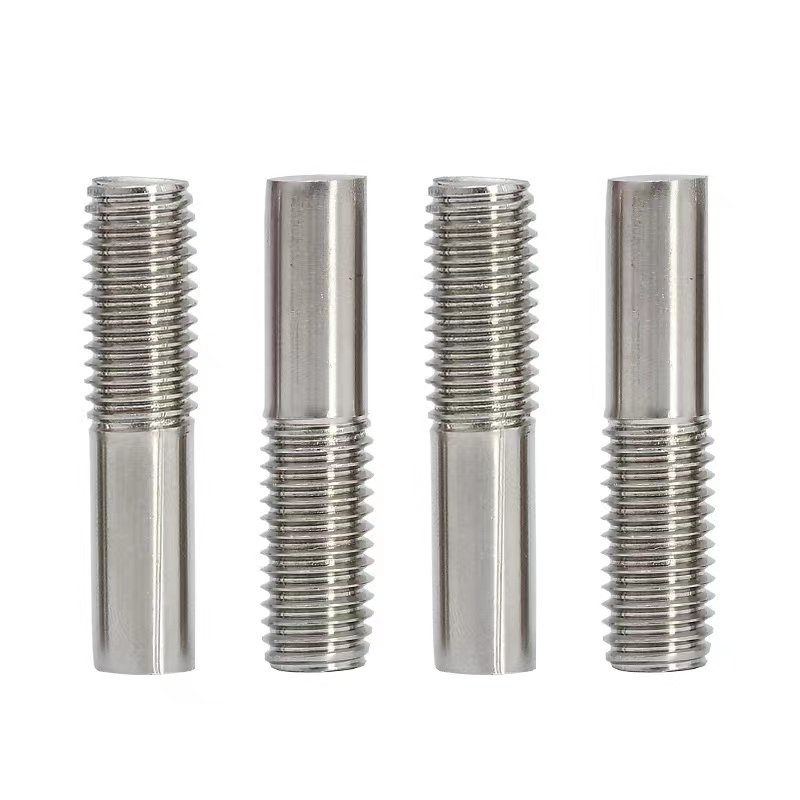
Machine Screw

This technical guide assists engineers and buyers in selecting the optimal machine screw materials for corrosive environments. It provides a detailed comparison of Stainless Steel (304 & 316), Brass, and Aluminum, explaining specific use cases—such as marine saltwater exposure or electrical conductivity—and highlights critical factors like galvanic corrosion and passivation to extend assembly service life.

Machine Screw

This engineering guide explains how specific machine screw features—such as Torx drives, coarse threads, and SEMS—directly impact manufacturing speed and reliability. It provides actionable advice on reducing Total Installed Cost (TIC) by selecting fasteners that minimize operator fatigue, eliminate manual steps, and support high-speed automation.

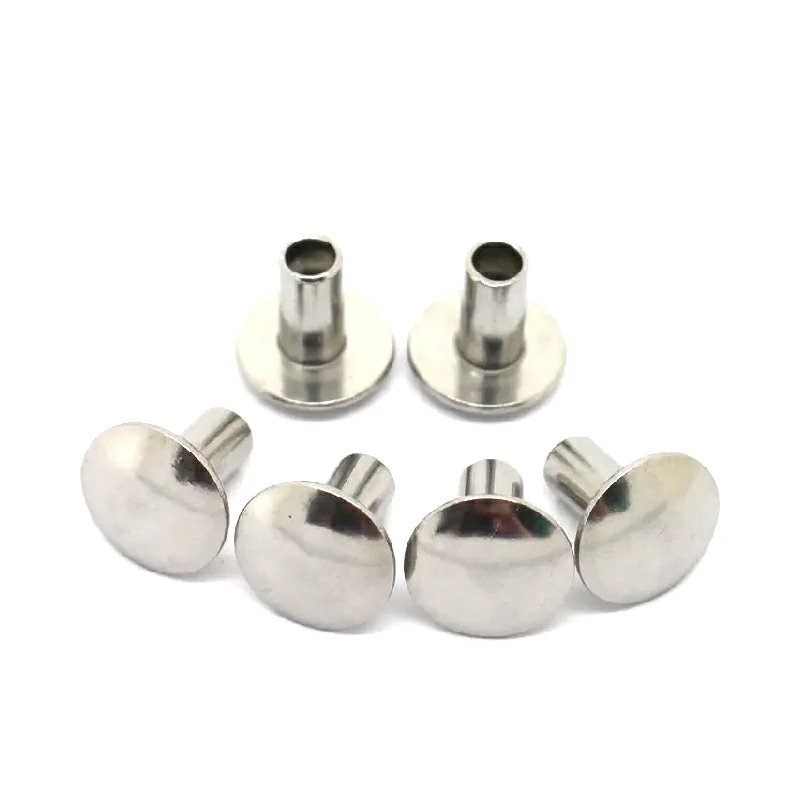
Semi-Tubular Rivets

This technical analysis explains why semi-tubular rivets are the superior choice for lightweight electronics assembly. It details how their low installation force prevents damage to delicate PCBs, reviews optimal material selections (aluminum vs. brass), and provides engineering guidelines on clinch allowance and hole depth to ensure high-speed, automated production success.

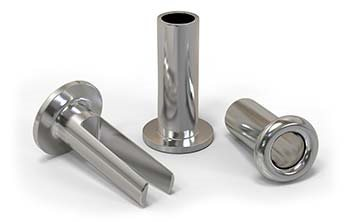
Custom Rivets

This article provides a forward-looking comparative analysis of joining technologies in electric vehicle manufacturing. It examines the rise of aluminum rivets (particularly self-piercing rivets), their advantages for lightweighting, comparisons with welding and structural adhesives, hybrid approaches, and market forecasts indicating hybrids will prevail over pure riveting dominance in 2026.

Rivets

This forward-looking article predicts the rise of titanium rivets in high-performance fastener trends for 2026. It covers key properties like strength-to-weight and corrosion resistance, drivers in aerospace, automotive (EVs), and medical sectors, plus market forecasts showing 6-7% CAGR. Features practical examples, comparisons, and custom solutions from Jiliang Fastener Manufacturing.

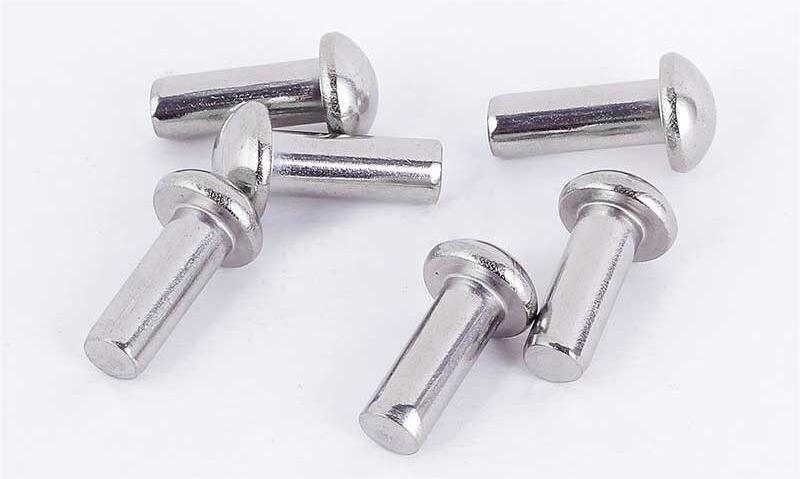
Rivets

A rivet is a permanent mechanical fastener composed of a smooth, cylindrical shaft with a head on one end and a tail on the other. To join materials, the rivet is placed through pre-drilled holes, and the tail is then upset, or bucked, to form a second head (the "shop head"), securely clamping the components together. Unlike threaded fasteners like bolts and screws, rivets create a permanent, vibration-resistant joint, making them indispensable in applications demanding high strength, reliability, and longevity, from aerospace and automotive manufacturing to construction and consumer goods. This guide provides a comprehensive reference to rivet classifications, materials, head styles, and their critical industrial applications.

Get a Free Quote