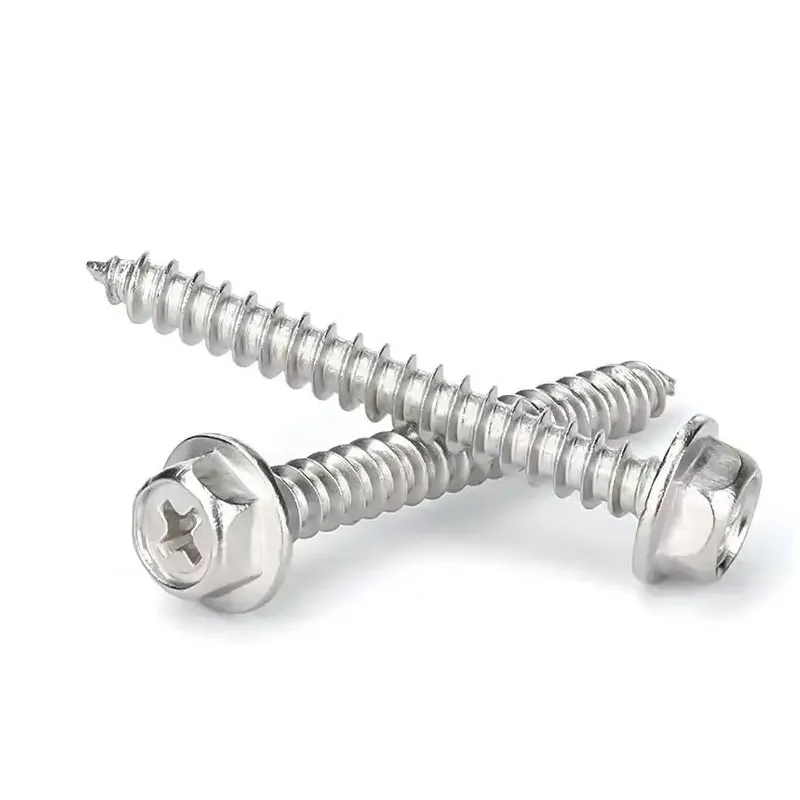
In modular structural designs, automation equipment, and consumer electronics, fasteners are not just installed once; they are frequently removed for maintenance, upgrades, and repairs. However, engineers often face a frustrating reality: a screw that torqued down perfectly on the assembly line strips the housing or loosens unpredictably after its fifth maintenance cycle.
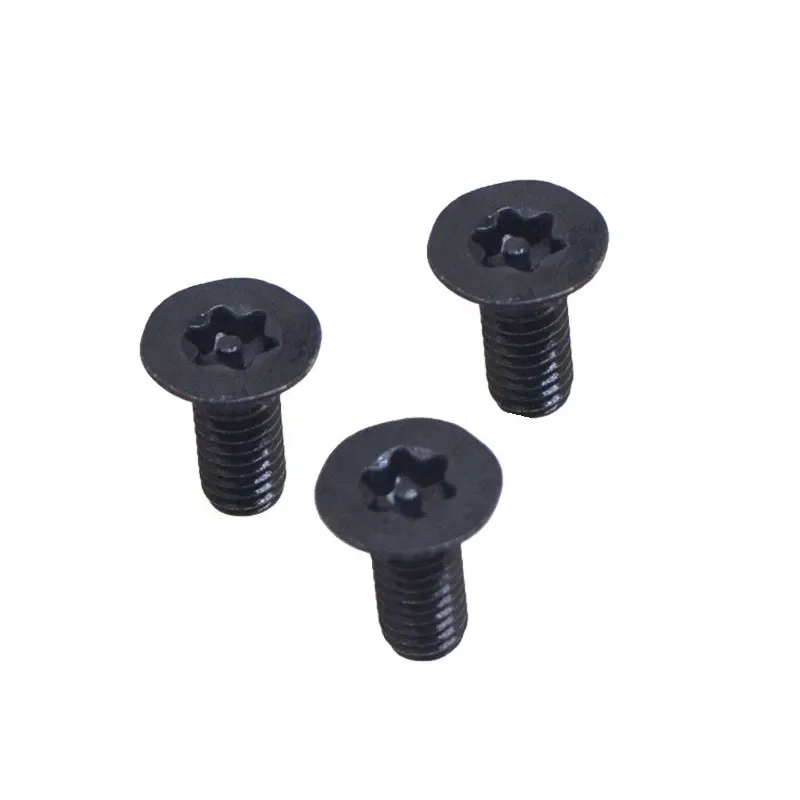
Managing machine screw torque stability in repeated assembly is critical for ensuring long-term product reliability. When a joint is repeatedly assembled and disassembled, the physics of the connection change. Without the right engineering strategy, your clamping force becomes a guessing game. Here is an in-depth look at the factors that degrade torque stability over time and how to engineer joints that survive endless maintenance cycles.
1. The Physics of Thread Wear and Friction
To understand torque stability, you must understand the relationship between the rotational force applied to the screw (torque) and the actual clamping force holding the parts together (preload).
Torque is heavily dependent on the friction coefficient between the mating threads. During repeated assembly, the microscopic peaks and valleys on the thread surfaces grind against each other. This micro-wear fundamentally alters the friction coefficient. If the threads gall (cold-weld) and become rougher, the friction increases. Consequently, the same amount of torque applied by a technician will result in far less actual clamping force, leaving the joint dangerously loose even though the torque wrench “clicked.”
2. How Material Hardness Mismatches Destroy Threads
The materials you pair together dictate how quickly thread wear accelerates. When fastening hard materials to soft materials, the softer substrate always loses.
Driving a hard steel machine screw directly into an untreated cast aluminum housing or a plastic structural post is a recipe for rapid failure. During repeated cycles, the hard steel threads act like a file, cutting away at the softer internal threads. This leads to thread deformation, cross-threading, and eventual stripping. When the internal threads deform, they can no longer maintain consistent resistance, causing wild torque fluctuations and complete joint failure.
3. The Impact of Surface Treatments and Lubrication
If raw metals rub against each other under high pressure, they degrade. Surface treatments and dry-film lubricants act as a protective barrier, stabilizing the friction coefficient across multiple cycles.
Industry testing data is very clear on this dynamic. In unlubricated conditions, driving a bare machine screw 5 to 10 times can cause the preload fluctuation to exceed ±25%. This means your joint could be 25% looser than intended, risking catastrophic vibration failure.
By applying proper surface treatments—such as specialized zinc plating, PTFE (Teflon) coatings, or specific wax lubricants—the friction coefficient is normalized. These coatings allow the screw to glide into the tapped hole consistently, bringing the torque/preload fluctuation down to a highly controlled ±10% or less.
4. Engineering Data: Analyzing Assembly Consistency
Optimizing your fastener choices directly impacts the lifespan of the mating components. Using high-strength materials with matched hardness profiles drastically reduces the wear and tear on your expensive machine housings.
Table 1: Factors Influencing Repeated Assembly Torque Stability
| Engineering Variable | Baseline Condition (Standard Screw) | Optimized Condition | Resulting Performance Improvement |
| Surface Treatment | Bare steel / Unlubricated | Zinc-plated or PTFE coated | Drops preload fluctuation from >±25% to <±10%. |
| Material Hardness | Steel screw into soft Aluminum | Matched hardness / High-strength alloys | Reduces thread damage and stripping by 30% – 50%. |
| Thread Engagement | Direct tapping into soft housing | Threaded inserts (e.g., Helicoils) | Provides a permanent, wear-resistant steel female thread. |
| Tooling & Control | Manual hand tools | Calibrated automatic torque drivers | Lowers assembly deviation and human error by >20%. |
5. Case Study: Resolving Torque Instability in Electronics Housings
Theoretical friction dynamics are best understood when applied to real-world production floors.
The Challenge: An electronics manufacturer designed a modular diagnostic device that required technicians to open the aluminum casing regularly for sensor calibration. Initially, standard carbon steel machine screws were driven directly into the tapped aluminum block. After just a few maintenance cycles, the aluminum threads began to gall and strip. The torque became highly erratic; some screws wouldn’t tighten at all, while others seized, causing a spike in warranty repairs.
The Engineered Solution: We audited the joint and implemented a two-part structural upgrade:
- Fastener Upgrade: We swapped the bare screws for specialized machine screws featuring a low-friction surface coating to stabilize the K-factor (friction coefficient).
- Substrate Protection: We introduced stainless steel threaded inserts (wire inserts) into the aluminum housing.
The Result: The steel-on-steel connection provided by the insert, combined with the lubricated screw, entirely eliminated aluminum galling. The assembly successfully survived over 20 repeated maintenance cycles while maintaining a stable torque range. This upgrade significantly improved maintenance reliability and eliminated the costly scrap rate of damaged aluminum housings.
6. Best Practices for Achieving Consistent Assembly Torque
Engineering the fastener is only half the battle; how you install it matters just as much.
In precision assembly, manual wrenches introduce massive human error. By integrating digital torque control tools or automated fastening systems on the assembly line, manufacturers can monitor the exact rundown and final seating torque. Data shows that moving from uncalibrated manual tools to precise torque-control equipment reduces assembly deviation by over 20%. When combined with the correct threaded inserts for soft materials, you guarantee a joint that is highly repeatable and permanently secure.
7. Partner with Fastening Experts for Modular Designs
If your equipment relies on maintenance panels, modular upgrades, or frequent part swaps, standard hardware will eventually compromise your structural integrity.
At Dongguan Jiliang Machinery Hardware, we understand that machine screw torque stability in repeated assembly is critical to your brand’s reputation for durability. If your field technicians are dealing with stripped housings or unpredictable torque readouts, we can help. Send us your assembly parameters, and our engineering team will specify the exact surface treatments, hardness profiles, and threaded inserts required to make your joints maintenance-proof.
[Contact Our Engineering Team for a Fastener Audit]
Frequently Asked Questions (FAQ)
1. Why does my torque wrench click, but the screw is still loose?
This is typically caused by increased thread friction due to galling, rust, or dirt. The torque wrench measures rotational resistance, not clamping force. If friction is high, the wrench clicks early because it takes more force just to turn the screw, leaving very little energy to actually clamp the plates together.
2. How do threaded inserts (like Helicoils) help in repeated assembly?
Threaded inserts are hard, stainless steel coils installed into softer materials like aluminum or plastic. Instead of the screw wearing out the soft housing every time it is removed, the screw interacts with the hard steel insert, practically eliminating wear and maintaining torque stability indefinitely.
3. Does using a liquid threadlocker (like Loctite) affect repeated assembly?
Yes. While excellent for preventing vibration loosening, liquid threadlockers cure into a hard plastic. When you break the seal to remove the screw, the dried plastic debris remains in the threads. If you do not clean the tapped hole perfectly before re-assembly, this debris drastically alters the friction coefficient, throwing off your torque accuracy.
4. What is the “K-Factor” in fastening?
The K-factor is the nut factor, an experimental constant used to calculate the relationship between torque and preload based on the friction of the specific materials and lubricants involved. Controlling the K-factor through coatings is the secret to torque stability.
5. Should I use stainless steel screws in an aluminum housing?
Not directly, if you expect frequent disassembly. Stainless steel on aluminum is notorious for galvanic corrosion and severe galling. If you must use this combination, you absolutely need an anti-seize lubricant or a protective coating on the screw to prevent the metals from cold-welding together.
6. Can a screw be reused infinitely?
No. Even under ideal conditions, screws experience slight elastic stretching during proper torquing. Over dozens of cycles, or if accidentally over-torqued past its yield point, the screw will permanently deform (plastic deformation) and lose its ability to hold tension. Structural bolts in high-stress applications are often single-use for this reason.