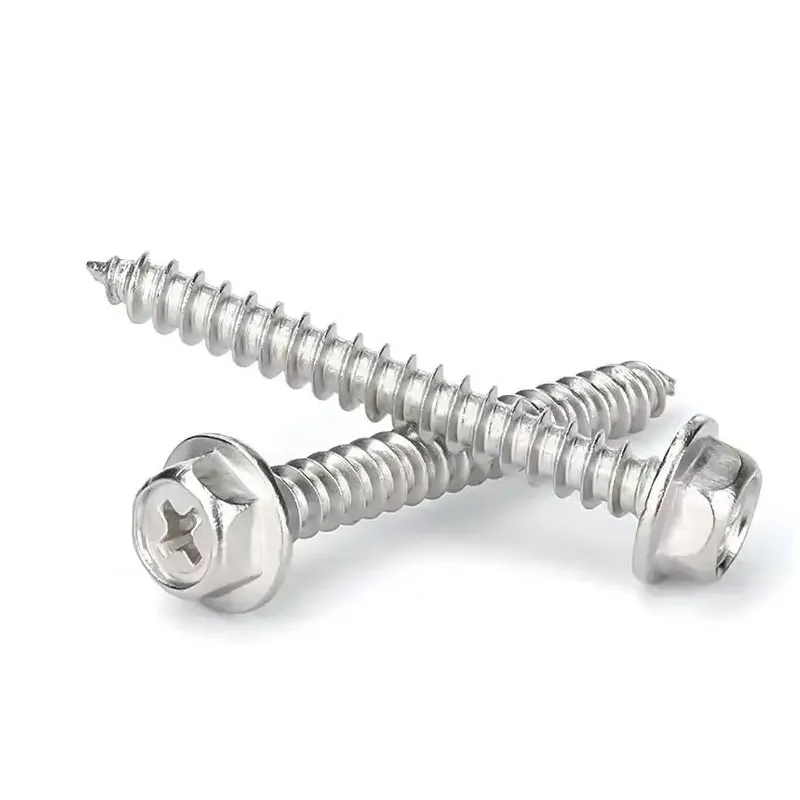
Machine screw head styles and drive types dictate assembly speed, torque transfer, and final surface finish. Selecting the wrong combination—such as a Phillips drive for high-torque applications or a Flat head without proper countersinking—leads to cam-out, stripped heads, and increased cycle times. The optimal choice balances accessibility, automation compatibility, and the mechanical requirements of the joint.
In precision manufacturing, the fastener is the interface between the product’s structural integrity and the assembly line’s efficiency. A seemingly minor decision, like choosing between a Pan head and a Flat head, can determine whether a secondary machining operation is required or if an automated feeder jams. As the Chief Manufacturing Engineer at Jiliang, I have seen production throughput increase by double-digit percentages simply by optimizing the drive geometry.
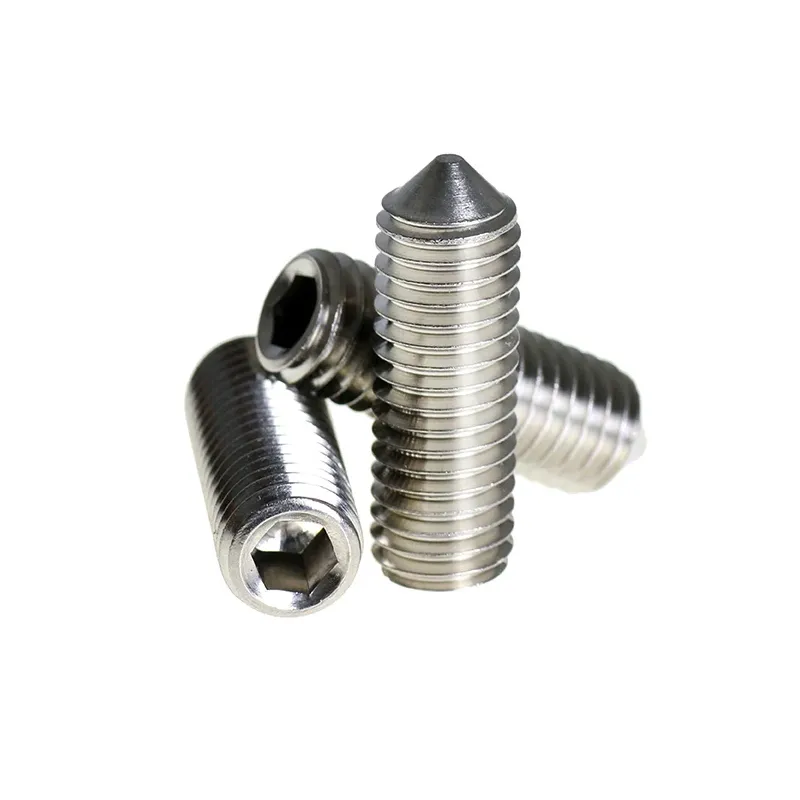
Table of Contents
- How Does Head Style Determine Surface Finish and Prep Work?
- Which Drive Type Minimizes Cam-Out and Rework?
- When is Countersinking Worth the Extra Cost?
- How Do Access Restrictions Dictate Head Selection?
- Can the Wrong Drive Type Bottleneck Automated Assembly?
- How Does Head Diameter Affect Load Distribution on Soft Materials?
- Why Are Torx Drives Replacing Phillips in Precision Electronics?
1. How Does Head Style Determine Surface Finish and Prep Work?
The head style affects how the screw seats against the material, determining if the surface remains flush (Flat/Countersunk) or if the head protrudes (Pan, Round, Hex). While protruding heads require no special hole preparation, flush heads mandate a precise countersinking operation, adding a manufacturing step and potential tolerance risks.
The Trade-off: Aesthetics vs. Process Steps
- Pan Head: The most common style for general assembly. It sits flat on top of the material.
- Pros: No hole prep needed; high strength; compatible with washers.
- Cons: Protrudes above the surface (snag hazard or interference).
- Flat (Countersunk) Head: Designed to sink into the material.
- Pros: Aerodynamic; flush finish; aesthetic appeal.
- Cons: Requires a conical hole (countersink). If the material is too thin, the head may “knife edge” the hole.
- Case Example: We recently advised a client designing an internal server chassis. They initially specified Flat head screws for all internal mounts. By switching to Pan head screws where flushness was not mandatory, they eliminated the countersinking step for 40 holes per chassis, reducing machining time significantly without compromising function.
2. Which Drive Type Minimizes Cam-Out and Rework?
Drive types influence how efficiently torque is transferred from the tool to the fastener. Torx (6-lobe) drives offer vertical sidewalls that virtually eliminate cam-out (the tool slipping out), whereas Phillips drives rely on tapered walls that force the tool upward under torque, increasing the risk of stripping the head and damaging the workpiece.
Torque Transfer Efficiency
The “cam-out” effect was originally a feature in early manufacturing to prevent overtightening, but in modern precision assembly, it is a liability.
- Phillips: High cam-out risk. Requires significant “end load” (downward pressure) to keep the bit engaged.
- Hex/Allen: Medium-to-high torque. Good for confined spaces, but the internal hex can strip (become round) if the key is slightly undersized or worn.
- Torx: Excellent torque transfer. The force is applied radially, not axially, extending tool life and protecting the screw head.
3. When is Countersinking Worth the Extra Cost?
Countersinking is justified only when a flush surface is functionally required (e.g., sliding mechanisms, aerodynamic surfaces) or strictly necessary for industrial design aesthetics. Otherwise, using a Flat head screw increases total installed cost due to the added machining time and the strict depth control required to ensure the screw sits perfectly flush.
The Hidden Cost of “Flush”
Achieving a perfect flush finish is difficult.
- Depth Tolerance: If the countersink is too deep, the screw sinks (poor look). If too shallow, it protrudes (function failure).
- Angle Matching: Standard machine screws use an 82° or 90° angle. If the drill bit angle doesn’t match the screw angle, contact is limited to a thin ring, reducing the joint’s load-bearing capacity.
- Recommendation: Unless the screw head interferes with a moving part or an overlay, stick to Pan or Truss heads to reduce process variables.
4. How Do Access Restrictions Dictate Head Selection?
Access determines whether an internal or external drive is necessary. External drives like Hex Heads require a wrench or socket with radial clearance around the head, whereas internal drives (Phillips, Torx, Socket Cap) allow the tool to approach directly from above, making them essential for tightly packed PCBs or deep-recess assemblies.
Tool Clearance Analysis
In compact electronics or complex machinery, “tooling zones” are often overlooked during design.
- Hex Head: capable of very high torque, but you cannot use it in a counterbore or right next to a tall component because the socket wall thickness interferes.
- Socket Cap / Torx: The tool diameter is usually smaller than the head diameter. This allows for high-density component placement.
- Side Access: Sometimes a Hex head is preferred if vertical access is blocked, but side access with an open-ended wrench is available.
5. Can the Wrong Drive Type Bottleneck Automated Assembly?
Yes, drive types with poor engagement (like Slotted or shallow Phillips) cause high failure rates in automated screw feeders. Torx and Hexalobular drives are preferred for automation because their geometry allows for reliable vacuum pickup and self-centering, reducing the frequency of machine jams and “missed screw” errors.
Automation Reliability
In robotic assembly, the “Stick-Fit” characteristic is vital.
- The Issue: If a screw wobbles on the bit (common with Phillips), the robot cannot align it with the threaded hole.
- The Solution: Torx or Torx Plus drives provide a tight fit. The bit inserts easily, holds the screw straight, and drives it home.
- Data Point: We have seen automated lines reduce downtime by 15% simply by changing the screw drive from Phillips to Torx, eliminating the micro-stops caused by misalignment.
6. How Does Head Diameter Affect Load Distribution on Soft Materials?
Larger head styles like Truss or Pan heads distribute the clamping force over a wider surface area, reducing compressive stress. This is critical when fastening soft materials like plastics, aluminum, or fiberglass (PCBs) to prevent the screw head from crushing the material or causing stress cracking around the hole.
Preventing “Pull-Through”
For precision assemblies involving plastic housings:
- Small Heads (e.g., Socket Cap): Have a small bearing surface. High pressure can crack plastic.
- Wide Heads (e.g., Truss or Pan with Washer): The larger diameter reduces psi (pounds per square inch) on the surface.
- Recommendation: If you cannot use a separate washer due to handling time, specify a Pan Head or a Washer Head (integrated flange) to protect the substrate.
7. Why Are Torx Drives Replacing Phillips in Precision Electronics?
Torx drives provide superior process control by allowing higher driving speeds with lower operator fatigue. Because the six-point contact eliminates the need for excessive downward pressure, operators (or robots) can install screws faster with less risk of slipping, leading to higher throughput and fewer rejected parts due to surface damage.
Case Study: Throughput Improvement
In a specific precision manufacturing line for handheld devices:
- Before: Using Phillips #0 screws. Operators complained of wrist fatigue (from pushing down), and the “cam-out” rate caused cosmetic damage to 2% of housings.
- After: Switched to Torx T5.
- Result: Reduced operator fatigue (no end-load required). Driving speed increased because the bit locks positively. The rework rate dropped to near zero.
- Lesson: While Torx screws may cost fractionally more, the efficiency gains in assembly speed and quality are exponential.
Conclusion
The physical shape of the head and the geometry of the drive are not just aesthetic choices—they are manufacturing parameters. Pan heads simplify the process; Torx drives speed it up.
To maximize precision assembly efficiency, move away from legacy defaults like Phillips/Flat head combinations unless the application strictly demands them.