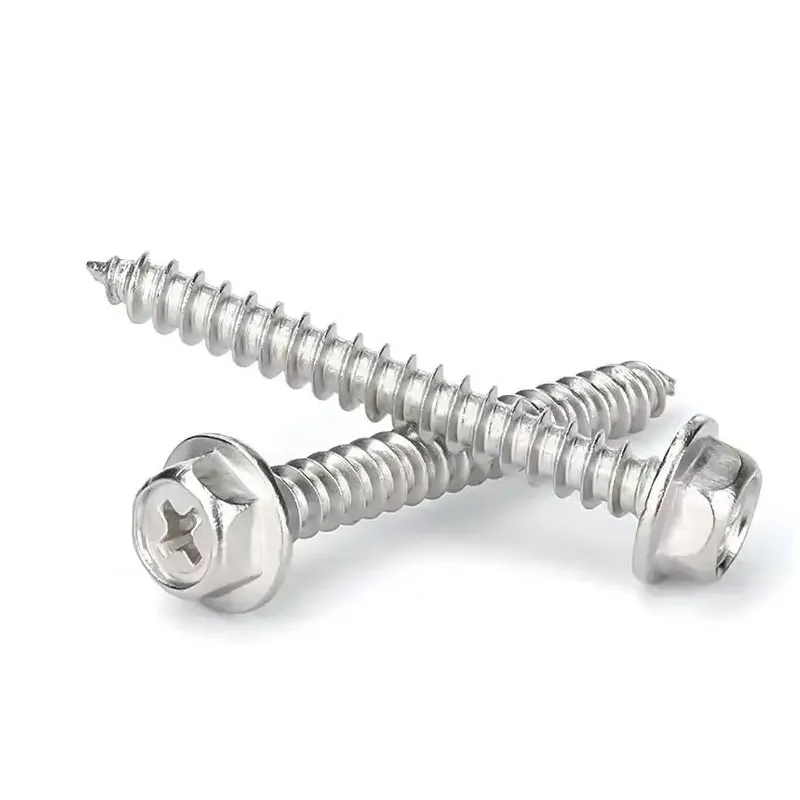
Selecting the right machine screw material is critical for preventing catastrophic failure in outdoor, marine, and chemical environments. While stainless steel (304/316) is the gold standard for rust resistance, ignoring factors like galvanic corrosion or conductivity requirements can lead to costly recalls. We guide manufacturers to balance corrosion performance with mechanical strength and cost.
Corrosion is the silent killer of product longevity. A machine screw that rusts doesn’t just look bad; it seizes, preventing maintenance, or snaps, compromising structural integrity. As manufacturers, we often see designers over-specify (wasting budget) or under-specify (risking failure). This guide breaks down the material hierarchy—from Stainless Steel to Brass and Aluminum—based on real-world application data.
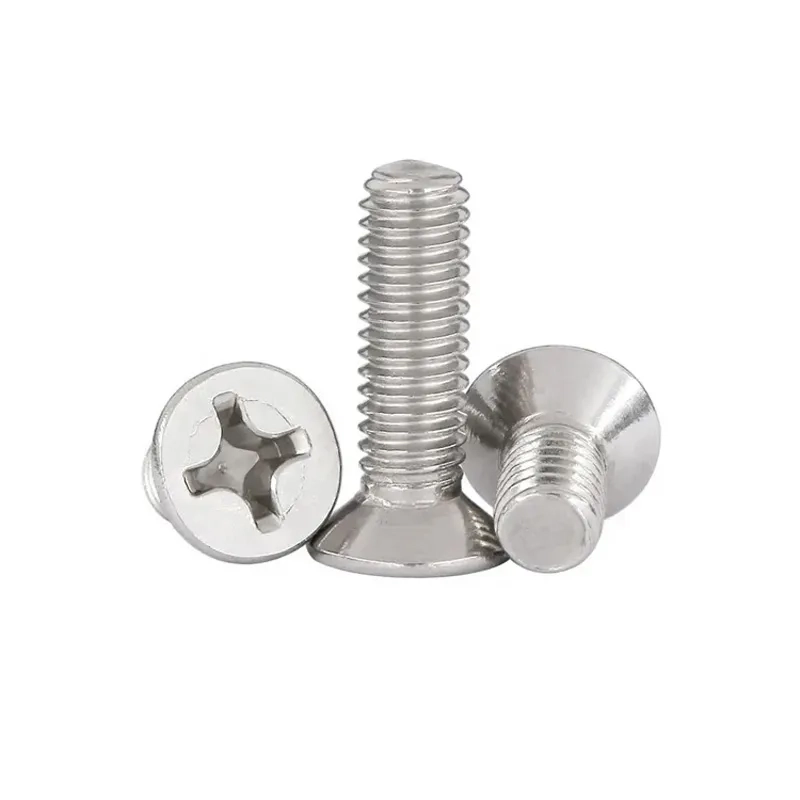
Table of Contents
- What Makes Stainless Steel the Standard for Corrosion Resistance?
- Why is 316 Grade Essential for Marine and Coastal Applications?
- When Should You Choose Brass for Electrical Components?
- Can Aluminum Screws Balance Weight and Weatherability?
- Is Plated Carbon Steel a Viable Cost-Effective Alternative?
- How Does Galvanic Corrosion Dictate Material Pairing?
- Why is Passivation Necessary for Stainless Steel Screws?
1. What Makes Stainless Steel the Standard for Corrosion Resistance?
Stainless steel resists oxidation and moisture primarily due to its chromium content, which forms a passive oxide layer that self-heals when scratched. For general industrial applications, 304 (A2) grade offers excellent resistance to atmospheric corrosion and mild chemicals, making it the default choice for outdoor enclosures and food processing equipment.
The Passive Layer Mechanism
Stainless steel isn’t a coating; the resistance is integral to the alloy.
- The Chemistry: When exposed to oxygen, the chromium on the surface forms a microscopic, airtight film. If the screw is scratched during installation, this film reforms immediately.
- Grade 304 (18-8): Contains approximately 18% chromium and 8% nickel. It is versatile but can show surface rust (tea-staining) in high-salinity areas.
- Common Applications: We frequently supply 304 screws for kitchen appliances, automotive trim, and general outdoor signage where direct salt spray is not a factor.
2. Why is 316 Grade Essential for Marine and Coastal Applications?
316 stainless steel machine screws contain Molybdenum (2-3%), which drastically improves resistance to chlorides and pitting corrosion. In marine or outdoor installations, 316 screws are used to secure enclosure panels and structural components because they resist saltwater corrosion significantly better than standard steel or even 304 fasteners.
Case Study: Preventing Pitting Failure
In a recent project for offshore wind farm monitoring equipment, a client initially specified 304 screws. Within six months, “pitting” (small, deep holes) appeared due to chloride attack from sea spray.
- The Solution: We transitioned production to 316 (A4) Stainless Steel.
- The Result: The fasteners have remained corrosion-free for over two years. While 316 material cost is higher, it eliminated the massive labor cost of replacing seized fasteners in the field.
3. When Should You Choose Brass for Electrical Components?
Brass offers a unique combination of corrosion resistance and electrical conductivity, making it ideal for terminal connections and switchgear. Unlike ferrous metals, brass does not rust; it oxidizes slowly into a protective patina (verdigris), ensuring long-term continuity in electrical equipment without the insulating effect of red rust.
The Conductivity Advantage
While stainless steel is a poor conductor, Brass (an alloy of Copper and Zinc) is excellent for current transfer.
- Application Example: In electrical distribution blocks, brass machine screws are standard. They maintain a tight, corrosion-resistant joint that supports current flow.
- Environmental Limits: Brass is excellent for water and atmospheric exposure but can be susceptible to “dezincification” in certain acidic environments or rapid stress corrosion cracking if high ammonia is present.
4. Can Aluminum Screws Balance Weight and Weatherability?
Aluminum machine screws provide a high strength-to-weight ratio and form a natural, rugged oxide layer that protects against atmospheric corrosion. They are widely chosen for aerospace and automotive applications where weight reduction is a priority, yet they still require resistance to environmental moisture.
Anodizing for Enhanced Protection
While raw aluminum is resistant, we often recommend anodizing for fasteners used in visible or exposed areas.
- Mechanism: Anodizing thickens the natural oxide layer, making it harder and more corrosion-resistant.
- Trade-off: Aluminum screws have lower tensile strength than steel. They are suitable for fastening plastic housings or aluminum panels but should not be used for high-load structural joints.
- Compatibility: Using aluminum screws in aluminum panels eliminates galvanic corrosion risks (discussed in Section 6).
5. Is Plated Carbon Steel a Viable Cost-Effective Alternative?
Carbon steel with protective finishes (like Zinc Plating or Galvanizing) is suitable for indoor or dry environments where cost is the primary driver. However, these are barrier coatings; once the plating is breached by a screwdriver tip or thread engagement, the underlying steel will rust rapidly.
The Economics of Plating
For consumer electronics or indoor furniture, stainless steel is often overkill.
- Zinc Plated (Clear/Yellow): Offers standard protection (typically 48–96 hours in salt spray testing).
- Nickel Plating: Offers better wear resistance and a shiny aesthetic, often used in decorative applications.
- Our Advice: Do not use plated carbon steel in exterior environments unless hot-dip galvanized, as the coating is too thin to withstand sustained moisture.
6. How Does Galvanic Corrosion Dictate Material Pairing?
Galvanic corrosion occurs when two dissimilar metals are in electrical contact in the presence of an electrolyte (like saltwater). Choosing a screw material that is noble (cathodic) relative to the base material prevents the fastener from corroding, but may cause the base material to corrode if not properly insulated.
The “Dissimilar Metal” Rule
This is the most common design error we see: putting a Stainless Steel screw into an Aluminum sheet without precautions.
- The Reaction: Stainless steel is more “noble” than aluminum. In a wet environment, the stainless screw will “eat” the aluminum threads, causing the hole to widen and the joint to fail.
- Prevention:
- Select materials close on the galvanic series.
- Use nylon washers or non-conductive pastes to break the electrical path.
- Apply a protective coating to the cathode (the screw) to reduce the current.
7. Why is Passivation Necessary for Stainless Steel Screws?
Passivation is a chemical treatment (usually nitric or citric acid) that removes free iron contaminants left on the surface from the machining process. This step is crucial to maximize the natural corrosion resistance of stainless steel, ensuring the passive oxide layer forms evenly across the entire screw.
It’s Not Just the Material, It’s the Process
Even 316 stainless steel can show rust spots if machined with dirty tools that leave microscopic iron particles embedded in the threads.
- Standard: We adhere to ASTM A967 for passivation.
- Benefit: This ensures that when the customer receives the screws, the surface is chemically clean and fully optimized for the environment, preventing “rouging” (surface rust) upon installation.
Managing Engineering Risks in Severe-Environment Fastener Procurement
Selecting a material alloy based on a generic chemistry chart is insufficient for high-volume automated OEM production. In harsh marine, chemical, or outdoor applications, unforeseen physical and geometric failure modes can stall assembly lines or cause costly field failures. At Jiliang Hardware (RivetJL), we systematically mitigate three critical severe-environment risks:
- Controlling Plating Thickness and Thread Tolerances: Heavy anti-corrosive coatings (such as thick zinc-nickel alloy electroplating or hot-dip galvanizing) add micro-layers to screw threads. If the underlying thread blank is not precisely under-sized before plating, the finished screw will fail to engage or bind in tapped holes. We utilize precision cold-heading and thread rolling to compensate exactly for coating thickness, ensuring flawless Class 6g or 2A thread fits.
- Preventing Fastener Galling and Seizing: Stainless steel fasteners (especially grades 304 and 316) are highly prone to galling—cold welding due to friction during high-speed pneumatic or robotic installation. Once a fastener galls, it seizes permanently before reaching the required clamping force, halting the assembly line. RivetJL applies proprietary anti-galling wax coatings and dry-film lubricants to guarantee smooth, continuous torque seating.
- Verifying Salt Spray Resistance (SST): B2B procurement requires empirical proof of environmental endurance, not theoretical guesses. Our laboratory executes rigorous Salt Spray Testing matching ASTM B117 standards, providing certified protection ranging from 24 to over 1000 hours based on your exact surface treatment specifications.
Conclusion
There is no “perfect” screw material—only the correct material for the specific environment. 316 Stainless Steel rules the marine world; Brass dominates electrical terminals; and Carbon Steel remains the king of cost for indoor assembly.
Selecting the wrong material costs more than just the price of the screw—it costs your reputation.
At Dongguan Jiliang Machinery Hardware, we help you navigate these trade-offs. We can supply samples of 304, 316, Brass, and Aluminum fasteners for your environmental testing.