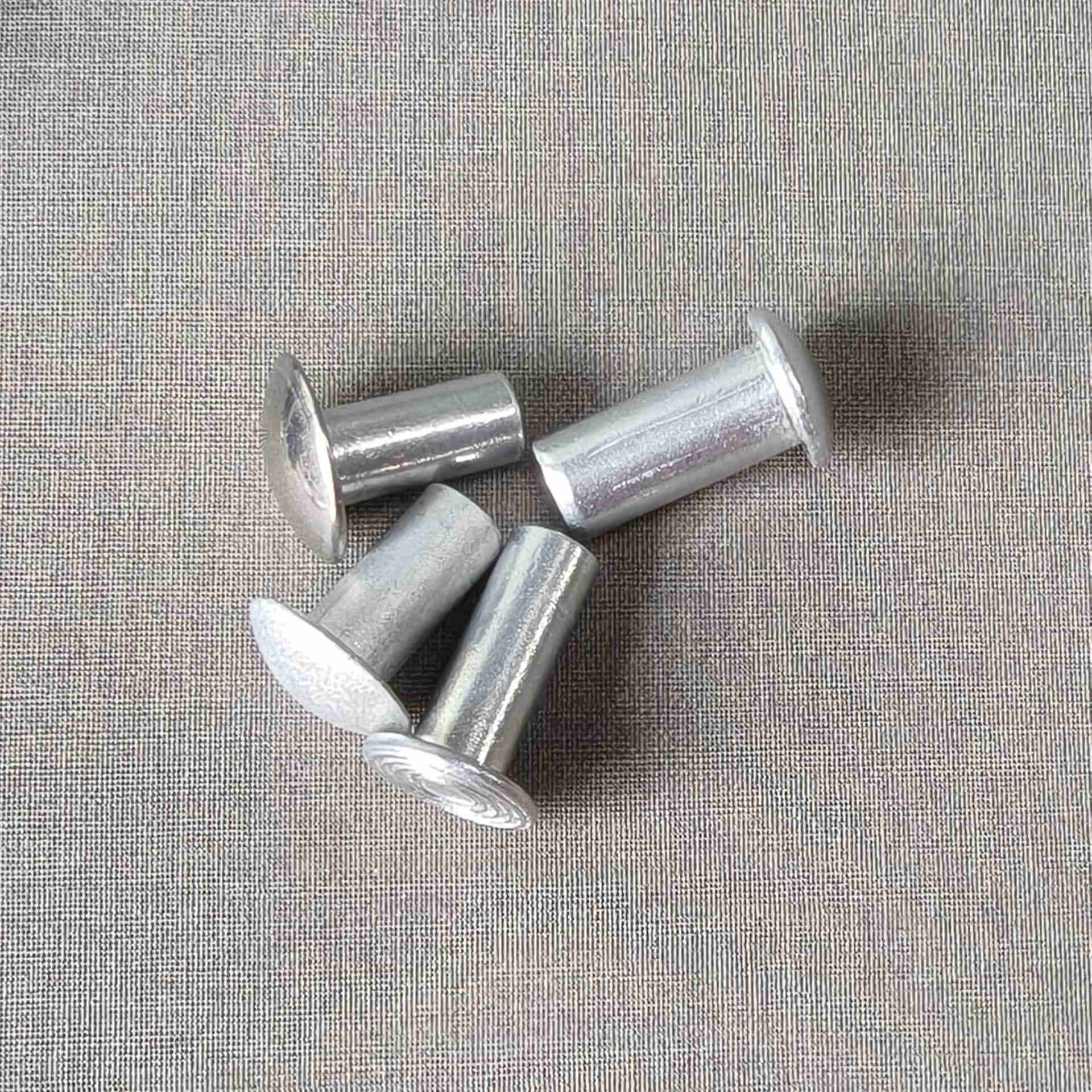
Aluminum rivets are a smart choice for lightweight assemblies because they offer an excellent strength-to-weight ratio, superior corrosion resistance, and cost-effectiveness, making them ideal for industries like aerospace, automotive, and electronics where minimizing weight without compromising structural integrity is critical. Their versatility in joining various materials, combined with ease of installation, further solidifies their position as a preferred fastening solution for modern engineering challenges.

What Makes Aluminum Rivets a Go-To Fastener?
In the world of fastening technology, material choice is paramount. While steel offers immense strength and stainless steel provides superior corrosion resistance, aluminum carves out a unique and indispensable niche. Aluminum rivets have become a cornerstone in manufacturing and assembly for a compelling set of reasons. Their inherent properties make them not just an alternative but often the *optimal* choice, particularly when the final product’s weight is a determining factor for performance and efficiency. From the sleek fuselage of an aircraft to the intricate chassis of a consumer electronic device, the silent, steadfast work of aluminum rivets is everywhere.
Understanding the “why” behind their popularity requires a look at their fundamental characteristics. Unlike heavier metals, aluminum provides significant structural integrity without imposing a weight penalty. This is a game-changer in industries where every gram counts. Furthermore, their natural ability to resist environmental degradation, coupled with their electrical and thermal conductivity, broadens their application scope immensely. When engineers and designers weigh their options, aluminum rivets consistently emerge as a versatile, reliable, and economically sound solution for joining lightweight components securely.
The Unbeatable Strength-to-Weight Ratio
The single most celebrated attribute of aluminum is its remarkable strength-to-weight ratio. Aluminum is approximately one-third the weight of steel, yet specific aluminum alloys can rival the strength of some mild steel grades. This characteristic is not just a minor benefit; it’s a foundational principle in modern design and engineering. In applications where mobility, fuel efficiency, and payload capacity are critical—such as in the aerospace and automotive industries—reducing overall weight (a concept known as “lightweighting”) is a primary objective. Aluminum rivets allow engineers to achieve this goal without sacrificing the structural soundness of the assembly. This means creating lighter, faster, and more fuel-efficient vehicles and aircraft, directly translating to lower operational costs and reduced environmental impact.
Natural Corrosion Resistance
What happens when aluminum is exposed to the environment? It naturally forms a thin, tough, and transparent layer of aluminum oxide on its surface. This passive oxide layer is non-reactive and tenaciously bonded to the metal, acting as a highly effective barrier against moisture, oxygen, and many chemicals. This inherent corrosion resistance makes aluminum rivets exceptionally durable in various conditions, preventing rust and degradation that can plague steel fasteners. For outdoor applications, marine environments, or products exposed to humidity, aluminum rivets provide a long-lasting, low-maintenance fastening solution. While not impervious to all chemicals, their performance in common atmospheric conditions is far superior to that of uncoated steel.
Cost-Effectiveness and Malleability
Beyond its performance benefits, aluminum is an economically intelligent choice. It is one of the most abundant metals in the Earth’s crust, which helps keep its raw material cost relatively low compared to more specialized metals like titanium or certain stainless steel alloys. Furthermore, aluminum’s malleability—its ability to be easily shaped, drawn, and formed without breaking—simplifies the manufacturing process for rivets. This ease of production translates into lower manufacturing costs, which are then passed on to the end-user. For large-scale production runs where thousands or even millions of fasteners are required, these cost savings become significant, making aluminum rivets a budget-friendly option for high-volume assemblies.
Key Applications: Where Do Aluminum Rivets Shine?
The unique combination of low weight, good strength, and corrosion resistance makes aluminum rivets indispensable across a wide spectrum of industries. Their versatility allows them to be used in everything from high-tech aerospace projects to everyday consumer goods. Understanding these specific applications highlights why they are so frequently specified by engineers.
Aerospace and Aviation
The aerospace industry is arguably the largest and most critical user of aluminum rivets. In aircraft construction, minimizing weight is directly linked to fuel efficiency, range, and payload capacity. Every component is scrutinized for its weight. Aluminum rivets, particularly high-strength alloys, are used extensively to join the aluminum sheets that form the aircraft’s skin, fuselage, and wing structures. Their ability to provide a secure, vibration-resistant joint while adding minimal weight is a non-negotiable requirement. Using steel rivets would dramatically increase the aircraft’s weight, making flight inefficient or even impossible.
Automotive Manufacturing
As the automotive industry pivots towards electric vehicles (EVs) and greater fuel efficiency, lightweighting has become a central focus. Lighter cars have a longer range and better handling. Aluminum rivets are used to fasten body panels, attach internal components, and assemble chassis parts made from aluminum or other lightweight materials. Unlike welding, which can be challenging with certain aluminum alloys and can distort thin panels, riveting provides a strong mechanical lock without high heat. This makes them ideal for assembling modern vehicle platforms that incorporate a mix of metals and composites.
Electronics and Enclosures
In the world of consumer electronics, compact and lightweight design is key. Aluminum rivets are used to assemble the chassis and enclosures of laptops, servers, and other electronic devices. Their non-magnetic properties are a crucial advantage here, as they do not interfere with the sensitive electronic components inside. Furthermore, their excellent thermal conductivity can help in passively dissipating heat away from critical processors and circuits, contributing to the overall thermal management of the device.
Marine and Outdoor Equipment
For boats, docks, and outdoor furniture, exposure to moisture and salt is a constant threat. Aluminum rivets are a natural choice for these marine and outdoor applications. Their inherent corrosion resistance prevents unsightly rust streaks and structural degradation over time. They are commonly used to assemble boat hulls, attach fittings to decks, and construct durable outdoor enclosures and signage that must withstand the elements year-round. This longevity ensures a safer and more reliable product with minimal maintenance.
Choosing the Right Type of Aluminum Rivet for Your Project
Not all aluminum rivets are created equal. The specific alloy, head style, and rivet type must be carefully selected to match the demands of the application. Making the right choice ensures optimal performance, safety, and longevity of the joint.
Exploring Different Aluminum Alloys
The properties of an aluminum rivet are largely determined by its alloy—a mixture of aluminum with other elements like magnesium, silicon, or zinc. Each alloy offers a different balance of strength, corrosion resistance, and formability.
- Alloy 1100: This is commercially pure aluminum, known for its excellent corrosion resistance and high ductility. It is not very strong, making it suitable for non-structural applications where sealing or low-stress fastening is the goal.
- Alloy 2117: Often referred to as “aircraft rivet” alloy, this material provides a good combination of strength and formability, making it a popular choice for general-purpose structural riveting.
- Alloy 5052/5056: These alloys, containing magnesium, offer excellent corrosion resistance, especially in marine environments. They also provide higher strength than the 1100 series, making them a versatile choice for boats, outdoor structures, and chemical-exposed assemblies.
- Alloy 7075: One of the highest-strength aluminum alloys available, comparable to many steels. It is used in critical, high-stress applications, primarily in aerospace, where maximum strength-to-weight ratio is essential.
Common Head Styles and Their Uses
The head style of a rivet affects both the final appearance and the load-bearing capability of the joint. Some common styles include:
- Dome Head (Round Head): The most common style, providing a clean, finished appearance and sufficient strength for most general-purpose applications.
- Countersunk Head (Flush Head): Designed to sit flush with the material surface. This is critical for aerodynamic applications (like aircraft skin) or where a smooth, snag-free surface is required.
- Large Flange Head: Features a wider head to distribute the clamping force over a larger area. This is ideal for joining soft or brittle materials, like plastics or thin sheet metal, to prevent the rivet from pulling through.
Solid Rivets vs. Blind Rivets: What’s the Difference?
The most fundamental choice is between solid and blind rivets, which dictates the installation process.
- Solid Rivets: This is the traditional form of rivet—a solid shaft with a head on one end. Installation requires access to both sides of the assembly. The tail is “bucked” or deformed with a rivet gun and bucking bar to form a second head (the buck-tail), creating an extremely strong and reliable joint.
- Blind Rivets: Also known as “pop” rivets, these are revolutionary for modern assembly. They can be installed from just one side of the workpiece, making them essential for applications where the backside is inaccessible. A blind rivet consists of a rivet body and a mandrel. A special tool pulls the mandrel, which deforms the rivet body to create a secure joint, and then the mandrel stem breaks off. While generally not as strong as a properly installed solid rivet, their ease and speed of installation are unmatched.
Installation Guide: How to Properly Install Aluminum Rivets
Proper installation is crucial to achieving the full strength and reliability of a riveted joint. The process differs significantly between solid and blind rivets.
Step-by-Step: Installing Blind (Pop) Rivets
- Drill the Hole: Drill a clean hole through the materials you wish to join. The hole diameter must match the rivet’s specified size for a snug fit.
- Insert the Rivet: Place the blind rivet into the hole, ensuring the rivet’s flange is seated firmly against the material surface.
- Use the Rivet Tool: Place the nosepiece of the blind rivet tool over the mandrel.
- Set the Rivet: Squeeze the tool’s handles. The tool will grip the mandrel and pull it, causing the blind end of the rivet body to expand and clamp the materials together.
- Snap the Mandrel: Continue squeezing until the mandrel reaches its predetermined breaking point and snaps off, leaving a securely set rivet.
Best Practices for Installing Solid Rivets
Installing solid rivets is a more skilled process, often requiring two operators.
- Prepare the Joint: Align the materials and drill a precise hole. For countersunk rivets, the hole must be prepared to accept the flush head.
- Insert the Rivet: Place the solid rivet through the hole.
- Position the Tools: One operator holds a “bucking bar” (a heavy, solid piece of steel) firmly against the tail of the rivet. The other operator uses a pneumatic rivet gun with a “rivet set” (a tool that matches the rivet head shape) on the factory head.
- Drive the Rivet: The rivet gun delivers a series of rapid, powerful impacts, causing the rivet shaft to swell and fill the hole completely while the bucking bar simultaneously deforms the tail into a “buck-tail.”
- Inspect the Joint: The final buck-tail should be uniform and meet specific size requirements (typically 1.5 times the shaft diameter in width and 0.5 times in height) to ensure a proper joint.
Why Choose RivetJL for Your Aluminum Rivets?
When your project demands precision, reliability, and quality, your choice of supplier is as critical as your choice of fastener. At RivetJL, we specialize in providing high-grade aluminum rivets that meet the stringent demands of modern industries. Our commitment to excellence is built on a foundation of superior materials, precision manufacturing, and expert knowledge.
We understand the critical role that fasteners play in the integrity of your final assembly. That’s why we offer a comprehensive range of aluminum rivets, including various alloys, head styles, and types to suit any application. Whether you need high-strength solid rivets for an aerospace application or versatile blind rivets for rapid assembly, our products are manufactured to precise tolerances to ensure consistent performance. Partner with RivetJL and experience the confidence that comes from using fasteners engineered for excellence. Contact us today to discuss your project requirements and discover the perfect riveting solution for your lightweight assembly needs.