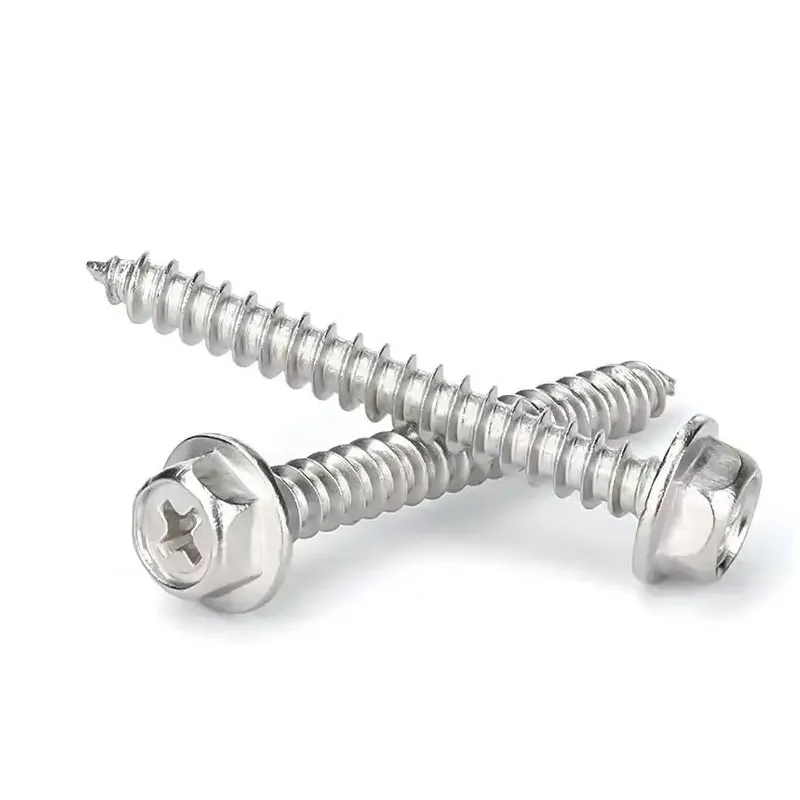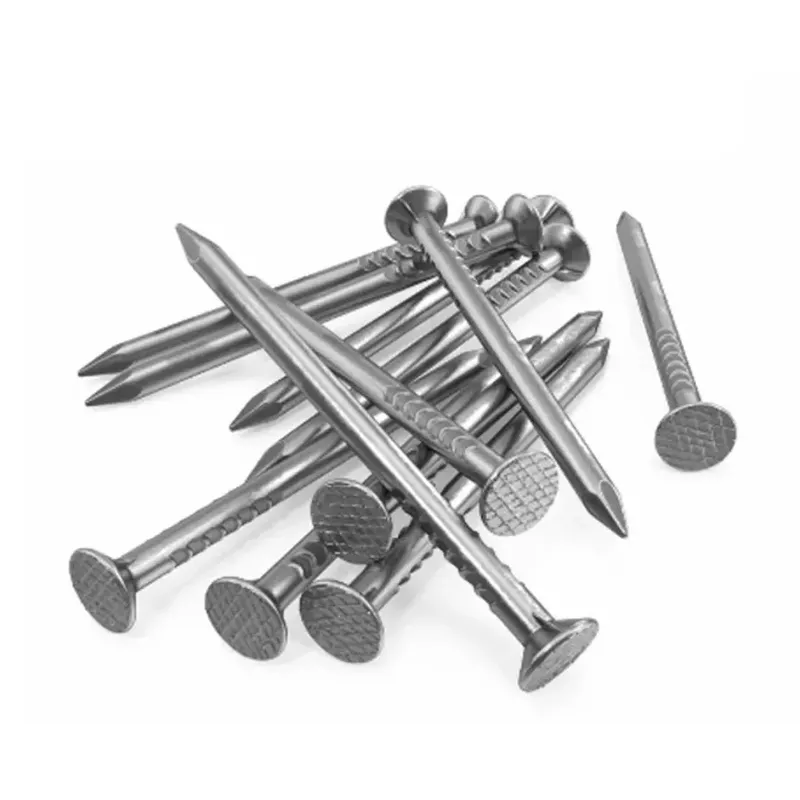
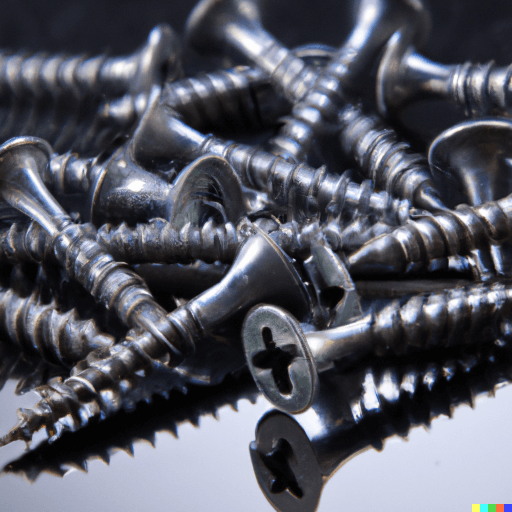
Structural screws are high-strength fasteners engineered to bear significant loads in construction projects, manufactured through a multi-stage process involving cold heading, thread rolling, heat treatment, and protective coating. This meticulous production journey, coupled with rigorous quality control at each step, ensures every screw meets the stringent performance and safety standards required for modern building codes.

How Structural Screws Are Made: A Step-by-Step Guide
The journey from a simple steel wire to a high-performance structural screw is a marvel of modern engineering. Unlike standard screws, structural fasteners are designed to withstand immense shear, tension, and withdrawal forces, making their manufacturing process critically important for the safety and integrity of buildings, decks, and other structures. At RivetJL, we are committed to transparency and excellence, and we want to share the intricate process behind the products you trust. This guide will walk you through each stage, from raw material selection to the final quality inspection, revealing the technology and precision that go into every screw.
Understanding this process helps contractors, engineers, and DIY enthusiasts appreciate why choosing a high-quality, properly manufactured structural screw is non-negotiable. It’s not just a piece of metal; it’s a critical component engineered for strength, durability, and peace of mind. Let’s delve into the specific steps that transform raw steel into a reliable structural fastener.
1. Raw Material Selection: The Foundation of Strength
The entire manufacturing process begins with selecting the right raw material. The performance of a structural screw is fundamentally determined by the quality of the steel it’s made from. For these high-stress applications, specific grades of carbon steel or alloy steel are chosen. These materials are selected for their ideal combination of hardness, tensile strength, and ductility—the ability to deform under stress without fracturing.
The steel typically arrives at the manufacturing facility in the form of large, heavy coils of wire. Before being accepted into production, this wire undergoes initial quality checks. Metallurgical analysis is performed to verify its chemical composition, ensuring it matches the required specifications for elements like carbon, manganese, and silicon. The wire’s diameter and surface condition are also inspected to ensure they are free from defects that could compromise the integrity of the final screw.
2. Wire Drawing and Coating: Preparing the Steel
The raw steel wire from the coil is often not the exact diameter needed for the screw. Therefore, it must first go through a process called wire drawing. The wire is pulled through a series of dies, each with a progressively smaller opening. This process reduces the wire’s diameter to the precise dimension required for the specific screw being manufactured. Wire drawing also has the added benefit of work-hardening the steel, which begins to increase its strength.
After drawing, the wire is typically annealed (heated and cooled slowly) to relieve internal stresses and restore ductility, making it more malleable for the next stage. It is then cleaned to remove any scale or impurities. Finally, a phosphate or lubricant coating is applied. This coating serves two critical purposes: it protects the wire from rust during storage and, more importantly, it acts as a lubricant to reduce friction and heat during the high-pressure cold heading process.
3. Cold Heading: Forging the Screw’s Head
This is where the wire begins to take the recognizable shape of a screw. Cold heading, also known as cold forging, is a high-speed, automated process where a section of the prepared wire is sheared to a specific length and then struck with a series of powerful dies. This is all done at room temperature—hence the name “cold heading.”
The force of the impact forces the steel to flow into the die cavities, forming the screw’s head. Depending on the complexity of the head design (e.g., hex, washer, or countersunk), this may require multiple strikes from different dies. Cold heading is a superior method for forming heads because it doesn’t cut or remove material. Instead, it rearranges the steel’s grain structure to follow the contour of the head, resulting in a finished part that is significantly stronger and more durable than one made by a machining process.
4. Thread Rolling: Creating the Threads
What is the difference between rolled threads and cut threads? This is a crucial distinction in screw manufacturing. Structural screws use rolled threads, not cut threads. In thread rolling, the blank, headless screw is forcefully rolled between two or three hardened steel dies that have the reverse image of the thread pattern engraved on their surfaces.
This immense pressure displaces the metal on the screw blank, forcing it to form the peaks (crests) and valleys (roots) of the thread. Similar to cold heading, this process work-hardens the material, making the threads incredibly strong and resistant to stripping and shear forces. The grain structure of the steel flows along the thread profile, creating a continuous, unbroken grain that enhances fatigue resistance. In contrast, cutting threads would sever these grain fibers, creating a potential weak point.
5. Heat Treatment: Engineering the Final Strength
At this point, the screw has its final shape, but it has not yet achieved the necessary hardness and strength for structural applications. The heat treatment process is a critical, three-step metallurgical transformation:
- Hardening: The screws are heated in a controlled-atmosphere furnace to a very high temperature (typically above 800°C or 1500°F). This alters the crystalline structure of the steel into a state called austenite.
- Quenching: Immediately after reaching the target temperature, the screws are rapidly cooled by being submerged in a quenching medium, usually oil or water. This rapid cooling “freezes” the steel in a very hard, brittle state known as martensite.
- Tempering: The now-hardened screws are brittle and contain internal stresses. To fix this, they are reheated to a lower, precise temperature for a specific duration. This tempering process reduces brittleness, relieves stress, and achieves the final, carefully balanced combination of toughness and hardness required for a reliable structural screw.
The precise temperatures and timings for heat treatment are meticulously controlled, as they directly determine the screw’s final mechanical properties, including its tensile and shear strength.
6. Surface Finishing and Coating: The First Line of Defense
Once the screws have been heat-treated, they need protection against corrosion. The type of protective coating applied is a key factor in the screw’s longevity and suitability for different environments. This stage involves thoroughly cleaning the screws to remove any oils or scale from the heat treatment process, often through tumbling or shot blasting.
Common coating options for structural screws include:
- Zinc Plating: A standard, cost-effective coating for interior or dry applications.
- Hot-Dip Galvanizing: A thick, robust layer of zinc applied by dipping the screws in molten zinc, offering excellent corrosion protection for outdoor use.
- Proprietary Multi-Layer Coatings: Many high-performance structural screws, like those from RivetJL, feature advanced, multi-layer ceramic or polymer-based coatings. These offer superior corrosion resistance, often rated for hundreds or thousands of hours in salt spray tests, making them suitable for treated lumber and harsh exterior environments.
The coating is applied evenly to ensure complete coverage without filling in the threads, which could interfere with installation.
7. Quality Control and Final Inspection
How are structural screws tested for quality? Rigorous quality control is not a single step but a continuous process integrated throughout manufacturing. However, a final, intensive inspection is performed before packaging. This ensures that every batch meets or exceeds industry standards like those from the ICC-ES (International Code Council Evaluation Service).
Key quality control tests include:
| Test Type | Purpose | Method |
|---|---|---|
| Dimensional Analysis | Ensures the screw’s length, diameter, and head dimensions are within strict tolerances. | Calipers, micrometers, and optical comparators are used. |
| Tensile Strength Test | Measures the maximum pulling force the screw can withstand before breaking. | A sample screw is pulled apart in a tensiometer. |
| Torsional Strength Test | Determines the amount of twisting force (torque) the screw can handle before shearing. | The screw is twisted until failure in a torque testing machine. |
| Hardness Test | Verifies that the heat treatment process was successful. | Rockwell or Vickers hardness testers are used to indent the surface. |
| Salt Spray Test | Evaluates the effectiveness of the corrosion-resistant coating. | Screws are placed in a chamber with a salt fog to simulate accelerated aging. |
8. Packaging and Labeling
The final step is packaging. The screws are carefully counted and packaged in durable boxes or containers designed to protect them during shipping and handling. The labeling is just as important as the screw itself. It must clearly state the screw’s specifications, including its size, material, coating type, and any relevant compliance information or evaluation report numbers (e.g., ICC-ESR numbers). This ensures traceability and allows end-users to confirm they have the correct fastener for their specific application.
Choose Quality, Build with Confidence
The manufacturing of a structural screw is a complex and precise process where every step contributes to the final product’s strength, reliability, and safety. From the initial selection of high-grade steel to the final corrosion-resistant coating and rigorous testing, there is no room for shortcuts. At RivetJL, our commitment to this level of quality ensures that every screw you use provides the structural integrity your projects demand. By understanding how these critical fasteners are made, you can make more informed decisions and build with the utmost confidence.