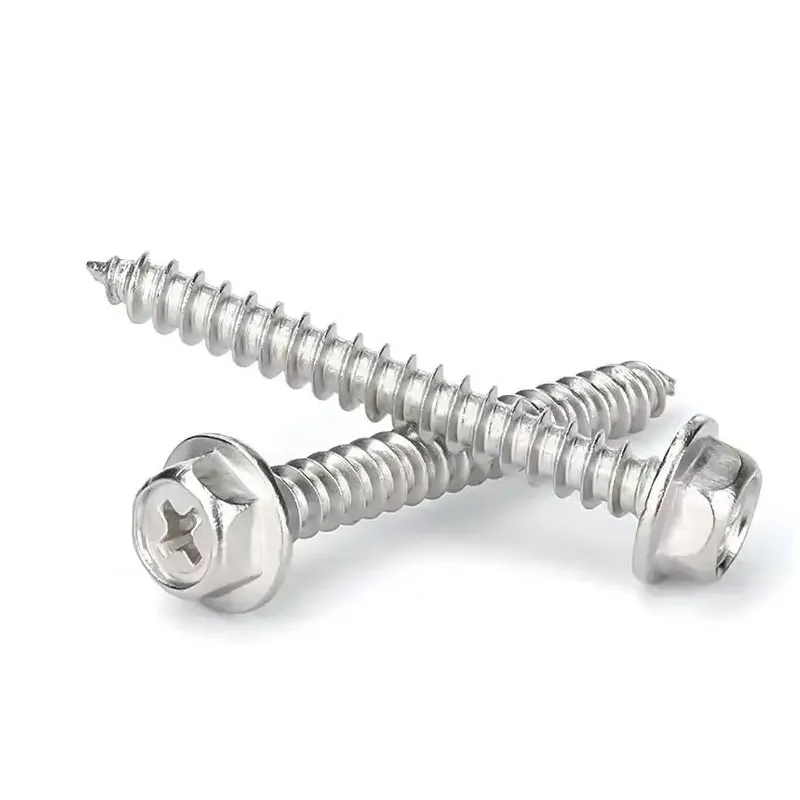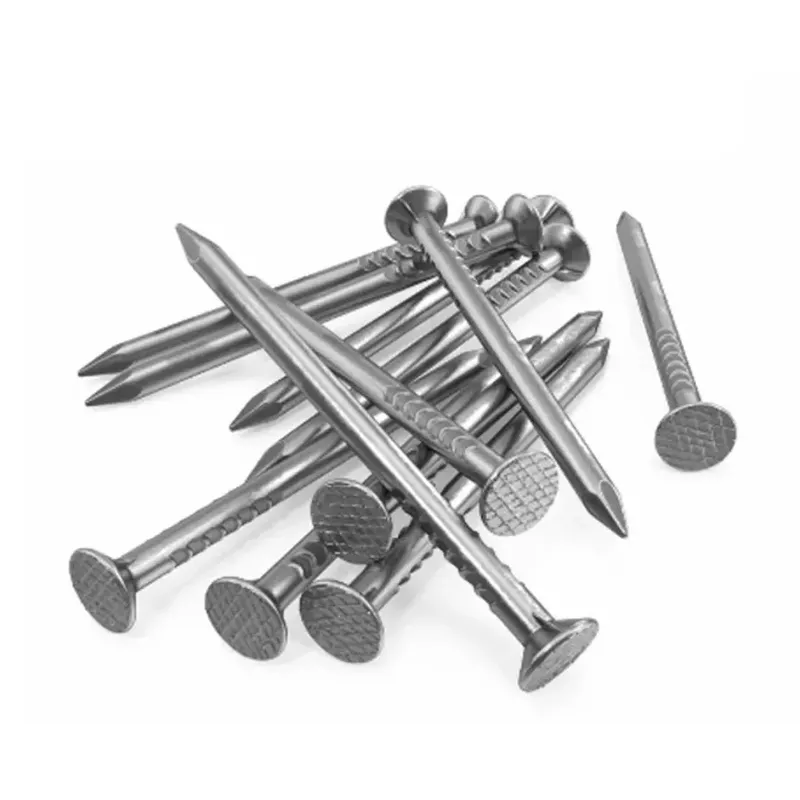
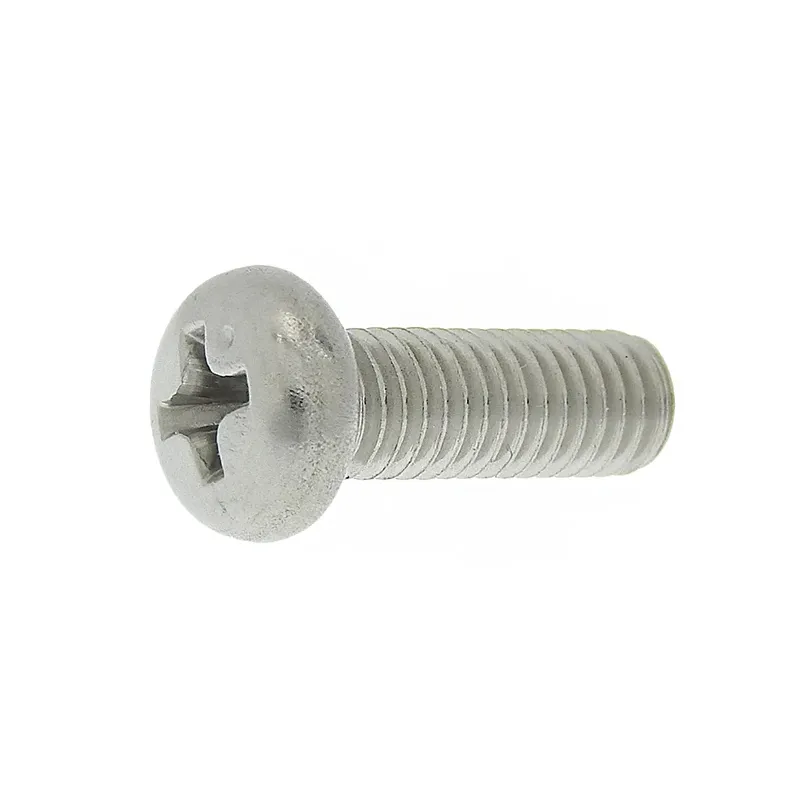
When it comes to modern manufacturing and construction, the humble rivet remains an indispensable fastener, prized for its strength, reliability, and permanence. While a simple concept, the world of rivets is diverse, with specific types engineered for different materials, load requirements, and installation environments. Understanding the six most widely used rivet types—Solid Rivets, Blind Rivets, Split Rivets, Tubular Rivets, Drive Rivets, and Flush Rivets—is crucial for selecting the optimal fastener for any application, ensuring structural integrity and production efficiency. These types vary in design, from the simple, robust solid rivet requiring access to both sides to the innovative blind rivet that can be installed from just one.
What Are the Six Most Common Types of Rivets Used Today?
Rivets are permanent mechanical fasteners that consist of a smooth cylindrical shaft with a head on one end. During installation, the tail end (the end opposite the head) is formed into a second head, called the “shop head” or “buck-tail,” securely clamping the joined materials together. The process, known as riveting, creates a strong, vibration-resistant joint. Unlike screws or bolts, rivets are not intended for repeated disassembly. Their primary advantage lies in creating a permanent, reliable bond capable of withstanding significant shear and tensile forces. From the aerospace industry, where every gram and ounce of strength counts, to everyday consumer goods, rivets provide a dependable fastening solution.
Choosing the right rivet is not a one-size-fits-all decision. The selection process involves a careful analysis of several factors:
- Material Compatibility: The rivet material should be compatible with the materials being joined to prevent galvanic corrosion. Common materials include aluminum, steel, stainless steel, copper, and brass.
- Load Requirements: Will the joint be subjected to shear (sideways) or tensile (pulling) forces? Different rivet types offer varying levels of strength in these areas.
- Accessibility: Can you access both sides of the workpiece? This is the most critical factor in deciding between a solid rivet and a blind rivet.
- Aesthetic and Aerodynamic Needs: Does the finished surface need to be smooth and free of protrusions? This might necessitate the use of a flush or countersunk rivet.
1. Solid Rivets (Conventional Rivets)
Solid rivets are the oldest and most reliable type of fastener, consisting of a solid shaft with a factory-formed head. They are renowned for their exceptional strength and durability, making them a cornerstone of heavy-duty applications where structural integrity is paramount. To install a solid rivet, access to both sides of the workpiece is essential. The process typically involves heating the rivet (for steel applications) and then using a pneumatic hammer or rivet gun to form the buck-tail on the opposite side. This creates a powerful clamping force as the rivet cools and contracts.
When Should You Use Solid Rivets?
Due to their superior strength in both shear and tension, solid rivets are the preferred choice in critical structural applications. Their use is widespread in the aerospace industry for constructing aircraft fuselages and wings, where safety and reliability are non-negotiable. They are also integral to large-scale construction projects like bridges, pressure vessels, boilers, and heavy machinery manufacturing. If your project demands the highest possible joint strength and you have access to both sides of the material, the solid rivet is the unmatched solution.
2. Blind Rivets (Pop Rivets)
What if you can only access one side of the material? This is where the blind rivet shines. Also widely known by the brand name “Pop Rivet,” this ingenious fastener was designed for “blind” installations. A blind rivet consists of a rivet body and a mandrel that runs through it. The installation tool grips the mandrel and pulls it, causing the rivet body to deform and expand on the blind side, creating a secure joint. Once the joint is tight, the mandrel breaks off at a pre-determined point, leaving the rivet permanently in place.
Key Applications and Advantages of Blind Rivets
The primary advantage of blind rivets is their ease and speed of installation from a single side, which drastically reduces assembly time and labor costs. This versatility makes them incredibly popular across a vast range of industries. They are used in automotive manufacturing for attaching body panels, in electronics for securing components to chassis, in HVAC for ductwork assembly, and in countless home repair and DIY projects. Blind rivets are the go-to fastener for applications requiring fast assembly, particularly in enclosed or hard-to-reach spaces like tubes or channels.
| Rivet Type | Primary Advantage | Common Applications | Installation Requirement |
|---|---|---|---|
| Solid Rivet | Maximum strength and reliability | Aerospace, bridges, structural steel | Access to both sides |
| Blind Rivet | Fast installation from one side | Automotive, electronics, general manufacturing | Access to one side |
3. Split Rivets (Bifurcated Rivets)
Split rivets, also known as bifurcated rivets, are designed for light-duty applications and are easily identified by their shank, which is split into two “legs.” They are typically self-piercing in soft materials like leather, wood, plastic, and soft metals. Installation is simple: the rivet is pushed through a pre-drilled hole (or pierces the material directly), and the legs are then bent outwards and flattened against the material, often with a simple hammer or setting tool. This creates a secure, low-profile hold.
Where Are Split Rivets Most Effective?
Split rivets are not intended for high-stress, structural roles. Instead, they excel in light-duty fastening and pivot point applications. You can find them in leather goods like belts and bags, binders and portfolios, electrical components as pivot points, and in home repair projects involving soft materials. Their simplicity and ease of installation without specialized tools make them ideal for quick repairs and manufacturing of consumer goods where high shear strength is not a primary concern.
4. Tubular and Semi-Tubular Rivets
Tubular rivets feature a hole at the end of the shank, which is what distinguishes them from solid rivets. They come in two main variations: fully tubular and semi-tubular. A semi-tubular rivet has a partial hole at the tip, with the depth of the hole typically not exceeding 112% of the shank diameter. This design requires significantly less force to install compared to a solid rivet. During installation, a tool flares the hollowed end outward, rolling it into a secure clinch.
Cost-Effectiveness and Use in High-Volume Production
The reduced force needed for clinching makes semi-tubular rivets a favorite in high-volume, automated manufacturing. The process is extremely fast, reliable, and energy-efficient. They are a common sight in electronics, appliances, luggage, and brake linings. They are particularly effective as pivot points (e.g., in scissors or folding mechanisms) because the rivet swells primarily at the tail, allowing the joint to rotate freely. For manufacturers looking to balance strength with production speed and cost-effectiveness, semi-tubular rivets present an optimal solution.
5. Drive Rivets
How can you install a rivet with just a hammer? The answer is the drive rivet. This type of blind fastener consists of a rivet body and a short, protruding pin (mandrel). To install, the rivet is simply placed into a prepared hole, and the pin is driven flush with the rivet head using a hammer or pneumatic tool. This action forces the end of the rivet body to expand and flare out on the blind side, locking it firmly in place. No special installation tools are required beyond a standard hammer.
Why Choose Drive Rivets for Simple and Quick Fastening?
The defining feature of drive rivets is their unparalleled installation speed and simplicity. They are an excellent choice for joining materials to solid substrates like wood or concrete and for applications where speed is more critical than high clamping force. They are frequently used to attach panels, signs, and nameplates to walls or machinery. While they don’t offer the same structural strength as solid or high-performance blind rivets, their tool-less, rapid installation makes them perfect for architectural and non-structural automotive applications.
6. Flush Rivets (Countersunk Rivets)
Flush rivets, or countersunk rivets, are designed for applications where a smooth external surface is essential. They feature a 100° or 120° countersunk head that sits flush with the surface of the material when installed. To accommodate the head, the material must have a corresponding countersunk or dimpled hole. This design minimizes drag and creates a clean, aesthetically pleasing finish, which is critical in certain high-performance and design-oriented fields.
Importance in Aerospace and High-Speed Applications
The primary driver for using flush rivets is aerodynamics. In the aerospace industry, any protruding rivet head can create turbulence and drag, reducing fuel efficiency and performance. Therefore, the exterior surfaces of aircraft are almost entirely fastened with flush rivets. This principle also applies to other high-speed vehicles like race cars and boats. Beyond performance, they are also used in applications where a smooth finish is desired for aesthetic reasons or to prevent snagging, such as on cabinetry, signs, or high-end enclosures. When performance depends on a smooth exterior or a clean design is a top priority, the flush rivet is the necessary choice.
By understanding the unique characteristics and ideal applications of these six widely used rivet types, engineers, designers, and manufacturers can make informed decisions that enhance product quality, durability, and production efficiency. For expert guidance and a comprehensive selection of high-quality riveting solutions, contact the specialists at RivetJL today.