Choosing the right fastener is a critical decision in engineering and manufacturing that extends far beyond the initial assembly. It directly impacts a product’s entire lifecycle, from its structural integrity to the cost and complexity of future maintenance. Both machine screws and rivets are exceptional at creating strong, reliable joints, but they are designed with fundamentally different philosophies regarding serviceability. Understanding this difference is key to selecting the optimal fastener for your application.

Table of Contents
- Ease of Service and Replacement: A Head-to-Head Comparison
- Servicing Components with Machine Screws: The Pros and Cons
- Replacing and Servicing Riveted Joints: A Deliberate Process
- At a Glance: Serviceability Comparison Table
- What Are the Most Common Failure Modes of Machine Screws?
- Vibration Loosening: The Persistent Challenge
- Thread Stripping and Galling: The Risk of Reassembly
- Corrosion: The Environmental Enemy
- Shear and Tensile Failure: Exceeding the Limits
- How Do Rivet Failures Compare?
- Choosing the Right Fastener for Your Application’s Lifecycle
- Conclusion: Prioritizing Planned Serviceability or Inherent Durability?
Ease of Service and Replacement: A Head-to-Head Comparison
The debate between screws and rivets often boils down to one question: Do you plan to take it apart? The answer dictates not just the ease of disassembly but also the long-term reliability of the joint itself. Let’s explore the practical realities of servicing components fastened by each method.
Servicing Components with Machine Screws: The Pros and Cons
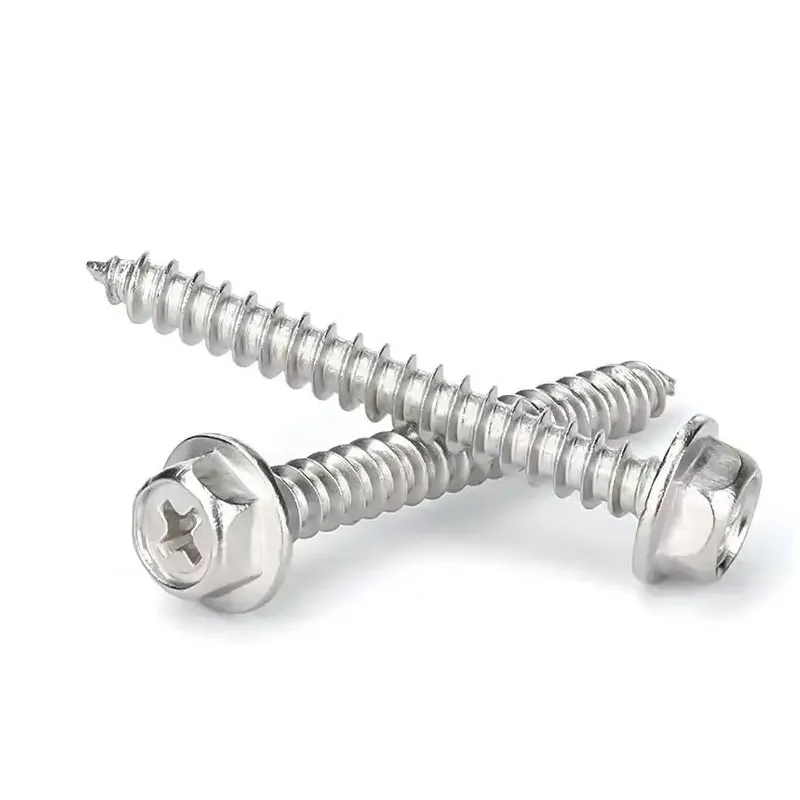
Machine screws are the champions of non-destructive, planned service. Their primary advantage is that they are designed for both installation and removal.
- The Process: Servicing a screw-fastened component is straightforward. Using a standard tool like a screwdriver or wrench, the screw can be unthreaded and removed, granting access to the parts beneath. The same screw can often be reused for reassembly.
- The Advantages: This process is fast, requires common tools, and, when done correctly, does not damage the screw or the joined materials. It’s ideal for access panels, electronic enclosures, and modular components that require regular inspection, repair, or replacement.
- The Hidden Costs of Service: However, this convenience is not without its drawbacks. Each cycle of removal and reinstallation introduces wear on the threads. Over-torquing during reassembly can strip the threads in the hole or on the screw itself, while under-torquing can lead to loosening. This means that while planned service is easy, screws can create the need for unplanned service to address these very issues.
Replacing and Servicing Riveted Joints: A Deliberate Process
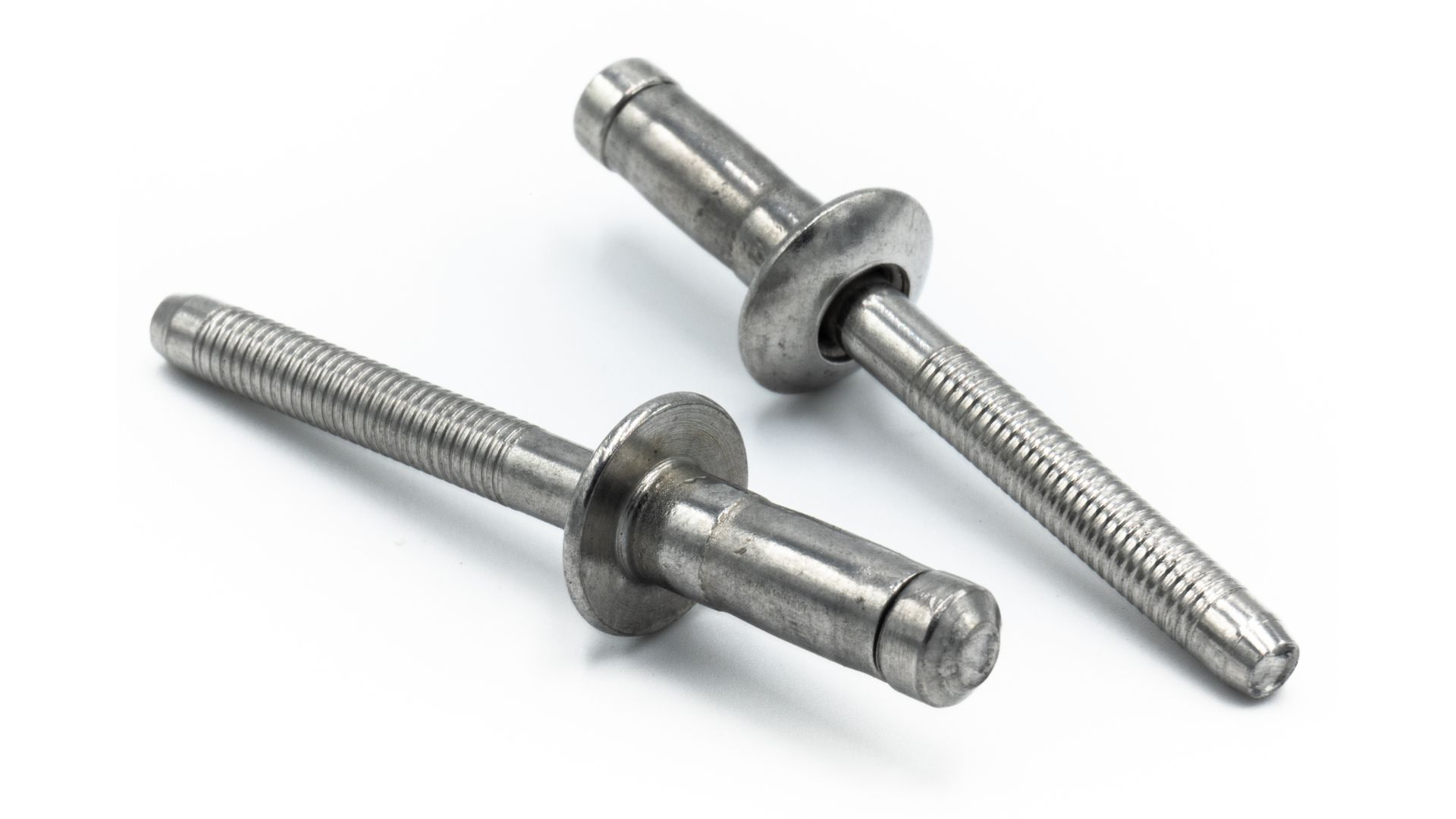
Rivets, particularly solid and semi-tubular rivets, are designed to be permanent. They create a solid, interference-fit joint that resists loosening. Servicing a riveted joint is a destructive, deliberate process meant for end-of-life replacement, not routine access.
- The Process: To remove a rivet, a technician must physically destroy it. The most common method is to drill through the center of the rivet’s head with a bit slightly larger than the shank diameter. This decapitates the rivet, allowing the shank to be punched out. Grinding the head off is another, though less precise, option.
- The Disadvantages: This process is inherently more complex and time-consuming than unscrewing a screw. It requires specific tools (drill, punch), creates metal shavings, and carries a risk of damaging the parent material if the drill is not perfectly centered. The removed rivet is destroyed and cannot be reused.
- The Overlooked Advantage: The crucial point is that riveted joints rarely require service. Their superior resistance to vibration and their permanent nature mean they do not loosen over time. Therefore, the difficult removal process is a trade-off for a “set-it-and-forget-it” joint that enhances the overall structural integrity and eliminates a common point of failure, thereby reducing the total lifetime service requirements.
At a Glance: Serviceability Comparison Table
This table provides a clear, side-by-side look at the key differences in servicing and replacing these two fastener types.
| Factor | Machine Screws | Rivets (Solid/Semi-Tubular) |
|---|---|---|
| Removal Process | Non-destructive; unthreading with standard tools. | Destructive; requires drilling or grinding. |
| Ease of Removal | Easy. Designed for disassembly. | Difficult. Requires skill and specific tools. |
| Reusability | Yes, typically reusable several times. | No, the rivet is destroyed during removal. |
| Risk of Damage during Service | Low risk to parent material, but high risk of thread stripping or cross-threading over time. | Moderate risk of enlarging the hole or marring the surface if not done carefully. |
| Tools Required for Removal | Standard screwdrivers, wrenches, or hex keys. | Drill, drill bits, center punch, hammer. |
| Need for Unplanned Service | Higher; prone to loosening from vibration, requiring periodic retightening. | Extremely low; highly resistant to vibration loosening. |
What Are the Most Common Failure Modes of Machine Screws?
Understanding why machine screws fail is essential to appreciate the serviceability comparison fully. Their removability is linked directly to their most common failure modes. Because they rely on thread friction and clamping force to hold fast, any factor that compromises these forces can lead to joint failure.
Vibration Loosening: The Persistent Challenge
This is arguably the most common failure mode for threaded fasteners. In environments with vibration or thermal cycling, microscopic transverse movements can occur between the threads of the screw and the hole. Over thousands of cycles, these small slips can overcome the static friction holding the screw in place, causing it to gradually unwind and lose its clamping force. This leads to a loose, rattling joint that has lost its structural integrity and requires immediate (unplanned) service.
Thread Stripping and Galling: The Risk of Reassembly
Thread stripping occurs when the shear strength of the thread material is exceeded. This is often caused by over-torquing during installation or reassembly. It can damage the threads on the screw (external) or in the tapped hole (internal), rendering the fastener useless. Thread galling, or cold-welding, is another issue where pressure and friction between sliding threads cause them to seize and tear, a common problem with stainless steel screws. Both issues are major risks during repeated servicing.
Corrosion: The Environmental Enemy
Screws are susceptible to various forms of corrosion, especially if the material or plating is not suitable for the operating environment. Galvanic corrosion can occur when a screw made of a different metal is used in a component, creating an electrochemical cell. This weakens the fastener and can make it impossible to remove without shearing it off, effectively turning a “serviceable” joint into a destructive removal scenario.
Shear and Tensile Failure: Exceeding the Limits
Every screw has a defined tensile (pulling) and shear (slicing) strength. If the load on the joint exceeds these limits, the screw will fail catastrophically. Tensile failure often results from extreme over-torquing, which stretches the screw beyond its elastic limit. Shear failure occurs when forces perpendicular to the screw’s axis are too great. While this is a design issue, a joint that has loosened due to vibration is more susceptible to shear failure because the clamping force is no longer properly distributing the load.
How Do Rivet Failures Compare?
While exceptionally reliable, rivets are not infallible. However, their failure modes are distinctly different from screws and are almost always related to improper installation rather than in-service degradation.
- Improperly Formed Buck-tail: On a solid rivet, if the buck-tail (the formed head on the non-factory side) is too small, cracked, or off-center, it will not provide the necessary clamping force or hole-fill.
- Material Mismatch: Using a rivet material that is too hard can damage the hole, while one that is too soft may not provide adequate strength.
- Corrosion: Like screws, rivets can corrode if the material is not chosen correctly for the environment.
The crucial difference is that these are typically quality control issues identified during or shortly after assembly. A properly installed rivet creates a solid, unified joint that does not degrade from vibration or normal operational stresses.
Choosing the Right Fastener for Your Application’s Lifecycle
The decision to use a machine screw or a rivet should be based on a holistic view of the product’s intended use and service life.
Choose Machine Screws When:
- Regular access is required. Think of computer cases, battery compartments, and machinery access panels.
- Components are modular and may need upgrading or replacement.
- The operating environment has minimal vibration.
- The cost of potential thread-locking compounds or more frequent inspections is acceptable.
Choose Rivets When:
- Structural integrity and permanence are the top priorities. Examples include aircraft fuselages, bridge structures, and heavy-duty chassis frames.
- The assembly will be exposed to significant vibration, shock, or thermal cycling.
- You want to eliminate the possibility of tampering or unauthorized disassembly.
- The goal is to minimize maintenance and inspection needs over the product’s lifespan, prioritizing a low “total cost of ownership.”
Conclusion: Prioritizing Planned Serviceability or Inherent Durability?
In the direct comparison of service and replacement, machine screws are far easier to handle for planned, repeatable disassembly. Their design is centered on this very function. However, this strength is also tied to their greatest weakness: a susceptibility to loosening and thread damage that necessitates unplanned service and vigilance.
Rivets offer a different paradigm. They trade easy removability for exceptional joint permanence and reliability. The service process is more involved, but the need for it is drastically reduced. For any application where structural integrity, vibration resistance, and long-term durability are paramount, a rivet provides a robust, “fit-and-forget” solution. The choice is not simply about which is easier to remove, but about which fastener better aligns with the strategic service philosophy of your entire product.