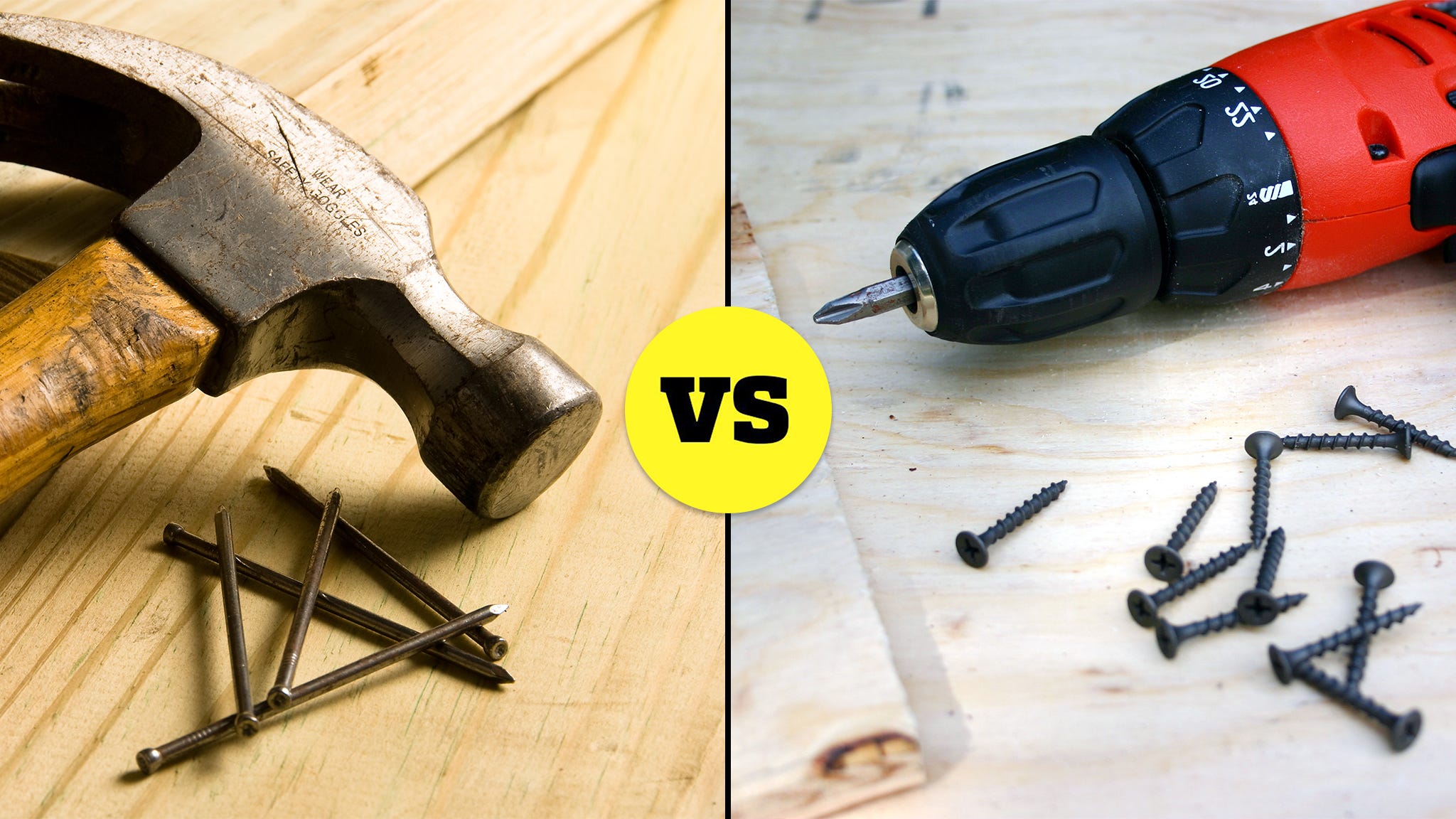
Yes, both nail screws and traditional screws offer significantly better pull-out strength than standard smooth-shank nails. This superior performance is due to their threaded design, which creates a mechanical lock with the wood fibers. While a nail relies purely on the friction of its smooth shank against the wood, the threads of a screw or nail screw actively grip the material, requiring much more force to be withdrawn. This fundamental difference in engineering makes threaded fasteners the clear winner for applications where resisting pull-out forces is critical for safety and longevity.

Table of Contents
- Understanding the Core Concepts: Pull-Out Strength vs. Shear Strength
- The Contenders: A Closer Look at Each Fastener
- Head-to-Head Comparison: Pull-Out Strength by the Numbers
- Why Do Threads Make Such a Big Difference? The Physics of Grip
- Practical Applications: When Should You Use a Nail Screw?
- Choosing the Right Fastener: A Decision-Making Guide
- Conclusion: The Decisive Advantage of Nail Screws in Pull-Out Strength
Understanding the Core Concepts: Pull-Out Strength vs. Shear Strength
Before we can definitively compare fasteners, it’s essential to understand the two primary forces they are designed to resist. Confusing these two concepts is a common mistake that can lead to improper fastener selection and potential structural failure. The choice between a nail, screw, or nail screw often comes down to which of these forces is more dominant in a specific application.
What is Pull-Out (Withdrawal) Strength?
Pull-out strength, also known as withdrawal strength, measures a fastener’s ability to resist being pulled straight out from the material it’s driven into. Imagine trying to pull a nail out of a board with a claw hammer—the force you are exerting is a pull-out force. This type of strength is paramount in applications like decking (where boards can cup and try to lift the fastener), subflooring (preventing squeaks caused by vertical movement), and attaching anything to a ceiling where gravity is constantly trying to pull the object down.
What is Shear Strength?
Shear strength, on the other hand, measures a fastener’s ability to resist forces that are applied perpendicular to its shank—forces that try to slice or snap it in half. Think of the fasteners holding the joists and studs together in the frame of a house. The weight of the structure pushes downward, creating a shearing force on the nails or screws. Traditional nails, due to their typically thicker, unthreaded shanks and softer steel composition, often exhibit superior shear strength compared to screws of a similar diameter, which can be more brittle.
The Contenders: A Closer Look at Each Fastener
To understand the performance differences, let’s examine the design and function of each fastener type. Each has evolved for a specific purpose, offering a unique balance of strength, installation speed, and cost.
The Traditional Nail (Smooth Shank)
The simplest of the group, a smooth-shank nail relies entirely on static friction between its shank and the surrounding wood fibers. When driven, it displaces the fibers, which then press back on the nail. While this provides an initial hold, factors like wood shrinkage, expansion, and vibration can easily reduce this friction over time, leading to a significant loss of holding power and causing the nail to loosen or “pop.” Their primary advantages are low cost and extremely fast installation with a hammer or pneumatic nailer.
The Ring Shank Nail (An Improvement)
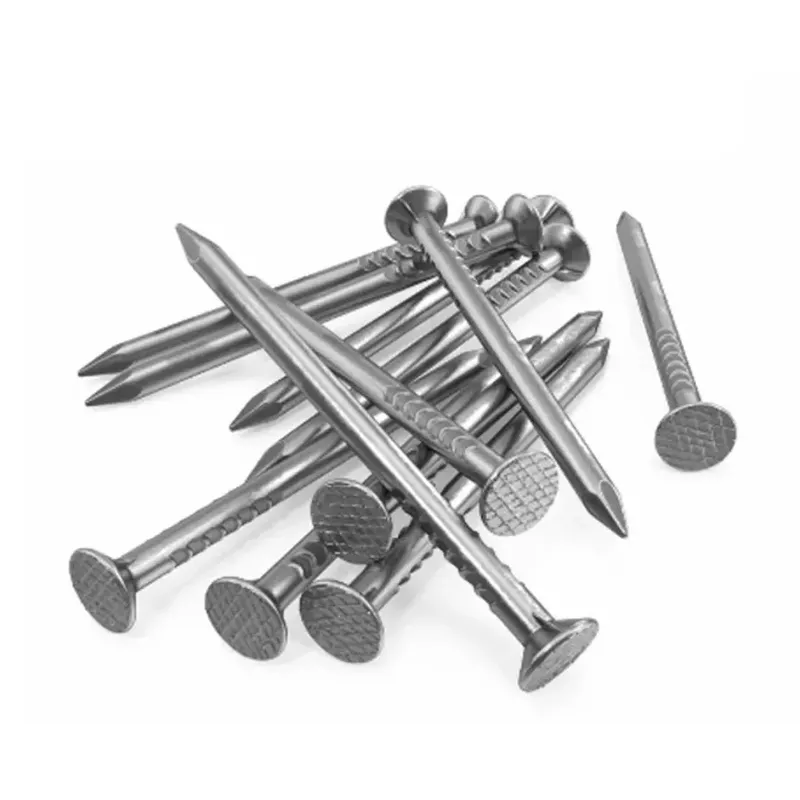
A ring shank nail is an upgraded version of a traditional nail. Its shank is covered in a series of concentric rings. When driven into wood, these rings act like small barbs, significantly increasing the surface area and creating a more aggressive grip. The wood fibers lock into the grooves of these rings, providing substantially more pull-out resistance than a smooth-shank nail. However, they are still installed by displacement and do not form the true mechanical lock of a screw.
The Wood Screw (The Gold Standard for Grip)
A wood screw operates on a completely different principle. Its sharp threads don’t just displace wood fibers; they cut into them, creating a new, interlocking path. This forms a powerful mechanical lock, similar to a nut and bolt. The screw’s threads engage a much larger volume of wood, distributing the load and providing exceptional pull-out strength. The trade-off is a much slower installation process, and their hardened, often more brittle nature can give them lower shear strength than a comparable nail.
The Nail Screw (The Hybrid Solution)
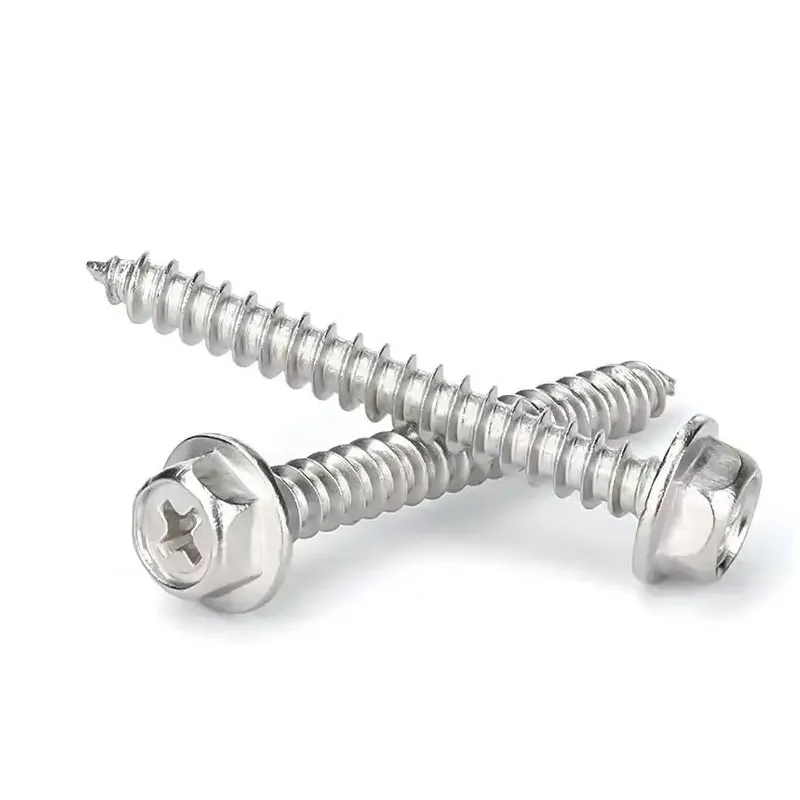
The nail screw is an innovative hybrid designed to offer the best of both worlds. It features a threaded shank like a screw but is often designed to be installed with a pneumatic nailer, just like a nail. This provides the rapid installation speed required in production environments while delivering the superior pull-out strength characteristic of a screw. Some nail screws are also designed for removal with a drill, adding a layer of versatility not found in nails. They effectively bridge the gap for applications needing both speed and holding power.
Head-to-Head Comparison: Pull-Out Strength by the Numbers
While exact force values vary based on wood species, moisture content, and fastener dimensions, a relative comparison clearly illustrates the performance hierarchy. The table below provides a clear overview of how these fasteners stack up against each other.
| Fastener Type | Primary Holding Mechanism | Relative Pull-Out Strength | Relative Shear Strength | Ideal Applications |
|---|---|---|---|---|
| Smooth Shank Nail | Friction | Low | High | Structural framing, temporary connections. |
| Ring Shank Nail | Friction & Barbs | Medium | High | Siding, roofing, some decking applications. |
| Wood Screw | Mechanical Lock (Threads) | Very High | Medium-Low | Cabinetry, furniture, finishing, removable fixtures. |
| Nail Screw | Mechanical Lock (Threads) | High to Very High | Medium-High | Subflooring, sheathing, crating, decking, pallet assembly. |
Why Do Threads Make Such a Big Difference? The Physics of Grip
The reason for the vast difference in pull-out strength lies in the physics of how each fastener engages with the wood. A nail acts like a wedge, pushing fibers apart. The holding power comes from the wood’s natural elasticity trying to spring back into place. Over time, as the wood dries and shrinks or experiences vibration, this pressure lessens, and the nail’s grip weakens.
In contrast, a screw’s threads function like a miniature, continuous ramp or helix that carves its own path. Instead of just being squeezed, the wood fibers are now locked above and below the thread. To pull a screw out, you aren’t just overcoming friction; you must physically destroy the wood fibers that have formed a solid mechanical barrier along the entire threaded length. This is why a screw requires significantly more energy and force to be withdrawn, providing a more permanent and reliable connection against pull-out forces.
Practical Applications: When Should You Use a Nail Screw?
The unique combination of speed and strength makes nail screws the superior choice for many modern construction and industrial applications where performance cannot be compromised. Here are some prime examples where nail screws excel.
Subflooring
This is a classic application for nail screws. Floor squeaks are primarily caused by the subfloor moving up and down on the nails that hold it to the joists. The immense pull-out strength of nail screws locks the subfloor down tight, eliminating this vertical movement and preventing future squeaks, ensuring a silent and solid floor for the life of the building.
Decking and Docks
Deck boards are constantly exposed to weather, causing them to expand, contract, and cup. These forces exert a strong, continuous upward pull on fasteners. Nail screws provide the necessary withdrawal resistance to keep boards securely fastened, preventing dangerous “nail pops” and ensuring a safe, stable surface.
Crating and Pallet Assembly
Goods shipped in wooden crates or on pallets are subjected to intense vibration and shock during transport. Standard nails can easily work themselves loose, compromising the integrity of the container. The threaded grip of nail screws ensures that crates and pallets hold together, protecting their valuable contents from damage.
Sheathing and Siding
Wall and roof sheathing must be securely attached to the frame to resist wind uplift forces. Nail screws provide a much more secure attachment than smooth-shank nails, creating a stronger, more resilient building envelope that can better withstand severe weather events.
Choosing the Right Fastener: A Decision-Making Guide
Selecting the optimal fastener is a matter of matching its strengths to the demands of the job. By asking “What forces will this connection need to resist?” you can make an informed decision.
- For projects where shear strength and speed are the top priorities, like structural framing: Traditional nails are often the most efficient and cost-effective choice.
- For projects demanding maximum pull-out strength and removability, such as building furniture or installing cabinets: Traditional screws are unbeatable.
- For projects demanding both rapid, pneumatic installation AND high pull-out strength, such as subflooring, decking, and crating: Nail screws are the clear, superior engineering solution. They provide the security of a screw with the efficiency of a nail.
Conclusion: The Decisive Advantage of Nail Screws in Pull-Out Strength
The debate between nails and screws is one of nuance, but when the specific question is about pull-out strength, the answer is unequivocal. The threads on nail screws and traditional screws provide a mechanical lock that is fundamentally superior to the friction-based grip of a nail. While nails have their place in construction, particularly where shear forces dominate, they cannot compete in withdrawal resistance. Nail screws emerge as a powerful problem-solver, delivering the screw-like holding power needed to prevent loosening, squeaks, and failure in high-stress applications, all while maintaining the installation speed that modern job sites demand. Understanding these critical differences empowers builders, engineers, and DIYers to select the optimal fastener, ensuring the quality, safety, and longevity of their work.