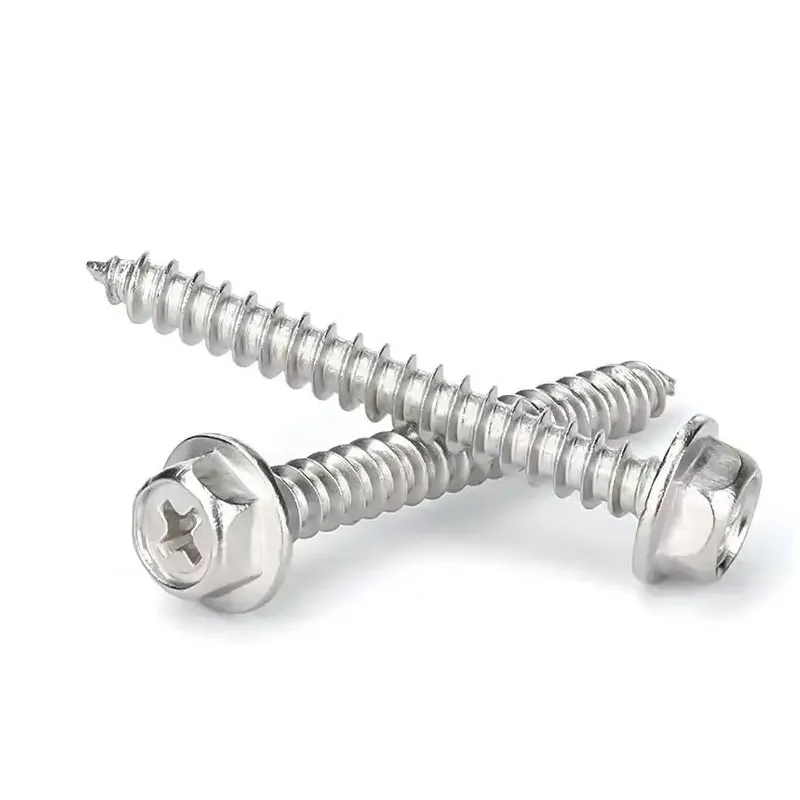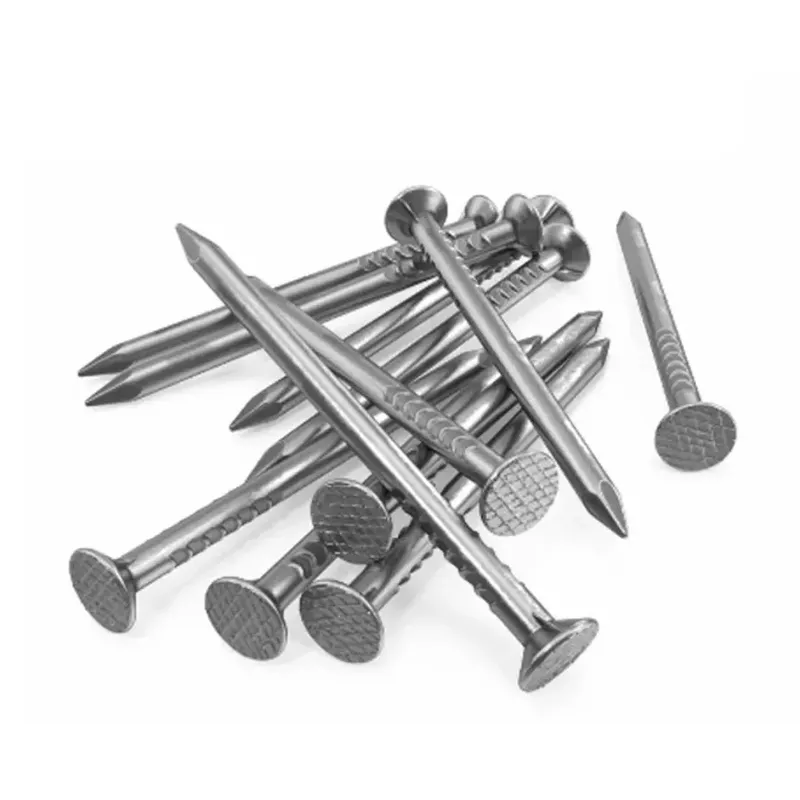
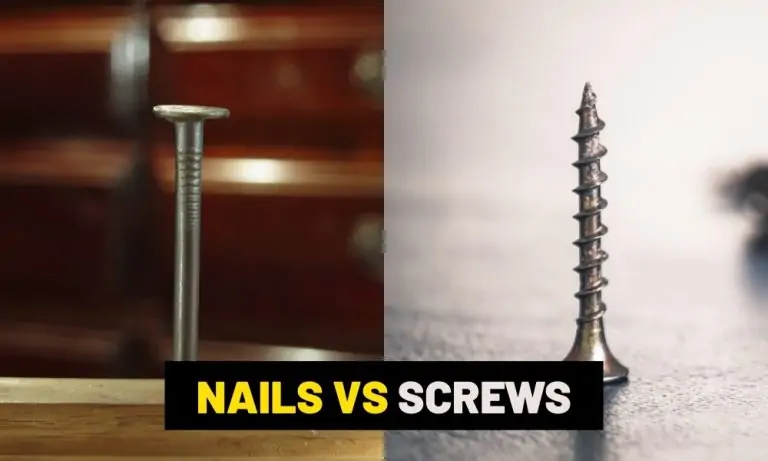
Choosing the right nail screw (also known as a collated threaded nail or drive screw) is fundamentally different from selecting a standard wood screw or bulk nail. Because nail screws are designed to be driven pneumatically at high speeds while delivering the extreme withdrawal resistance of a threaded fastener, the selection process requires a deep understanding of both installation mechanics and structural holding power.
For OEM manufacturers, pallet builders, and commercial contractors, specifying the wrong nail screw leads to jammed pneumatic tools, shattered wood substrates, or catastrophic joint failure.
This comprehensive guide breaks down the critical engineering factors you must evaluate when sourcing nail screws for high-volume, heavy-duty applications.
1. Collation Type: The Key to Pneumatic Efficiency
Unlike standard bulk screws, nail screws are almost exclusively used in high-volume applications and fired through pneumatic nail guns. Therefore, the collation method—how the nail screws are banded together—is the first and most critical factor, as it must match your existing tooling.
Wire-Weld Collation (15° or 16° Coil): The fasteners are welded to two thin wires. This is the industry standard for pallet manufacturing, crating, and heavy-duty fencing. Wire coils hold a massive number of nail screws (often 200–400 per coil), minimizing reload downtime for assembly line workers.
Plastic Sheet Collation (0° or 15° Coil/Strip): The nail screws are held in a durable plastic band. This type is favored in subflooring and decking because it resists water damage on outdoor job sites and eliminates the risk of sharp metal wire flags being left under the screw head after firing.
Paper Tape Collation (30° to 34° Strip): Used primarily in structural framing. Paper tape is lightweight and leaves no plastic or wire debris behind, making it ideal for clean job sites.
2. Thread Design: Balancing Drive Speed and Withdrawal Resistance
The thread geometry of a nail screw is uniquely engineered to spin as it is driven by the sheer blunt force of a pneumatic striker.
Asymmetrical / Helical Threads: High-quality nail screws feature a steep, asymmetrical helical thread pitch. This allows the fastener to penetrate the wood rapidly without crushing the fibers, while the flat backside of the thread locks firmly into the substrate to prevent the fastener from backing out under dynamic vibration.
Thread Length: * Fully Threaded: Best for thin materials or when joining two extremely dense hardwoods where maximum grip is required across the entire shaft.
Partially Threaded (Shouldered): Essential for applications like subflooring or decking. The unthreaded upper shank allows the top material to pull tightly against the substrate, closing any gaps and preventing squeaks.
3. Metallurgy and Coatings: Matching the Environment
The base material and surface engineering of the nail screw dictate its lifespan and structural integrity. A fastener used in indoor automated packaging requires vastly different chemistry than one used in marine decking.
| Material / Coating | Corrosion Resistance | Ideal Industrial Applications |
| Bright Basic (Uncoated Carbon Steel) | Low (Indoor only) | Disposable wooden pallets, interior crating, indoor furniture framing. Cost-effective for high-volume, dry environments. |
| Electro-Galvanized (Zinc Plated) | Moderate | Subflooring, interior construction, and temporary exterior fixtures. Provides basic rust protection. |
| Hot-Dip Galvanized (HDG) | High | Heavy-duty exterior framing, fencing, and landscaping. The thick zinc coating withstands significant weather exposure. |
| Advanced Polymer / Ceramic Coatings | Very High | ACQ pressure-treated lumber decking. These proprietary coatings resist the highly corrosive copper compounds found in modern treated wood. |
| 304 / 316 Stainless Steel | Extreme | Marine construction, boardwalks, and coastal environments exposed to salt spray. |
4. Drive Type: Ensuring Easy Removal
The secondary function of a nail screw—and what separates it from a standard nail—is its removability. If a wooden shipping crate needs to be dismantled by the end-user, or a deck board needs replacing, the drive recess must withstand the torque of a power drill without stripping.
Square Drive (Robertson): Offers excellent torque transfer and significantly reduces cam-out (the bit slipping out of the head). Very common in the crating and cabinetry industries.
Torx / Star Drive: The premium standard for high-torque applications. The 6-point star design absorbs massive rotational force, making it nearly impossible to strip the head, even after years of being embedded in dense hardwood.
Phillips / Slotted: While still manufactured, these are generally avoided in modern high-performance nail screws due to their high tendency to strip under heavy load.
5. Gauge and Length: The Physics of the Joint
Specifying the correct dimensions is a matter of structural physics.
Shank Diameter (Gauge): A thicker gauge (e.g., .113″ or .131″) provides higher shear strength, preventing the fastener from snapping under lateral movement. However, driving a thick gauge into dense hardwood without pre-drilling increases the risk of splitting the wood.
Length: The golden rule of fastening is that the nail screw must penetrate the base material by at least 1.5 to 2 times the thickness of the material being attached. For example, attaching a 3/4″ subfloor requires a minimum nail screw length of 2″ to 2.5″ to ensure adequate thread engagement in the joist.
Partner with RivetJL for High-Volume Nail Screw Manufacturing
Specifying the correct nail screw is a complex matrix of pneumatic compatibility, structural physics, and metallurgy. For high-volume manufacturing lines and large-scale commercial construction, utilizing the right fastener is the most effective way to slash labor costs and eliminate product failure.
At RivetJL (Jiliang Fastener Manufacturing), we engineer and mass-produce industrial-grade nail screws tailored for specific pneumatic tooling and extreme environmental conditions. From wire-welded coils for automated pallet lines to stainless steel polymer-coated fasteners for marine decking, our engineering team ensures your supply chain is equipped with zero-defect fastening solutions.
Contact the fastening experts at RivetJL today to discuss your tooling specifications, request volume pricing, and optimize your assembly line with the ultimate hybrid fastener.