Yes, specialized fasteners known as nail screws (or screw-nails) are absolutely compatible with automated fastening tools, but they require specific pneumatic guns designed for them, not your standard nailer. These innovative systems combine the rapid-fire speed of a nail gun with the superior holding power and removability of a screw, revolutionizing efficiency in industries like construction and manufacturing. This guide explores the compatibility, benefits, and applications of this advanced fastening technology.
Demystifying Nail Screws: What Exactly Are They?
Before diving into tool compatibility, it’s essential to understand what a “nail screw” is and, more importantly, what it isn’t. It’s not a standard wood screw that you somehow load into a nail gun. A nail screw is a purpose-built, hybrid fastener engineered specifically for automated installation. They are collated—held together in strips or coils—allowing them to be fed automatically into a compatible tool, just like traditional nails.
The Anatomy of a Nail Screw
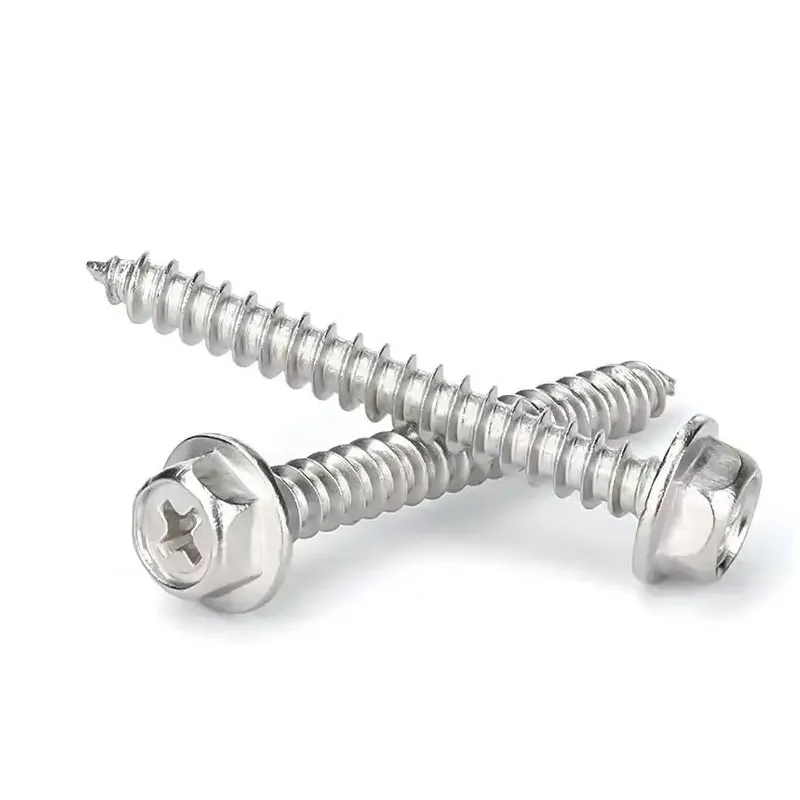
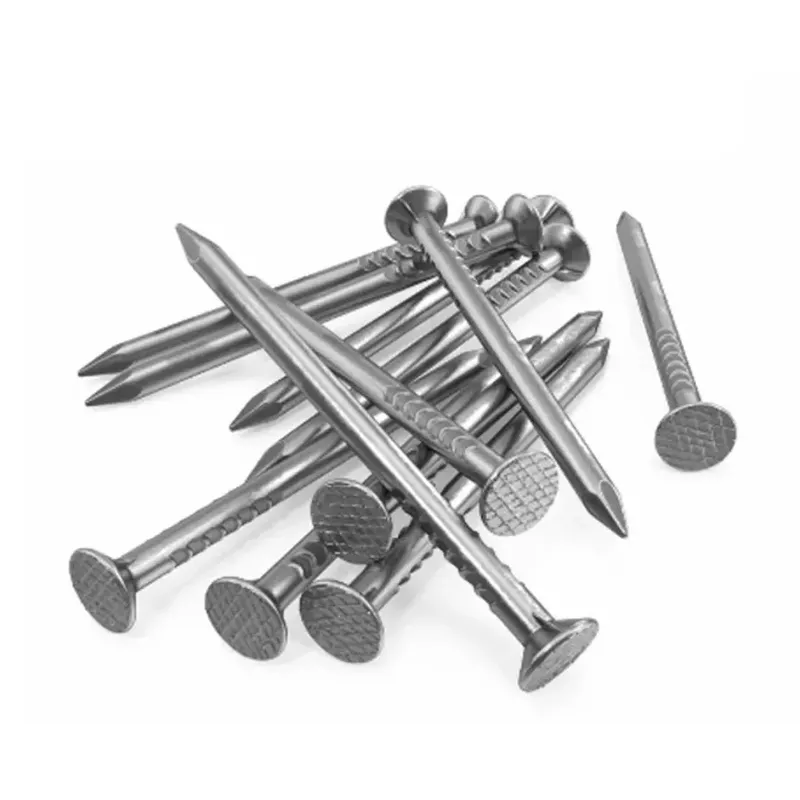
These fasteners merge the best features of both nails and screws. They typically feature a sharp, nail-like point for easy penetration into wood or other materials without the need for pre-drilling. The shank possesses aggressive threads, similar to a screw, which provides exceptional pull-out resistance. The head is designed for both the impact of the driving tool and, often, for engagement with a driver bit (like a Phillips or Torx) for later adjustment or removal. This unique combination is the key to their performance.
Nail Screws vs. Traditional Screws vs. Nails
Understanding the fundamental differences is crucial for any professional deciding on the right fastener for a job. While nails offer speed and screws offer strength, nail screws bridge the gap by providing both. This makes them a superior choice for applications where both structural integrity and installation efficiency are paramount.
| Feature | Traditional Nails | Traditional Screws | Nail Screws (e.g., RivetJL’s Pro-Drive) |
|---|---|---|---|
| Installation Speed | Very High (Pneumatic) | Low to Medium (Manual/Powered) | Very High (Pneumatic) |
| Holding Power (Pull-out) | Low to Medium | High to Very High | High to Very High |
| Removability/Adjustability | Difficult; often causes damage. | Excellent | Excellent |
| Automation | Excellent (Collated) | Limited (Specialized Systems) | Excellent (Collated) |
| Typical Use Case | Framing, Sheathing | Decking, Cabinetry, Finishing | Subflooring, Decking, Crating, Pallets |
The Core Question: Compatibility with Automated Tools
So, which tools can actually drive these fasteners? The answer lies in specialized pneumatic equipment. You cannot and should not attempt to use nail screws in a standard framing or finishing nailer that is not explicitly rated for them. Doing so can damage the tool, the fastener, and create a significant safety hazard.
Pneumatic Tools Designed for Nail Screws
Automated fastening systems for nail screws are robust tools engineered to handle the unique properties of these hybrid fasteners. They often operate at higher pressures and feature specialized driver blades and feeding mechanisms. These tools look and feel much like a coil or strip nailer but are internally different. They are designed to drive the fastener with percussive force to set it, while allowing the threads to engage the material without stripping. Some advanced systems even impart a slight rotation during the final stage of the drive for optimal seating.
The Importance of Collation
The “automated” aspect of these systems hinges on collation. Nail screws are available in two primary formats:
- Wire Coil Collation: Fasteners are welded together by two thin wires into a flexible coil. This allows for a very high fastener capacity per load (often 200-300), minimizing downtime for reloading. This is ideal for high-volume, continuous work like sheathing or subflooring.
- Plastic Strip Collation: Fasteners are held together in a rigid plastic strip, typically at an angle (e.g., 20 degrees). These tools are often lighter and more maneuverable than their coil counterparts, making them suitable for applications where mobility is key.
The type of collation dictates the specific tool you must use. A tool designed for wire coil nail screws cannot accept plastic strip fasteners, and vice versa. It is critical to match the fastener collation to the tool’s specifications.
Can You Use Nail Screws in a Regular Nail Gun?
This is a frequent and critical question. For the vast majority of standard nail guns on the market, the answer is an emphatic no. A regular nailer is designed to drive a smooth-shank fastener in a straight line. The threads on a nail screw would likely jam the feeding mechanism and damage the driver blade. However, some tool manufacturers produce multi-purpose nailers that, with a specific adjustment or attachment, are rated to drive certain types of nail screws. Always consult the tool’s manual and the fastener’s specifications to confirm compatibility before attempting to use them together.
What Are the Advantages of Using an Automated Nail Screw System?
Adopting an automated nail screw system represents a significant upgrade in fastening technology, offering a powerful return on investment through several key advantages. For contractors and manufacturers looking to optimize their workflow, these benefits are compelling.
Unmatched Speed and Efficiency
The primary advantage is a dramatic increase in productivity. An operator can drive hundreds of nail screws in the time it would take to install a fraction of that number using a traditional impact driver and loose screws. This speed, which rivals that of pneumatic nailing, allows crews to complete jobs like subflooring, decking, and crating assembly in significantly less time. The reduced time per project directly translates to higher profitability and the capacity to take on more work.
Superior Holding Power and Durability
Unlike nails, which can back out over time due to wood shrinkage, expansion, and vibrations, nail screws hold fast. Their threads create a powerful lock with the wood fibers, providing exceptional resistance to pull-out and shear forces. This is particularly crucial in subflooring to prevent floor squeaks, in decking to ensure board stability, and in shipping crates to withstand the rigors of transit. The result is a higher quality, more durable, and longer-lasting end product.
The Reversibility Factor: Easy Adjustments and Disassembly
Herein lies a massive advantage over nails. If a board is misplaced, a panel needs to be adjusted, or a structure needs to be disassembled, nail screws can be easily backed out with a standard drill or impact driver. Trying to remove a pneumatically driven nail is time-consuming, destructive to the material, and often impossible without causing damage. This serviceability makes nail screws ideal for modular construction, temporary structures, and any application where future access or changes might be necessary.
Reduced Labor Costs and Worker Fatigue
By automating the screw-driving process, you reduce the physical strain on your workforce. The ergonomic design of pneumatic tools minimizes the repetitive wrist and arm motion associated with driving individual screws. This not only improves worker comfort and morale but also reduces the risk of repetitive strain injuries. Faster project completion and less physical toll on workers lead to a more efficient and sustainable workforce.
Key Applications: Where Do Nail Screws Shine?
The unique blend of speed and strength makes nail screws the go-to solution in a variety of demanding applications across several industries:
- Subflooring and Sheathing: This is a prime application. The speed allows for rapid installation, while the threaded hold completely eliminates floor squeaks caused by nail-popping, a common and frustrating homeowner complaint.
- Decking: Securing deck boards with nail screws ensures they remain flat and stable, resisting the cupping and warping that can occur with temperature and moisture changes.
- Crating and Pallet Manufacturing: For building robust shipping crates and pallets, nail screws provide the structural integrity needed to protect valuable goods during transit, while still allowing for disassembly if required.
- Fencing: Quickly and securely attaching fence pickets and rails with a fastener that won’t back out over time ensures a long-lasting and stable fence.
- Modular and Manufactured Housing: The speed is essential for factory production lines, and the strong hold ensures structural integrity during transportation and assembly of building modules.
Potential Challenges and Considerations
While the benefits are substantial, a balanced perspective is important. There are a few factors to consider before investing in an automated nail screw system.
Initial Tool and Fastener Cost
The specialized pneumatic tools and the hybrid nail screws themselves carry a higher upfront cost compared to traditional nailers and nails, or even bulk loose screws. However, this initial investment is often quickly recouped through significant savings in labor time and the prevention of costly callbacks for issues like floor squeaks.
Ensuring Tool and Fastener Compatibility
This cannot be overstated. Success with this system depends entirely on a perfect match between the tool, the collation type, and the fastener size. Using incompatible components will lead to jams, tool damage, and poor performance. It’s not a mix-and-match scenario; it’s a dedicated system.
Partnering with a Knowledgeable Supplier
Because of the need for precise compatibility, it is crucial to work with a supplier who is an expert in fastening technology. A reliable partner like RivetJL can provide not just the high-quality nail screws, but also the expert guidance to ensure you select the exact tool and fastener combination that meets your project’s specific demands, guaranteeing performance and safety.
Conclusion: Embracing Efficiency and Strength
The question is not just whether nail screws are compatible with automated tools, but what new levels of performance that compatibility unlocks. For professionals willing to move beyond the traditional nail-versus-screw debate, automated nail screw systems offer a definitive answer. They represent a fusion of speed, power, and serviceability that solves long-standing construction challenges. By dramatically increasing efficiency, improving the quality and durability of the finished work, and reducing labor fatigue, these systems are not just a tool, but a strategic investment in a better way to build.