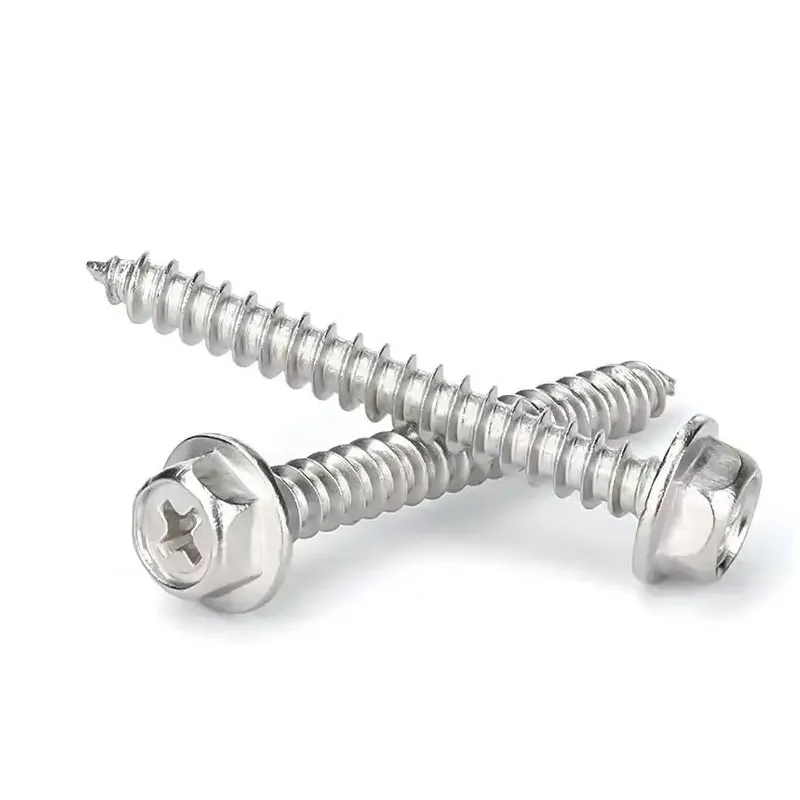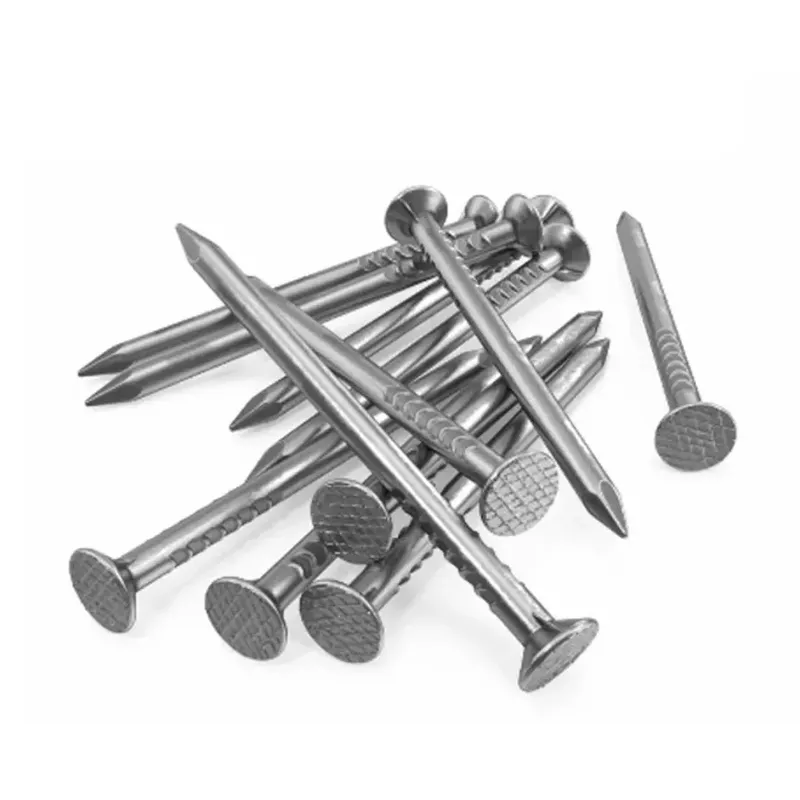
Worried about a critical assembly failing under heavy loads because you chose the wrong fastener? In high-stakes applications like machinery or structures, a weak joint could lead to costly downtime, repairs, or safety risks. The good news: selecting the right threaded fastener ensures reliable performance without over-engineering.
Machine screws can be strong enough for moderate load-bearing assemblies, particularly in machined parts with proper thread engagement, but they are generally not recommended for heavy structural loads where high-strength bolts or specialized structural screws are superior due to better shear and tensile capacity.
Think about securing a bracket in industrial equipment—will a standard machine screw hold under vibration and weight, or do you need something beefier? Understanding the limits helps avoid failures.
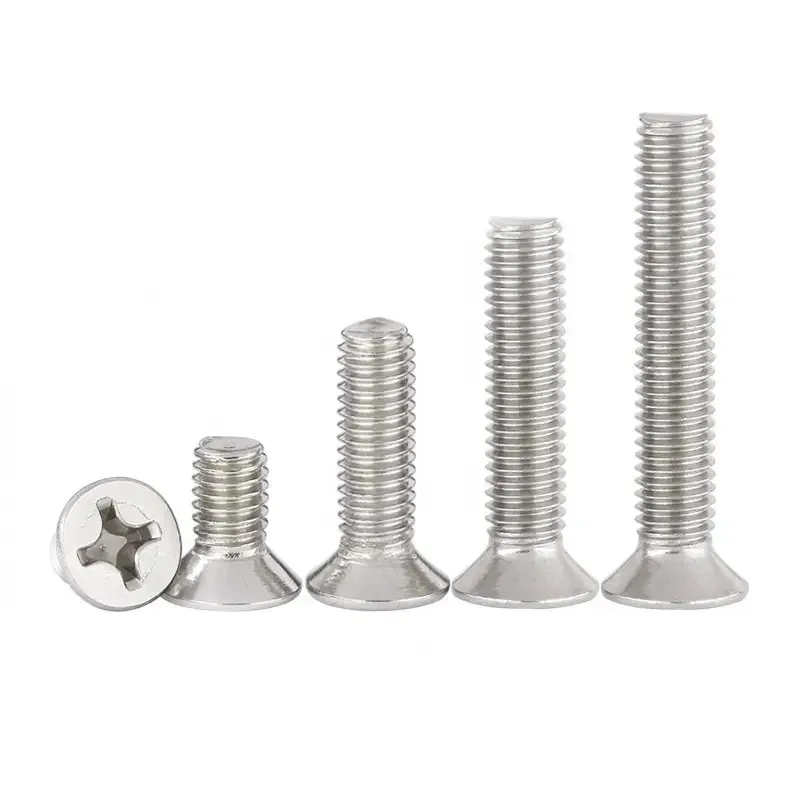
Table of Contents
- What Defines a Load-Bearing Assembly?
- How Strong Are Machine Screws in Tensile and Shear Loads?
- When Are Machine Screws Sufficient for Load-Bearing?
- What Alternatives Perform Better in Heavy Loads?
- How to Test and Select the Right Fastener?
1. What Defines a Load-Bearing Assembly?
Structural integrity hinges on fasteners that bear significant weight or forces—misjudge this, and assemblies risk collapse or fatigue.
A load-bearing assembly transfers substantial weights, shear, or tensile forces across joined components, requiring fasteners with high strength ratings, such as in frames, supports, or machinery bases, where failure could compromise safety.
1.1 Types of Loads in Assemblies
Loads include tensile (pulling apart), shear (sliding forces), and combined cyclic loads from vibration. Theoretically, fasteners must exceed expected forces by a safety factor (often 4:1 in structural design). Trade-offs: Machine screws excel in precise tensile hold but weaken in shear if threads bear load. Practically, this limits them to non-critical joins.
Examples: Jiliang’s machine screws in electronic housings support panel weights, or in light machinery brackets for alignment. Multi-angle: Safety demands over-specifying; cost favors minimal viable strength.
Advice: Calculate loads using F = m × a for static, or software for dynamic. Testing: Apply incremental weights until deformation.
| Load Type | Typical Force | Suitable Fastener Example |
| Tensile | Pulling | Threaded machine screw |
| Shear | Sliding | Unthreaded shank bolt |
| Vibration | Cyclic | Locked high-strength bolt |
This clarifies why not all assemblies suit machine screws. (162 words)
1.2 Examples of Load-Bearing Applications
In automotive chassis or bridges, loads exceed thousands of pounds—machine screws rarely suffice here. Theoretically, joint strength depends on material yield. Trade-offs: Removable screws ease maintenance but risk loosening.
Jiliang’s custom screws in moderate assemblies like equipment mounts, or conveyor frames. Analysis: Environmental factors like corrosion reduce capacity 20-30%.
Testing: Use strain gauges for real-world simulation.
- Example 1: Server racks (moderate load).
- Example 2: Automotive interiors (vibration + weight).
- Mitigation: Preload to 75% yield.
Jiliang offers tailored grades for optimized performance. (158 words)
2. How Strong Are Machine Screws in Tensile and Shear Loads?
Strength varies by grade—don’t assume all screws match structural needs.
Machine screws provide good tensile strength in threaded holes for moderate loads but lower shear resistance if threads bear force, making them unsuitable for primary structural bearing compared to bolts with unthreaded shanks.
2.1 Tensile Strength Characteristics
Theoretically, tensile strength (e.g., Grade 8.8: ~800 MPa) relies on thread engagement—minimum 1.5x diameter. Trade-offs: Full threading increases grip but reduces shear area.
Examples: Jiliang’s alloy steel screws in machinery panels holding 500-1000 lbs tensile. Analysis: Fatigue limits under cycles; practical pull-out tests show failure at stripped threads.
Advice: Use deeper taps for higher hold. Testing: Universal testing machine for proof load.
| Grade | Tensile Strength (MPa) | Typical Application |
| 4.6 | 400 | Light assemblies |
| 8.8 | 800 | Moderate load-bearing |
| 12.9 | 1200 | High-performance |
Suitable for controlled tensile. (165 words)
2.2 Shear and Vibration Considerations
In shear, threaded sections weaken by ~30-50% vs. shank. Theoretically, preload clamps joints; trade-offs: Loosening risk.
Jiliang’s screws with lockers in vibrating equipment. Analysis: Reduces maintenance; enhances reliability.
Testing: Transverse load application.
- Mitigation: Nylon inserts.
- Benefit: Up to 10,000 cycles.
- Example: Robotic arms.
Custom coatings from Jiliang boost durability. (152 words)
3. When Are Machine Screws Sufficient for Load-Bearing?
Not every assembly demands extreme strength—know the thresholds.
Machine screws suffice for load-bearing in precision-machined, moderate-stress assemblies like electronics enclosures or light machinery, where removability and alignment outweigh maximum shear needs.
3.1 Moderate Load Scenarios
Theoretically, sufficient for loads under 2000 lbs with multiple fasteners. Trade-offs: Easier installation vs. bolt torque precision.
Examples: Jiliang in 5G equipment mounts or medical devices. Analysis: Cost savings; quick assembly.
Advice: Distribute loads across 4+ screws.
| Scenario | Load Level | Why Sufficient |
| Electronics | Low-Moderate | Precision fit |
| Light Machinery | Moderate | Removability |
Ideal for non-structural primary loads. (155 words)
3.2 Limitations in Heavy Duty
Overloading risks thread stripping. Trade-offs: Bolts for critical.
Jiliang advises upgrades for high loads.
Testing: Factor of safety calculation.
- Limit: Avoid primary shear.
- Upgrade: To structural variants.
Consult Jiliang for assessments. (150 words)
4. What Alternatives Perform Better in Heavy Loads?
For demanding applications, upgrade fasteners.
High-strength structural bolts or specialized screws excel in heavy load-bearing, offering superior shear via unthreaded shanks and higher grades for bridges, buildings, or vehicles.
4.1 Structural Bolts Advantages
Theoretically, partial threading maximizes shear area. Trade-offs: Need nuts/access both sides.
Examples: A325 bolts in steel frames.
Analysis: Consistent torque; higher capacity.
| Fastener Type | Shear Strength Advantage |
| Structural Bolt | High (shank) |
| Machine Screw | Moderate (threads) |
Preferred for critical. (152 words)
4.2 Other Options Like Welding or Rivets
Welding for permanent max strength; rivets for vibration.
Jiliang complements with hybrid advice.
Testing: Compare pull/shear.
- Pro: Irreversible strength.
- Con: No disassembly.
Balance with needs. (150 words)
5. How to Test and Select the Right Fastener?
Proper selection prevents failures—follow engineering principles.
Test via tensile/shear machines and select based on calculated loads, material, and safety factors; machine screws work for secondary or moderate bearing with verification.
5.1 Selection Guidelines
Theoretically, use ASME standards for grades. Trade-offs: Custom vs. off-shelf.
Jiliang’s engineers analyze drawings.
Advice: Specify strength class.
| Factor | Consideration |
| Load | Calculate max |
| Environment | Corrosion resistance |
| Disassembly | Favor screws |
Ensures reliability. (154 words)
5.2 Practical Testing Methods
Use calibrated tools for proof.
Examples: Lab tensile tests.
Analysis: Data-driven choice.
- Step 1: Define loads.
- Step 2: Prototype test.
- Step 3: Verify torque.
Jiliang provides samples for testing. (150 words)
Conclusion
Machine screws offer sufficient strength for many load-bearing assemblies in precision, moderate applications, but fall short in heavy structural loads where bolts dominate. Partner with specialists like Jiliang Fastener Manufacturing for custom machine screws that match your exact needs—reach out at +86 137 9893 0909 or sale802@jiliang988.com for expert guidance and high-quality solutions.