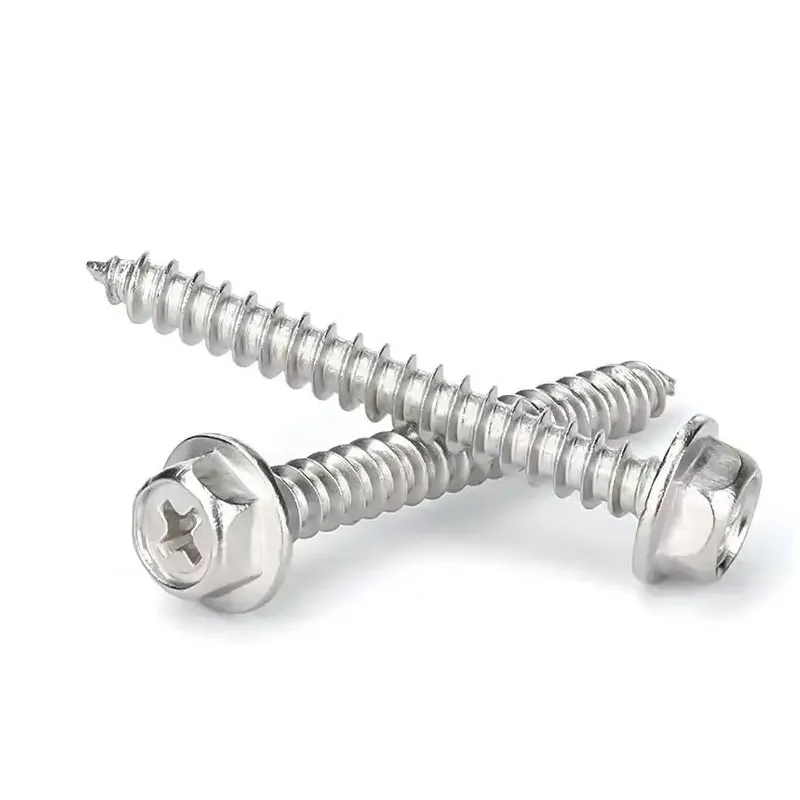
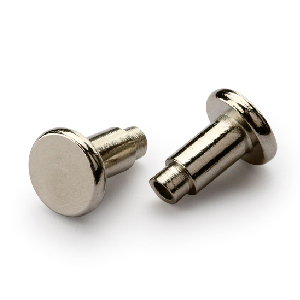
A semi-tubular shoulder rivet is a specialized mechanical fastener featuring a solid, unthreaded shoulder between the head and a partially hollow shank. This unique design allows it to perform a dual function: it securely clamps two or more materials together like a standard rivet, while the shoulder simultaneously acts as a precise pivot point, spacer, or axle for moving parts. The semi-tubular tail requires significantly less force to install than a solid rivet, making it an efficient and reliable choice for a vast range of industrial and commercial applications.
Deconstructing the Anatomy of a Semi-Tubular Shoulder Rivet
To fully appreciate the versatility of this component, it’s essential to understand its distinct parts. Each element is engineered for a specific purpose, and their synergy creates a robust and functional joint. From the load-bearing head to the easily formable tail, the design is a masterclass in efficiency.
The Head
The head of the rivet serves as the primary load-bearing surface and provides a stop against the material it is fastening. Heads come in various styles to suit different application requirements, both functional and aesthetic. Common types include truss heads for a low-profile, wide footprint; oval heads for a finished appearance; and flat countersunk heads that sit flush with the material surface, which is critical in applications where clearance is tight or a smooth exterior is needed.
The Solid Shoulder
The shoulder is the defining feature of this rivet type. It is a solid, precision-machined cylinder located between the head and the shank. Its diameter is larger than the shank, and its length is meticulously controlled. This shoulder is what allows the rivet to function as a bearing surface for rotating components, an axle for wheels or levers, or a standoff to maintain a consistent space between parts, such as circuit boards. The precision of the shoulder’s dimensions is paramount to the joint’s performance.
The Semi-Tubular Shank (or Tail)
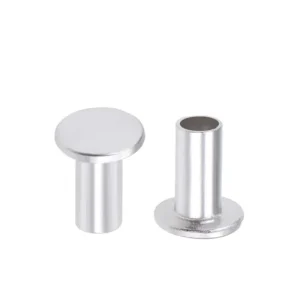
The shank is the part of the rivet that passes through the materials being joined. In a semi-tubular rivet, the end of the shank is hollowed out to a depth typically not exceeding the shank diameter. This partial hole is the key to its efficient installation. During the setting process, a tool called a roll set is used to curl the tubular portion outward and back against the material, a process known as clinching. This requires only about 25% of the force needed to set a solid rivet, reducing energy consumption, tool wear, and stress on the components being assembled.
How Do Semi-Tubular Shoulder Rivets Work? The Mechanics of a Precision Joint
The genius of the semi-tubular shoulder rivet lies in its ability to create a multi-functional joint. When installed, the head and the clinched tail securely clamp the outer materials. However, the shoulder’s length is designed to be slightly longer than the thickness of the part that needs to move. This creates a small, controlled gap, allowing the inner component to pivot or rotate freely around the smooth, solid shoulder without being bound by the clamping force of the fastener. This makes it the ideal solution for creating durable hinges, linkages, and other articulating joints where smooth motion and secure fastening are both required.
Key Advantages: Why Choose a Semi-Tubular Shoulder Rivet?
Engineers and designers opt for semi-tubular shoulder rivets over other fasteners like screws, bolts, or solid rivets for several compelling reasons. Their unique combination of features offers a blend of performance, efficiency, and reliability that is difficult to match.
- Dual-Functionality: They simultaneously act as a strong fastener and a precision pivot or spacer, reducing the total number of components needed in an assembly and simplifying the design.
- Reduced Installation Force: The semi-tubular design requires significantly less force to set compared to solid rivets, which leads to faster cycle times in automated assembly, less wear on equipment, and the ability to join more delicate materials without damage.
- Cost-Effectiveness: Due to high-speed manufacturing processes like cold heading and efficient installation, these rivets are often a more economical choice for high-volume production compared to screw-and-nut assemblies.
- Permanent and Vibration-Resistant: Once properly clinched, a rivet forms a permanent, tamper-resistant joint that is highly resistant to loosening from vibration—a critical advantage in automotive, aerospace, and industrial machinery.
Common Materials and Finishes for Optimal Performance
The material and finish of a semi-tubular shoulder rivet are critical to its performance, longevity, and suitability for a specific environment. Choosing the right combination ensures strength, corrosion resistance, and electrical conductivity as needed.
Material Selection
The choice of base material depends on the application’s demands for strength, ductility, and resistance to environmental factors. Each material offers a unique set of properties.
| Material | Properties & Characteristics | Common Applications |
|---|---|---|
| Steel (Low Carbon) | Strong, cost-effective, and easily formed. Requires a protective plating for corrosion resistance. | Automotive assemblies, industrial hardware, consumer appliances. |
| Stainless Steel | Excellent corrosion resistance, high strength, and suitable for sterile environments. | Medical devices, food processing equipment, marine hardware. |
| Aluminum | Lightweight, good corrosion resistance, and non-magnetic. Softer than steel. | Aerospace components, electronics, lightweight structures. |
| Brass & Copper | Good electrical conductivity, excellent corrosion resistance, and aesthetically pleasing. | Electrical contacts, circuit boards, decorative hardware. |
Protective Finishes and Platings
For materials like steel, a protective finish is essential to prevent rust and degradation. Platings like zinc are common for general-purpose corrosion resistance, while nickel offers a harder, more wear-resistant surface with a bright finish. Other treatments like chromate or passivation can further enhance protection and prepare surfaces for painting.
Diverse Applications Across Industries: Where Are They Used?
The unique properties of semi-tubular shoulder rivets make them indispensable in a surprisingly wide array of industries where precision movement and secure fastening are non-negotiable.
Electronics and Printed Circuit Boards (PCBs)
In electronics, these rivets are frequently used as standoffs to mount PCBs to a chassis, maintaining a critical air gap for cooling and preventing electrical shorts. They can also serve as pivot points for latches on server racks or other electronic enclosures.
Automotive and Aerospace
The automotive and aerospace industries rely on vibration-resistant fasteners. Semi-tubular shoulder rivets are used in latch mechanisms, pivot points in folding mirrors, internal linkages for climate control systems, and various other assemblies where reliable, repeatable movement is critical for safety and performance.
Consumer Goods and Appliances
Look around your home, and you will find these rivets in action. They form the pivot point in a pair of high-quality scissors, the hinge mechanism in a toaster oven door, and the linkages in folding furniture. Their durability and low cost make them ideal for high-volume consumer products.
Medical Devices
Precision and reliability are paramount in the medical field. These rivets are used to create smooth, backlash-free pivot points in surgical instruments, adjustable hospital beds, and other medical equipment where flawless mechanical action is required.
The Installation Process: A Step-by-Step Guide to a Perfect Clinch
Setting a semi-tubular shoulder rivet is a precise process that typically requires specialized equipment, such as a rivet machine or a press.
- Alignment: The components to be joined are aligned, with their pre-drilled holes lined up.
- Insertion: The rivet is inserted through the holes. The shoulder must be long enough to accommodate the thickness of the pivoting part plus a small clearance.
- Positioning: The assembly is placed in the riveting machine, with the rivet head supported by a lower tool (anvil) and the semi-tubular tail positioned beneath the upper tool (roll set).
- Clinching: The machine is actuated, bringing the roll set down onto the tail. The tool’s geometry gracefully curls the tubular portion outward and downward, forming a secure, rolled clinch against the material surface without splitting the metal.
Critical Design Considerations for Engineers and Product Designers
To successfully implement a semi-tubular shoulder rivet, several factors must be carefully considered during the design phase:
- Hole Size: The hole in the stationary parts should provide a snug fit for the shank, while the hole in the pivoting part should be slightly larger than the shoulder diameter to allow for free movement.
- Grip Range: This refers to the total thickness of the materials being clamped by the clinched portion of the rivet. It must be correctly matched to the rivet’s shank length.
- Shoulder Length & Diameter: The shoulder length must be precisely specified to provide the correct spacing or pivot clearance. The diameter determines its strength as a bearing surface.
- Clinch Allowance: This is the length of the shank that extends beyond the material to be formed into the clinch. It’s a critical parameter for ensuring a strong joint.
Partnering with an Expert for Custom Fastening Solutions
While standard semi-tubular shoulder rivets are widely available, many cutting-edge applications demand custom solutions. Achieving the perfect balance of material, dimensions, and strength often requires a fastener designed and manufactured for a specific purpose. This is where partnering with a precision engineering expert becomes invaluable.
At Rivetjl, we specialize in the design and manufacturing of custom molds and precision components. Our deep expertise in materials science and high-tolerance manufacturing processes allows us to produce bespoke fastening solutions, including custom shoulder rivets, that meet the most stringent performance requirements. If your project demands more than an off-the-shelf part, contact our team of experts to discuss your unique application and discover how our custom manufacturing capabilities can bring your design to life.
Frequently Asked Questions (FAQ)
What is the main difference between a shoulder rivet and a standard semi-tubular rivet?
The key difference is the presence of the solid shoulder. A standard semi-tubular rivet has a uniform shank diameter from the head to the tail and is used purely for fastening. A shoulder rivet has a larger-diameter solid section (the shoulder) between the head and the shank, specifically designed to also act as a pivot, axle, or spacer.
How do you properly measure a semi-tubular shoulder rivet?
You need to measure three critical dimensions: 1) The shoulder diameter, 2) The shoulder length (from the underside of the head to the start of the smaller-diameter shank), and 3) The shank length (or overall length, depending on the specification sheet).
Can semi-tubular shoulder rivets be removed?
Yes, but they are designed as permanent fasteners, so removal is a destructive process. Typically, the head or the clinch must be carefully drilled out or ground off to disassemble the joint. This process requires care to avoid damaging the components being held together.