Table of Contents
- The Fundamental Difference: A Head-to-Head Comparison
- When Do Mass-Produced Fasteners Make Sense?
- Unlocking the Real Value: Why OEMs are Turning to Custom Fasteners
- Beyond the Part: Analyzing the Total Cost of Ownership (TCO)
- How to Choose the Right Fastener for Your OEM Application: A Decision Framework
- Partnering with a Custom Fastener Manufacturer: What to Look For
- Conclusion: Moving from a Component Supplier to a Strategic Partner
The Fundamental Difference: A Head-to-Head Comparison
At first glance, the choice seems simple: buy a standard, off-the-shelf part or commission a custom-made one. However, for an Original Equipment Manufacturer (OEM), the implications are profound. Understanding the core differences is the first step toward making an informed, strategic sourcing decision that benefits your bottom line and product quality.

Here is a direct comparison of the key attributes that define custom and mass-produced fasteners:
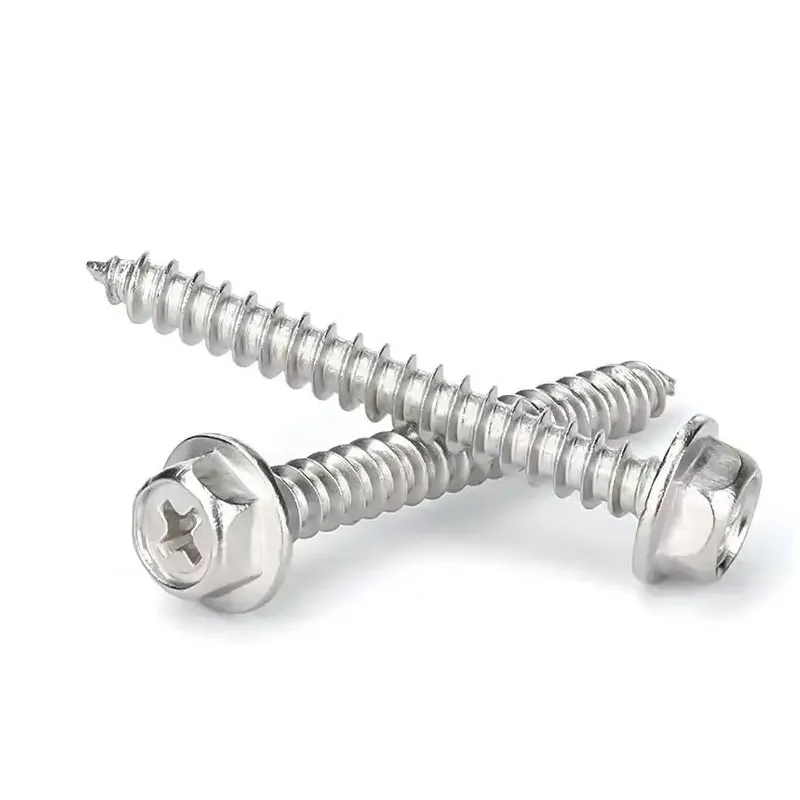
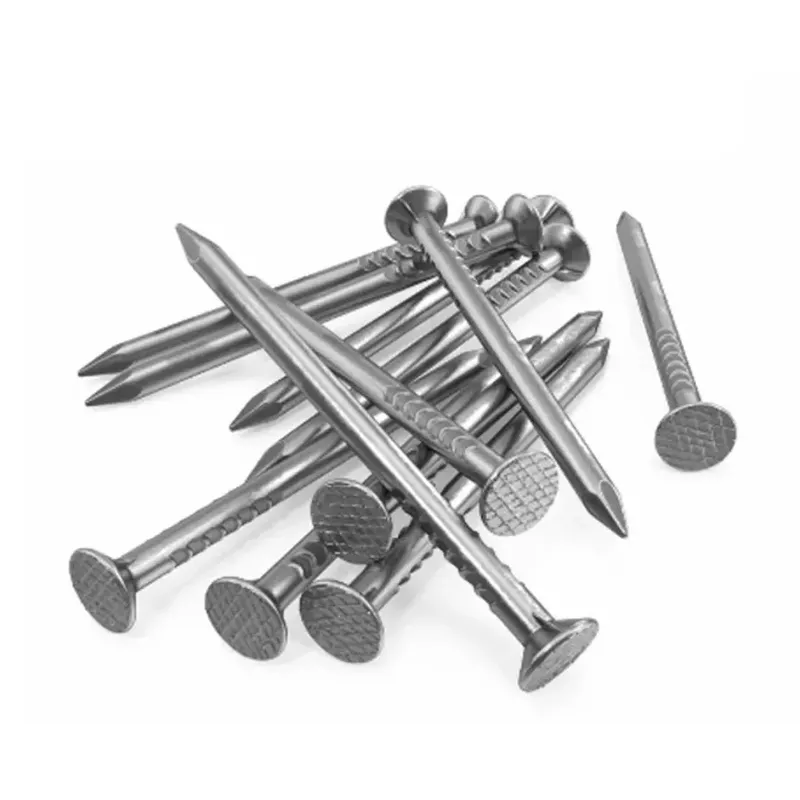
| Attribute | Mass-Produced (Standard) Fasteners | Custom (Bespoke) Fasteners |
|---|---|---|
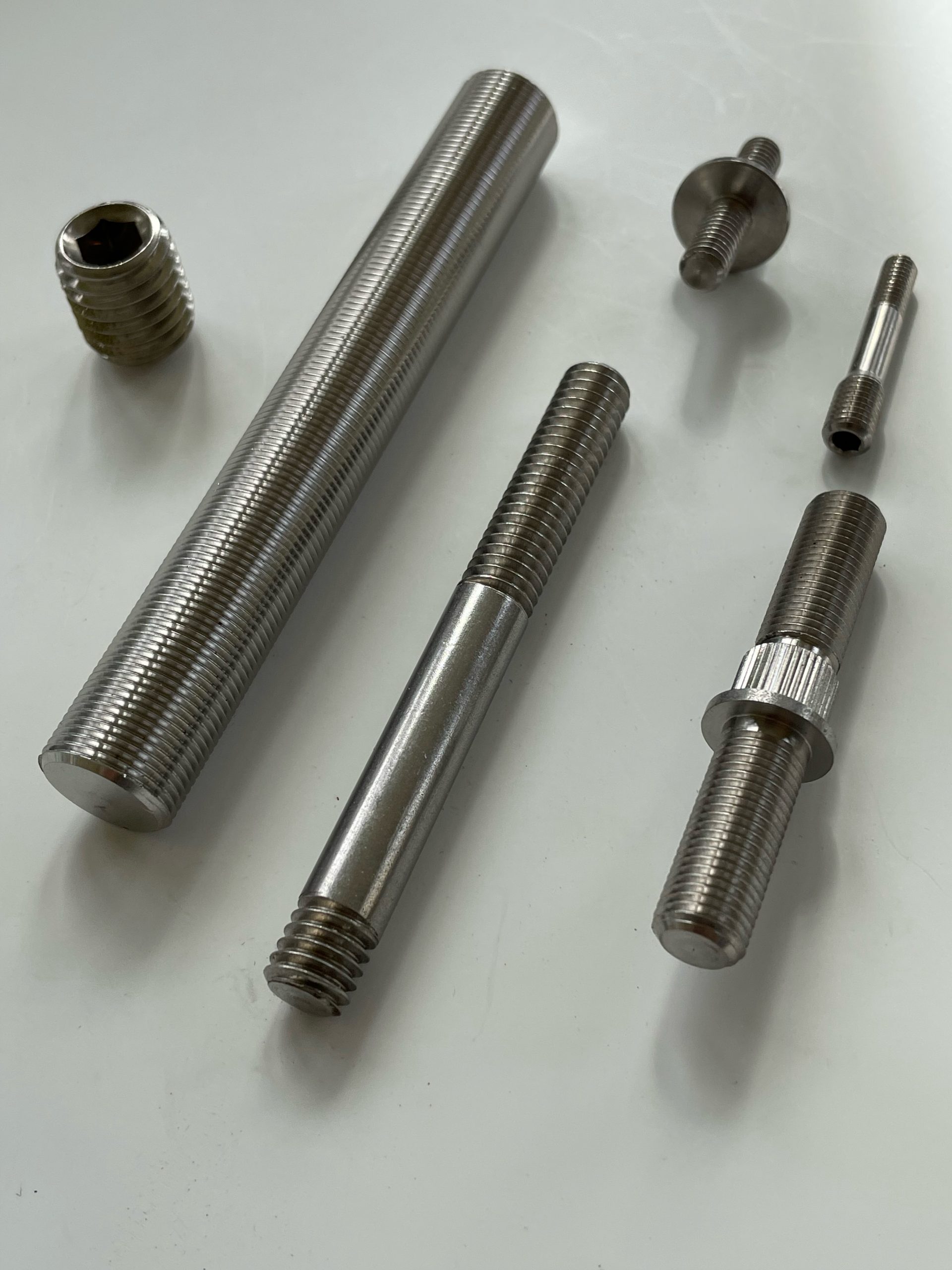
| Design & Specifications | Generic, one-size-fits-many approach. Limited by industry standards (e.g., ISO, ANSI, DIN). | Engineered to your exact specifications: precise dimensions, unique head styles, specific thread patterns. |
| Material Selection | Limited to common materials like carbon steel, stainless steel (304/316), and basic alloys. | Virtually unlimited. Can utilize specialized alloys, titanium, superalloys, or specific polymers for corrosion resistance, strength-to-weight ratio, or temperature tolerance. |
| Performance & Fit | Sufficient for general applications but may introduce tolerance stacking, vibration issues, or be over-engineered (too heavy/strong). | Perfect fit that eliminates play, maximizes joint integrity, and is optimized for the specific load, stress, and environmental conditions of the application. |
| Upfront Cost | Low per-unit cost due to economies of scale. | Higher per-unit cost due to tooling, setup, and smaller production runs. |
| Total Cost of Ownership (TCO) | Can be higher due to potential for failures, increased warranty claims, complex assembly, and sourcing of additional components (e.g., washers, spacers). | Often lower when factoring in reduced assembly time, eliminated failures, improved product lifespan, and streamlined supply chain. |
| Availability & Lead Time | Immediately available off-the-shelf from multiple distributors. | Requires lead time for design, prototyping, tooling, and production. Requires partnership with a specialized manufacturer. |
When Do Mass-Produced Fasteners Make Sense?
It would be a mistake to dismiss standard fasteners entirely. Their value lies in their convenience and cost-effectiveness for non-critical applications. For an OEM, mass-produced fasteners are the ideal choice when the application does not have unique demands. This includes internal structural components with low stress, temporary jigs and fixtures, or products where performance tolerances are wide and cost is the primary driver.
Consider using standard fasteners for:
- Prototyping phases where exact fit is not yet finalized.
- Non-load-bearing attachments, such as securing internal covers or mounting lightweight components.
- Applications where the surrounding components are designed around standard fastener availability.
- High-volume, low-cost consumer goods where product lifespan and extreme performance are not key selling points.
In these scenarios, the low upfront cost and immediate availability of standard parts provide a clear advantage, allowing for rapid production and cost control without compromising the product’s function.
Unlocking the Real Value: Why OEMs are Turning to Custom Fasteners
The true value of custom fasteners emerges when standard parts become a limiting factor. For innovative OEMs in competitive industries like aerospace, medical devices, automotive, and high-end electronics, “good enough” is a liability. Custom, application-specific fasteners transition from being a simple component to a critical design enabler that delivers tangible value across the product lifecycle.
Unmatched Precision and Perfect Fit for Optimal Performance
The core benefit of a custom fastener is its perfect fit. Unlike standard fasteners that operate within a wide tolerance range, custom fasteners are machined to precise dimensions that match your specific assembly. This eliminates issues like tolerance stacking, where small variances in multiple standard parts can add up to a significant misalignment. A perfect fit ensures optimal load distribution, prevents premature wear on connected parts, and crucially, mitigates vibration-induced loosening—a common point of failure in dynamic systems. For an OEM, this translates to a more robust, reliable, and higher-performing end product.
Superior Material Selection for Demanding Environments
Standard fasteners are typically made from a limited range of common metals. But what if your application operates in a highly corrosive marine environment, requires non-magnetic properties for medical imaging equipment, or needs to withstand extreme temperatures in an engine bay? This is where custom manufacturing excels. You can specify the exact material needed for the job, whether it’s 316L stainless steel for saltwater resistance, Titanium Grade 5 for an exceptional strength-to-weight ratio in aerospace, or a high-performance polymer like PEEK for electrical insulation and chemical inertness. This level of material specification is impossible with off-the-shelf parts and is often the only way to meet stringent industry regulations and performance targets.
Enhanced Product Durability and Reliability
A single fastener failure can lead to catastrophic product failure, resulting in costly warranty claims, product recalls, and irreparable damage to an OEM’s brand reputation. Custom fasteners are designed to be the strongest link, not the weakest. By controlling every aspect of the fastener’s design—from the head style and thread profile to the material grain structure and surface finish—you can engineer a component that is perfectly suited to handle the specific stresses of its application. This proactive approach to design significantly increases the mean time between failures (MTBF) and enhances the overall durability and safety of your product.
Design Freedom and Product Innovation
Instead of designing a product *around* the limitations of available fasteners, custom fasteners allow you to design the ideal product and then create the fastener to support it. This shift in mindset unlocks immense potential for innovation. Engineers can create more compact, lightweight, and aesthetically pleasing products. For example, a custom-designed, low-profile screw could allow for a thinner electronic device. A multi-functional fastener could be designed to both secure a component and act as an alignment pin, reducing the total part count in an assembly. This freedom empowers design teams to push boundaries and create truly differentiated products.
Streamlined Assembly and Reduced Labor Costs
The value of a custom fastener extends directly to the factory floor. A fastener designed with assembly in mind can drastically reduce manufacturing time and labor costs. Features like self-aligning tips, captive washers, or specialized drive heads compatible with automated assembly tools can shave precious seconds off each unit’s assembly time. When scaled across thousands or millions of units, this efficiency gain translates into significant operational savings. Furthermore, by reducing the complexity of an assembly (e.g., replacing a bolt, nut, and two washers with a single custom part), you also simplify your supply chain and reduce inventory management overhead.
Beyond the Part: Analyzing the Total Cost of Ownership (TCO)
Experienced OEM procurement managers and engineers know that the cheapest component is rarely the most cost-effective one. The sticker price of a fastener is just one small part of its overall financial impact. The Total Cost of Ownership (TCO) provides a more holistic and accurate picture, encompassing all costs associated with a component throughout its lifecycle, from procurement to end-of-life.
The Hidden Costs of “Cheaper” Standard Fasteners
While a standard bolt may cost a few cents less than its custom counterpart, its use can introduce a cascade of hidden costs down the line. These can include:
- Increased Assembly Time: Fumbling with extra washers, nuts, or dealing with slight misalignments from tolerance stacking slows down the production line.
- Higher Inventory Costs: Managing multiple SKUs for a bolt, nut, and washer is more complex than managing one SKU for a custom part.
- Warranty & Repair Costs: A fastener that fails due to vibration, corrosion, or material fatigue leads to expensive field repairs and warranty claims.
- Reputation Damage: Product failures erode customer trust and can lead to lost future sales, a cost that is difficult to quantify but immensely damaging.
- Over-Engineering Costs: Using a standard fastener that is heavier or stronger than necessary adds unnecessary weight and material cost to the final product.
In contrast, the higher upfront investment in a custom fastener is often recouped many times over through faster assembly, zero failures, improved product performance, and a simplified bill of materials (BOM).
How to Choose the Right Fastener for Your OEM Application: A Decision Framework
Deciding between custom and standard fasteners requires a systematic evaluation of your project’s specific needs. It’s not an all-or-nothing choice; many products successfully use a combination of both. The key is to identify the critical joints and applications where a custom solution will provide the greatest return on investment.
Key Questions to Ask Your Engineering Team
To guide your decision, gather your design and manufacturing teams and work through the following questions. If you answer “yes” to several of these, a custom fastener is likely the superior choice.
- Are there unique environmental factors? (e.g., extreme temperatures, corrosive agents, high pressure, magnetic fields)
- Is weight reduction a critical design goal? (e.g., in aerospace, drones, or portable devices)
- Does the application experience significant vibration or cyclical loading?
- Are there tight space constraints or a need for a low-profile design?
- Could a custom fastener combine the function of multiple components (e.g., fastener + spacer)?
- Is the fastener a point of frequent failure or a source of warranty claims in previous product generations?
- Would a specialized head or drive style improve assembly speed or prevent tampering?
- Does the material of the fastener need to match the thermal expansion properties of the materials it’s joining?
Partnering with a Custom Fastener Manufacturer: What to Look For
Choosing to go custom means choosing a manufacturing partner, not just a supplier. The right partner becomes an extension of your engineering team, providing expertise in materials science, manufacturability, and design for assembly (DFA). When evaluating potential partners, look for a company that demonstrates expertise, experience, and trustworthiness.
Key qualifications include:
- Advanced Manufacturing Capabilities: Look for expertise in precision CNC machining, multi-axis milling, and turning, which are essential for creating complex geometries with tight tolerances.
- Material Expertise: A top-tier partner should have demonstrable experience working with a wide range of standard and exotic materials and be able to advise on the best choice for your application.
- Robust Quality Control: They must have a stringent quality management system (e.g., ISO 9001 certification) and the metrology equipment to verify that every part meets your exact specifications.
- Collaborative Engineering Support: The ideal partner will work with you from the design and prototyping phase to optimize your fastener for both performance and cost-effective manufacturing.
Conclusion: Moving from a Component Supplier to a Strategic Partner
The debate of custom vs. mass-produced fasteners is not merely about choosing a part; it’s about defining a manufacturing philosophy. For OEMs focused on creating market-leading products known for their quality, reliability, and innovation, the choice becomes clear. While standard fasteners have their place in non-critical roles, custom fasteners are a strategic investment in product excellence. They reduce long-term costs, solve complex engineering challenges, and protect your most valuable asset: your brand’s reputation. By partnering with an expert custom manufacturer, you are not just buying a component; you are gaining a competitive advantage that is engineered into the very core of your product.