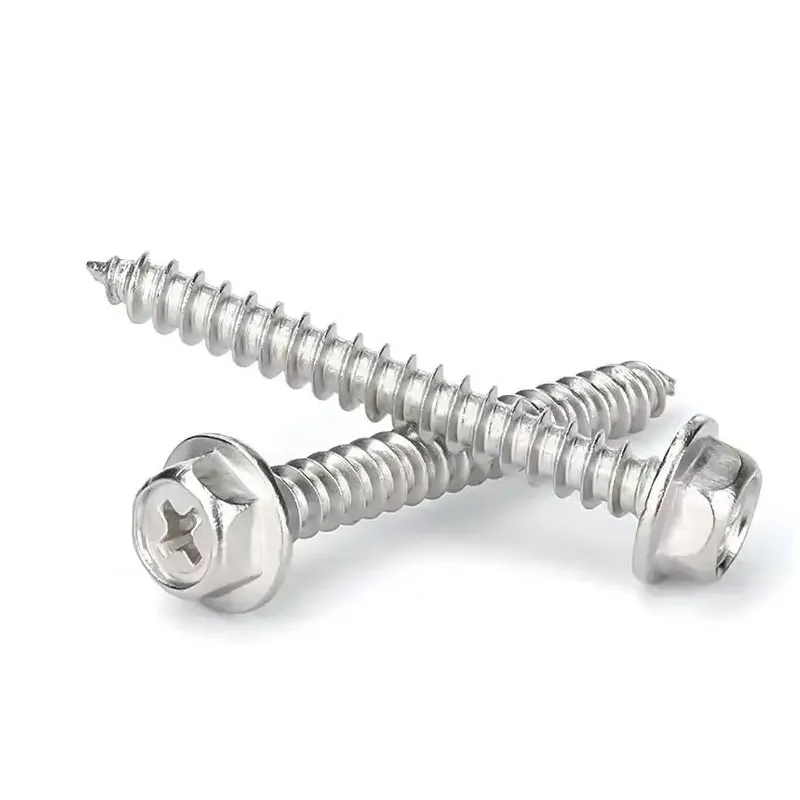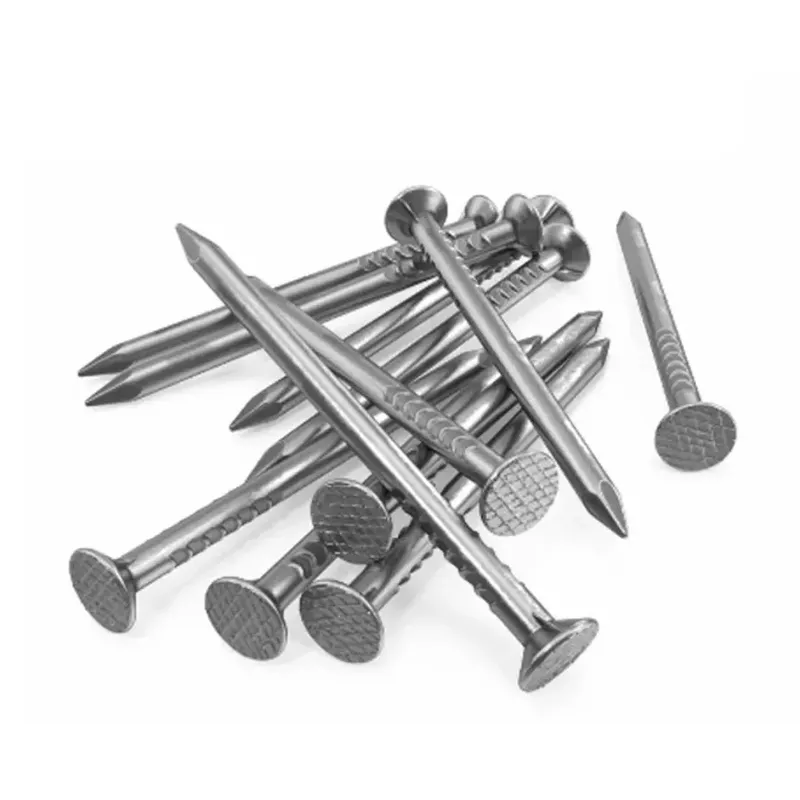
Imagine a world where everything just… vibrated apart. Sounds chaotic, right? In many industrial, automotive, and aerospace applications, constant vibration is a harsh reality. And when it comes to keeping things securely fastened in these challenging conditions, not all heroes wear capes – or threads! While screws are incredibly versatile, they often struggle against relentless shaking. This is where male-female rivets step up, proving themselves to be the unsung champions of high-vibration environments.
Male-female rivets outperform screws in high-vibration environments primarily because their solid, interlocking mechanical connection, formed by a permanent or semi-permanent clinch, inherently resists loosening. Unlike screws, which rely on thread friction and clamping force that can degrade under dynamic loads, male-female rivets create a stable, continuous load path that is less susceptible to vibrational fatigue and self-loosening, ensuring superior long-term structural integrity and reliability in demanding conditions.
This article will dive into the core reasons why these robust fasteners are often the superior choice when the going gets shaky, and why they consistently maintain structural integrity where screws might fail.
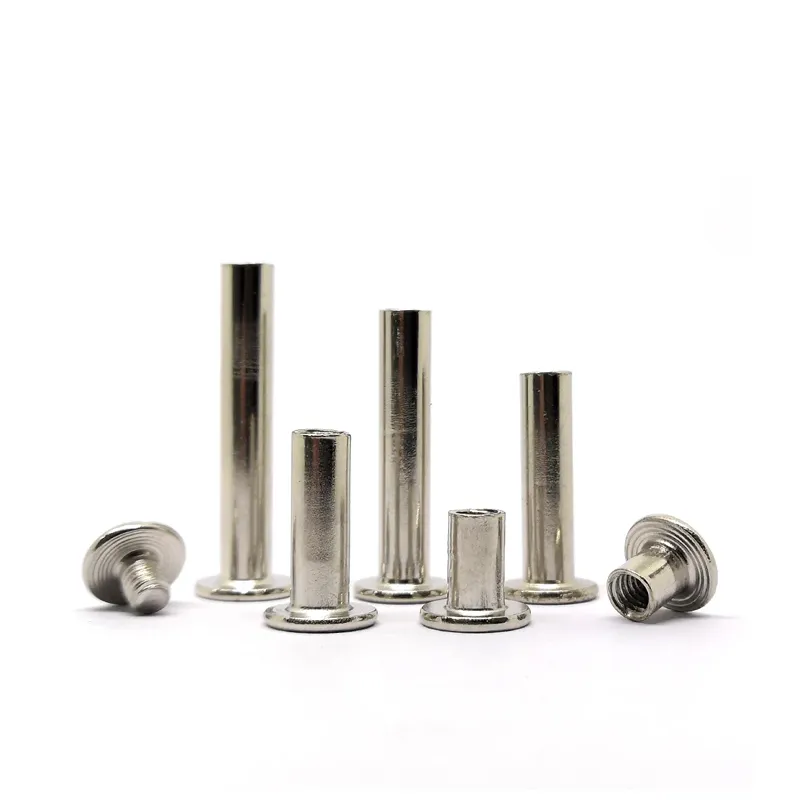
Table of Contents
- The Fundamental Difference: Mechanical Interlock vs. Thread Friction
- How Vibration Affects Screws: The Loosening Problem
- Why Male-Female Rivets Resist Vibration Better
- Optimal Applications for Male-Female Rivets in High-Vibration Settings
- Installation and Material Considerations for Vibration Resistance
1. The Fundamental Difference: Mechanical Interlock vs. Thread Friction
To understand why male-female rivets excel where screws falter, we need to look at their basic fastening principles. They’re fundamentally different beasts.
The fundamental difference between male-female rivets and screws lies in their fastening mechanism: male-female rivets create a solid, interlocking mechanical connection through a permanent or semi-permanent clinch, forming a continuous load path that resists movement. Screws, conversely, rely on thread friction and the clamping force generated by tightening, which can degrade under dynamic loads, making the rivet’s inherent mechanical interlock superior for maintaining joint integrity in high-vibration environments where thread-based fasteners are prone to loosening.
1.1 Screws: Relying on Clamping Force and Friction
A tight squeeze that can give way.
- Mechanism: Screws work by creating a clamping force between the joined materials. As the screw is tightened, it stretches, and the nut (or tapped hole) compresses, generating friction between the threads and between the fastener head/nut and the material surfaces. This friction is what resists loosening.
- Vulnerability: This reliance on friction and clamping force is a screw’s Achilles’ heel in high-vibration environments.
- Example 1: A Loose Bolt on a Machine. Imagine a bolt holding a motor onto a vibrating machine frame. Over time, the constant shaking can cause microscopic movements between the threads and under the bolt head. This movement slowly reduces the clamping force, allowing the bolt to rotate slightly, leading to self-loosening and eventual failure.
- Example 2: A Stripped Screw in a Speaker Cabinet. In a speaker cabinet, the constant bass vibrations can cause screws holding the speaker drivers to loosen. The wood fibers around the screw threads can degrade, reducing the thread friction and allowing the screw to back out, leading to buzzing or rattling.
- Analysis: The theoretical basis is the mechanics of threaded fasteners, where preload (clamping force) and friction are critical. Design trade-offs involve balancing ease of assembly/disassembly with long-term vibration resistance. The practical impact is that screws, without additional locking mechanisms, are inherently susceptible to loosening under dynamic loads.
This table compares the fastening mechanisms.
| Fastener Type | Primary Fastening Mechanism | Vulnerability to Vibration |
|---|---|---|
| Screws | Clamping force and thread friction | High – friction can degrade, leading to self-loosening |
| Male-Female Rivets | Solid mechanical interlock (clinch/crimp) | Low – forms a continuous, stable load path |
1.2 Male-Female Rivets: A Solid Mechanical Interlock
A permanent embrace.
- Mechanism: Male-female rivets (or Chicago screws, sex bolts) create a solid, interlocking mechanical connection. The male post inserts into the female barrel, and they are then either screwed together tightly, crimped, or pressed to form a secure, continuous joint. This isn’t about friction holding things tight; it’s about the physical interlock of the two components.
- Strength: Once properly installed, the rivet forms a solid body through the joined materials. The load is transferred directly through this solid connection, not relying on the integrity of threads or surface friction.
- Example 1: Aircraft Interior Panels. In aircraft, where constant vibration is a given, male-female rivets (or similar solid rivets) are used extensively for interior panels. Once bucked or crimped, they form a permanent, solid joint that resists the constant shaking without loosening, ensuring passenger safety and structural integrity.
- Example 2: Heavy-Duty Industrial Equipment. For critical components on vibrating industrial machinery, male-female rivets provide a robust, non-loosening connection. The solid nature of the rivet means there are no threads to back out, maintaining the joint’s integrity even under extreme conditions.
- Analysis: The theoretical basis is the creation of a continuous, solid load path. The practical impact is a fastener that is inherently more resistant to the forces that cause screws to loosen, making it ideal for high-vibration environments.
2. How Vibration Affects Screws: The Loosening Problem
Vibration isn’t just annoying; it’s a destructive force for threaded fasteners.
Vibration severely affects screws by causing self-loosening, primarily through two mechanisms: relative motion between the screw threads and the mating part, which reduces thread friction and clamping force, and fatigue of the fastener material itself. This dynamic stress can lead to the screw backing out, loss of preload, and ultimately, joint failure, making screws unreliable in high-vibration environments without additional locking mechanisms.
2.1 Transverse Slippage and Preload Loss
The subtle dance of destruction.
- Transverse Slippage: This is the primary culprit. Under vibration, the joined components can experience tiny, relative movements perpendicular to the screw’s axis (transverse slippage). These micro-movements cause the threads of the screw and the nut (or tapped hole) to rub against each other.
- Preload Loss: This rubbing action slowly wears down the thread flanks and reduces the friction that holds the screw tight. As friction decreases, the screw’s preload (the clamping force) diminishes. Once the preload drops below a critical level, the screw can start to rotate and back out.
- Example 1: A Car Engine Mount. The bolts holding an engine mount are constantly subjected to engine vibrations. Without proper locking washers or thread lockers, these bolts can slowly loosen due to transverse slippage, leading to excessive engine movement and potential damage.
- Example 2: Industrial Conveyor System. Screws holding rollers in a conveyor system experience continuous vibration. The constant shaking causes the screws to lose their preload, eventually leading to rollers detaching or misaligning.
- Analysis: The theoretical basis is the Junker effect and the mechanics of self-loosening. The practical impact is that screws, by their very design, are vulnerable to this insidious process of preload loss under dynamic loads.
This table details how vibration affects screws.
| Mechanism of Loosening | Description | Impact on Screw Performance |
|---|---|---|
| Transverse Slippage | Relative movement perpendicular to screw axis | Reduces thread friction, initiates rotation |
| Preload Loss | Reduction in clamping force due to slippage/fatigue | Allows screw to back out, joint weakens |
| Fatigue | Material weakening from cyclic stress | Can lead to screw breakage or thread stripping |
| Embedment Relaxation | Material under screw head/nut deforms over time | Reduces clamping force, similar to preload loss |
2.2 Fatigue and Material Degradation
The long-term toll of shaking.
- Fatigue: Constant vibration subjects the screw material itself to cyclic stresses. Over time, this can lead to material fatigue, where microscopic cracks form and propagate, eventually causing the screw to break, even if the applied load is below its ultimate tensile strength.
- Thread Degradation: The repeated rubbing and micro-movements can also degrade the threads of both the screw and the mating part, reducing their ability to hold tension and resist rotation.
- Example: A machine screw holding a vibrating component might not loosen, but after millions of cycles, the screw shank could fracture due to fatigue, leading to sudden and catastrophic failure.
- Analysis: The practical impact is that even if a screw doesn’t visibly loosen, its structural integrity can be compromised over time in a high-vibration environment, posing a significant safety risk.
3. Why Male-Female Rivets Resist Vibration Better
Male-female rivets offer a fundamentally different approach to fastening that inherently resists the forces that cause screws to loosen.
Male-female rivets resist vibration better than screws because their solid, non-threaded mechanical interlock creates a continuous load path that is less susceptible to preload loss and transverse slippage. Once clinched or crimped, the rivet forms a permanent, rigid connection that distributes dynamic loads effectively, preventing the micro-movements and thread friction degradation that plague screws, thereby maintaining joint integrity and preventing self-loosening even under severe vibrational stress.
3.1 Solid, Non-Threaded Mechanical Interlock
A physical barrier to loosening.
- Continuous Load Path: Once installed (whether by screwing tightly, crimping, or bucking), a male-female rivet forms a solid, continuous body through the joined materials. The load is transferred directly through this solid connection. There are no threads to back out, no clamping force to relax in the same way a screw’s does.
- Resistance to Transverse Slippage: Because the rivet fills the hole and creates a tight, solid connection, there’s minimal opportunity for the joined materials to experience the transverse slippage that initiates screw loosening. The rivet itself acts as a shear pin.
- Example 1: High-Speed Train Components. In the bogies (wheel assemblies) of high-speed trains, where extreme vibration and dynamic loads are constant, male-female rivets (or similar solid rivets) are used for critical structural connections. Their solid interlock ensures components remain securely fastened, preventing catastrophic failures.
- Example 2: Industrial Vibrating Screens. Machines that sort materials by vibration use male-female rivets to hold the screen mesh and structural elements. The rivets’ ability to maintain a solid connection under constant, intense shaking is crucial for the machine’s operation and longevity.
- Analysis: The theoretical basis is the inherent stability of a solid, mechanically interlocked joint versus a friction-dependent threaded joint. The practical impact is a fastener that maintains its integrity and clamping force far more effectively under dynamic loads.
This table summarizes why male-female rivets excel in vibration.
| Advantage of Male-Female Rivets | How it Resists Vibration | Resulting Performance Benefit |
|---|---|---|
| Solid Mechanical Interlock | No reliance on thread friction or preload | Prevents self-loosening, maintains joint integrity |
| Continuous Load Path | Distributes dynamic loads effectively | Reduces stress concentrations, prevents fatigue |
| Fills Hole (Shear Pin Effect) | Minimizes transverse slippage between components | Prevents micro-movements that initiate loosening |
| Permanent/Semi-Permanent | Once installed, less prone to accidental loosening | High reliability, reduced maintenance |
| High Shear Strength | Excellent resistance to forces parallel to joint | Maintains structural alignment under vibration |
3.2 Resistance to Preload Loss and Fatigue
Built to endure.
- Minimal Preload Loss: While screw-type male-female rivets can be torqued, their primary holding power comes from the physical interlock, not just the clamping force. This means they are far less susceptible to the preload loss that plagues screws.
- Fatigue Resistance: Because the load is distributed more evenly through a solid connection, and there are no stress concentrations at thread roots, male-female rivets can often exhibit better fatigue resistance than screws in certain applications, provided they are properly installed and material selection is appropriate.
- Example: In a heavy-duty agricultural machine, a male-female rivet holding a critical linkage will maintain its connection even after thousands of hours of operation over rough terrain, whereas a screw might have vibrated loose or fatigued.
- Analysis: The practical impact is a fastener that provides long-term reliability and reduces the need for constant re-tightening or replacement, leading to lower maintenance costs and increased operational uptime.
4. Optimal Applications for Male-Female Rivets in High-Vibration Settings
Knowing why they’re better is one thing; knowing where to use them is another.
Male-female rivets are optimally used in high-vibration environments for applications demanding superior, long-term structural integrity where screws are prone to loosening. This includes critical components in automotive chassis, aircraft interiors, heavy industrial machinery (e.g., vibrating screens, conveyors), railway rolling stock, and military equipment. Their robust, interlocking design ensures stable, reliable joints that resist dynamic loads and maintain structural alignment, making them ideal for safety-critical or high-fatigue assemblies.
4.1 Industries That Rely on Male-Female Rivets
Where failure is not an option.
- Automotive: For chassis components, engine mounts (in conjunction with other fasteners), and heavy-duty truck assemblies where constant road vibration is a factor.
- Example: In a heavy-duty truck, male-female rivets might be used to secure structural cross-members or suspension components, ensuring they withstand thousands of miles of rough roads without loosening.
- Aerospace: While solid rivets are more common, specialized male-female rivet designs are used in non-critical interior panels or access points where a robust, semi-permanent, and vibration-resistant connection is needed.
- Example: For securing internal equipment racks or cargo hold panels in an aircraft, male-female rivets provide a reliable, vibration-proof attachment.
- Heavy Industrial Machinery: Vibrating screens, conveyors, mining equipment, and construction machinery are prime candidates.
- Example: A large industrial vibrating screen, used to separate aggregates, relies on male-female rivets to hold its heavy-duty mesh and frame components together, resisting constant, intense oscillation.
- Railway Rolling Stock: For securing various components in train cars, which experience continuous vibration and shock.
- Example: In a passenger train, male-female rivets might secure seating frames or internal partitions, ensuring they remain stable and safe throughout the journey.
- Military and Defense: Equipment that must withstand extreme shock and vibration in harsh environments.
- Example: Armored vehicle components or weapon systems often utilize male-female rivets for their superior resistance to battle-induced vibrations and impacts.
- Analysis: The practical impact is that these industries prioritize safety, reliability, and longevity, making the vibration resistance of male-female rivets a critical design choice.
This table lists optimal applications for male-female rivets in high-vibration settings.
| Industry/Application | Specific Use Case | Why Male-Female Rivets Excel Here |
|---|---|---|
| Automotive (Heavy-Duty) | Chassis components, engine mounts, suspension | Resists constant road vibration, high shear loads |
| Aerospace (Non-Critical) | Interior panels, equipment racks, cargo hold | Stable, semi-permanent, resists aircraft vibration |
| Heavy Industrial Machinery | Vibrating screens, conveyors, mining equipment | Withstands intense, continuous oscillation |
| Railway Rolling Stock | Seating frames, internal partitions, bogie components | Resists constant train vibration and shock |
| Military & Defense | Armored vehicle components, weapon systems | Withstands extreme shock, battle-induced vibration |
| Agricultural Equipment | Linkages, implements on rough terrain | Maintains integrity under constant jarring |
4.2 When Screws Might Still Be Used (with Caveats)
Screws aren’t entirely out of the picture, but they need help.
- With Locking Mechanisms: If screws must be used in a high-vibration environment (e.g., for ease of disassembly), they require additional locking mechanisms like lock washers (split, spring, serrated), thread-locking compounds (e.g., Loctite), or castellated nuts with cotter pins.
- Non-Critical, Low-Load Applications: For components that are not load-bearing or where failure would not pose a safety risk, screws with minimal locking might be acceptable.
- Example: A small access panel on a vibrating machine might use screws with thread-locking compound, as the panel itself isn’t structural and occasional re-tightening is acceptable. However, for the machine’s main frame, male-female rivets would be preferred.
- Analysis: The practical impact is that while screws can be made more vibration-resistant, they always involve additional components or processes, adding cost and complexity, and often still not matching the inherent stability of a solid rivet.
5. Installation and Material Considerations for Vibration Resistance
Even the best fastener can fail if not properly installed or if the wrong material is chosen.
For optimal vibration resistance with male-female rivets, critical considerations include selecting materials with high fatigue strength (e.g., steel, stainless steel), ensuring precise hole preparation to minimize gaps, and achieving a proper, tight clinch during installation to create a solid, continuous load path. Using the correct tooling and verifying grip length are paramount to prevent loosening and maximize the rivet’s inherent resistance to dynamic loads, ensuring long-term structural integrity.
5.1 Material Selection for Fatigue Strength
The right stuff matters.
- High-Strength Steels: For maximum vibration resistance, male-female rivets made from high-strength carbon steel or alloy steel are often chosen. These materials offer excellent fatigue strength, meaning they can withstand many cycles of stress without breaking.
- Stainless Steel: Provides good fatigue strength along with superior corrosion resistance, making it ideal for harsh environments where both vibration and corrosion are concerns.
- Avoid Brittle Materials: Materials that are brittle or have low fatigue limits should be avoided in high-vibration applications, as they are more prone to cracking and failure.
- Example: In a critical automotive suspension component, male-female rivets made from a heat-treated alloy steel would be specified to ensure maximum fatigue resistance against constant road shocks and vibrations.
- Analysis: The theoretical basis is material science, specifically the fatigue properties of metals. The practical impact is that selecting a material with high fatigue strength directly contributes to the long-term durability and safety of the riveted joint in dynamic environments.
This table outlines installation and material considerations.
| Consideration | Impact on Vibration Resistance | Best Practice |
|---|---|---|
| Material Selection | Dictates fatigue strength, overall durability | Choose high-fatigue-strength materials (e.g., alloy steel, stainless steel) |
| Hole Preparation | Minimizes gaps, prevents stress concentrations | Ensure precise, clean, burr-free holes |
| Grip Length (Male-Female) | Ensures proper material compression, tight joint | Select correct rivet length for total material thickness |
| Installation Method | Creates solid clinch, prevents loose connections | Use correct tooling (e.g., torque wrench for screw-type, crimping tool) |
| Joint Design | Distributes loads, prevents excessive stress | Design for shear rather than tensile loads where possible |
| Environmental Factors | Corrosion can weaken material, reduce friction | Account for moisture, chemicals, temperature with appropriate materials/finishes |
5.2 Proper Installation: The Final Key
Even the best rivet needs a good start.
- Precise Hole Sizing: Holes for male-female rivets must be accurately sized. Too large, and the rivet won’t fill the hole, allowing for movement. Too small, and installation can be difficult or damage the rivet/material.
- Achieving a Tight Clinch/Torque: For screw-type male-female rivets, proper torque is essential to achieve a tight, secure connection. For crimped or bucked types, ensuring a full, solid clinch is paramount. Any looseness from the start will compromise vibration resistance.
- Correct Grip Length: The length of the male post and female barrel must be correctly matched to the total thickness of the materials being joined. Too long, and the joint will be loose; too short, and it won’t fully engage.
- Example: When installing male-female rivets in a vibrating panel, technicians use a torque wrench to ensure each rivet is tightened to the manufacturer’s specification, creating a consistently secure, vibration-resistant joint.
- Analysis: The practical impact is that even with the right rivet, poor installation can negate its inherent vibration resistance. Proper technique ensures the rivet performs to its full potential, providing long-term structural integrity.
Conclusion
In the relentless battle against vibration, male-female rivets stand out as a superior fastening solution compared to traditional screws. Their fundamental design, based on a solid, interlocking mechanical connection rather than reliance on thread friction and clamping force, provides an inherent resistance to the self-loosening and fatigue that plague screws in dynamic environments.
By understanding these core differences and strategically applying male-female rivets in critical, high-vibration applications—from automotive chassis to heavy industrial machinery—engineers can ensure unparalleled structural integrity, enhanced reliability, and significantly reduced maintenance needs. When the going gets shaky, choose the fastener that’s built to hold tight: the robust and dependable male-female rivet.