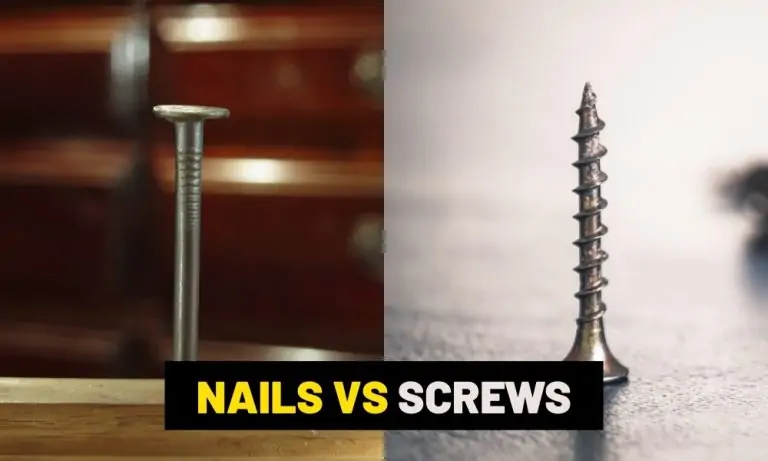
Choosing the right nail screws involves a careful evaluation of several key factors, including the project material (wood, metal, drywall), the environment (indoor vs. outdoor), the screw’s material and coating, its length and diameter, and the specific types of head, drive, and thread. Each of these elements plays a critical role in ensuring a secure, durable, and professional-looking finish. Getting this choice right prevents issues like stripped heads, wood splitting, and premature corrosion, saving you time, money, and frustration down the line.

Table of Contents
- Before You Choose: What is Your Project’s Core Need?
- The Foundation of Strength: Why Screw Material and Coating are Crucial
- Getting the Right Fit: How to Select Screw Length and Diameter
- The Anatomy of a Screw: Choosing the Right Head, Drive, and Thread
- Putting It All Together: A Practical Selection Guide
- Partner with the Experts at RivetJL
Before You Choose: What is Your Project’s Core Need?
Before you even look at a screw, you must first analyze your project. The most common mistake is choosing a fastener based on convenience rather than suitability. Asking two fundamental questions will narrow down your options significantly and set you on the path to success. Understanding the *what* and the *where* is the first step in the selection process.
Identifying the Application: Wood, Metal, or Drywall?
The materials you are joining dictate the type of screw you need. A screw designed for wood will perform poorly in metal, and vice-versa. This is primarily due to the thread design and the material’s hardness.
- Wood: Wood screws typically have a coarser thread and an unthreaded shank near the head. This design allows the screw to pull two pieces of wood together tightly. The coarse threads grip aggressively into the wood fibers.
- Metal: Screws for sheet metal (self-tapping screws) have finer, sharper threads that run the entire length of the screw. These are designed to cut their own path (or “tap”) into the metal, creating a secure fit without pre-drilling in thinner gauges.
- Drywall: Drywall screws feature a “bugle” head that is designed to countersink into the soft drywall paper without tearing it. They have sharp points for easy piercing and are available in coarse threads for wood studs or fine threads for metal studs.
Assessing the Environment: Indoor, Outdoor, or High-Corrosion?
Where will your finished project live? The answer to this question is critical for determining the necessary level of corrosion resistance. A standard indoor screw used outdoors will rust and fail in a surprisingly short amount of time, compromising the structural integrity of your work. This is one of the most important factors for ensuring long-term durability.
For indoor applications in a dry, climate-controlled environment, a basic zinc-plated or phosphate-coated screw is often sufficient. However, if you’re tackling a project outdoors, such as building a deck, fence, or playground, you must upgrade. Look for fasteners specifically rated for exterior use. This usually means hot-dip galvanized, ceramic-coated, or, for the best protection, stainless steel. For projects in highly corrosive environments, like coastal areas with salt spray or industrial settings with chemical exposure, 316-grade stainless steel is the gold standard.
The Foundation of Strength: Why Screw Material and Coating are Crucial
The material a screw is made from determines its strength, brittleness, and inherent resistance to corrosion. The coating is an added layer of protection that enhances its performance in specific environments. When people ask, “which screw is strongest?”, the answer often lies in the base material and its treatment.
Carbon Steel: The Versatile Workhorse
Most common screws are made from carbon steel. It’s a strong, reliable, and cost-effective material. However, untreated carbon steel rusts very easily. To combat this, steel screws are almost always coated. Hardened steel screws are heat-treated to significantly increase their strength, making them ideal for structural applications, but this process can also make them more brittle. They can withstand immense shear force but may snap under excessive bending or shock loads.
Stainless Steel: The Champion Against Corrosion
When longevity and rust prevention are paramount, stainless steel is the premier choice. It’s an alloy of steel, chromium, and often nickel, which creates a passive, self-repairing layer of chromium oxide on its surface. This layer is what prevents rust from forming.
- 18-8 / 304 Stainless Steel: This is the most common type, offering excellent corrosion resistance for most outdoor and damp applications. It’s ideal for decks, outdoor furniture, and general construction in non-coastal areas.
- 316 Stainless Steel: Known as “marine grade,” this type contains molybdenum, which dramatically increases its resistance to chlorides (like salt). It is the only choice for projects near the ocean, on boats, or in swimming pool areas.
Understanding Protective Coatings
Coatings provide a barrier between the base steel and the elements. The effectiveness and longevity of the coating vary widely.
- Zinc Plating (Electro-galvanized): A thin layer of zinc provides minimal rust protection. It’s suitable only for dry, indoor use. It will quickly fail outdoors.
- Hot-Dip Galvanized: This process involves dipping the screw in molten zinc, creating a much thicker, more durable, and more protective layer. It’s a good, cost-effective choice for many outdoor applications like fences and general framing.
- Ceramic or Polymer Coatings: These are modern, proprietary coatings that offer excellent corrosion resistance, often outperforming galvanization. They are frequently used for high-performance deck and construction screws and come in various colors.
Getting the Right Fit: How to Select Screw Length and Diameter
Choosing the correct size is not just about making sure the screw is long enough; it’s about maximizing holding power without damaging the material. The length and diameter (or gauge) of a screw are two of its most fundamental properties.
The Rules of Thumb for Screw Length
How do you determine the right screw length? The primary goal is to ensure the screw penetrates deep enough into the base material (the piece you are fastening *to*) to get a strong grip. A common rule is that the screw should penetrate the base material by at least half to two-thirds of its thickness. For structural connections, the screw should pass entirely through the first piece of wood and penetrate the second piece by at least 1 to 1.5 inches. Always account for the thickness of the material you are fastening *through*.
What is the Screw Shank Diameter (Gauge) and Why Does it Matter?
The diameter, often referred to as the gauge (#6, #8, #10, etc.), relates to the screw’s strength. A larger diameter (higher gauge number) means a thicker, stronger screw with greater resistance to shearing and snapping. A #10 screw is stronger than a #8 screw. Choose a thicker gauge for structural applications or when joining heavy materials. For delicate work or thin materials where splitting is a concern, a smaller gauge screw is more appropriate. For very hard woods, drilling a pilot hole slightly smaller than the screw’s diameter is crucial to prevent splitting.
The Anatomy of a Screw: Choosing the Right Head, Drive, and Thread
Beyond material and size, the specific design of the screw’s head, the type of tool needed to install it (the drive), and the pattern of its threads all serve unique purposes. Matching these features to your job is the final step in making an expert choice.
Which Screw Head Type is Best for Your Task?
The head of the screw determines how it sits on the material’s surface and how force is distributed.
| Head Type | Appearance | Common Uses & Advantages |
|---|---|---|
| Flat Head | Conical shape, sits flush or below the surface. | Ideal for a smooth, finished look. Requires a countersunk hole. Used in woodworking, hinges, and finishing. |
| Pan Head | Slightly rounded top with a flat load-bearing surface. | Sits on top of the material. Good for metal applications where a flat bottom is needed. Provides good clamping force. |
| Truss Head (or Wafer Head) | Wide, low-profile dome. | Excellent for attaching thin materials like sheet metal or lath, as the wide head prevents pull-through. |
| Bugle Head | Curved, bugle-like shape under the head. | Specifically for drywall. The shape allows it to self-countersink without tearing the paper surface. |
| Hex Washer Head | A hex head with an integrated washer. | Provides a very large bearing surface and allows for high torque application. Common in construction and self-drilling screws. |
What is a Screw Drive and Why Should You Care?
The drive is the recess in the screw’s head that the screwdriver or drill bit fits into. A good drive-to-bit connection prevents “cam-out” (when the bit slips out of the recess) and allows you to apply adequate torque. The Torx (or Star) drive is widely considered superior for high-torque applications like decking, as its 6-point design provides a much more positive engagement than the traditional Phillips head, dramatically reducing the risk of stripping the screw head.
Coarse vs. Fine: Decoding Screw Thread Types
The final piece of the puzzle is the screw’s thread. The choice between coarse and fine threads depends almost entirely on the material.
- Coarse Threads: These have a wider spacing between threads. They are best for soft materials like softwood (pine, fir) and drywall. They drive in faster and have excellent holding power in these materials, resisting pull-out.
- Fine Threads: These have narrower spacing. They are superior for hardwoods (oak, maple) as they cause less splitting and have greater thread engagement in dense material. They are also the standard for machine screws and self-tapping screws used in metal.
Putting It All Together: A Practical Selection Guide
To simplify the process, here are some common projects and the recommended screw characteristics. This serves as a quick-reference checklist to guide your decision-making.
| Project | Recommended Material/Coating | Recommended Head & Drive | Recommended Thread Type |
|---|---|---|---|
| Building an Outdoor Deck | 304 or 316 Stainless Steel; or high-quality Ceramic Coated | Flat Head for countersinking; Torx (Star) Drive for high torque | Coarse (for treated pine/cedar) |
| Assembling Hardwood Cabinets | Zinc-Plated Steel (indoor) | Flat Head for hinges; Pan Head for assembly | Fine (for oak, maple, etc.) |
| Hanging Drywall on Wood Studs | Phosphate Coated Steel | Bugle Head; Phillips Drive | Coarse |
| Attaching Metal Roofing | Hot-Dip Galvanized or Coated; matching color | Hex Washer Head with EPDM sealing washer | Self-Tapping (varies by substrate) |
Partner with the Experts at RivetJL
Choosing the right nail screw is a science, and getting it right is a hallmark of quality craftsmanship. While this guide covers the most critical factors, every project has unique challenges. The difference between a good result and a great one often comes down to selecting the perfect fastener for the job.
At RivetJL, we don’t just sell fasteners; we provide solutions backed by years of industry expertise. Our comprehensive range of nail screws is manufactured to the highest standards of quality and durability. If you have questions about which screw is right for your specific application, from material compatibility to load-bearing requirements, we encourage you to reach out. Contact our team of fastening experts today, and let us help you build with confidence and precision.