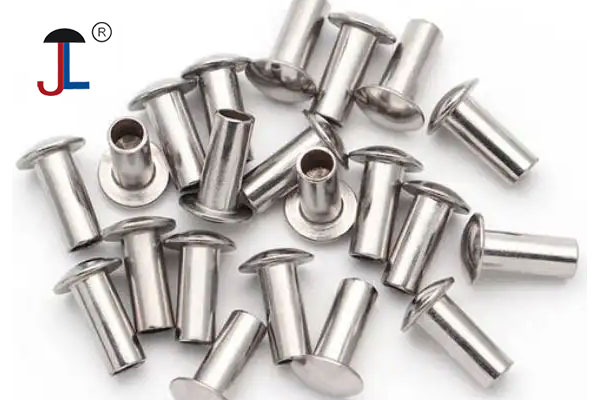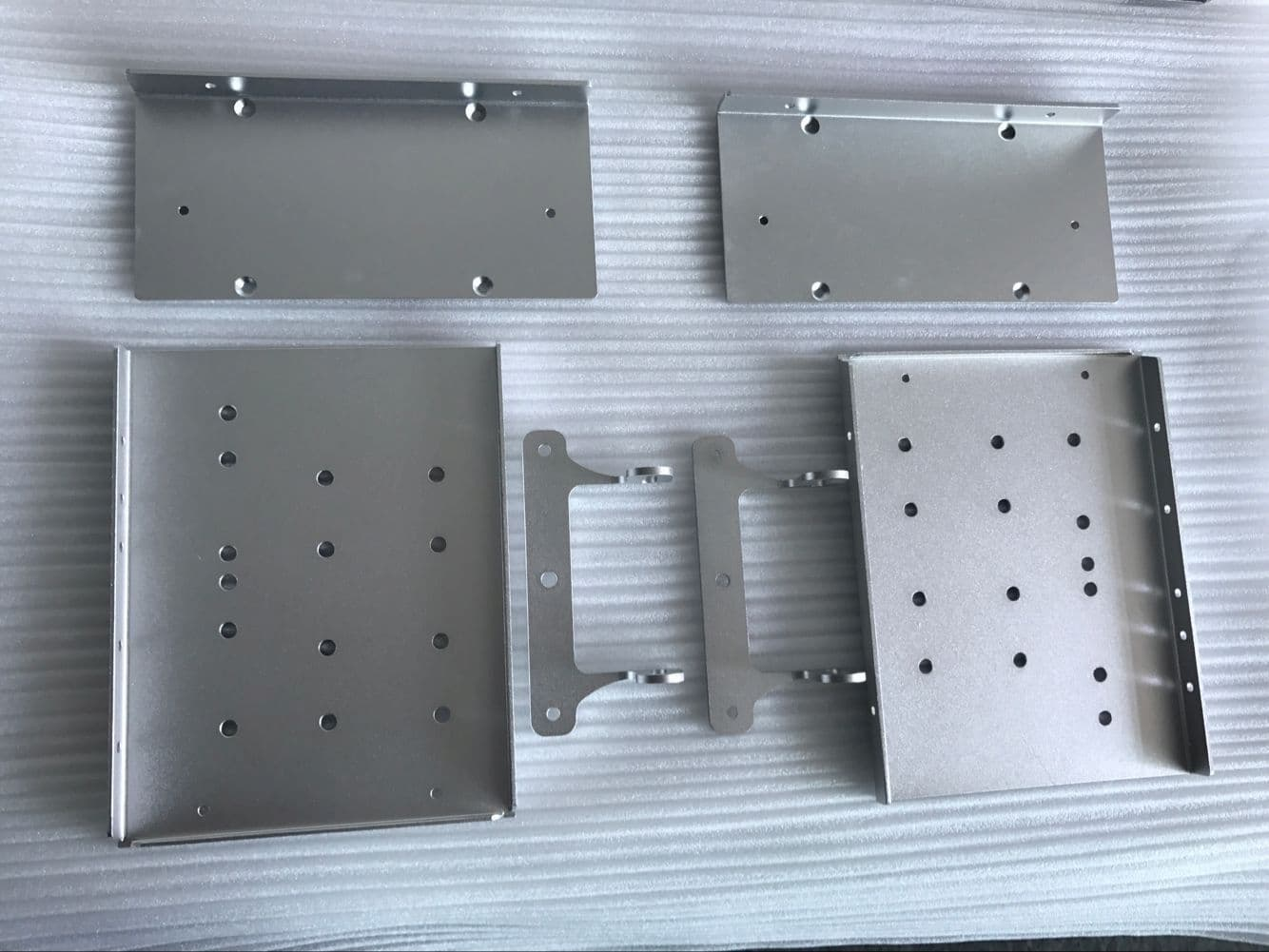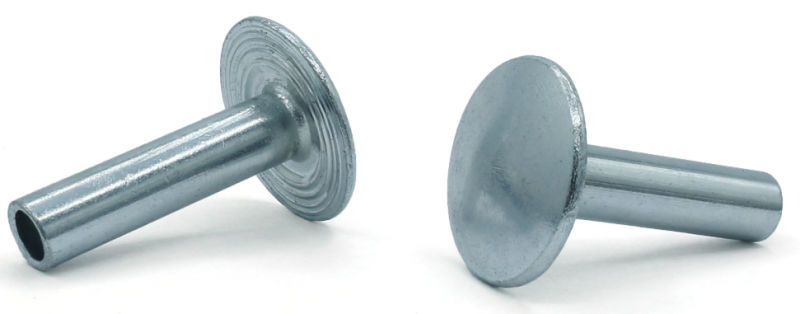
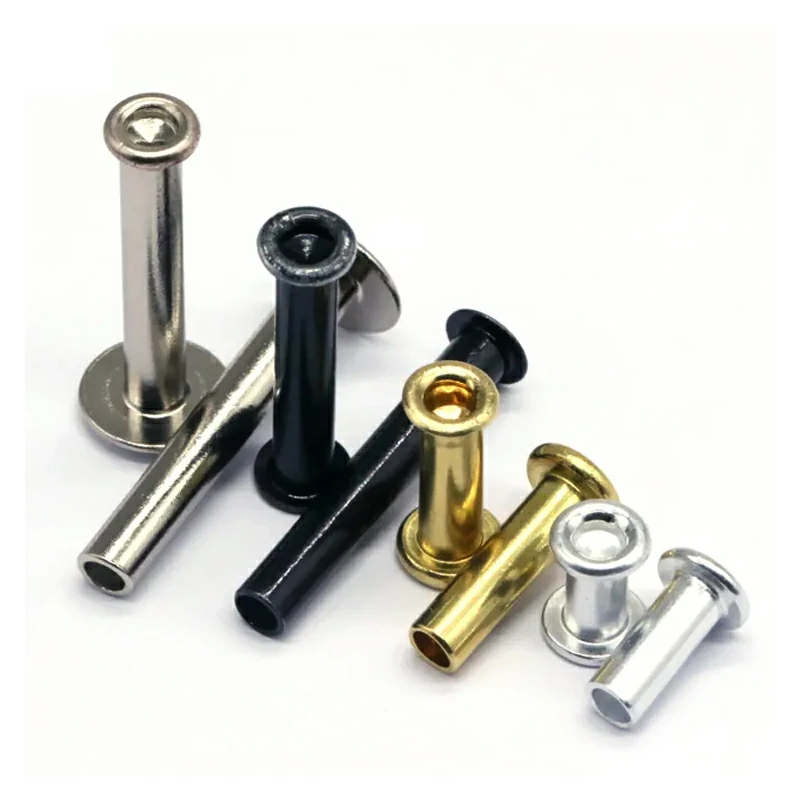
A rivet head design, or style, refers to the shape of the part of the rivet that remains visible after installation. Common designs include round, flat, and countersunk heads, each chosen for specific functional and aesthetic requirements. The selection depends on factors like the material being joined, the required strength, and whether a flush surface is necessary.
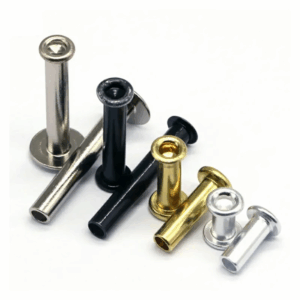
Rivets are one of the oldest and most reliable methods for creating strong, permanent joints between materials. While the basic principle of a rivet is simple, the variety of head designs, materials, and their specific applications is vast and critical for engineering success. Understanding these variations is key to selecting the right fastener for your project, ensuring everything from structural integrity to aerodynamic efficiency. At RivetJL, we specialize in providing the perfect riveting solution for any application, and this guide will walk you through the essential aspects of choosing the correct rivet head.
This comprehensive guide will explore the different types of rivet heads, delve into the material options available, and examine their specific use cases. Whether you’re in the aerospace, automotive, or construction industry, this article will equip you with the knowledge to make informed decisions for your fastening needs.
Table of Contents
- What Are the Main Types of Rivet Heads?
- How Do Rivet Head Designs Impact Functionality?
- Which Materials Are Commonly Used for Rivets?
- What Are the Common Use Cases for Different Rivet Types?
- How to Choose the Right Rivet Head Design for Your Application
- Conclusion: Partnering with RivetJL for Your Fastening Needs
What Are the Main Types of Rivet Heads?
The head of a rivet is its most distinguishing feature and plays a crucial role in its performance. Different shapes provide varying levels of strength, surface finish, and installation clearance. Understanding the geometry of each head style is the first step in selecting the appropriate fastener for a specific engineering challenge. Below, we detail the most common rivet head designs you will encounter.
| Rivet Head Type | Description | Primary Use Case |
|---|---|---|
| Round Head (Button Head) | A dome-shaped head that provides a large bearing surface and excellent strength. It is one of the most common types. | Structural applications where strength is prioritized over a flush finish, such as bridges and heavy machinery. |
| Flat Head | A flat-topped head with a low profile, offering a good bearing surface without significant protrusion. | Joining sheet metal, belts, and applications requiring a lower profile than a round head. |
| Countersunk Head (Flush) | A conical head designed to sit flush with the material’s surface, requiring a pre-drilled countersunk hole. | Aerospace and automotive panels where a smooth, aerodynamic surface is essential to reduce drag. |
| Truss Head (Brazier Head) | A wide, low-profile head with a rounded top, excellent for covering large clearance holes or spreading the load on thin materials. | Fastening thin or soft materials like plastics or composites where pull-through is a risk. |
| Universal Head | A hybrid design combining features of round and flat heads, offering good strength with a slightly lower profile than a round head. | Common in aircraft construction as a replacement for older, more specific head types. |
How Do Rivet Head Designs Impact Functionality?
The choice between a rivet head that protrudes and one that sits flush is a fundamental decision driven by the application’s specific needs. This choice affects not only the aesthetics of the final product but also its structural performance, aerodynamic properties, and overall durability. The distinction is critical in industries ranging from heavy construction to high-performance aerospace engineering.
Protruding Head Rivets: Strength and Durability
Protruding head styles, such as Round (Button) Heads and Truss Heads, are designed with structural integrity as the top priority. The raised profile of these heads creates a larger bearing surface, which more effectively distributes the load across the joint. This distribution is vital for preventing material fatigue and failure, especially in applications subjected to high shear and tensile forces. The robust geometry of a round head, for instance, makes it the standard choice for building bridges, cranes, and other heavy-duty steel structures where maximum strength is non-negotiable.
Additionally, the visible nature of protruding heads simplifies the inspection process. Maintenance crews can quickly and visually assess the condition of the rivet, checking for signs of corrosion, loosening, or structural fatigue. While they do not offer a smooth surface, their reliability and the ease with which they can be installed and inspected make them indispensable for applications where safety and longevity are the paramount concerns.
Countersunk (Flush) Rivets: For Aerodynamic and Smooth Surfaces
In contrast, Countersunk Head Rivets are engineered for applications where a smooth, uninterrupted surface is essential. To achieve this, a conical recess, or countersink, must be machined into the material, allowing the rivet head to sit perfectly flush. The primary benefit is the reduction of aerodynamic drag. On an aircraft’s fuselage and wings, even the slightest protrusion can disrupt airflow, increase fuel consumption, and reduce speed. Therefore, thousands of countersunk rivets are used to create the sleek surfaces required for efficient flight.
Beyond aerodynamics, flush rivets are also chosen for aesthetic reasons or in applications where moving parts must pass over the surface without obstruction. For example, they are used in conveyor systems, electronic enclosures, and high-end architectural metalwork. While the process of creating a countersunk hole adds a step to manufacturing, the resulting clean finish and functional benefits are often a critical design requirement.
Which Materials Are Commonly Used for Rivets?
The material of a rivet is just as important as its head design. The choice of material dictates the rivet’s strength, corrosion resistance, weight, and conductivity. It is crucial to select a rivet material that is compatible with the materials being joined to prevent galvanic corrosion, a process where one metal corrodes preferentially when in electrical contact with another in the presence of an electrolyte.
Aluminum Rivets
Aluminum rivets are lightweight, corrosion-resistant, and easy to form, making them a popular choice for a wide range of applications. They are most prominent in the aerospace industry, where reducing weight is critical for fuel efficiency and performance. Aluminum rivets are also ideal for joining aluminum sheets, as using the same material eliminates the risk of galvanic corrosion. You’ll find them in boat hulls, road signs, and consumer electronics.
Steel and Stainless Steel Rivets
For applications requiring maximum strength and durability, steel is the go-to material. Carbon steel rivets are exceptionally strong and are used in construction, automotive frames, and heavy machinery. However, they are susceptible to rust unless coated or painted. Stainless steel rivets, on the other hand, offer an excellent combination of strength and superior corrosion resistance. This makes them ideal for marine environments, food processing equipment, and chemical plants where exposure to moisture and corrosive substances is constant. The 304 and 316 grades are among the most common stainless steel alloys used for rivets.
Copper and Brass Rivets
Copper and brass rivets are chosen for their unique properties, including excellent electrical and thermal conductivity and high corrosion resistance. Copper rivets are often used in electrical applications, roofing, and plumbing. They are also popular in leatherwork and decorative applications due to their attractive appearance. Brass rivets, an alloy of copper and zinc, are stronger than copper and also resist corrosion, making them suitable for marine hardware and applications where both function and aesthetics are important.
Titanium and Specialty Alloys
In the most demanding, high-performance environments, specialty materials like titanium and nickel-based alloys (such as Monel) are used. Titanium rivets offer an exceptional strength-to-weight ratio and can withstand extremely high temperatures, making them essential for military aircraft, spacecraft, and high-performance engines. Monel rivets are known for their outstanding resistance to a wide range of corrosive agents, including seawater and acids, and are used in marine and chemical processing industries where other materials would quickly fail.
What Are the Common Use Cases for Different Rivet Types?
The combination of a specific head design and material determines a rivet’s ideal application. Different industries have developed standards based on decades of experience to ensure safety, performance, and longevity. Here’s a look at how different rivet types are deployed across various sectors.
Aerospace and Aviation
The aerospace industry relies heavily on rivets to assemble aircraft fuselages, wings, and control surfaces. Countersunk aluminum alloy rivets are used on exterior surfaces to create a smooth, aerodynamic profile. For internal structures and areas requiring higher strength, Universal Head or Round Head rivets made of aluminum or titanium are employed. The choice is always a careful balance between weight, strength, and resistance to cyclic fatigue.
Automotive Manufacturing
In the automotive world, rivets are used to fasten chassis components, body panels, and brake assemblies. Steel rivets with Flat Heads or Truss Heads are common for joining structural frame parts due to their high shear strength. Blind rivets are also extensively used in auto body repair and assembly lines for their ability to be installed from one side, speeding up the manufacturing process.
Construction and Infrastructure
Large-scale construction projects like bridges, buildings, and stadiums often use large-diameter, hot-driven steel Round Head rivets. Although largely replaced by high-strength bolting in modern construction, they are still specified for historical restoration projects and certain high-stress applications. The Eiffel Tower and the Golden Gate Bridge are iconic examples of rivet-heavy construction.
Marine Applications
The marine environment is incredibly harsh due to constant exposure to saltwater. For shipbuilding and offshore structures, rivet materials must be highly corrosion-resistant. Stainless steel, copper, and Monel rivets are commonly used. Truss Heads are often preferred for fastening panels to prevent pull-through, while Round Heads provide the necessary strength for structural joints.
How to Choose the Right Rivet Head Design for Your Application
Selecting the correct rivet involves a systematic evaluation of your project’s requirements. Asking the right questions will guide you to the optimal choice. First, what are the primary forces the joint will experience? If the joint is under high shear or tensile stress, a Round Head or Universal Head will provide the necessary strength. Second, is a flush surface required? If the answer is yes, for aerodynamic, aesthetic, or functional clearance reasons, a Countersunk Head is the only option. Third, what materials are you joining? This will determine the rivet material to prevent galvanic corrosion and ensure sufficient strength. For example, use aluminum rivets for aluminum sheets. Finally, consider the thickness of the materials. For thin or soft materials, a Truss Head with its wide bearing surface will prevent pull-through and distribute the load more effectively.
Conclusion: Partnering with RivetJL for Your Fastening Needs
Rivet head designs, materials, and their applications are deeply interconnected, and making the right choice is fundamental to the success and safety of any engineered product. From the robust strength of a steel Round Head rivet in a bridge to the aerodynamic precision of a titanium Countersunk rivet on a supersonic jet, every detail matters. By understanding the nuances of each type, you can ensure your joints are strong, durable, and perfectly suited for their purpose.
At RivetJL, we are committed to providing not just high-quality fasteners, but also the expertise to help you navigate these choices. Our extensive inventory and knowledgeable team are ready to assist you in selecting the ideal rivet for your project. Contact us today to learn how our solutions can enhance the integrity and performance of your products.