When selecting the right fastener for a project, the debate between Nail Screws vs. Self-Tapping Screws often arises, with the core question being: which is more reliable? The definitive answer is that reliability is application-dependent. For fastening into hard, brittle materials like concrete, brick, or masonry, nail screws (also known as concrete or masonry screws) offer superior, more reliable holding power. Conversely, for joining materials like sheet metal, plastic, or wood, self-tapping screws provide a fast, efficient, and highly reliable solution by creating their own mating threads. Choosing the correct screw for the material is the single most important factor in ensuring a secure and long-lasting connection.
At RivetJL, we understand that the integrity of your entire project can hinge on a single fastener. A screw that fails—whether by pulling out, shearing off, or corroding—can lead to costly repairs and safety hazards. This comprehensive guide will explore the distinct characteristics, applications, and installation methods of both nail screws and self-tapping screws. By understanding their fundamental differences, you can confidently select the most dependable fastener, guaranteeing the structural soundness and longevity of your work.
Table of Contents
- Understanding the Fundamentals: What Differentiates These Screws?
- Head-to-Head Comparison: Nail Screw vs. Self-Tapping Screw
- When to Choose Nail Screws for Maximum Reliability
- When Are Self-Tapping Screws the Reliable Choice?
- The Critical Factor: Installation Best Practices for Peak Reliability
- The Bottom Line: Which Screw Is Truly More Reliable?
- Partner with a Fastener Expert for Guaranteed Performance
Understanding the Fundamentals: What Differentiates These Screws?
Before comparing reliability, it’s essential to understand that “nail screw” and “self-tapping screw” describe fasteners with distinct designs and purposes. While a nail screw is technically a type of self-tapping screw, its design is highly specialized for a unique set of materials, setting it apart in both form and function.
What Exactly Are Nail Screws?
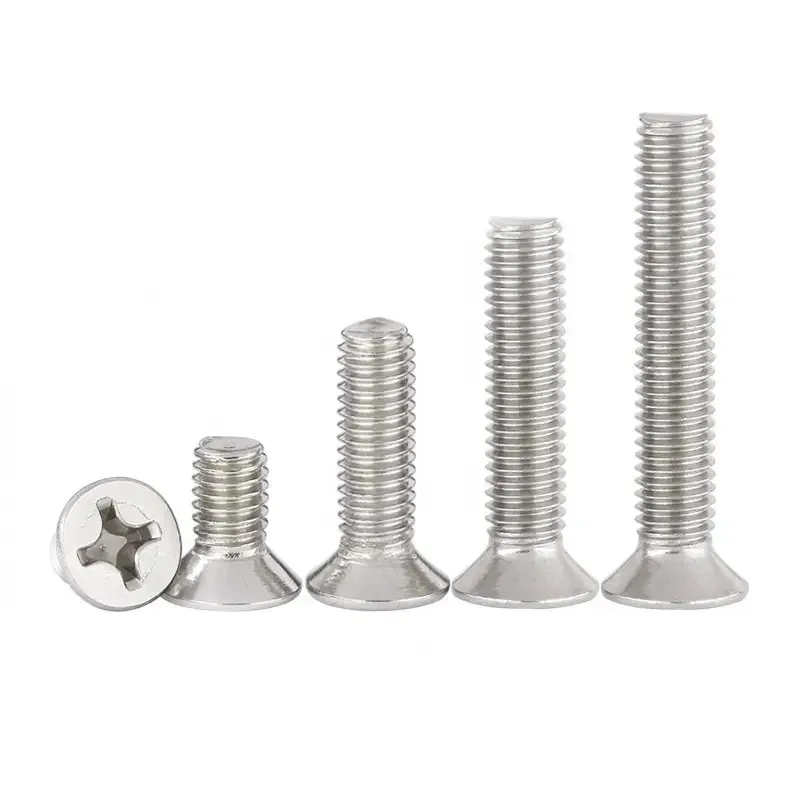
A nail screw, more commonly known in the industry as a concrete screw or masonry screw, is an anchor designed specifically for fastening objects to materials like concrete, brick, and block. Their key identifying feature is a specialized thread profile, often a high-low or serrated thread design, engineered to cut into and grip these dense, brittle substrates. These screws are typically made from hardened carbon steel and are often coated with a corrosion-resistant finish (like blue Climaseal®) to withstand harsh environments. Unlike traditional expansion anchors, a nail screw works by tapping threads directly into a pre-drilled pilot hole, creating a secure mechanical interlock with the base material without exerting expansion forces that could cause cracking.
And What Are Self-Tapping Screws?
A self-tapping screw is a broader category of fastener defined by its ability to form or “tap” its own threads as it is driven into a material. This eliminates the need for a pre-tapped hole. There are two primary types:
- Thread-Forming: These screws displace material as they are driven in, creating a tight, vibration-resistant fit without producing any cutting debris (swarf). They are ideal for use in thinner metals and plastics.
- Thread-Cutting: These screws have a cutting edge or flute at the tip that acts like a tap, removing a small amount of material to create threads. They are used in thicker metals, harder plastics, and woods where thread-forming might require excessive torque.
Self-tapping screws come in a vast array of head styles, drive types, and point configurations (e.g., Type A, AB, B, F) to suit countless applications, primarily involving sheet metal, plastics, and wood.
Head-to-Head Comparison: Nail Screw vs. Self-Tapping Screw
To clarify the choice, a direct comparison highlights where each screw excels. The reliability of each fastener is directly tied to its performance in these key areas.
| Feature | Nail Screws (Concrete Screws) | Self-Tapping Screws |
|---|---|---|
| Primary Application | Fastening to concrete, brick, block, and other masonry. | Assembling sheet metal, plastics, wood, and composites. |
| Holding Power Mechanism | Cuts deep, aggressive threads into a pilot hole in hard materials for high pull-out and shear strength. | Forms or cuts mating threads in softer materials, creating a tight mechanical bond. |
| Installation Process | Requires a specific-sized pilot hole drilled with a carbide-tipped masonry bit. | Often requires a pilot hole, but some (self-drilling) can create their own hole and threads simultaneously. |
| Material Compatibility | Extremely hard, brittle materials. Unsuitable for metal or wood. | Metals, plastics, and woods. Unsuitable for concrete or masonry. |
| Removability | Yes, they are fully removable, making them ideal for temporary fixtures or adjustments. | Removable, but repeated removal/re-insertion can strip the threads in softer materials like plastic. |
| Key Reliability Factor | High resistance to pull-out forces in dense substrates. | High clamping force and resistance to vibrational loosening in assembled components. |
When to Choose Nail Screws for Maximum Reliability
Opting for a nail screw is the only reliable choice in specific, demanding situations where other fasteners would fail. Their design is a direct solution to the challenges of anchoring into masonry.
Demanding Concrete and Masonry Applications
The number one use case for nail screws is fastening items to concrete. Whether you are installing electrical conduit, attaching wall studs to a slab foundation, mounting window frames in a brick opening, or securing stadium seating, the nail screw provides a direct and incredibly strong connection. Its hardened body and specialized threads are designed to withstand the abrasive nature of concrete without stripping or breaking, offering dependable performance where a standard screw would be useless.
High-Load and Structural Fastening
Nail screws are engineered and tested for significant pull-out (tensile) and shear loads. This makes them a reliable choice for applications with structural implications, such as attaching ledgers for decks (when approved by code), securing heavy machinery, or installing racking systems in a warehouse. Their reliability comes from the deep, continuous thread engagement along the entire length of the screw within the concrete, distributing the load effectively.
Benefits of Removability and Adjustability
A key advantage contributing to their reliability in certain contexts is their removability. Unlike expansion anchors or epoxy anchors, nail screws can be completely backed out, leaving only a small, clean hole. This is invaluable for temporary installations like formwork or scaffolding, or for applications where adjustments may be necessary. The ability to remove and reposition a fixture without compromising the base material adds a layer of practical reliability.
When Are Self-Tapping Screws the Reliable Choice?
Self-tapping screws are the workhorses of manufacturing and general construction. Their reliability shines in applications where speed, efficiency, and strong clamping force are paramount.
Sheet Metal and Light-Gauge Steel Assembly
What is the most reliable way to join two pieces of sheet metal? A self-tapping screw. They are the go-to fastener in HVAC for ductwork, in automotive for attaching body panels, and in construction for fastening metal roofing and siding. Thread-forming types are particularly reliable in these applications as they create a perfect, zero-clearance thread engagement that strongly resists loosening from vibration—a common issue in machinery and vehicles.
Plastics, Composites, and Wood Assemblies
In the assembly of consumer electronics, appliances, and furniture, self-tapping screws are essential. Specialized versions are designed for plastics (e.g., “PT” screws) that can be installed without causing cracking or stress in the boss. For wood, they provide significantly more holding power and reliability than nails, especially in applications subject to movement or load, like cabinetry and subflooring.
Benefits of Speed and Efficiency in Production
In a high-volume assembly line, reliability also means repeatable, fast installation. Self-tapping screws, especially when paired with automated drivers, drastically reduce assembly time by eliminating the separate step of tapping threads. This process efficiency is a form of reliability that is critical to manufacturing profitability and product consistency.
The Critical Factor: Installation Best Practices for Peak Reliability
The ultimate reliability of any screw, whether a nail screw or a self-tapper, is heavily dependent on correct installation. A high-quality fastener installed improperly will fail.
The Importance of Proper Pilot Hole Sizing
For nail screws, this is non-negotiable. The pilot hole must be drilled with the correct diameter carbide bit specified by the manufacturer for the screw diameter. A hole that is too large will result in drastically reduced holding power. A hole that is too small will make the screw impossible to drive or cause it to break under torque. Always clean the dust from the hole before driving the screw, as debris can interfere with thread cutting and reduce pull-out strength.
Correct Driving Technique and Torque Control
Over-torquing is a primary cause of fastener failure. For nail screws, using an impact driver is often recommended for installation, but care must be taken not to over-drive and strip the threads you just created in the concrete. For self-tapping screws, especially in metal, over-tightening can strip the threads in the base material or snap the screw head. Using a driver with a torque-control clutch is the most reliable method to ensure consistent and proper clamping force without damaging the fastener or the assembly.
The Bottom Line: Which Screw Is Truly More Reliable?
The question of “Nail Screws vs. Self-Tapping Screws” is not about declaring one universally superior. The true measure of reliability is a perfect match between the fastener and its intended application.
- A Nail Screw is unequivocally more reliable when your task is to anchor into concrete, brick, or masonry. Its design provides immense holding power in these materials where a self-tapping screw would have zero effectiveness.
- A Self-Tapping Screw is the more reliable choice for assembling sheet metal, plastics, and wood. It provides a fast, secure, and vibration-resistant joint that a nail screw could not create.
Therefore, the most reliable screw is the one you choose after carefully considering the base material, the load requirements, the environmental conditions, and the installation process. Misusing either type guarantees failure; using them correctly guarantees a secure and dependable connection.
Partner with a Fastener Expert for Guaranteed Performance
Choosing the right fastener can be complex, and the consequences of getting it wrong are significant. If your project demands uncompromising reliability and performance, don’t leave the decision to chance. At RivetJL, we are more than just a supplier; we are fastening solution experts. Our team can help you analyze your specific application and recommend the precise fastener—whether it’s a high-performance concrete screw, a specialized self-tapping screw, or another of our industrial-grade solutions—to ensure your project is built on a foundation of strength and reliability. Contact RivetJL today to secure your application with confidence.