Are you a leather crafter or DIY enthusiast constantly worrying about the durability of your projects? You’ve poured your heart into creating something beautiful, only to question if your chosen fasteners will truly hold up. It’s frustrating to invest time and effort, only to have doubts about the strength of your connections.
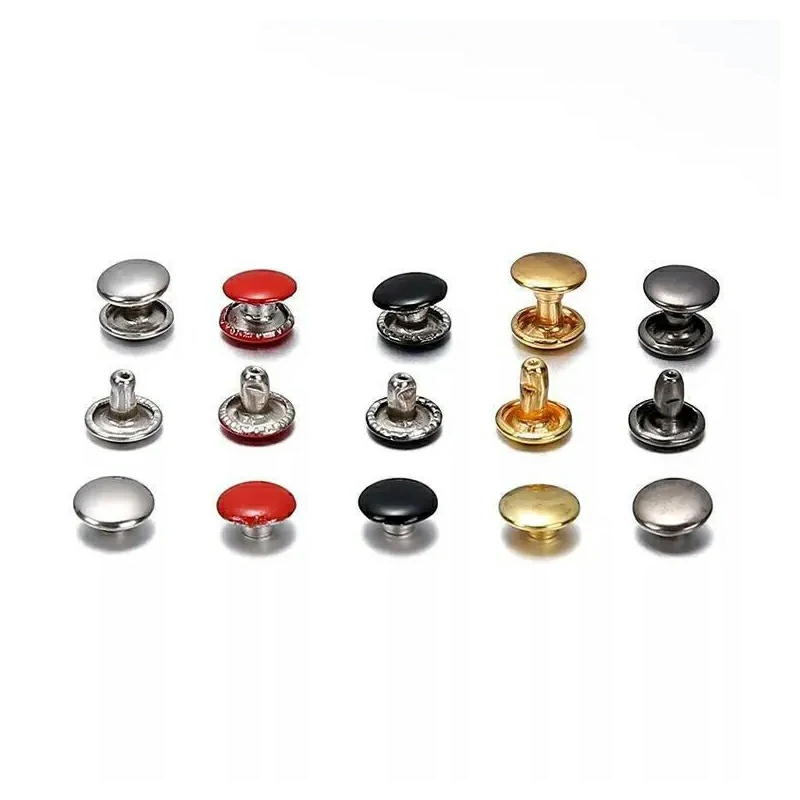
Double-cap rivets offer a robust and aesthetically pleasing fastening solution, providing reliable strength for various applications, particularly in leatherwork and bag making, when properly selected and installed. They are designed to create a strong, permanent hold by deforming the post into a second cap, ensuring durability and a finished look on both sides of the material, making them a preferred choice for visible connections.
Understanding the factors that contribute to a double-cap rivet’s strength and how to properly utilize them can transform your crafting confidence. This article will delve into the specifics of double-cap rivet strength, helping you make informed choices for your next project.
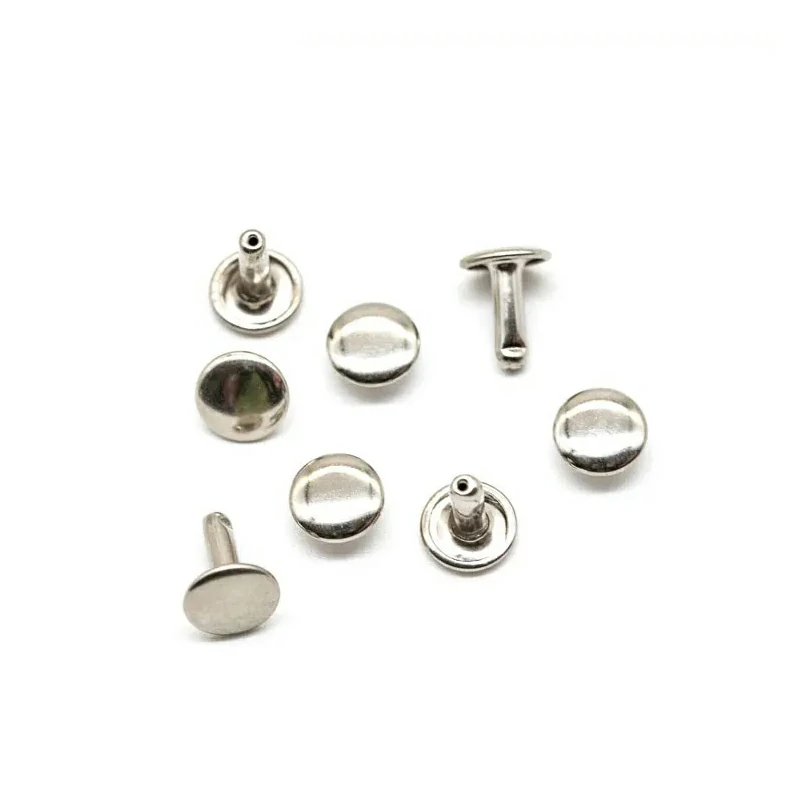
Table of Contents
- What Factors Influence Double-Cap Rivet Strength?
- How Do Double-Cap Rivets Compare to Other Rivet Types in Strength?
- What Are the Best Practices for Maximizing Double-Cap Rivet Strength?
- What Are Common Applications Where Double-Cap Rivets Excel?
1. What Factors Influence Double-Cap Rivet Strength?
Ever wondered why some double-cap rivets hold steadfastly while others seem to falter under pressure? The inherent strength of a double-cap rivet isn’t just about its size; it’s a complex interplay of material, dimensions, and the quality of its installation.
The strength of double-cap rivets is primarily influenced by the material they are made from, their dimensions (cap size and post length), and the precision of their installation, including the correct post protrusion and setting technique. These elements collectively determine how well the double-cap rivet can withstand tensile (pulling apart) and shear (sliding apart) forces in an application, directly impacting the longevity of the fastened item.
Understanding these factors is crucial for selecting the right double-cap rivet for your project and ensuring its long-term durability.
1.1 Material Composition and Durability
The material from which a double-cap rivet is manufactured plays a significant role in its overall strength and resistance to wear and tear. Different metals offer varying degrees of hardness, tensile strength, and corrosion resistance, directly impacting the double-cap rivet’s performance in specific environments and its ability to maintain a secure connection.
For example, steel double-cap rivets, especially nickel-coated steel, are known for their superior durability and strength, making them suitable for applications requiring robust connections that endure significant stress. Stainless steel double-cap rivets (e.g., AISI 304 or 316) are highly regarded for their exceptional hardness, strength, and resistance to environmental deterioration, particularly in corrosive or outdoor settings. In contrast, while brass double-cap rivets are capable for many applications, they might not offer the same ultimate tensile or shear strength as steel for heavy-duty or structural uses. Aluminum double-cap rivets, known for being lightweight and corrosion-resistant, are also a common choice, especially when avoiding galvanic corrosion between dissimilar metals or when weight is a critical factor. The choice of material for double-cap rivets directly dictates their resilience against forces and environmental degradation.
- Steel (Nickel-Coated Steel): These double-cap rivets offer very durable and strong connections, provided they are used and set properly. The nickel coating adds a layer of corrosion resistance and a polished finish. For instance, a user reported successfully using nickel-coated steel double-cap rivets to secure a guige strap on an 8kg shield, which withstood considerable force during use without any signs of failure or loosening. This demonstrates their capacity for high-stress, functional applications beyond mere decoration.
- Stainless Steel (AISI 304/316): Stainless steel double-cap rivets provide excellent strength, hardness, and superior resistance to deterioration and corrosion, making them ideal for demanding applications exposed to moisture, chemicals, or outdoor elements. AISI 316, in particular, offers enhanced corrosion resistance, especially against chlorides, making it suitable for marine or coastal environments. Their inherent strength ensures the integrity of the riveted joint over extended periods, even under adverse conditions.
- Brass: Brass double-cap rivets are capable of holding up in many light to medium-duty applications, offering good aesthetic appeal and a degree of flexibility. While generally not as strong as steel for extreme loads, brass is flexible, low-friction, and has good tarnish resistance, making it suitable for decorative items, fashion accessories, or even specific applications where non-sparking properties are required, such as in certain gas appliances. The malleability of brass also contributes to a clean, easy set.
- Copper: Copper double-cap rivets are known for their flexibility, excellent conductivity of heat and electricity, and distinctive aesthetic. They are often preferred in water and electrical appliances, or for decorative purposes where a rustic or antique look is desired. While a user noted copper rivets might be stronger in some contexts, they also acknowledged that they typically require more time and precision to set properly due to their ductility. Their softness can sometimes lead to over-setting if not careful, but their malleability also allows for a very tight, conforming fit.
Table 1.1: Comparative Properties and Strength Profiles of Common Double-Cap Rivet Materials
This table outlines the key characteristics, approximate tensile strength, and typical applications for various materials used in double-cap rivets, providing a quick reference for material selection based on project requirements.
| Material | Key Properties | Typical Tensile Strength (Approx.) | Common Applications | Strength Profile |
| Steel | High durability, strong, wear-resistant, good impact resistance | 400-700 MPa | Heavy-duty leatherwork, structural components, high-stress points | Very strong, reliable, excellent shear strength |
| Stainless Steel | Hard, strong, corrosion-resistant, high fatigue limit | 500-800 MPa | Marine, outdoor gear, demanding environments, medical equipment | Excellent strength, superior longevity in harsh conditions |
| Brass | Flexible, low-friction, tarnish-resistant, good electrical conductivity | 300-450 MPa | Decorative items, lighter-duty leatherwork, fashion accessories | Good for intended use, but less than steel for extreme loads |
| Copper | Flexible, excellent electrical/thermal conductivity, antimicrobial | 200-350 MPa | Electrical appliances, water applications, decorative, artistic projects | Good, but setting can be more time-consuming; ductility can be a factor |
1.2 Dimensions: Cap Size and Post Length
The physical dimensions of a double-cap rivet, specifically its cap size and post length, are critically important to its strength and proper functioning. The post length, in particular, must be precisely matched to the total thickness of the material being joined to ensure a secure, permanent, and lasting connection. Incorrect sizing is a leading cause of rivet failure, regardless of material quality.
If the post of the double-cap rivet is too short, there won’t be enough material to properly crush, expand, and fully fill the cavity of the second cap, resulting in a weak, loose, and easily compromised joint. Conversely, if the post is too long, excessive material will crush and buckle, potentially deflecting the rivet head to one side, creating a poor, uneven, and aesthetically unappealing connection that lacks optimal strength. For optimal setting and maximum strength, the rivet post should extend approximately 2-3 mm (or 1/16″ to 1/8″) beyond the total material thickness. This precise protrusion allows for the ideal amount of material to be deformed, creating a tight, secure, and symmetrical second cap.
- Post Length (Shank Length): This is arguably the most critical dimension for double-cap rivets. A rivet’s post length should be about 2–3 mm longer than the total compressed thickness of the material it’s joining. This excess length is what gets deformed to create the second cap. For example, if you are joining two pieces of leather, each 2mm thick, the total material thickness is 4mm. You would then need a double-cap rivet with a post length of approximately 6-7mm (4mm material + 2-3mm protrusion). If the post is too short (e.g., only 1mm protrusion), the second cap will be shallow and weak. If it’s too long (e.g., 5mm protrusion), the post will buckle, leading to a distorted, weak set.
- Cap Size (Head Diameter): While the cap size of double-cap rivets primarily impacts the aesthetic appearance, a larger cap can also distribute pressure over a wider surface area, potentially contributing to the joint’s stability and resistance to pull-through, especially in softer materials like fabric or thin leather. For instance, an 11mm head double-cap rivet successfully held an 8kg shield strap under strenuous use, demonstrating that larger caps can contribute to overall joint integrity by preventing the rivet from pulling through the material. The cap diameter should also be proportionate to the material thickness to prevent tearing.
- Material Thickness Range: Double-cap rivets are manufactured in various sizes, each designed for specific material thickness ranges. Using a rivet outside its recommended range will compromise strength. For example, a small 7mm (cap diameter) x 7mm (post length) double-cap rivet is typically suitable for material thicknesses between 2mm and 4mm (5-10 oz. leather), while an extra-large 15mm (cap diameter) x 9mm (post length) rivet can handle much thicker materials, from 10.5mm to 12.5mm (26-31 oz.). Always refer to the manufacturer’s sizing chart to ensure the correct match for your project.
Table 1.2: Double-Cap Rivet Sizing Chart and Protrusion Guidelines
This table provides a general sizing guide for double-cap rivets, correlating cap diameter and post length with recommended material thickness ranges and optimal post protrusion for a strong, secure set.
| Double-Cap Rivet Size (Cap Diameter x Post Length) | Recommended Material Thickness Range (mm) | Recommended Material Thickness Range (oz. leather) | Optimal Post Protrusion (mm) | Potential Issue (Too Short) | Potential Issue (Too Long) |
| 7mm x 7mm (Small) | 2mm – 4mm | 5-10 oz. | 2-3mm | Weak, loose cap | Buckled post, uneven set |
| 9mm x 9mm (Medium) | 4mm – 6mm | 10-15 oz. | 2-3mm | Incomplete set | Distorted cap, material damage |
| 12mm x 9mm (Large) | 7.5mm – 9.5mm | 18-22 oz. | 2-3mm | Insufficient grip | Rivet “wobbles” |
| 15mm x 9mm (Extra Large) | 10.5mm – 12.5mm | 26-31 oz. | 2-3mm | Easily pulled apart | Over-crushing, material stress |
1.3 Installation Method and Quality
The method and quality of installation are paramount to achieving the maximum strength from a double-cap rivet. Even the strongest rivet material and perfectly matched dimensions can result in a weak joint if not installed correctly. Proper installation ensures the post deforms and expands adequately into the second cap, creating a tight, permanent, and structurally sound bond. An improperly set double-cap rivet will have significantly reduced shear and tensile strength, making the entire assembly prone to failure.
Common installation methods for double-cap rivets include striking with a hammer on a hard surface, using a hand-held rivet setting tool with a mallet, or employing an industrial hand-press. A bench-style rivet setter can significantly improve consistency and prevent common issues like off-center settings, unwanted impressions in the surrounding material, or incomplete deformation of the post. The ultimate goal is to apply sufficient, even force to deform the post into a perfectly formed second cap without over-crushing the material or deflecting the rivet head, ensuring the double-cap rivet achieves its full potential strength.
- Hole Preparation: Before installing any double-cap rivet, a precisely sized hole must be created in the material. The hole diameter should be just slightly larger than the rivet’s post diameter, allowing the post to pass through snugly but without excessive play. For most standard double-cap rivets, a 1/8″ (3mm) hole is commonly recommended. Using a rotary punch for leather or a drill for other materials ensures clean, consistent holes. An undersized hole can make insertion difficult and potentially damage the rivet post, while an oversized hole will lead to a loose fit and reduced shear strength.
- Hand Setting with Tools: This is a common method for crafters. It involves placing the rivet’s cap on a solid, flat, and protected surface (like a steel anvil or a specialized rivet setting base), passing the post through the prepared holes, and then placing the second cap on the post. A hand-held rivet setting tool, featuring a concave tip designed to match the rivet cap, is then placed over the top cap and struck firmly and evenly with a rawhide or rubber mallet. Crucially, avoid striking metal tools with a metal hammer, as this can damage both the tool and the rivet, leading to an improper set and reduced strength. The mallet provides a controlled, non-marring impact.
- Bench-Style Rivet Setter (Press): For greater precision, consistency, and reduced physical effort, especially when installing multiple double-cap rivets, a bench-style rivet setter (often a manual hand-press) is highly recommended. These machines use interchangeable dies specifically designed for double-cap rivets. The dies ensure that the force is applied perfectly centered and evenly, resulting in a consistently well-set rivet every time. This method significantly reduces the likelihood of improper settings, off-center rivets, material damage, or an incomplete set, thus maximizing the double-cap rivet’s strength and aesthetic appeal. The controlled pressure of a press ensures optimal post deformation without over-crushing.
- Industrial Hand-Press: For high-volume production or industrial applications, a pneumatic or electric industrial hand-press with specialized double-cap rivet dies provides the most consistent, efficient, and professional results. These machines offer precise control over the setting force and speed, ensuring uniform rivet quality across large batches and maximizing the inherent strength of each double-cap rivet.
Table 1.3: Common Double-Cap Rivet Installation Mistakes and Their Impact on Strength
This table details frequent errors made during double-cap rivet installation, explaining how each mistake compromises the rivet’s strength and providing visual cues for identification, along with effective solutions.
| Mistake | Probable Cause | Impact on Strength | Solution |
| Loose/Wobbly Rivet | Post too short; insufficient setting force; oversized hole. | Significantly reduced tensile and shear strength; prone to pulling out. | Use longer post; apply more force; use correct hole size. |
| Buckled/Bent Post | Post too long; off-center strike; misaligned holes. | Weak, uneven set; reduced shear strength; unsightly. | Use shorter post; ensure centered strike; align holes perfectly. |
| Flattened/Damaged Cap | Excessive setting force; incorrect setting tool (e.g., flat hammer). | Compromised aesthetic; potential for material damage; reduced pull-through resistance. | Use correct concave setting tool; apply controlled force. |
| Material Puckering/Tearing | Post too long (over-crushing); hole too small; material too soft for rivet size. | Weakens material around rivet; reduces overall joint integrity. | Use correct post length; correct hole size; reinforce soft material. |
| Incomplete Second Cap Formation | Post too short; insufficient setting force. | Weak connection; easily pulled apart; poor aesthetics. | Use longer post; apply more force; ensure full deformation. |
2. How Do Double-Cap Rivets Compare to Other Rivet Types in Strength?
When choosing a fastener, it’s essential to understand how double-cap rivets stack up against other common rivet types in terms of strength. Each rivet type has unique characteristics that make it suitable for different applications and load requirements, and a direct comparison helps in making an informed decision for optimal performance.
Double-cap rivets provide a strong, aesthetically pleasing, and permanent connection, particularly in applications where both sides of the material are visible, but they may not always be the absolute strongest option compared to certain heavy-duty alternatives like solid rivets or some specialized tubular rivets. Their strength is often more than sufficient for many crafting, fashion, and light to medium-duty industrial uses where a clean finish on both sides is paramount.
Let’s explore the comparative strengths of double-cap rivets against other popular rivet types, considering their design, typical applications, and inherent load-bearing capabilities.
2.1 Double-Cap Rivets vs. Solid Rivets
Solid rivets are often considered the most common and oldest form of joining materials, known for their straightforward design and unparalleled reliability in high-stress applications. They consist of a solid shaft with a head on one side, and the headless end is deformed (bucked or hammered) using a rivet gun or hammer to create a second head.
- Double-Cap Rivets: These rivets consist of two distinct pieces: a cap with an attached post and a separate, connecting cap. When force is applied, the post smashes and expands into the cavity of the second cap, creating a strong, permanent hold with a finished, rounded look on both sides. While robust for their intended uses, the hollow nature of the post (which deforms) and the two-piece construction generally mean they have slightly lower ultimate shear and tensile strength compared to a solid rivet of equivalent material and diameter. They are generally strong enough for applications like bag making, leatherwork, and decorative accents where the primary loads are moderate and aesthetics are important.
- Solid Rivets: These are universally regarded as the most robust type of rivet, offering outstanding resistance against wear, stress, and vibration. Their strength comes from their monolithic, solid construction, which provides maximum material integrity across the entire cross-section of the rivet. They are often utilized in critical, load-bearing applications where safety and reliability are paramount, such as in the structural parts of aircraft, bridges, and heavy machinery. Solid rivets are generally considered significantly stronger than double-cap rivets due to their solid material core, which provides superior resistance to both shear (forces parallel to the joint) and tensile (forces perpendicular to the joint) loads. The deformation process of a solid rivet creates a fully dense, work-hardened second head, maximizing its load-bearing capacity.
Table 2.1: Comparative Analysis of Double-Cap Rivets vs. Solid Rivets
This table provides a direct comparison between double-cap rivets and solid rivets across various features, highlighting their construction, appearance, strength profiles, installation requirements, and primary applications to differentiate their suitability for different projects.
| Feature | Double-Cap Rivets | Solid Rivets | Comparative Strength Assessment |
| Construction | Two pieces: cap with post, separate connecting cap | Single solid shaft with a pre-formed head | Solid rivets are inherently stronger due to their monolithic construction and full material cross-section. Double-cap rivets have a hollow post for deformation. |
| Appearance | Finished, rounded look on both sides | Pre-formed head on one side, bucked/deformed tail on the other | Double-cap rivets offer superior aesthetics for visible applications. Solid rivets’ bucked tail may not be as visually appealing. |
| Strength Profile | Good for many applications, aesthetically pleasing, moderate shear/tensile strength | Very robust, high resistance to stress/vibration, superior shear/tensile strength | Solid rivets excel in ultimate load-bearing capacity. Double-cap rivets are strong for their class but not for extreme structural loads. |
| Installation | Hammer, setting tool, hand-press (requires access to both sides) | Rivet gun or hammer (requires access to both sides for bucking) | Both require two-sided access, but solid rivets often require specialized pneumatic tools for efficient bucking. |
| Primary Use | Decorative, leatherwork, bags, fashion | Aircraft structures, bridges, heavy machinery, critical safety applications | Solid rivets are for structural integrity. Double-cap rivets are for aesthetic and functional fastening in lighter-duty applications. |
2.2 Double-Cap Rivets vs. Tubular Rivets
Tubular rivets are partially hollow and come in various configurations, including semi-tubular and full tubular. They are often used in commercial applications where extensive cold forming is required, offering a balance between strength and ease of installation.
- Double-Cap Rivets: These rivets provide a strong hold by expanding the post into a second cap, offering a clean, finished appearance on both sides. Their strength is derived from the complete deformation of the post within the second cap, creating a secure, permanent bond. They are particularly suitable for attaching leather to bags and other items where an industrial sewing machine isn’t feasible or where a decorative element is desired.
- Tubular Rivets (Semi-Tubular and Full Tubular): These rivets have a hollow end that is cold-formed to create a field head.
- Semi-tubular rivets have a shallower hole (typically 1.12 times the shank diameter) and can feel like solid rivets once formed, offering good strength, especially in shear. They are excellent for heavy-duty bags and weight-bearing straps that need to withstand significant wear and tear. When set with a “peening tool,” the post end changes shape, creating metal spokes that dig into the material, forming a strong, flower-like back. This “peening” action provides a wide bearing surface and excellent pull-through resistance.
- Full tubular rivets, with deeper holes (often 1.6 times the shank diameter), are generally weaker in shear than semi-tubular or solid rivets but can easily pierce softer materials, eliminating the need for pre-drilled holes in some applications. Their strength is derived from the flared or rolled edge of the hollow post.
Table 2.2: Comparative Analysis of Double-Cap Rivets vs. Tubular Rivets
This table compares double-cap rivets with tubular rivets, specifically semi-tubular types, focusing on their construction, appearance, strength characteristics, and typical uses to help distinguish their functional advantages.
| Feature | Double-Cap Rivets | Tubular Rivets (Semi-Tubular) | Comparative Strength Assessment |
| Construction | Two pieces: cap with post, separate connecting cap | Single piece, partially hollow post | Semi-tubular rivets can offer comparable or even superior shear strength to double-cap rivets due to the larger bearing surface created by peening. |
| Appearance | Finished, rounded look on both sides | Manufactured head on one side, deformed hollow end (often flower-like or rolled) on the other | Double-cap rivets offer a more refined, symmetrical finish on both sides. Tubular rivets have a more industrial-looking deformed tail. |
| Strength Profile | Strong, good for visible applications, moderate shear/tensile strength | Extra-strength hold, great for heavy-duty wear and tear, good shear strength | Semi-tubular rivets with proper peening can be exceptionally strong, especially against pull-through. Double-cap rivets are strong but rely on internal post deformation. |
| Installation | Hammer, setting tool, hand-press | Peening tool with mallet, industrial hand-press | Both require specialized tools, but tubular rivets often use a “roll set” or “star set” die for specific deformation patterns. |
| Primary Use | Decorative, leatherwork, bags, fashion | Heavy-duty bags, weight-bearing straps, commercial applications, self-piercing | Tubular rivets are often chosen for functional strength and self-piercing capabilities. Double-cap rivets prioritize aesthetics and secure fastening. |
2.3 Double-Cap Rivets vs. Blind Rivets (Pop Rivets)
Blind rivets, also known as pop rivets, are tubular fasteners with a mandrel through their center and are unique because they can be installed from only one side of the material. This “blind” installation capability is their primary advantage.
- Double-Cap Rivets: These rivets require access to both sides of the material for installation, as the post is deformed into a second cap. They are chosen for their aesthetic appeal and strength in applications where both sides are visible and a clean, finished look is desired. Their strength is derived from the full internal deformation of the post.
- Blind Rivets: Blind rivets offer incredible fastening capabilities for both light and heavy-duty applications and are highly beneficial for supporting both tensile and shear loads. They are widely used in industries like aerospace, electronics, and shipbuilding where access to the rear end of a joint is difficult or impossible. While incredibly convenient for one-sided access, their strength can vary significantly depending on the specific type (e.g., pull-mandrel, threaded, structural) and the material. Some high-strength structural blind rivets can rival solid rivets in strength, while standard pop rivets might offer less shear strength than a properly installed solid or semi-tubular rivet of comparable size. The mandrel breaks off after installation, leaving a hollow core, which can sometimes be a point of weakness compared to a solid cross-section.
Table 2.3: Comparative Analysis of Double-Cap Rivets vs. Blind Rivets
This table compares double-cap rivets with blind rivets (pop rivets), focusing on their unique installation requirements, appearance, strength characteristics, and primary applications to highlight their distinct functional advantages.
| Feature | Double-Cap Rivets | Blind Rivets (Pop Rivets) | Comparative Strength Assessment |
| Construction | Two pieces: cap with post, separate connecting cap | Tubular fastener with a mandrel through its center | Blind rivets are designed for one-sided installation, which is their key functional difference. Double-cap rivets are two-piece, two-sided. |
| Appearance | Finished, rounded look on both sides | Manufactured head on one side, mandrel snaps off, leaving a hollow core | Double-cap rivets offer a superior aesthetic finish on both sides. Blind rivets have a more utilitarian appearance with a visible break-off point. |
| Strength Profile | Good, aesthetically pleasing, moderate shear/tensile strength | Incredible fastening capabilities, supports tensile/shear loads, varies by type | Blind rivets offer versatile strength for one-sided access. High-strength structural blind rivets can be very strong, but standard pop rivets may be less robust than well-set double-cap rivets in some shear applications. |
| Installation | Requires access to both sides | Requires access to only one side (using a rivet gun) | Blind rivets excel in situations where only one side is accessible. Double-cap rivets require two-sided access for proper setting. |
| Primary Use | Decorative, leatherwork, bags, fashion | Aerospace, electronics, shipbuilding, automotive, tight spaces | Blind rivets are for functional, one-sided fastening in industrial settings. Double-cap rivets are for visible, two-sided, aesthetic-driven applications. |
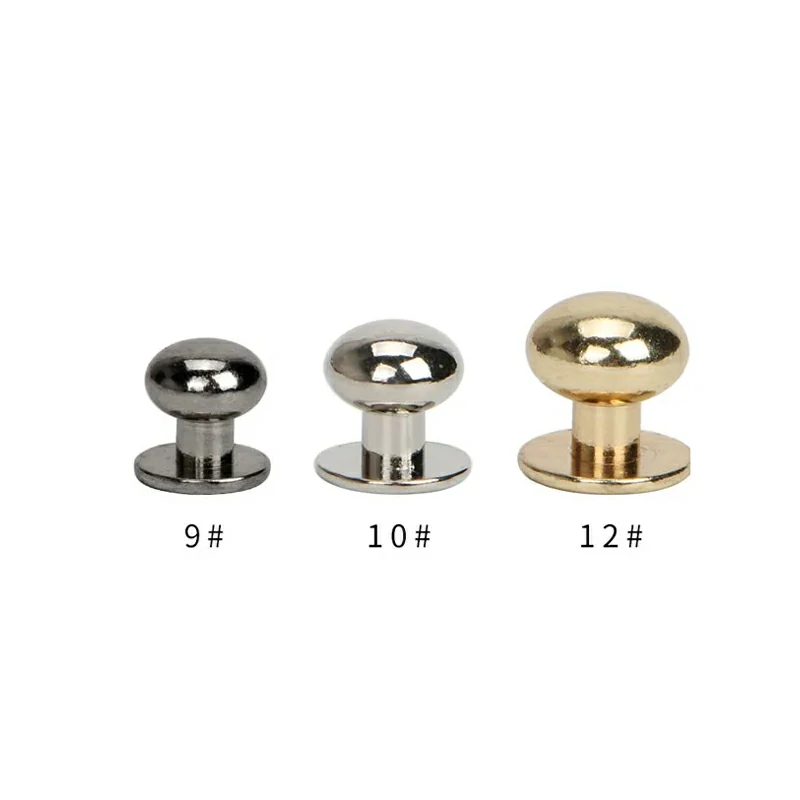
3. What Are the Best Practices for Maximizing Double-Cap Rivet Strength?
Achieving optimal strength from your double-cap rivets goes beyond simply choosing the right type; it involves a meticulous approach to selection, material preparation, and installation. Overlooking any of these steps can significantly compromise the integrity and longevity of your finished product, leading to premature failure of the riveted joint.
To maximize double-cap rivet strength, it is crucial to select the correct rivet size and material precisely matched to the application’s demands, prepare the material with accurately drilled or punched holes, and ensure proper installation using appropriate tools and techniques to achieve a secure, even, and fully formed set. Adhering to these best practices will significantly enhance the durability, reliability, and aesthetic appeal of your double-cap riveted connections.
By following these guidelines, you can ensure your double-cap rivets perform to their full potential, providing a robust and lasting connection.
3.1 Selecting the Right Rivet Size and Material
The foundation of a strong double-cap riveted joint lies in choosing the appropriate rivet for the job. This involves a careful consideration of both the material of the rivet itself and its precise dimensions relative to the materials being joined, ensuring compatibility and optimal load distribution.
- Material Selection for Double-Cap Rivets:
- Match Material Properties: Ideally, the double-cap rivet material should match or complement the properties of the parts being joined to prevent issues like galvanic corrosion, which can weaken the joint over time. For instance, using stainless steel double-cap rivets is an excellent choice for products exposed to heat, water, or harsh outdoor environments due to their superior corrosion resistance, ensuring the rivet itself does not degrade.
- Strength Requirements: For high-stress applications where the double-cap rivet will bear significant load (e.g., heavy bag straps, functional leather gear), opt for stronger materials like steel or stainless steel. For purely decorative purposes or lighter loads (e.g., small pouches, thin fabric accents), brass or copper double-cap rivets might suffice, offering a balance of strength and aesthetic appeal.
- Aesthetic Considerations: Beyond strength, the material’s finish (e.g., antique brass, nickel-plated, black oxide) should complement the overall design of your project, as double-cap rivets are often chosen for their visible, finished look.
- Rivet Size (Post Length and Cap Diameter) for Double-Cap Rivets:
- Critical Post Length: The rivet post length is the most critical dimension. It should extend approximately 2–3 mm (or 1/16″ to 1/8″) longer than the total compressed thickness of the material being riveted. This precise excess length is what gets deformed and expanded into the second cap, creating a strong, tight bond. If the post is too short, the second cap will be weak and incomplete. If too long, the post will buckle, leading to a distorted and weak set.
- Cap Diameter: While the cap diameter of double-cap rivets primarily impacts the aesthetic appearance, a larger cap can also distribute pressure over a wider surface area, potentially contributing to the joint’s stability and resistance to pull-through, especially in softer or thinner materials like fabric or very thin leather. The cap diameter should also be proportionate to the material thickness to prevent tearing or excessive stress concentration around the hole.
- Sizing Chart Reference: Always consult a reliable double-cap rivet sizing chart provided by the manufacturer. These charts typically specify the minimum and maximum material thickness that a particular rivet’s post length can effectively secure. This ensures you select a rivet that is perfectly matched to your material’s dimensions, maximizing the strength of the double-cap rivet.
Table 3.1: Double-Cap Rivet Sizing Guide for Optimal Strength
This table provides a practical guide for selecting the correct double-cap rivet size based on material thickness, ensuring the optimal post protrusion for a strong and reliable connection.
| Double-Cap Rivet Size (Cap Diameter x Post Length) | Recommended Material Thickness Range (mm) | Recommended Material Thickness Range (oz. leather) | Optimal Post Protrusion (mm) | Practical Example (Material) |
| 7mm x 7mm (Small) | 2mm – 4mm | 5-10 oz. | 2-3mm | Attaching thin leather straps to a small pouch |
| 9mm x 9mm (Medium) | 4mm – 6mm | 10-15 oz. | 2-3mm | Securing handles on a medium-sized leather tote bag |
| 12mm x 9mm (Large) | 7.5mm – 9.5mm | 18-22 oz. | 2-3mm | Fastening heavy-duty straps on a backpack or saddle |
| 15mm x 9mm (Extra Large) | 10.5mm – 12.5mm | 26-31 oz. | 2-3mm | Joining multiple thick layers of leather for a heavy belt |
3.2 Proper Material Preparation
Even the best double-cap rivets won’t hold if the material isn’t prepared correctly. Accurate hole drilling or punching and precise material thickness management are vital for creating a secure and durable connection that allows the double-cap rivet to perform optimally. Improper preparation can lead to a weak, unsightly, or even failed joint.
- Drilling/Punching Holes for Double-Cap Rivets:
- Precision is Key: Drill or punch holes with utmost precision, ensuring they are clean, round, and free of dust, debris, or burrs. For leather, a sharp leather punch is ideal. For other materials, a drill bit should be used.
- Correct Hole Diameter: The hole diameter should be just slightly larger than the rivet’s post diameter, allowing the post to pass through snugly but without excessive play. For most standard double-cap rivets, a 1/8″ (3mm) hole is commonly recommended. An undersized hole can make insertion difficult, potentially damaging the rivet post or the material, while an oversized hole will lead to a loose fit, compromising the double-cap rivet’s ability to create a tight bond and significantly reducing its shear strength. The rivet should fit without forcing, but also without wobbling.
- Alignment: Ensure the holes in all layers of material are perfectly aligned. Misaligned holes can cause the rivet post to bend during insertion or setting, leading to a weak and uneven connection.
- Material Thickness Management:
- Consistent Total Thickness: It is crucial to ensure that the total compressed thickness of all material layers being joined falls consistently within the recommended range for your chosen double-cap rivet. Use calipers to measure the combined thickness accurately.
- Compress Layers: When joining multiple layers of compressible materials (like leather or fabric), ensure they are compressed as much as possible before measuring and selecting the rivet. This provides the most accurate total thickness measurement and helps prevent the rivet from becoming loose over time as the material settles.
- Edge Finishing: For leather, consider skiving (thinning) the edges of thicker pieces if joining multiple layers, to reduce bulk and ensure a more uniform total thickness for the rivet. This also creates a cleaner aesthetic.
3.3 Correct Installation Techniques and Tools
The final and arguably most critical step in maximizing double-cap rivet strength is proper installation. Using the right tools and techniques ensures the rivet sets correctly, forming a durable, secure, and aesthetically pleasing joint. An improperly set double-cap rivet will never achieve its full potential strength, regardless of material or size.
- Essential Tools for Double-Cap Rivets:
- Solid Setting Surface (Anvil): Always set double-cap rivets on a solid, flat, and protected surface, such as a steel anvil or a specialized rivet setting base. This provides the necessary resistance for the rivet post to deform properly. Placing a piece of scrap leather or a rubber mat under the material can protect it from impressions.
- Rivet Setting Tool (Hand-Held): For manual setting, a specialized hand-held rivet setting tool is indispensable. This tool typically consists of a strike post with a concave tip designed to perfectly fit over the rivet cap. It is struck with a rawhide, nylon, or rubber mallet. Crucially, avoid striking metal tools with a metal hammer, as this can damage both the tool and the rivet, leading to an improper set and reduced strength. The mallet provides a controlled, non-marring impact.
- Bench-Style Rivet Setter (Press): For superior precision, consistency, and reduced physical effort, especially when installing many double-cap rivets, a bench-style rivet setter (often a manual hand-press) is highly recommended. These machines use interchangeable dies specifically designed for double-cap rivets. The dies ensure that the force is applied perfectly centered and evenly, resulting in a consistently well-set rivet every time. This method significantly reduces the likelihood of improper settings, off-center rivets, material damage, or an incomplete set, thus maximizing the double-cap rivet’s strength and aesthetic appeal.
- Hole Punch/Drill: As mentioned in material preparation, a sharp hole punch (for leather) or drill bit (for other materials) of the correct diameter is essential.
- Correct Installation Technique for Double-Cap Rivets:
- Positioning: Insert the rivet post through the prepared holes from the underside of the material. Place the second cap onto the protruding post. Ensure the rivet is seated flush against the material on both sides.
- Optimal Post Protrusion: Double-check that the rivet post protrudes by the recommended 2–3 mm (or 1/16″ to 1/8″) beyond the material thickness before setting. This is the “sweet spot” for optimal crushing and expansion into the second cap.
- Even and Controlled Force:
- With Hand Tools: Place the concave tip of the setting tool over the top cap. Strike the setting tool firmly and evenly with your mallet. The goal is to apply consistent, vertical force to deform the post evenly into the second cap, creating a symmetrical and tight connection. Avoid striking at an angle, which can cause the rivet to buckle or set unevenly. Multiple moderate taps are often better than one hard strike.
- With a Press: Position the rivet and material in the press with the correct dies. Apply steady, controlled pressure until the rivet is fully set. The press will ensure even force distribution.
- Visual and Tactile Inspection: After installation, thoroughly inspect the double-cap rivet.
- Visual Check: Both caps should be perfectly formed, symmetrical, and flush against the material surface. There should be no buckling of the post, no deflection of the caps, and no visible gaps between the caps and the material.
- Tactile Check: The connection should feel tight and secure. Attempt to gently wiggle the rivet; there should be no movement or looseness. If the rivet head is deflected, the joint is loose, or the caps are uneven, it indicates an improper set, and the strength of the double-cap rivet will be compromised. In such cases, it’s often best to remove and replace the rivet if possible.
Table 3.2: Troubleshooting Common Double-Cap Rivet Setting Issues
This table details frequent errors made during double-cap rivet installation, explaining how each mistake compromises the rivet’s strength and providing visual cues for identification, along with effective solutions.
| Mistake | Probable Cause | Impact on Strength | Solution |
| Loose/Wobbly Rivet | Post too short; insufficient setting force; oversized hole. | Significantly reduced tensile and shear strength; prone to pulling out. | Use longer post; apply more force; use correct hole size. |
| Buckled/Bent Post | Post too long; off-center strike; misaligned holes. | Weak, uneven set; reduced shear strength; unsightly. | Use shorter post; ensure centered strike; align holes perfectly. |
| Flattened/Damaged Cap | Excessive setting force; incorrect setting tool (e.g., flat hammer). | Compromised aesthetic; potential for material damage; reduced pull-through resistance. | Use correct concave setting tool; apply controlled force. |
| Material Puckering/Tearing | Post too long (over-crushing); hole too small; material too soft for rivet size. | Weakens material around rivet; reduces overall joint integrity. | Use correct post length; correct hole size; reinforce soft material. |
| Incomplete Second Cap Formation | Post too short; insufficient setting force. | Weak connection; easily pulled apart; poor aesthetics. | Use longer post; apply more force; ensure full deformation. |
4. What Are Common Applications Where Double-Cap Rivets Excel?
Double-cap rivets are more than just functional fasteners; their inherent strength combined with their aesthetic appeal and ability to provide a reliable hold makes them a highly popular choice across various industries and crafts. Their unique design, which offers a clean, finished look on both sides of the material, sets them apart from many other fastening options.
Double-cap rivets excel in applications where both sides of the fastened material are visible and a strong, decorative, and permanent connection is desired, such as in high-quality leatherwork, bespoke bag making, premium garments, and other craft projects where aesthetics are as important as durability. They are particularly valued for their ability to securely join multiple layers of material without the need for traditional sewing, offering a robust and professional finish.
Let’s explore some of the key areas where double-cap rivets truly shine, highlighting their specific advantages in these contexts.
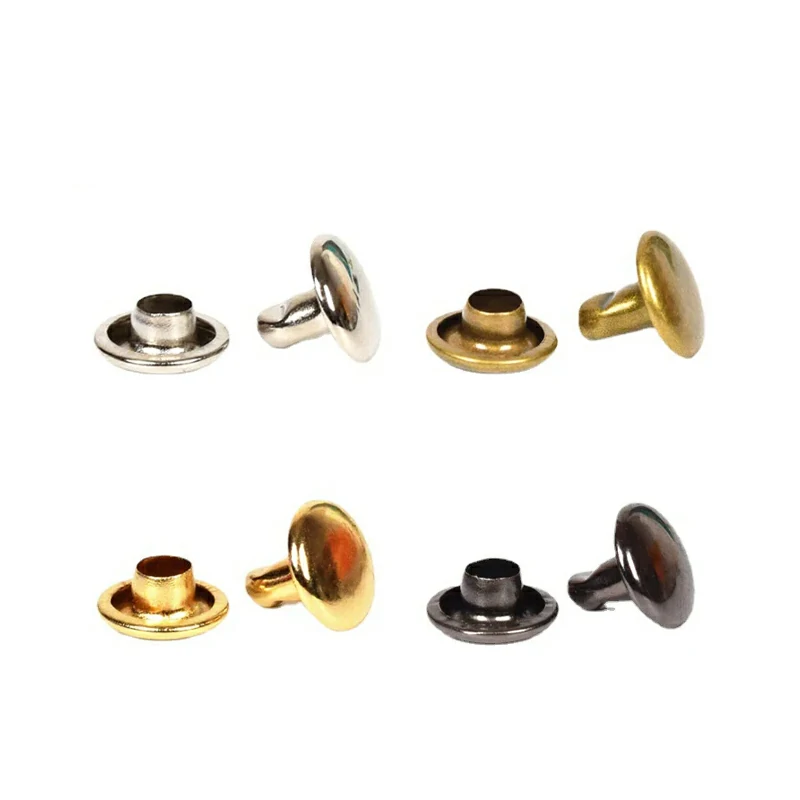
4.1 Leatherwork and Crafting
Double-cap rivets are an indispensable staple in leather crafting due to their ability to create strong, durable, and visually appealing connections. They are the preferred choice for projects where the fastener will be seen from both sides, offering a polished, professional look that significantly enhances the overall aesthetic and perceived quality of the finished item.
- Bags and Accessories: Double-cap rivets are extensively used in high-end bag making for securely attaching tote straps, handles, and backpack straps to leather without requiring an industrial sewing machine. They provide a robust, weight-bearing connection that is critical for the longevity and functionality of bags. For example, a user successfully employed nickel-coated steel double-cap rivets to secure the guige strap on an 8kg shield, which held up without fault under strenuous use, demonstrating their capacity for significant load-bearing in leather applications. This highlights their reliability for items that experience frequent handling and stress.
- Belts, Collars, and Harnesses: The inherent strength and clean finish of double-cap rivets make them perfect for saddlery applications such as custom belts, durable dog collars, and functional harnesses. Specialized stainless steel double-cap rivets with a “bite” (a small notch near the stem tip) are specifically designed to increase the pull-through strength and security of these joins, preventing the rivet from rotating or loosening under dynamic loads. Their smooth, rounded caps also prevent snagging or discomfort against skin or fur.
- Decorative Accents and Embellishments: Beyond their functional strength, double-cap rivets are frequently chosen for their decorative qualities. They can add a professional, refined, or even rugged touch to various leather goods, garments, and other handmade items, serving as both a fastener and an integral design element. Their symmetrical appearance makes them ideal for visible placements.
- Small Leather Goods: For items like wallets, cardholders, or key fobs, double-cap rivets provide a slim, secure, and elegant way to join layers of leather where bulk from stitching might be undesirable or impractical.
Table 4.1: Common Double-Cap Rivet Applications in Leatherwork and Crafting
This table illustrates various applications of double-cap rivets within leatherwork and crafting, detailing specific examples, the key benefits they offer, and relevant material/size considerations for each use case.
| Leatherwork/Crafting Application | Specific Examples | Key Benefit of Double-Cap Rivets | Material/Size Considerations |
| Bag Making | Tote straps, handles, backpack straps, flap closures | Strong, permanent hold; eliminates need for heavy-duty sewing; aesthetic finish on both sides; durable for weight-bearing. | Steel or Stainless Steel; Medium to Large sizes (9mm-15mm cap/post) |
| Belts & Harnesses | Custom belts, dog collars, equestrian tack | High pull-through strength (especially with “bite” rivets); smooth finish prevents snagging; robust for active use. | Stainless Steel (for durability/corrosion); Medium to Large sizes |
| Small Leather Goods | Wallets, cardholders, key fobs, pouches | Clean, low-profile fastening; decorative element; secure without bulk of stitching. | Brass or Nickel-plated Steel; Small to Medium sizes (7mm-9mm cap/post) |
| Garment Embellishment | Jackets, denim, fashion accessories, costumes | Adds professional, durable accent; secures heavy fabrics; wide range of finishes. | Brass, Steel, or Copper; Small to Medium sizes (7mm-9mm cap/post) |
4.2 Automotive and Marine Applications (Limited & Specialized)
While solid and blind rivets are more commonly associated with heavy-duty structural applications in automotive and marine industries, double-cap rivets can find niche uses, particularly in interior, non-load-bearing, or decorative elements where a clean, finished appearance is desired. Their use in these sectors is typically specialized and not for critical structural components.
- Automotive Interior Trim and Upholstery: In automotive applications, double-cap rivets might be used for securing interior trim panels, decorative elements on seats, door cards, or other non-structural components where a neat, factory-finished appearance is important. They can be used to attach fabric, vinyl, or thin leather to underlying plastic or fiberboard.
- Boat Interiors and Covers: For marine use, double-cap rivets could be employed in boat interiors for attaching fabric linings, securing canvas covers, bimini tops, or other applications where aesthetics and moderate strength are needed, provided the rivet material is highly corrosion-resistant like stainless steel (e.g., 316 marine grade). However, it’s crucial to note that many double-cap rivets are explicitly stated as “not load-bearing” for crafting purposes, so their use in critical automotive or marine structures, or areas exposed to extreme forces, should be strictly avoided. They are best suited for cosmetic or light-duty fastening in these environments.
4.3 General Manufacturing and Repair
Double-cap rivets can also be found in various general manufacturing and repair scenarios where a secure, two-sided finished fastener is beneficial for joining materials like fabric, webbing, thin plastics, or even some composite materials. Their ease of installation (with the right tools) and clean finish make them a practical choice.
- Furniture and Cabinetry (Non-Structural/Decorative): For instance, while solid rivets are generally preferred for structural furniture joints, double-cap rivets could be used for visible panels, decorative attachments on upholstery, or securing fabric backings to cabinet doors where a clean, finished look is desired on both sides. They offer a more refined alternative to screws or staples in certain visible areas.
- Home Goods and Appliances (Non-Critical): Rivets are applicable in home building for various non-structural tasks, such as securing fiberglass roofing or holding glass together in certain applications. Double-cap rivets could be considered for visible, non-load-bearing elements in home goods like securing fabric on lampshades, attaching decorative straps to storage boxes, or in the repair of certain appliance components where a two-sided finish is needed and the load is minimal.
- Textile and Apparel Industry: Beyond leather, double-cap rivets are widely used in the textile and apparel industry for attaching labels, securing pockets on heavy denim, reinforcing stress points on workwear, or as decorative elements on fashion garments. Their ability to provide a strong, permanent bond without extensive sewing makes them efficient for production.
Table 4.2: Summary of Double-Cap Rivet Advantages Across Applications
This table consolidates the key advantages of using double-cap rivets, highlighting their benefits in terms of aesthetics, strength, versatility, and durability across various application areas.
| Advantage | Description |
| Aesthetic Appeal | Provides a clean, finished, and symmetrical look on both sides of the material, crucial for visible applications and high-quality finishes. |
| Strong, Permanent Hold | When properly selected and installed, double-cap rivets create a very secure and durable connection that resists pulling apart and shear forces. |
| Versatility | Can join a wide range of materials, including various thicknesses of leather, fabric, canvas, webbing, and some plastics. |
| No Sewing Required | Offers an efficient alternative to stitching, especially for materials too thick for standard sewing machines or when a non-stitched look is desired. |
| Reinforcement | Excellent for reinforcing stress points on items like bags, belts, and garments, significantly preventing tearing or stretching. |
| Durability | Available in robust materials like steel and stainless steel, offering high resistance to wear, corrosion, and environmental factors. |
Conclusion
Double-cap rivets are a remarkably versatile and valuable fastener, offering a strong, permanent, and aesthetically pleasing solution for a wide array of projects, particularly excelling in high-quality leatherwork, crafting, and visible garment applications. Their inherent strength is a direct result of careful material selection, precise sizing, and meticulous installation techniques. While they may not always match the ultimate shear and tensile strength of solid rivets for heavy industrial structural applications, their unique two-piece design provides a clean, finished look on both sides, making them an unparalleled choice for visible connections where both function and form are paramount. By thoroughly understanding the critical factors that influence their strength and diligently adhering to best practices for selection, material preparation, and precise installation, you can confidently utilize double-cap rivets to create exceptionally durable, reliable, and beautifully finished items that truly stand the test of time.