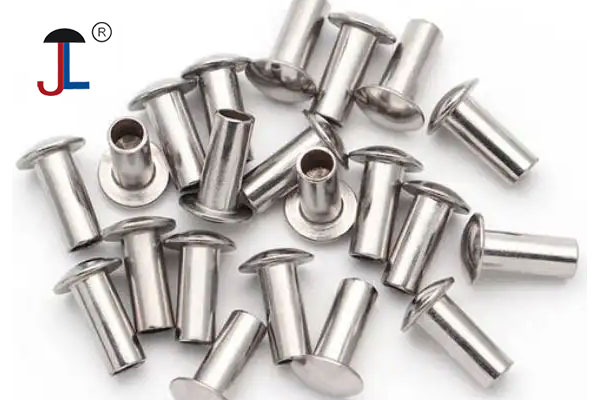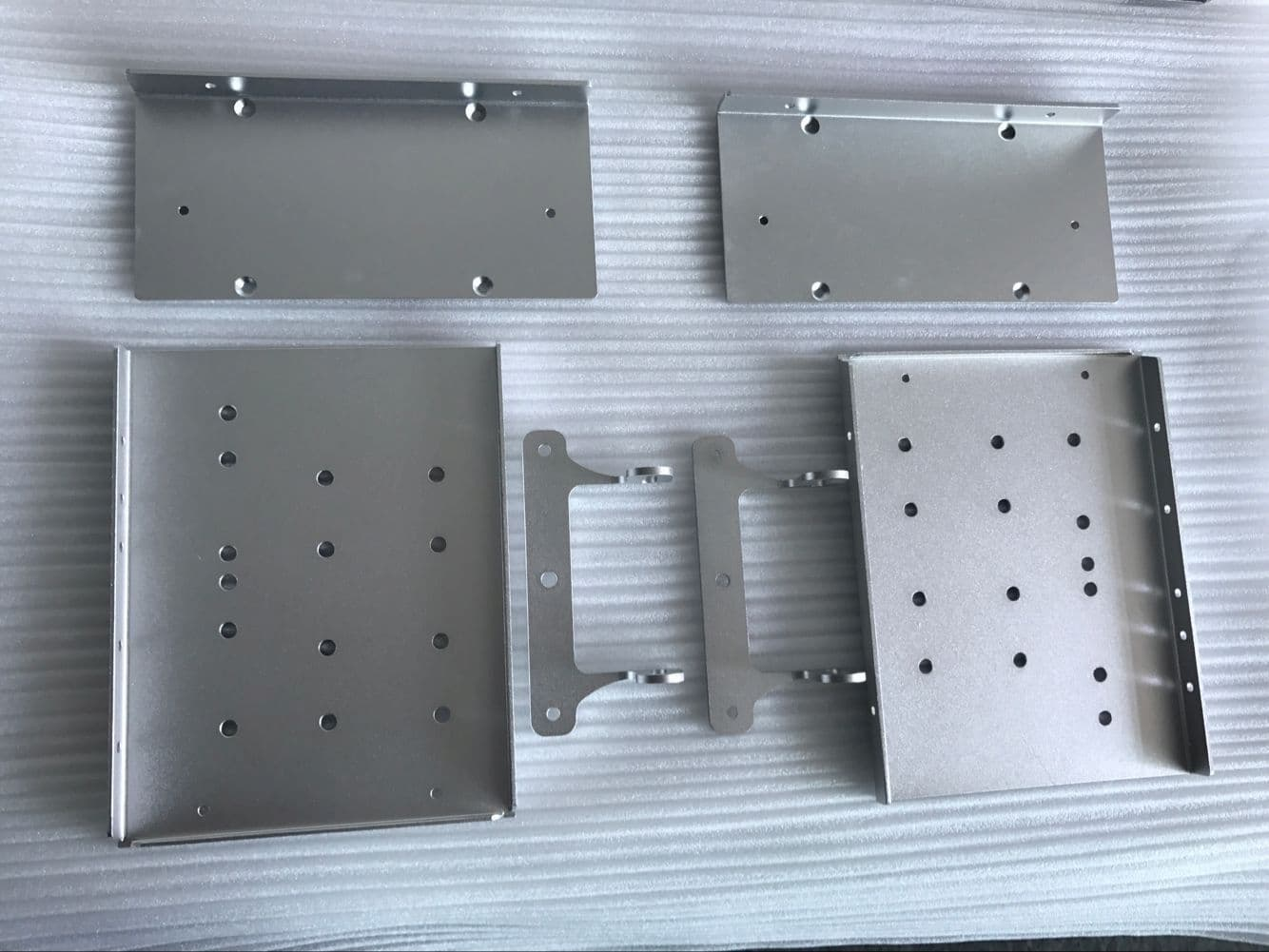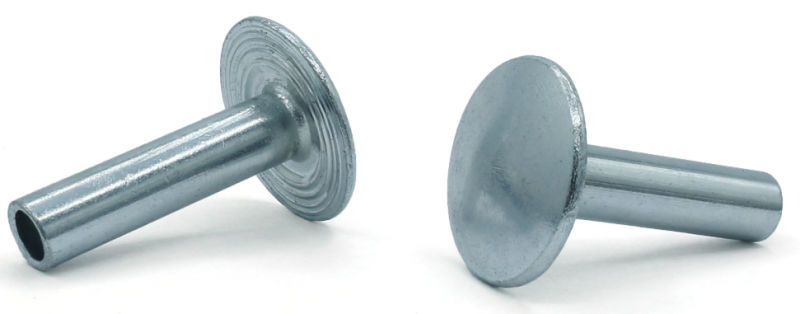
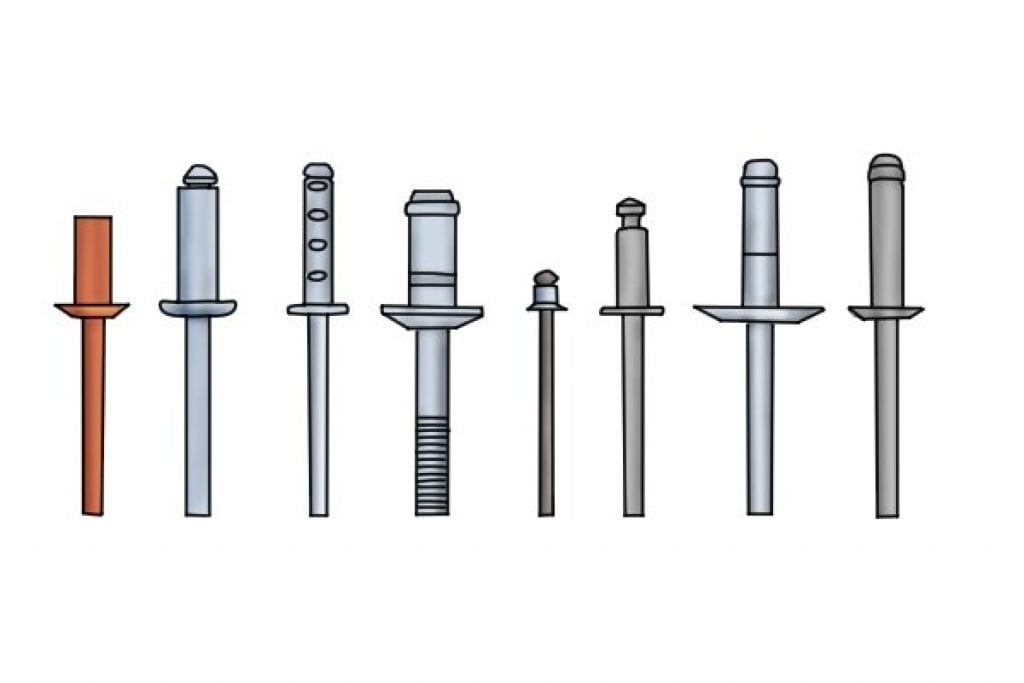
A blind rivet, often called a pop rivet, is a versatile mechanical fastener used to join two or more pieces of material when access is limited to only one side of the assembly. Unlike traditional solid rivets that require a bucking bar on the backside, blind rivets are installed from the “blind” side, making them indispensable in countless manufacturing, construction, and repair applications. The installation process is quick and straightforward: the rivet is placed in a pre-drilled hole, and a specialized tool pulls the mandrel, which deforms the rivet body on the blind side, creating a secure, permanent joint before the mandrel breaks off.

Table of Contents
- What Are Blind Rivets and How Do They Work?
- Anatomy of a Blind Rivet: The Key Components
- What Are the Different Types of Blind Rivets?
- Choosing the Right Rivet Material and Coating
- How to Select the Right Blind Rivet for Your Application
- The Blind Rivet Installation Process: A Step-by-Step Guide
- Where Are Blind Rivets Used? Key Industrial Applications
- What Are the Advantages of Using Blind Rivets?
- Frequently Asked Questions About Blind Rivets
- RivetJL: Your Partner in Fastening Solutions
What Are Blind Rivets and How Do They Work?
Blind rivets are ingenious fasteners designed for situations where the backside of the workpiece is inaccessible. This “blind” installation capability is their defining characteristic and primary advantage over other fastening methods. The core principle involves a two-part assembly: the rivet body (a hollow cylinder with a flange) and the mandrel (a pin that runs through the body). During installation, a rivet tool grips the mandrel and pulls it. This pulling action forces the end of the mandrel’s head into the rivet body, causing the body to expand on the blind side of the material. This expansion creates a strong, reliable clinch that holds the materials together. Once the joint is tight, the mandrel breaks at a pre-determined point, leaving a clean, low-profile fastened joint. This entire process takes only seconds, making it an incredibly efficient solution for high-volume assembly lines.
Anatomy of a Blind Rivet: The Key Components
Understanding the anatomy of a blind rivet is crucial for selecting the correct fastener for your project. Though small, each part plays a vital role in the rivet’s performance and the integrity of the final joint.
- Rivet Body (or Sleeve): This is the main hollow component that is inserted into the pre-drilled hole. It deforms on the blind side to form the secondary head, creating the clamp. The body’s diameter and length are critical measurements for proper sizing.
- Head (or Flange): The head is the pre-formed flange on the rivet body that remains on the accessible side of the workpiece. It provides a bearing surface and prevents the rivet from being pulled through the material. Head styles vary, including Dome, Large Flange, and Countersunk, each offering different benefits.
- Mandrel (or Stem): This is the pin that runs through the rivet body. During installation, the rivet tool pulls this mandrel. The mandrel head is specially designed to deform the rivet body before snapping off at a pre-determined breaking point, known as the “breakneck.” The material and design of the mandrel significantly influence the shear and tensile strength of the installed rivet.
What Are the Different Types of Blind Rivets?
The term “blind rivet” encompasses a wide family of fasteners, each engineered for specific performance requirements. Choosing the correct type is essential for ensuring joint strength, durability, and function. Below are some of the most common types available from specialists like RivetJL.
Standard Open-End Blind Rivets
This is the most common and versatile type of blind rivet. As the name suggests, the rivet body is open at the end, and the mandrel is partially visible after installation. They are a cost-effective solution for general-purpose applications where airtight or watertight sealing is not required. Standard open-end rivets are widely used in sheet metal fabrication, electronics, and automotive assembly for non-structural components.
Closed-End (Sealed) Blind Rivets
Closed-end rivets feature a unique cup-shaped body that completely encloses the mandrel head. When set, this design creates a solid, sealed barrier that prevents the passage of liquids, moisture, and gases. This makes them the ideal choice for applications requiring a watertight or pressure-tight seal, such as in HVAC systems, sealed electronic enclosures, and automotive fluid reservoirs. Additionally, the complete retention of the mandrel head provides superior tensile strength compared to open-end types.
Multi-Grip Blind Rivets
Multi-grip rivets are designed to accommodate a wide range of material thicknesses, or “grip ranges.” A standard rivet has a very specific grip range it can fasten effectively, but a single multi-grip rivet can often replace several standard sizes. This simplifies inventory management and reduces the risk of operator error from using the wrong size rivet. They are perfect for applications with inconsistent material thicknesses or when consolidating fastener inventory is a priority.
Structural Blind Rivets
When high strength and vibration resistance are paramount, structural blind rivets are the answer. These high-performance fasteners are engineered with special features, such as internal locking mechanisms that secure the mandrel within the rivet body after installation. This mechanical lock results in exceptional shear and tensile strength, often comparable to that of a solid rivet or a bolt and nut. They are essential in load-bearing applications like vehicle chassis construction, industrial machinery, and structural framework.
Peel-Type Blind Rivets
Peel-type rivets are designed for fastening soft or brittle materials, such as plastics, composites, and thin sheet metals. During installation, the rivet body splits into four “petals” or “legs” that fold outwards, creating a large bearing surface on the blind side. This wide footprint distributes the clamping force over a larger area, significantly reducing the risk of cracking or damaging the host material. They are commonly used in attaching trim to vehicles, assembling plastic components, and working with fiberglass.
Choosing the Right Rivet Material and Coating
The material composition of a blind rivet directly impacts its strength, corrosion resistance, and compatibility with the materials being joined. It is a critical decision that affects the long-term performance and safety of the assembly.
Common rivet materials include:
- Aluminum: Lightweight, corrosion-resistant, and ideal for joining aluminum or other light-duty materials. Often paired with an aluminum or steel mandrel.
- Steel: Offers high strength and durability at a lower cost. Typically zinc-plated for moderate corrosion resistance. Suitable for a wide range of general and structural applications.
- Stainless Steel: Provides excellent strength and superior corrosion resistance, especially in harsh or marine environments. It is the material of choice for food processing equipment, chemical plants, and outdoor applications.
- Copper and Nickel-Copper Alloys (Monel): Used in specialized applications requiring high thermal or electrical conductivity (copper) or extreme resistance to chemical corrosion and high temperatures (Monel).
To prevent galvanic corrosion, a form of accelerated corrosion that occurs when dissimilar metals are in contact, it is crucial to match the rivet material to the materials being fastened. For example, use aluminum rivets for aluminum sheets and stainless steel rivets for stainless steel components.
How to Select the Right Blind Rivet for Your Application
Selecting the correct blind rivet involves more than just picking a type; you must consider several critical parameters to ensure a secure and reliable joint. Here’s a breakdown of what to look for:
Hole Size and Diameter
The rivet’s diameter must correspond to the hole size. A hole that is too small will prevent the rivet from being inserted, while a hole that is too large will result in a loose joint with compromised strength. Always follow the manufacturer’s recommendations for the correct drill bit size for a specific rivet diameter to achieve a snug fit.
Grip Range
The grip range is the total thickness of the materials being fastened that a specific rivet can effectively join. It is a crucial measurement. If the material thickness is less than the rivet’s minimum grip range, the joint will be loose. If it exceeds the maximum grip range, the rivet will not be able to form a proper secondary head, resulting in a failed joint. Always measure the total material thickness and choose a rivet whose grip range encompasses that value.
Head Style
The rivet head style affects both the finished appearance and the performance of the joint.
- Dome Head: The most common, all-purpose head style, providing sufficient bearing surface for most applications.
- Large Flange Head: Features a wider head to distribute clamping force over a larger area, ideal for soft or brittle materials to prevent pull-through.
- Countersunk Head: Designed to sit flush with the material surface, providing a smooth, snag-free finish. This requires a countersunk (beveled) hole.
Material Compatibility
As mentioned earlier, matching the rivet material to the substrate is vital to prevent galvanic corrosion and ensure joint longevity. Consider the environmental conditions—such as moisture, chemicals, and temperature—when selecting materials to guarantee optimal performance.
| Factor | Consideration | Recommendation |
|---|---|---|
| Joint Strength | Is the application load-bearing or structural? | Use Structural Rivets. For general purposes, Standard or Closed-End are sufficient. |
| Material Type | Are you fastening soft, brittle, or thin materials? | Use Peel-Type or Large Flange rivets. |
| Environment | Will the joint be exposed to moisture or liquids? | Use Closed-End Sealed Rivets made of stainless steel or another corrosion-resistant material. |
| Inventory | Do you need to simplify part numbers and accommodate varied thicknesses? | Use Multi-Grip Rivets. |
The Blind Rivet Installation Process: A Step-by-Step Guide
One of the greatest benefits of blind rivets is their simple and rapid installation. Using a manual, pneumatic, or battery-powered rivet tool, a perfect joint can be formed in seconds. The process is as follows:
- Drill the Hole: Drill a hole through the materials you wish to join. The hole must be correctly sized for the rivet diameter.
- Insert the Rivet: Place the blind rivet into the hole, ensuring the flange is seated firmly against the material surface.
- Place the Tool: Place the nosepiece of the rivet tool over the mandrel.
- Activate the Tool: Squeeze the tool’s handle or trigger. The tool will grip and pull the mandrel. You will feel resistance as the rivet body deforms on the blind side.
- Complete the Fastening: Continue to activate the tool until the mandrel breaks off with a distinct “pop.” This sound indicates that the fastening is complete and the joint is secure.
- Inspect the Joint: The result should be a tight joint with a properly formed rivet head. Remove the spent mandrel stem.
Where Are Blind Rivets Used? Key Industrial Applications
Thanks to their versatility, strength, and ease of installation, blind rivets are fundamental components across a vast spectrum of industries. Their ability to be installed from one side makes them the go-to solution for hollow sections, tubes, and complex assemblies.
Some prominent industrial uses include:
- Automotive: Assembly of vehicle body panels, chassis frames, interior components, trim, and attaching components to the firewall.
- Aerospace: Used for non-critical structural components and interior fittings where high strength-to-weight ratio is essential.
- Electronics: Securing circuit boards, fastening components within chassis, and assembling server racks and enclosures.
- Construction and Building: Attaching metal roofing, installing gutters, assembling window frames, and fabricating metal stud framing.
- HVAC: Assembling ductwork, plenums, and ventilation units, often using closed-end rivets for an airtight seal.
- Marine: Boat building and repair, where stainless steel rivets are used to resist corrosion from saltwater.
- Industrial Machinery: Fabricating machine guards, control panels, and conveyor systems.
What Are the Advantages of Using Blind Rivets?
Blind rivets offer numerous advantages over traditional fasteners like screws, bolts, and solid rivets, making them a preferred choice for many engineers and manufacturers.
- Blind-Side Installation: Their primary advantage. They can be installed without needing access to the back of the workpiece.
- Speed and Efficiency: Installation is extremely fast, drastically reducing assembly time and labor costs, especially in high-volume production.
- High Clamping Force: Properly installed rivets create a tight, vibration-resistant joint.
- Versatility: A wide range of types, materials, and sizes are available to suit nearly any application, from light-duty assembly to heavy structural work.
- Permanent and Tamper-Resistant: Unlike screws, rivets form a permanent joint that cannot be easily removed, offering a degree of security.
- No Surface Marring: Since no torque is applied to the workpiece surface (unlike with screws), there is a lower risk of damaging or deforming thin or painted materials.
Frequently Asked Questions About Blind Rivets
Q: What is the difference between a blind rivet and a pop rivet?
A: There is no difference. “POP” is a brand name for a type of blind rivet, originally manufactured by Emhart Teknologies. The name has become a genericized trademark, much like Kleenex for tissues. All pop rivets are blind rivets, but not all blind rivets are of the POP brand.
Q: Can blind rivets be removed?
A: Yes, although they are designed to be permanent. To remove a blind rivet, you can drill it out. Select a drill bit that is the same diameter as the rivet body and carefully drill through the center of the rivet head. This will separate the head from the body, allowing you to punch out the remainder.
Q: How do I measure the grip range I need?
A: Use a caliper or a measuring tape to measure the total thickness of all the layers of material you are fastening together. Then, select a rivet where this measurement falls within its specified grip range.
Q: Are blind rivets waterproof?
A: Standard open-end blind rivets are not waterproof. For waterproof or watertight applications, you must use Closed-End (Sealed) Blind Rivets. Their unique design prevents liquids and gases from passing through the rivet body.
RivetJL: Your Partner in Fastening Solutions
Choosing the right fastener is a critical engineering decision that impacts product quality, durability, and safety. With a comprehensive understanding of blind rivet types, materials, and applications, you can optimize your assembly processes for maximum efficiency and performance. At RivetJL, we are dedicated to providing the highest quality blind rivets and expert guidance to ensure you find the perfect solution for your project. From standard open-end rivets to high-strength structural fasteners, our extensive inventory and deep industry knowledge make us the ideal partner for all your fastening needs. Contact our team today to discuss your requirements and discover how RivetJL can help you build better, stronger products.