Blog

Machine Screw

Reliability in fastening depends primarily on material compatibility. Nail screws deliver superior holding power and stability in concrete and masonry by cutting threads into hard, brittle substrates. Self-tapping screws, by contrast, are more reliable for sheet metal, plastics, and wood, forming or cutting threads to achieve strong clamping force and efficient installation. This article compares their design principles, application scenarios, and installation requirements to clarify which fastener offers the most dependable performance in different use cases.

bca8cfdc54de71ef9155daba9ecf7c98

When deciding between fasteners for a framing project, the primary choice for professionals is between nails and structural screws, often referred to as nail screws. While traditional wood screws are not suitable for structural framing due to their brittle nature, nails are the industry standard for speed and shear strength, making them ideal for assembling wall frames. In contrast, nail screws (structural screws) offer vastly superior withdrawal strength and precision, making them the better choice for critical connections like ledger boards, beams, and areas requiring high pull-out resistance. The best approach often involves a hybrid method, using nails for production speed and structural screws for load-bearing and critical connection points.

39eb9aaf4885c63732902fea52b73c59

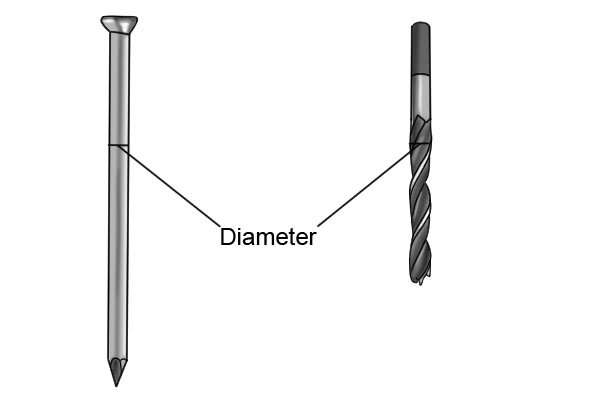
Nail screws, also known as screw nails or drive screws, are a popular hybrid fastener known for the installation speed of a nail and the holding power of a screw. Their aggressive threads and durable design make them a go-to choice for countless construction and woodworking projects. However, a common question arises, especially among those new to these powerful fasteners: is pre-drilling really necessary?

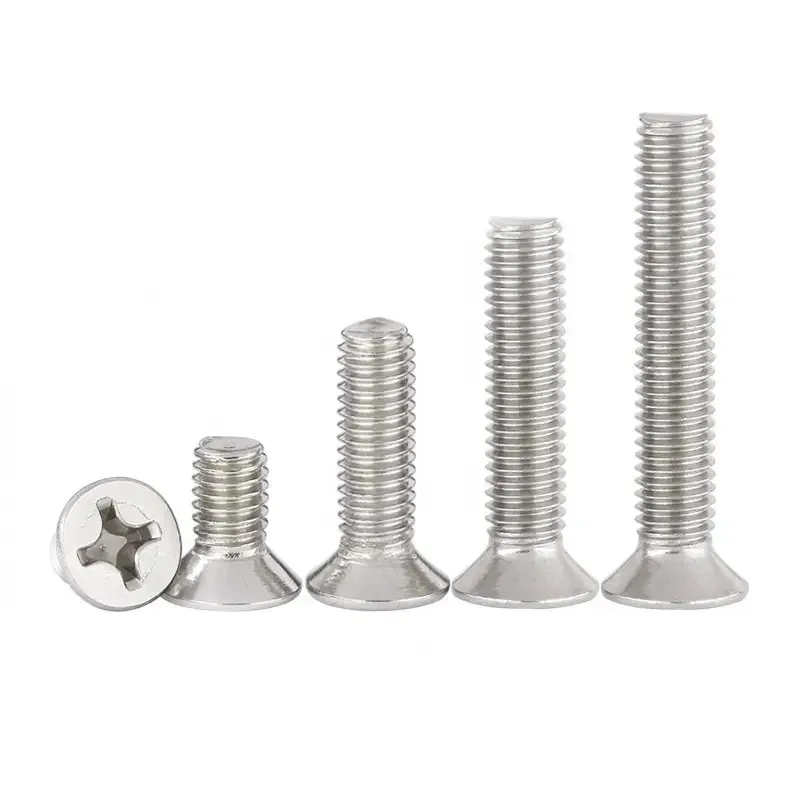
machine screws

  Yes, specialized fasteners known as nail screws […]

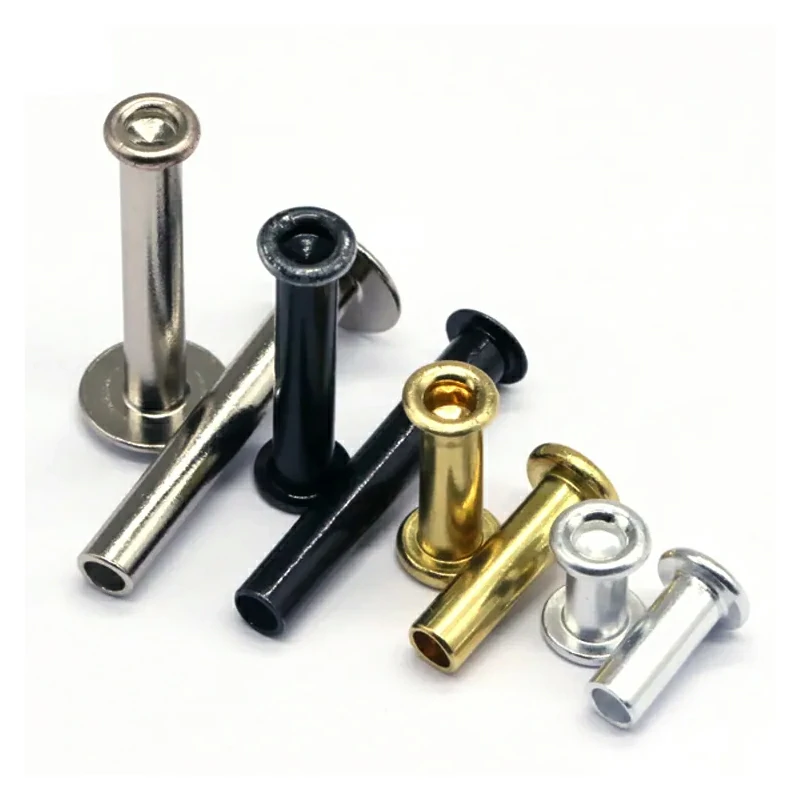
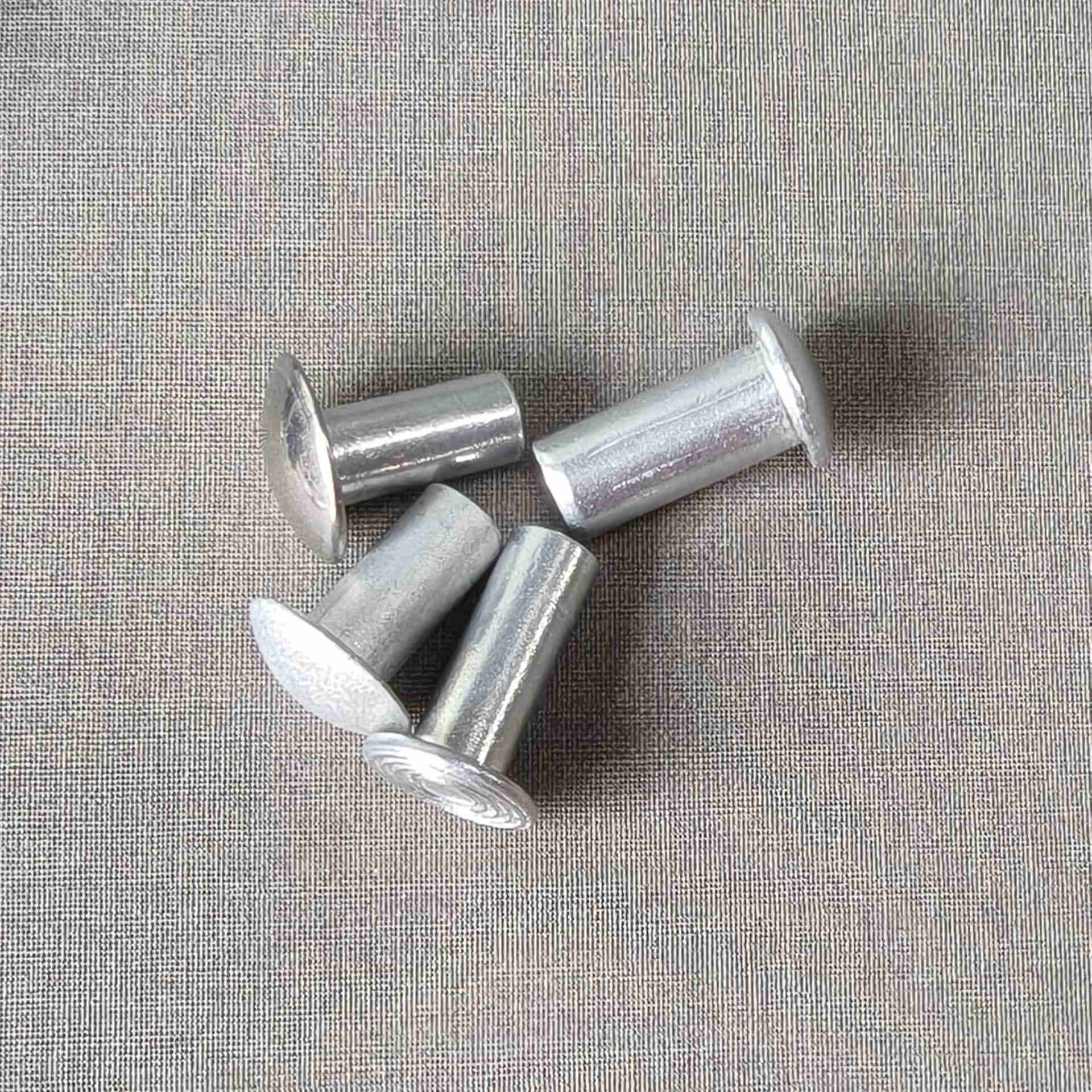
Semi Tubular Rivets

Nail screws, also known as screw-shank or ring-shank nails, significantly enhance long-term fastening stability by combining the rapid installation of a nail with the superior withdrawal resistance of a screw. Their unique threaded or ringed shanks grip wood fibers, creating a powerful mechanical lock that prevents the fastener from backing out over time due to wood expansion, contraction, vibration, or load-bearing stress. This results in stronger, more durable joints that resist squeaking, separation, and structural failure, making them a crucial component for achieving lasting stability in construction and manufacturing.

Machine Screw

This comprehensive article examines whether machine screws are reliable for load-bearing assemblies. It defines load types, analyzes machine screw strength in tensile and shear scenarios, identifies suitable moderate-load applications, compares alternatives like structural bolts, and provides practical testing and selection guidelines. Featuring insights and custom solutions from Jiliang Fastener Manufacturing for precision fastening.

Get a Free Quote