Blog

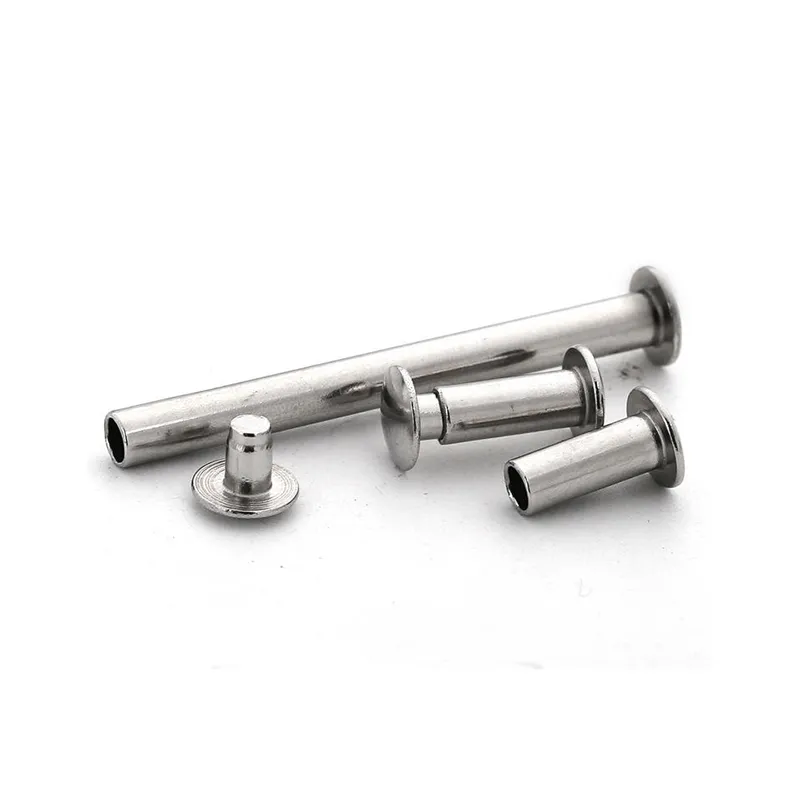
Male-Female Rivets

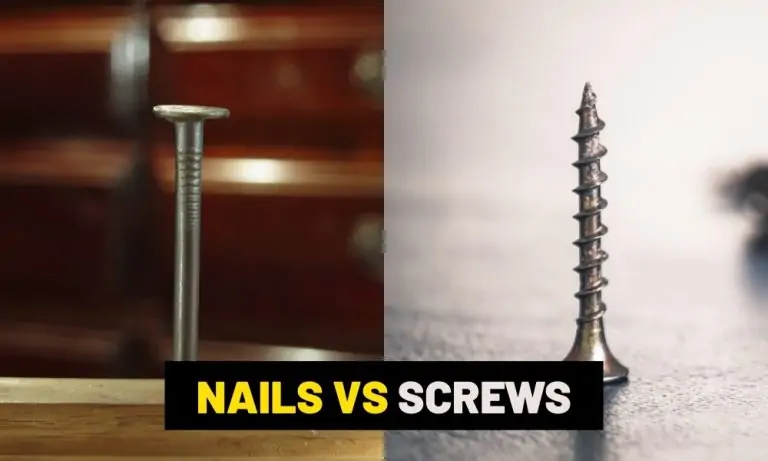
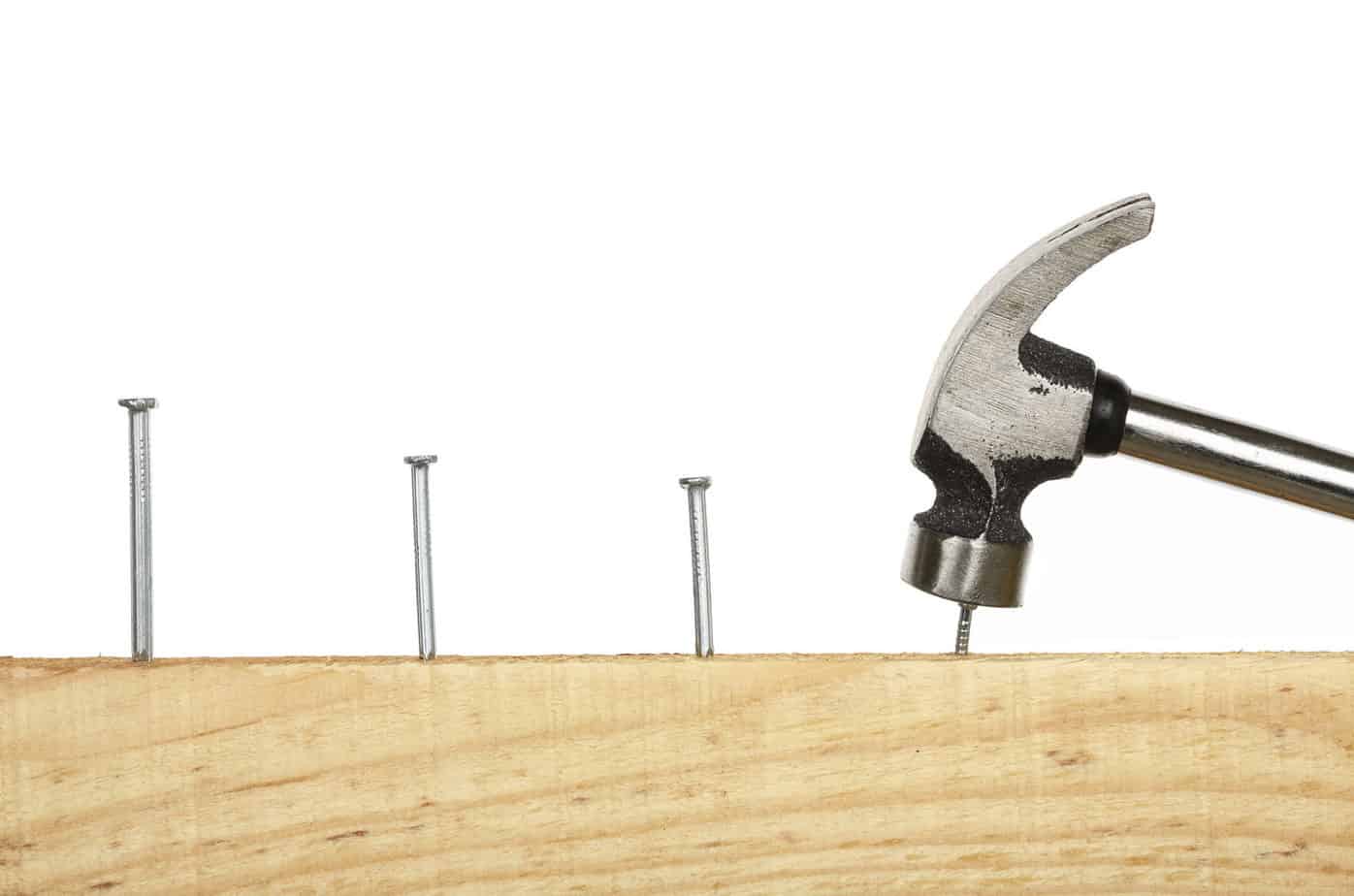
You should use nail screws instead of standard screws or nails for applications where you need both the rapid installation speed of a nail and the superior holding power and removability of a screw. Nail screws, also known as collated screw nails or Scrails®, are revolutionary hybrid fasteners ideal for projects like subflooring, decking, and crating. By using a pneumatic nailer for installation, they significantly reduce labor time compared to traditional screwing, while their threaded shank provides excellent withdrawal resistance, preventing common issues like floor squeaks and allowing for future adjustments or repairs.

dbaffdbdb68b9e5abe2668821f6dd28d

In the world of fasteners, efficiency is often as critical as strength. For contractors and builders, time saved on an installation translates directly to project profitability and productivity. This is where the nail screw, a clever hybrid fastener, carves out its niche. But how does this unique component actually perform across different base materials? Understanding the specific mechanics, strengths, and limitations of nail screws in wood, concrete, and masonry is crucial for ensuring a secure, reliable, and appropriate application. This guide, drawing on our expertise at RivetJL, will provide an in-depth analysis of their performance, helping you determine exactly when and how to use them for optimal results.

a189e4795fcb847eb6078ff13dc38845

For large construction projects, nail screws are often unequivocally worth their higher initial cost. This is because their rapid, pneumatic installation drastically reduces labor hours, and their superior holding power minimizes costly rework and enhances structural integrity, ultimately leading to a lower Total Cost of Ownership (TCO) and a more profitable project. As a leading supplier of industrial fastening solutions, we at RivetJL have seen firsthand how a strategic investment in the right fastener can yield significant returns.

ab51c4315a584227e541d07dc90fc7f7

Yes, nail screws can dramatically reduce installation time on job sites by up to 80% compared to traditional screw methods. This significant time saving is achieved by combining the high-speed, pneumatic installation of a nail gun with the superior holding power and reversibility of a screw. By allowing workers to drive threaded fasteners with the simple pull of a trigger, nail screws eliminate the slow, labor-intensive process of individually driving screws, leading to massive gains in productivity, reduced labor costs, and faster project completion without sacrificing structural integrity.

bc549af6f1727f8e3147c265d6d41c06

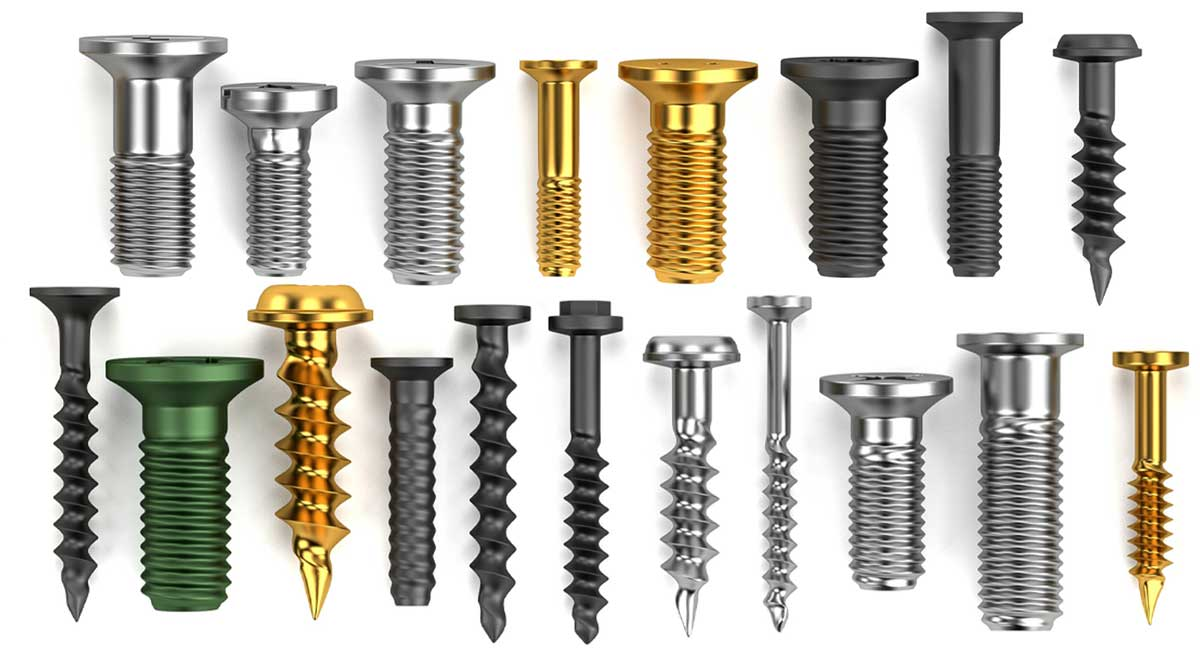
Choosing the right nail screws involves a careful evaluation of several key factors, including the project material (wood, metal, drywall), the environment (indoor vs. outdoor), the screw's material and coating, its length and diameter, and the specific types of head, drive, and thread. Each of these elements plays a critical role in ensuring a secure, durable, and professional-looking finish. Getting this choice right prevents issues like stripped heads, wood splitting, and premature corrosion, saving you time, money, and frustration down the line.

9eb699ac710b5fb71725fb61cba7bec6

Yes, nail screws are an excellent choice for many high-vibration environments, often significantly outperforming traditional nails. Their unique hybrid design, which combines the installation speed of a nail with the superior holding power of a screw, makes them inherently resistant to the micro-movements that cause fasteners to loosen under constant vibration. The threads of a nail screw bite into the substrate, creating a secure, interlocked connection that provides exceptional withdrawal resistance and maintains clamp load far more effectively than a smooth-shank nail.

Get a Free Quote