Blog

image

Choosing the right machine screw can dramatically reduce assembly time and labor costs by optimizing drive efficiency, eliminating secondary operations, and improving operator ergonomics. Factors such as the screw's drive style, head type, thread design, and specialized features directly influence the speed and reliability of installation. While the unit price of a fastener is often a primary focus, a seemingly 'cheaper' screw can lead to significant downstream expenses through slower assembly, increased rework, and higher labor expenditure, highlighting the importance of considering the Total Installed Cost.

981239002ead13c810237d84240fb49d

When choosing between machine screws and threaded inserts for long-term reliability, threaded inserts are the superior option, particularly in softer materials like plastics, composites, and aluminum. While machine screws driven into tapped holes offer a fast and cost-effective solution for initial assembly, threaded inserts create a durable, wear-resistant metal thread within the host material. This significantly enhances pull-out strength, resists torque-out, and allows for repeated assembly and disassembly without degrading the joint's integrity, making them the champion for applications where durability and serviceability are paramount.

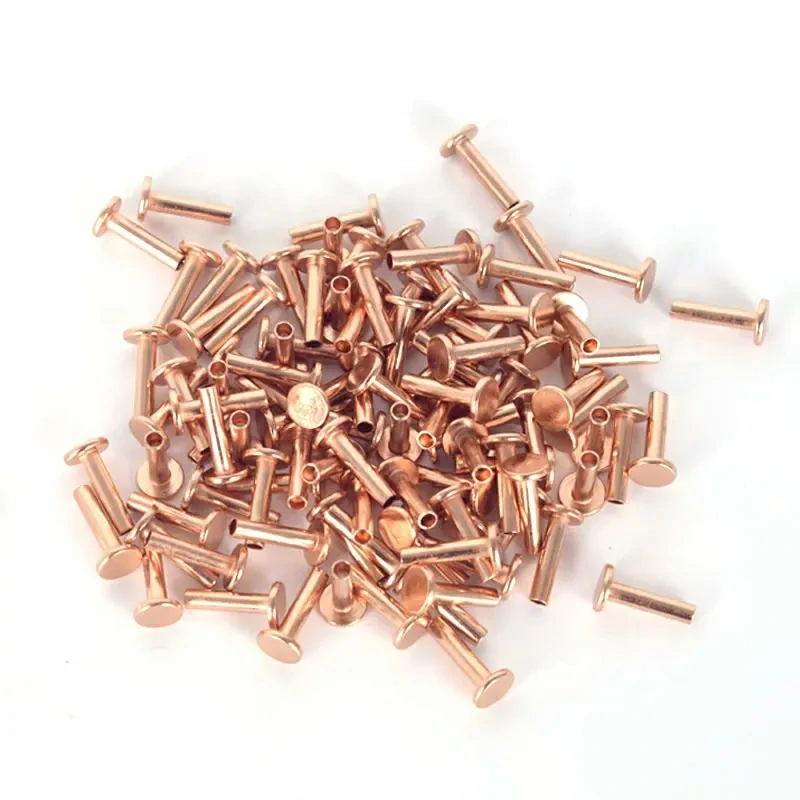
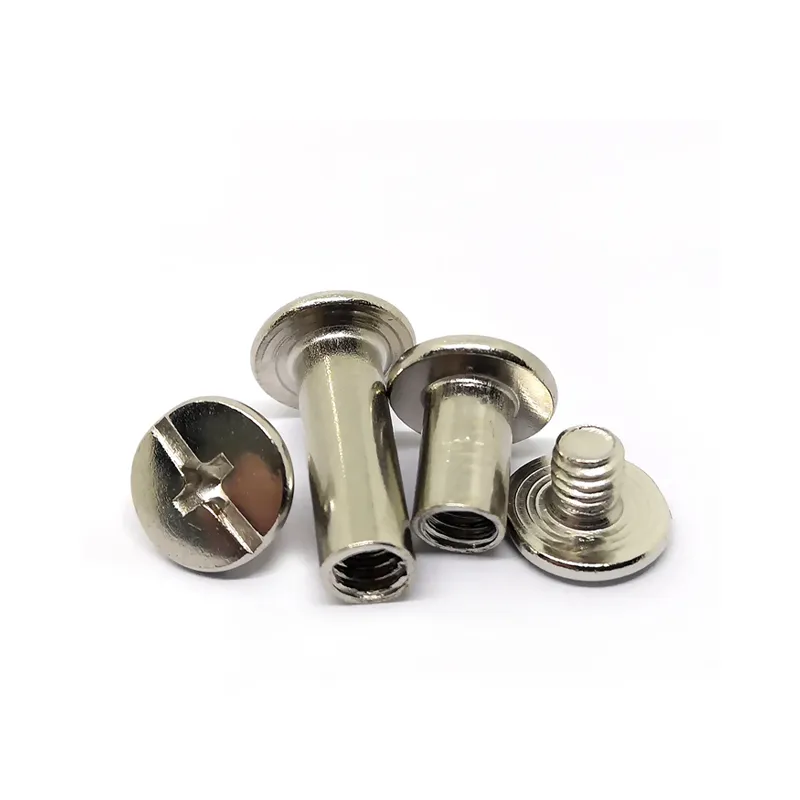
Semi Tubular Rivet

Machine screws perform under vibration or thermal cycling by relying on sufficient preload—the tension created when the screw is tightened—to generate friction that resists loosening. However, intense vibration can cause microscopic slips that incrementally unwind the screw, while thermal cycling leads to expansion and contraction that reduces this critical preload over time. Consequently, without proper design considerations or supplemental locking mechanisms, fasteners in dynamic environments are at high risk of self-loosening, which can lead to joint failure. Understanding the physics behind these phenomena is the first step toward engineering a reliable and secure bolted joint that lasts.

46336bbf23d0f0a8d8e952c89be1e826

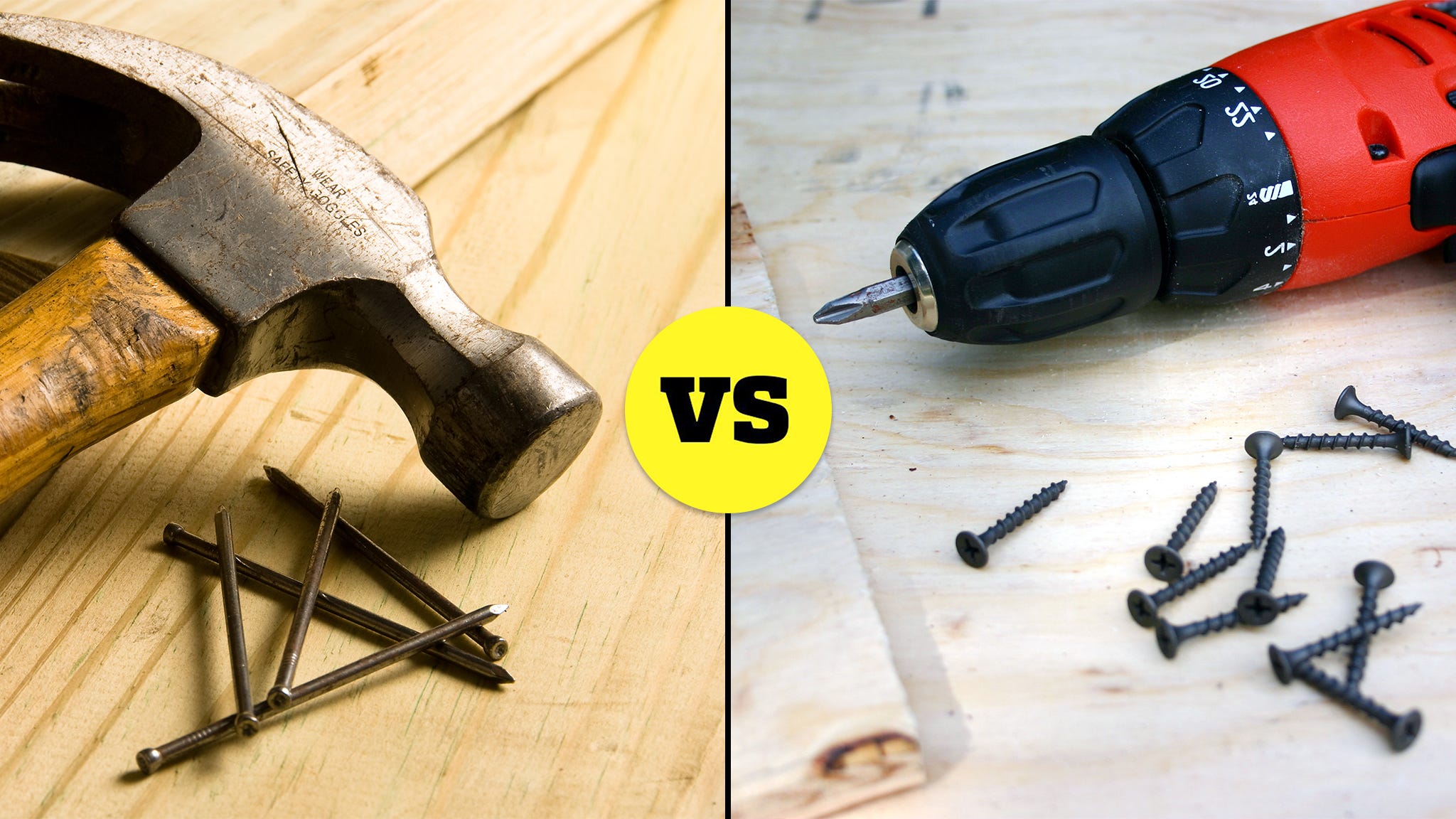
Yes, both nail screws and traditional screws offer significantly better pull-out strength than standard smooth-shank nails. This superior performance is due to their threaded design, which creates a mechanical lock with the wood fibers. While a nail relies purely on the friction of its smooth shank against the wood, the threads of a screw or nail screw actively grip the material, requiring much more force to be withdrawn. This fundamental difference in engineering makes threaded fasteners the clear winner for applications where resisting pull-out forces is critical for safety and longevity.

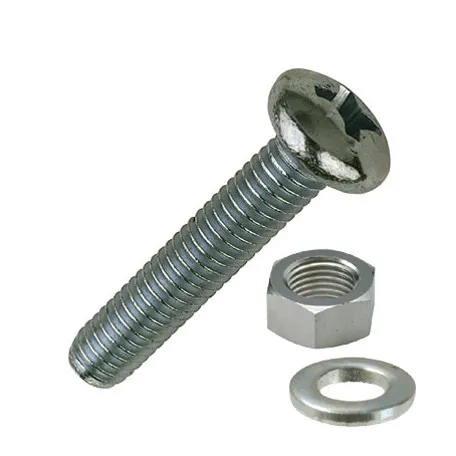
machine screws

Absolutely. High-quality machine screws can and do consistently meet the most stringent export and industrial quality requirements. However, this level of quality is not a given; it is the result of a deliberate and controlled process encompassing adherence to specific international standards, meticulous material selection, precision manufacturing techniques, and a robust, multi-stage quality assurance system. For engineers, procurement managers, and manufacturers, understanding these critical factors is the key to sourcing fasteners that guarantee safety, reliability, and global compliance.

Rivets

Nail screws are suitable for certain load-bearing applications where withdrawal resistance is more critical than shear strength, such as subflooring, decking, and wall sheathing. However, they are not a direct substitute for code-approved nails or engineered structural screws in critical framing connections. Proper fastener selection depends on load type, manufacturer data, and strict compliance with local building codes to ensure structural safety and long-term performance.

Get a Free Quote