Blog

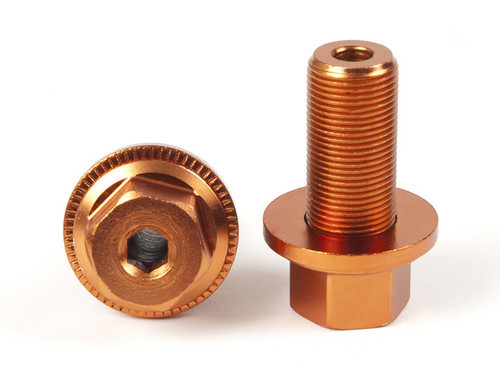
copper fasteners

Ball screw production is a multi-stage manufacturing process that meticulously transforms high-strength steel alloys into precision-engineered components for converting rotational motion into highly accurate linear motion. This intricate journey involves shaft forming, raceway creation through either grinding or rolling, specialized heat treatment, and precision assembly to achieve critical performance characteristics like high efficiency, minimal backlash, and exceptional load-bearing capacity. Understanding these processes is fundamental to selecting the right ball screw for demanding applications in CNC machinery, robotics, and aerospace technology.

4a65264e4a9dd4466e21d7a066a30eaf

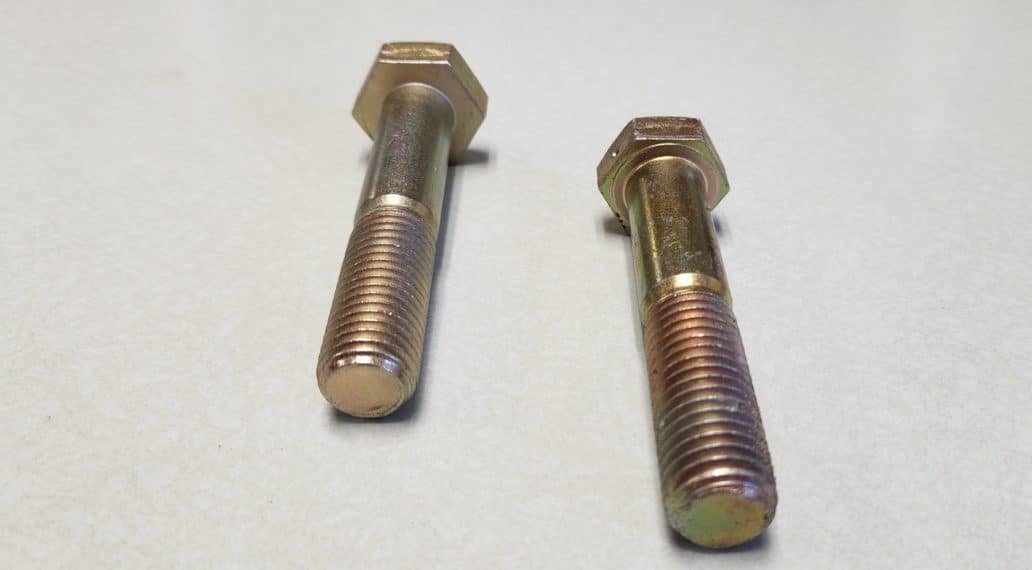
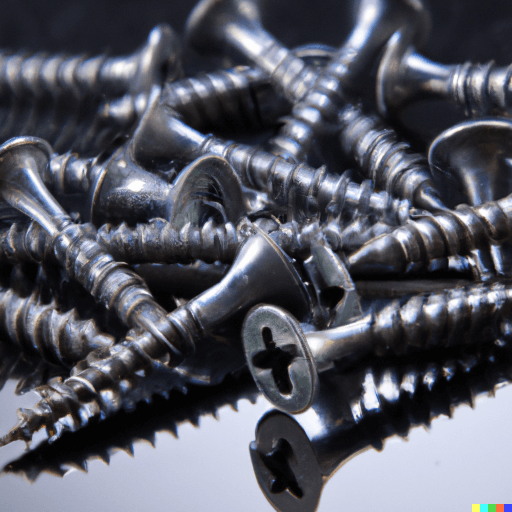
Structural screws are high-strength fasteners engineered to bear significant loads in construction projects, manufactured through a multi-stage process involving cold heading, thread rolling, heat treatment, and protective coating. This meticulous production journey, coupled with rigorous quality control at each step, ensures every screw meets the stringent performance and safety standards required for modern building codes.

Rivets

The complete screw production workflow is a sophisticated, multi-stage manufacturing process that transforms raw metal wire into a finished fastener through precision engineering. This journey involves several key stages, including wire preparation, cold heading, thread rolling, heat treatment, and surface finishing. Central to this entire operation is the expert design of the tooling and dies—often mistakenly called "molds"—which are meticulously engineered to shape the metal at each step with incredible accuracy and strength. Understanding this synergy between the production workflow and tooling fundamentals is crucial for anyone involved in engineering, manufacturing, or sourcing high-quality fasteners.

Machine Screw

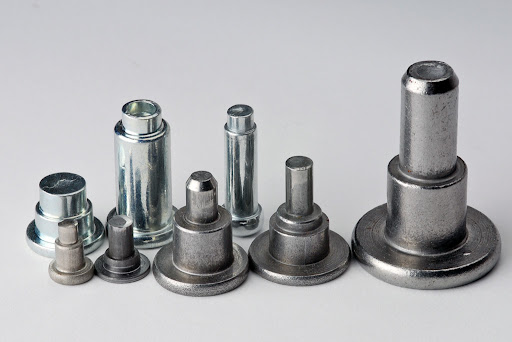
When it comes to modern manufacturing and construction, the humble rivet remains an indispensable fastener, prized for its strength, reliability, and permanence. While a simple concept, the world of rivets is diverse, with specific types engineered for different materials, load requirements, and installation environments. Understanding the six most widely used rivet types—Solid Rivets, Blind Rivets, Split Rivets, Tubular Rivets, Drive Rivets, and Flush Rivets—is crucial for selecting the optimal fastener for any application, ensuring structural integrity and production efficiency. These types vary in design, from the simple, robust solid rivet requiring access to both sides to the innovative blind rivet that can be installed from just one.

image

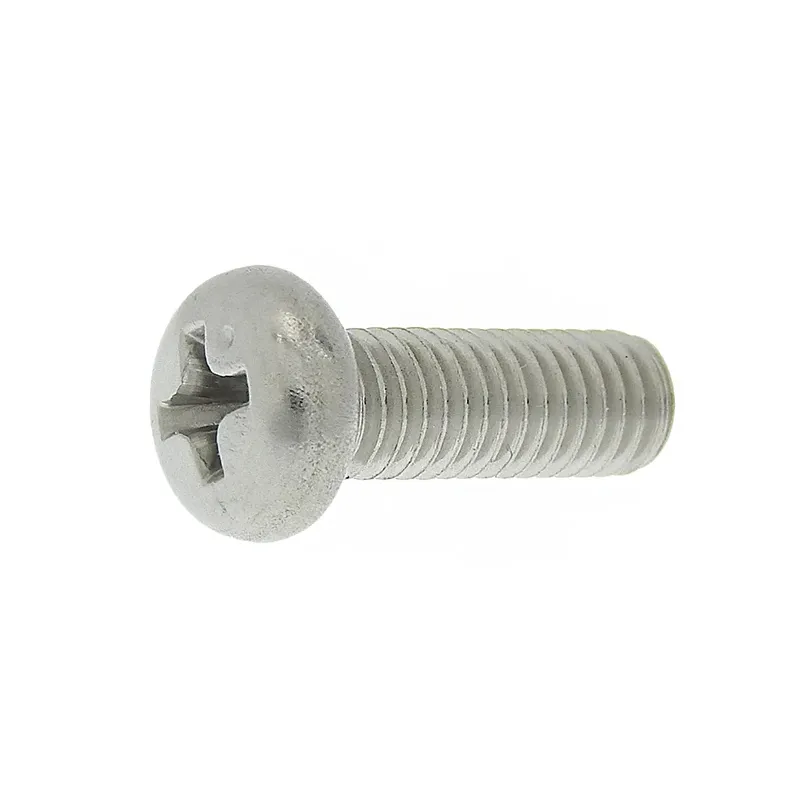
Yes, machine screws absolutely loosen over time in real-world industrial applications, and it is a critical safety and operational concern. The primary cause of this self-loosening is not the screw simply "unscrewing" but rather the loss of preload—the vital clamping force holding a joint together—due to external forces, most notably vibration. This gradual loss of tension can lead to component misalignment, fluid leaks, equipment failure, and significant safety hazards.

semi tubular shoulder rivets

Reusing machine screws is generally not recommended for […]

Get a Free Quote