Blog

1892676913b8471400aff75927c0e9e4

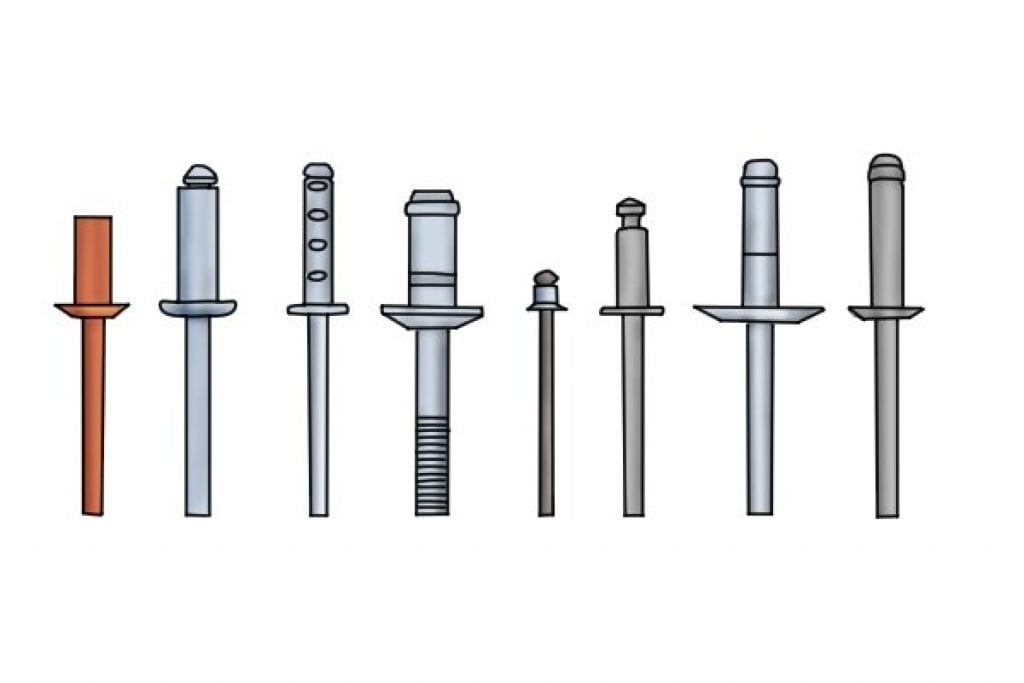
A blind rivet, often called a pop rivet, is a versatile mechanical fastener used to join two or more pieces of material when access is limited to only one side of the assembly. Unlike traditional solid rivets that require a bucking bar on the backside, blind rivets are installed from the "blind" side, making them indispensable in countless manufacturing, construction, and repair applications. The installation process is quick and straightforward: the rivet is placed in a pre-drilled hole, and a specialized tool pulls the mandrel, which deforms the rivet body on the blind side, creating a secure, permanent joint before the mandrel breaks off.

bca8cfdc54de71ef9155daba9ecf7c98

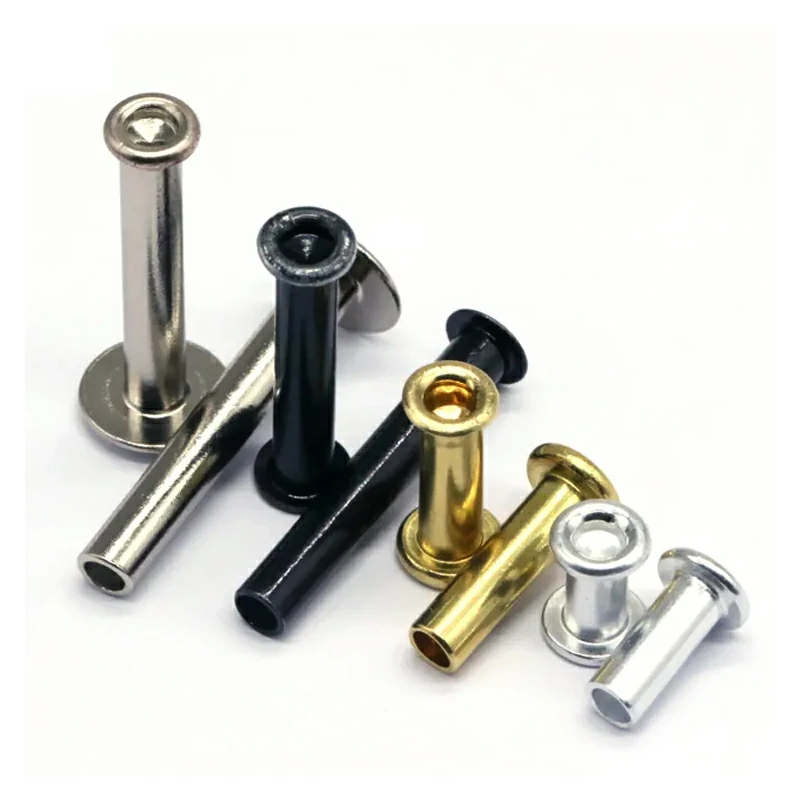
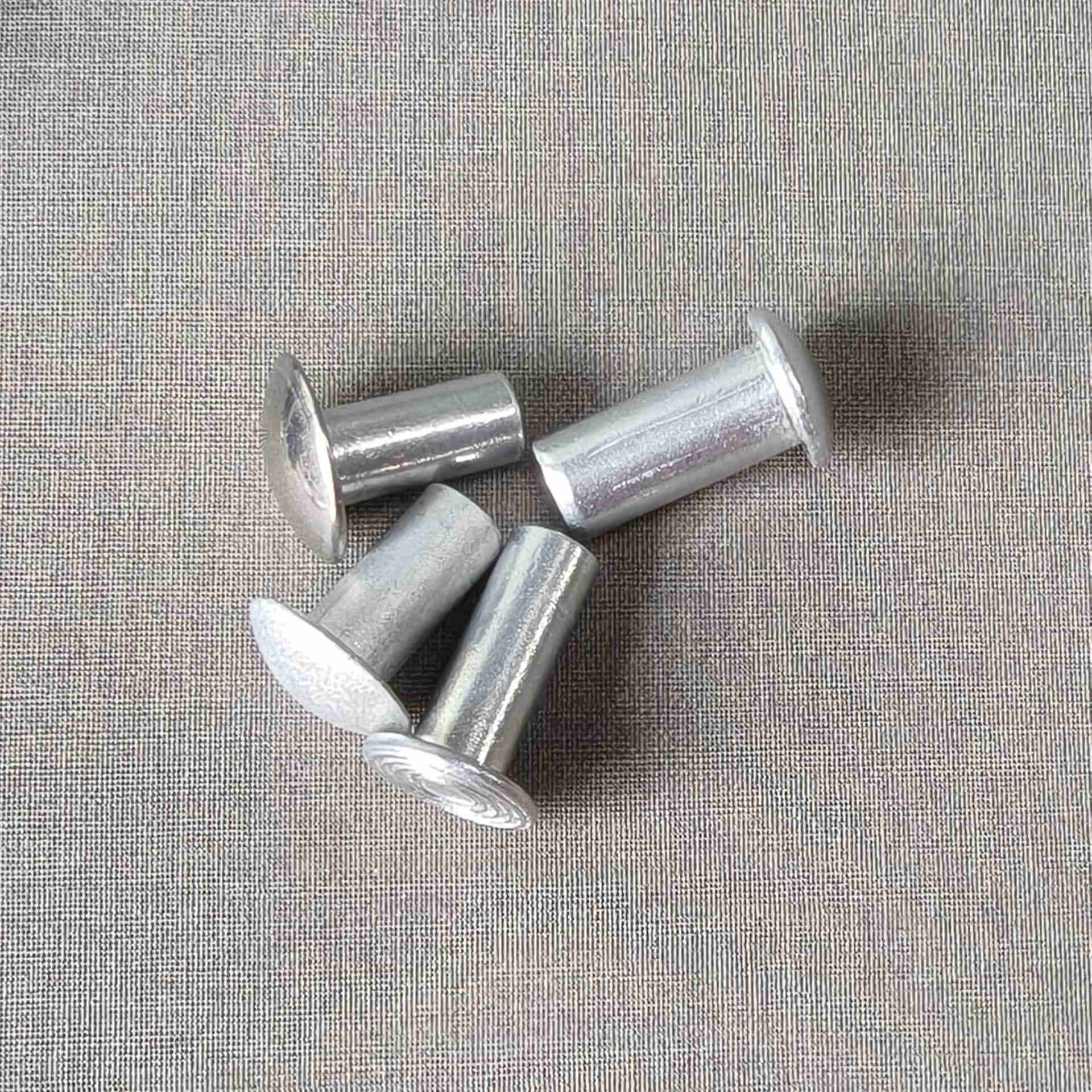
Aluminum rivets are a smart choice for lightweight assemblies because they offer an excellent strength-to-weight ratio, superior corrosion resistance, and cost-effectiveness, making them ideal for industries like aerospace, automotive, and electronics where minimizing weight without compromising structural integrity is critical. Their versatility in joining various materials, combined with ease of installation, further solidifies their position as a preferred fastening solution for modern engineering challenges.

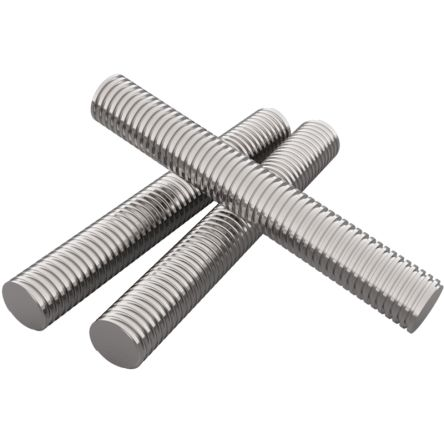
stud rods

Ensuring your rivet nuts are correctly installed begins with one critical, often overlooked factor: matching them to the right grip range. The grip range is the specific material thickness, from minimum to maximum, that a rivet nut is engineered to fasten securely. Choosing a rivet nut with an incorrect grip range is the single most common cause of installation failure, leading to everything from weak joints and spinning nutserts to compromised structural integrity. A successful, reliable, and durable connection is impossible without this fundamental match.

image

A rivet head design, or style, refers to the shape of the part of the rivet that remains visible after installation. Common designs include round, flat, and countersunk heads, each chosen for specific functional and aesthetic requirements. The selection depends on factors like the material being joined, the required strength, and whether a flush surface is necessary.

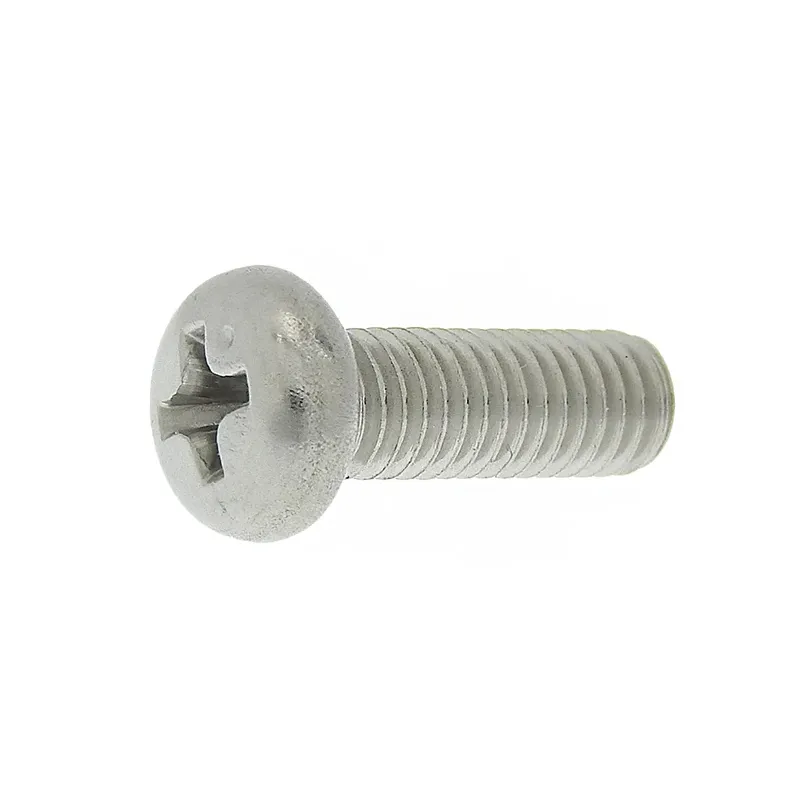
Machine Screw

Choosing the right rivet from the myriad of available options is critical for ensuring the structural integrity, longevity, and performance of any assembly. The main types of rivets include solid, blind, semi-tubular, and split (bifurcated) rivets, each engineered for distinct applications, materials, and load requirements. For instance, solid rivets are the go-to for high-stress aerospace and structural applications, while blind rivets excel in situations where only one side of the workpiece is accessible, making them ideal for manufacturing and repair. Understanding the fundamental differences in their design, material, and installation method is the first step toward making an informed decision for your project.

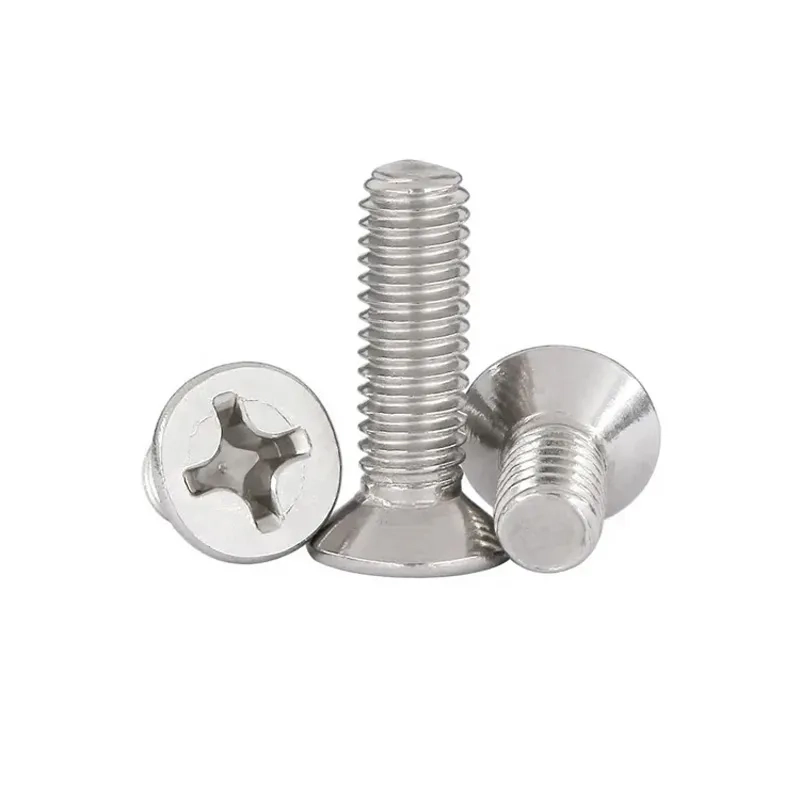
Machine Screw

The manufacturing of a rivet is a precise, multi-stage engineering process that transforms a simple metal wire into a critical component capable of holding entire assemblies together. This journey begins with carefully selected raw materials and primarily utilizes a high-speed method called cold heading, followed by various secondary and finishing operations to meet exact specifications for strength, shape, and durability. Understanding each step reveals the expertise and quality control required to produce reliable, high-performance fasteners, a commitment at the core of every rivet we produce at RivetJ L.

Get a Free Quote