Blog

copper fasteners

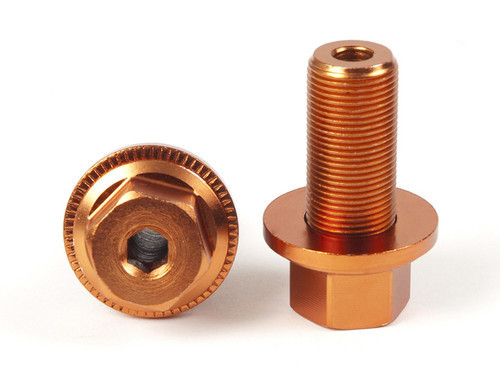
When choosing between copper and brass fasteners, the decision hinges on your primary application requirement. For unparalleled electrical conductivity, pure copper fasteners are the superior choice, making them essential for high-performance electrical systems. However, brass fasteners offer significantly greater durability, mechanical strength, and corrosion resistance at a more accessible price point, establishing them as the more versatile and robust option for most structural and general-purpose applications. Understanding this fundamental trade-off is critical for engineers, designers, and manufacturers when specifying materials for critical components. This guide provides an in-depth analysis to help you select the ideal fastener for your project's unique demands, balancing performance with practicality.

Machine Screw

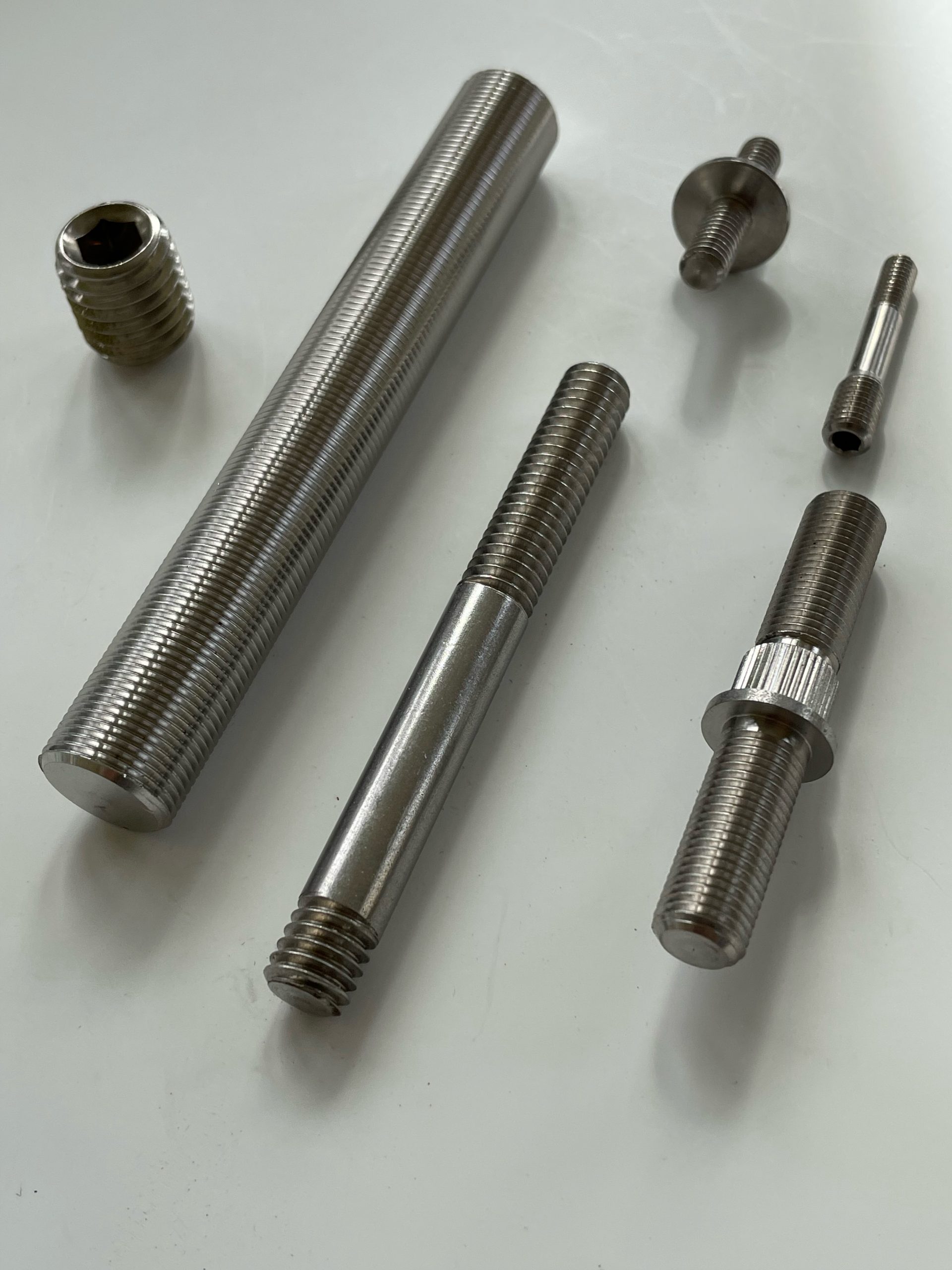
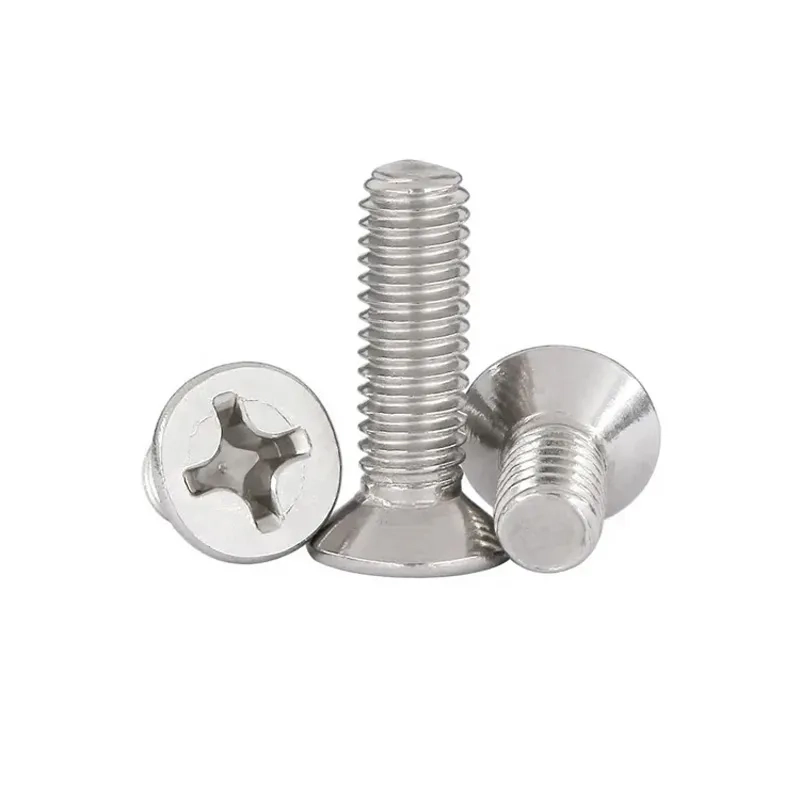
When deciding between precision machined studs and standard threaded rods, precision machined studs offer unequivocally superior alignment and load control. This is due to their tightly controlled manufacturing processes, which allow for precise unthreaded shanks for alignment, superior thread-form accuracy for predictable clamping force, and the use of certified, high-strength materials for ultimate reliability. While standard threaded rods are suitable for general construction, they lack the critical tolerances required for high-performance machinery, molds, and critical joints.

Rivets

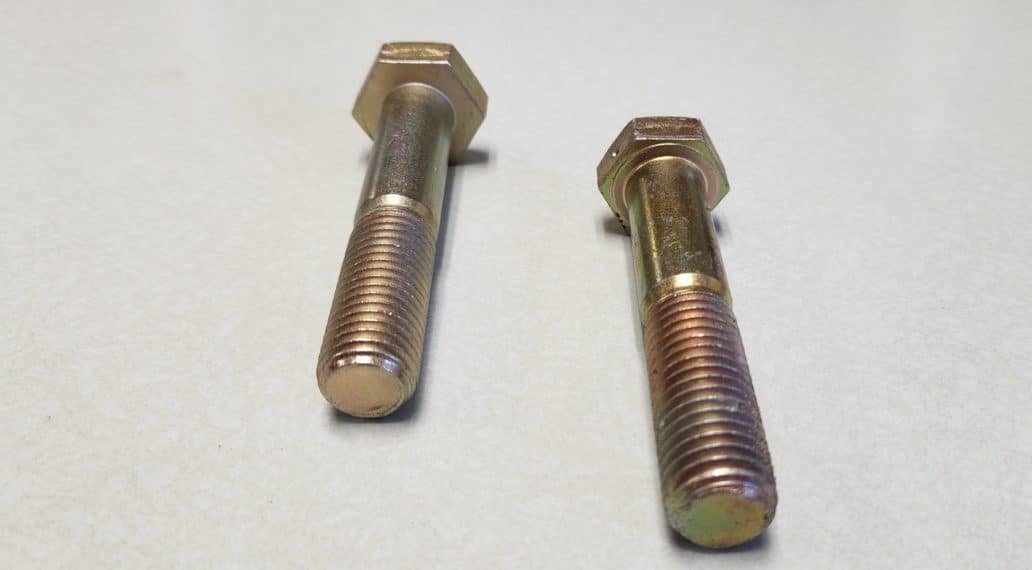
The primary difference between hex head bolts and socket head screws lies in their drive style and its direct impact on torque application and accessibility. Hex head bolts feature a robust, external hexagonal head tightened with a wrench or socket, making them ideal for high-torque applications where side clearance is available. In contrast, socket head screws (or Allen bolts) utilize an internal hex socket driven by an Allen key, a design that excels in tight, confined spaces and provides a clean, flush-mounted finish critical for precision machinery.

rivets with seal washers

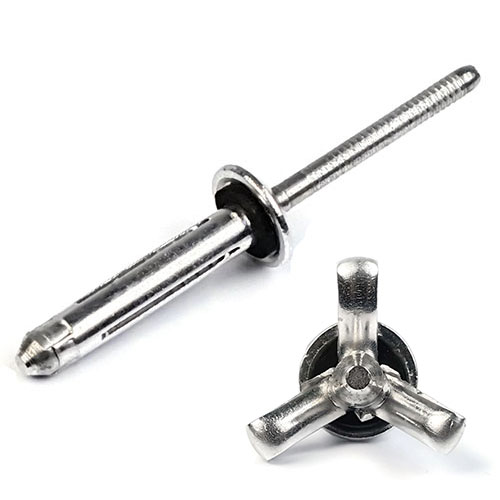
The primary difference between rivets with seal washers and plain rivets lies in their ability to create a watertight and airtight seal. Sealed rivets, equipped with an integrated or separate EPDM or neoprene washer, are specifically engineered to prevent the passage of liquids, gases, and contaminants, offering superior leak protection where plain rivets, which provide only a mechanical bond, would fail. This crucial distinction makes sealed rivets the indispensable choice for applications where environmental integrity is paramount, while plain rivets remain a cost-effective solution for simple structural fastening.

b97b4f6cbeea732693ec3170266533a9

At first glance, the choice seems simple: buy a standard, off-the-shelf part or commission a custom-made one. However, for an Original Equipment Manufacturer (OEM), the implications are profound. Understanding the core differences is the first step toward making an informed, strategic sourcing decision that benefits your bottom line and product quality.

1b56630739b3d088038ff06c3d2617b4

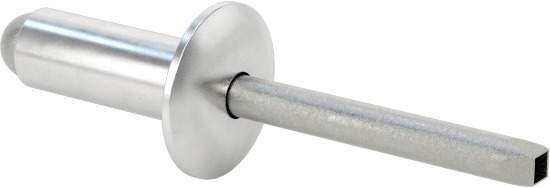
As the electric vehicle market accelerates, every component comes under intense scrutiny to enhance performance, safety, and longevity. The battery enclosure—the protective housing for the vehicle's most vital and heavy component—is a focal point of this innovation. The method used to join its various parts, particularly the choice of fasteners like rivets, may seem minor but has profound implications for the vehicle's overall integrity and efficiency. At Xiluomold, we understand that material selection is the foundation of superior manufacturing. This guide provides a comprehensive analysis of stainless steel versus aluminum rivets, empowering engineers and designers to make informed decisions for state-of-the-art EV battery enclosures.

Get a Free Quote