Blog

semi tubular shoulder rivets

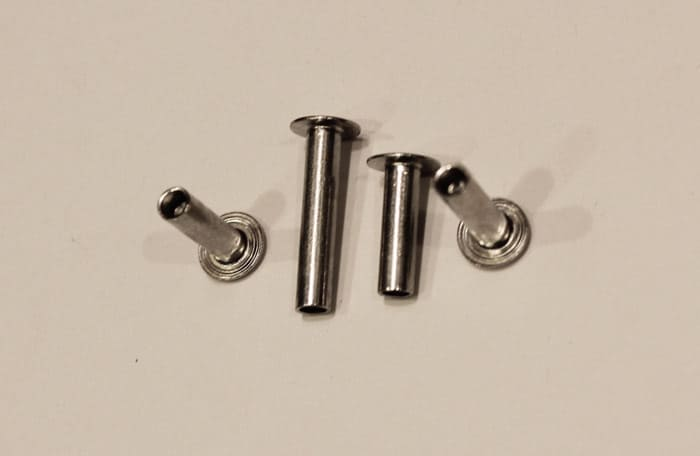
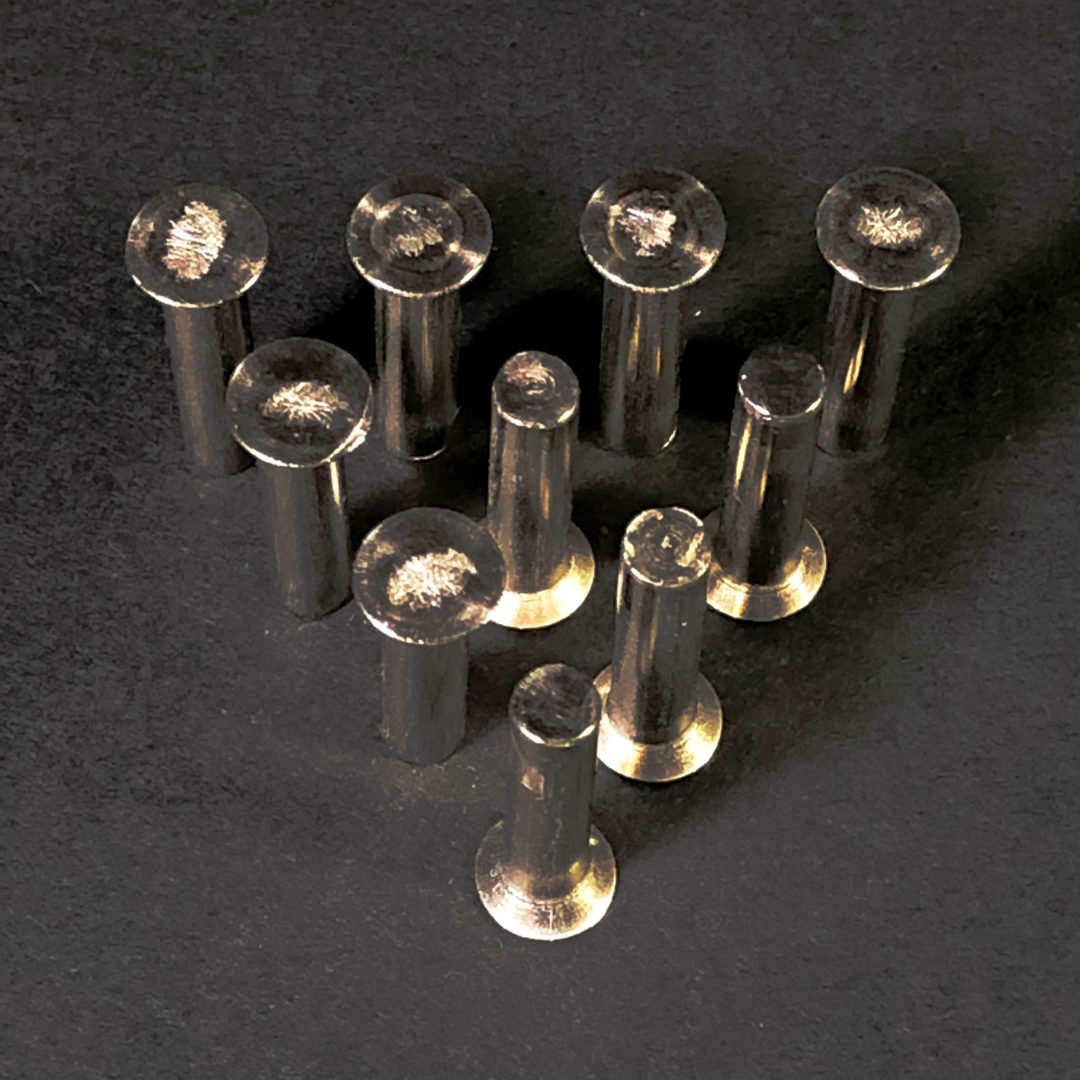
Semi tubular shoulder rivets, also known as step rivets, are specialized fasteners that are fundamental to modern manufacturing. They are not just simple connectors; they are engineered components designed to act as a pivot point, axle, or precisely spaced standoff. Unlike standard rivets, their unique "shoulder" design allows parts to rotate freely without being clamped, ensuring smooth mechanical movement and consistent alignment. Making the correct choice from the outset prevents joint failure, reduces wear and tear, and guarantees the longevity and performance of the final product. This guide will walk you through everything you need to know to select the perfect semi tubular shoulder rivet for your specific needs.

0593672713987f3abc2d5bb5b0553aa8

Choosing between a solid shoulder rivet and a semi-tubular shoulder rivet depends entirely on your application's specific needs for strength, installation speed, and cost. Solid shoulder rivets are the ideal choice for high-stress, load-bearing applications where maximum shear strength and durability are critical, while semi-tubular shoulder rivets excel in high-volume assemblies where lower installation force, faster cycle times, and reduced material cost are the primary drivers. This guide will delve into the critical differences, advantages, and ideal use cases for each type, empowering you to make the most informed decision for your project's success.

074b7a0f51284309d9d8e7c54809c3bb

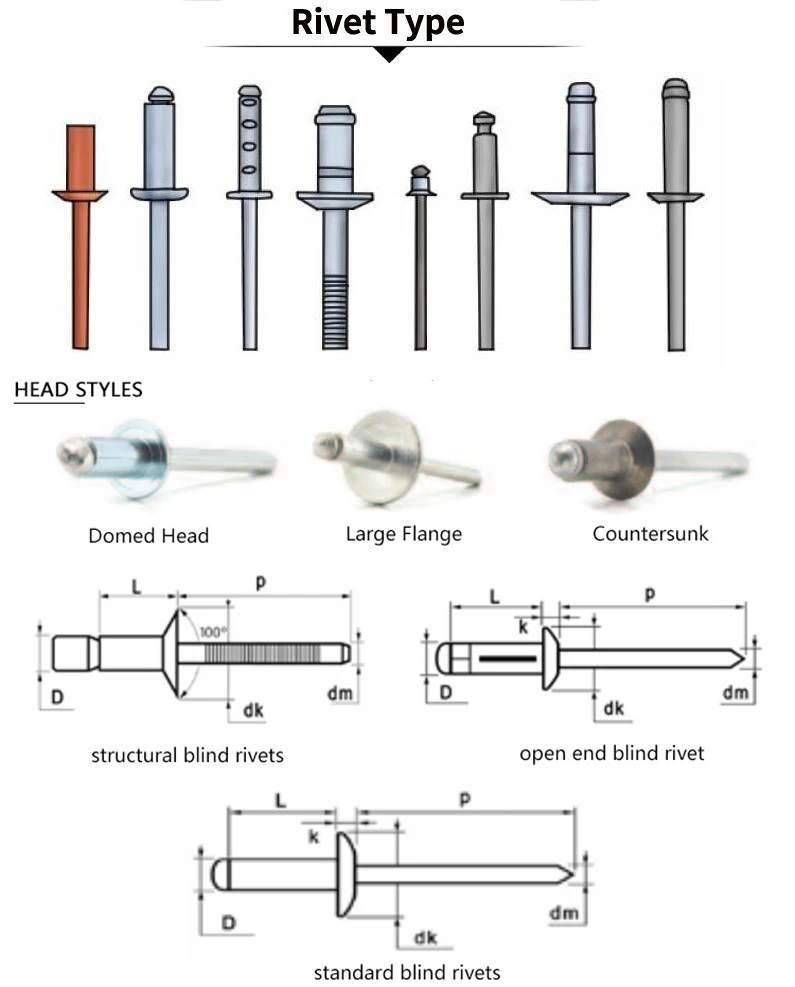
Rivets are unthreaded mechanical fasteners used to create a permanent joint between two or more pieces of material. Comprising a smooth cylindrical shaft with a head on one end, a rivet is installed by placing it in a punched or drilled hole and deforming the tail end (the "shop head" or "buck-tail") to lock it in place. The main types of rivets include solid, blind, tubular, and split rivets, each designed for specific applications ranging from aerospace engineering and structural steel construction to electronics and leather goods. Understanding which rivet to use is crucial for ensuring joint integrity, durability, and safety in any manufacturing or assembly process.

82f73bc8a1aa38a380bf007e4440d2d1

The choice between aluminum and titanium fasteners in aerospace design is a critical decision that balances the need for minimal weight against the demand for maximum strength and performance under extreme conditions. While titanium fasteners offer a superior strength-to-weight ratio, exceptional corrosion resistance, and high-temperature tolerance ideal for critical structural applications, aluminum fasteners provide a significant weight-saving advantage at a lower cost, making them perfect for non-structural and low-stress interior components. The right selection is not about which material is universally better, but which is strategically optimal for a specific application's mechanical loads, operating environment, and budget.

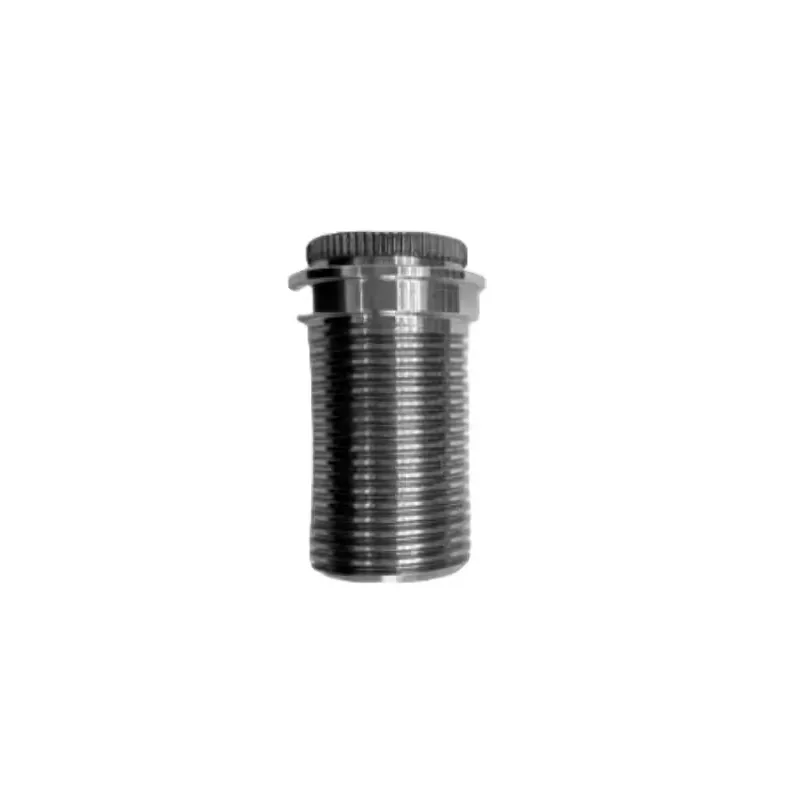
Rod Stud

For thin-sheet metal assembly, rivets are generally more reliable in applications subject to high vibration and shear stress, offering a permanent, tamper-resistant joint. Conversely, self-tapping screws provide superior reliability where serviceability and strong tensile (pull-out) resistance are required. The ultimate choice is not about which fastener is universally "better," but which is optimally engineered for the specific functional demands of the assembly, including load type, environmental exposure, and lifecycle maintenance needs.

5156f55f94eb9b9cf1a4390808e11c39

In the relentless pursuit of manufacturing efficiency, every second saved on the assembly line translates into lower costs and higher output. The choice of fastener is a critical, yet often overlooked, component in this equation. Two of the most common fastening solutions, solid rivets and blind rivets, offer distinct advantages and disadvantages that directly impact production speed. Understanding the fundamental differences in their design, installation process, and ideal applications is key to optimizing any assembly line. This comprehensive guide will dissect the characteristics of both rivet types to provide a clear answer on which fastener is the champion of high-speed production.

Get a Free Quote