Blog

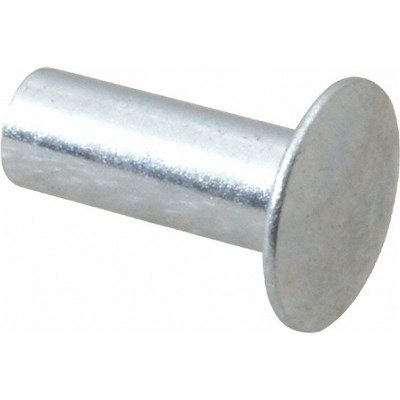
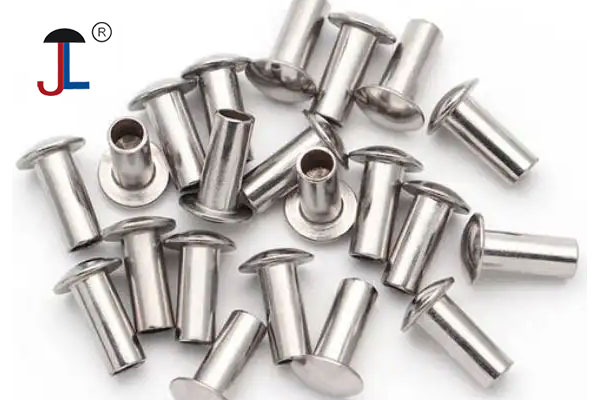
Semi Tubular Rivets

This technical guide details how to correctly design and specify the grip range for semi tubular rivets. Differentiating grip range from overall length, the article explains the mechanical consequences of using fasteners that are too long (buckling) or too short (incomplete flaring). With practical data on measuring total material stack-ups—including coatings and compression factors—and detailed troubleshooting tables, this post helps manufacturing engineers eliminate vibration loosening and ensure perfectly flared joints in high-volume production.

Thin Sheet Metal Assemblies

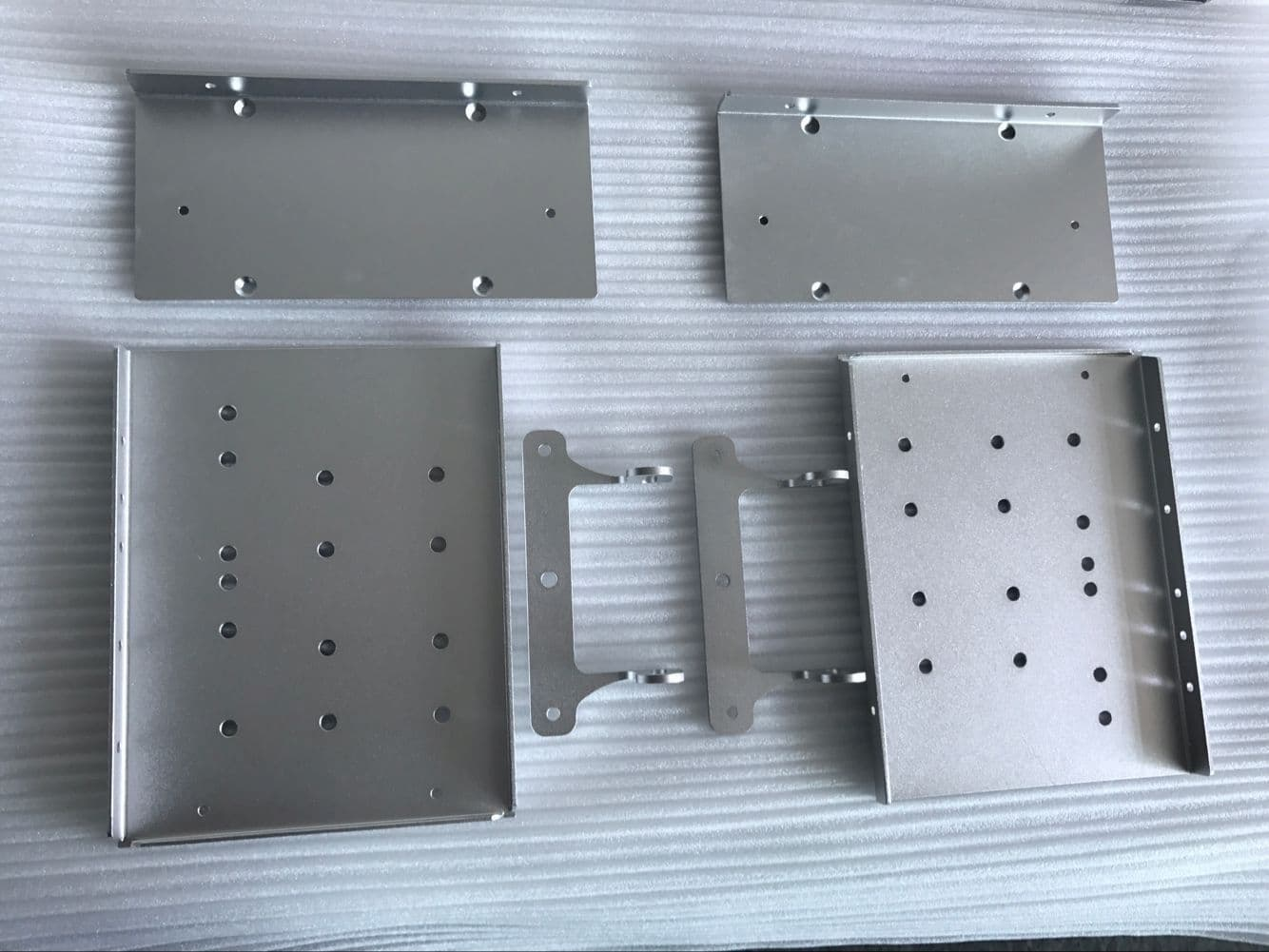
This technical guide explains why semi tubular rivets are the optimal fastening solution for thin sheet metal assemblies. By requiring 75% less installation force than solid rivets, their localized roll clinch prevents material warping, edge cracking, and surface dimpling. The article explores how this low-impact fastener improves automated feeding stability and protects fragile, lightweight components in high-volume manufacturing environments.

semi-tubular-rivet

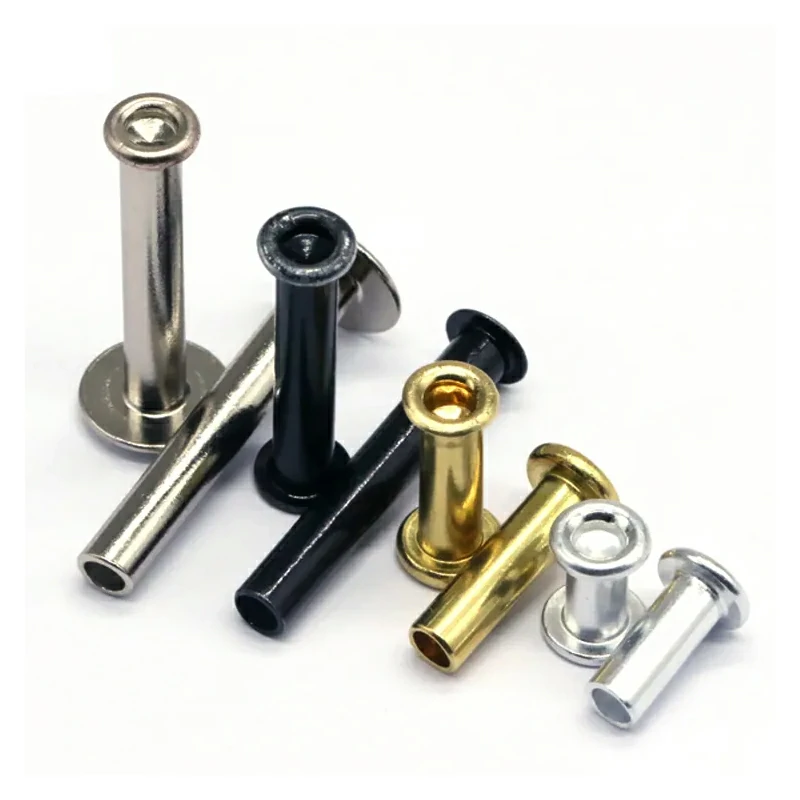
This technical guide analyzes how material selection (aluminum, brass, steel, and stainless steel) and head style geometry (truss, flat, and countersunk) influence the performance of semi tubular rivets. It explains how the correct combination can reduce installation force by 20–30%, prevent material damage, and ensure a professional finish in high-precision industries like electronics and automotive manufacturing. The article provides actionable engineering insights to help procurement managers and designers choose fasteners that balance structural integrity with production efficiency.

Semi Tubular Rivet

Choosing between a semi tubular rivet vs solid rivet di …

Machine Screw

Machine screw head styles and drive types dictate assem […]

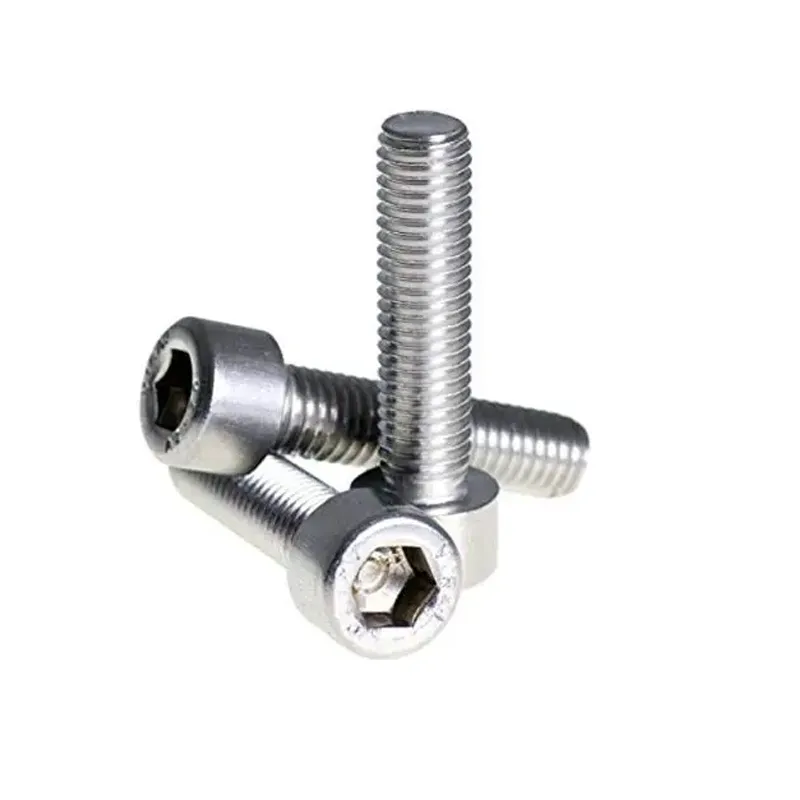
This technical guide analyzes the impact of machine screw head styles (Pan, Flat, Hex) and drive types (Phillips, Torx, Hex) on manufacturing efficiency. It explains how proper selection reduces cam-out, eliminates unnecessary machining steps like countersinking, and supports high-speed automation. The post includes real-world comparisons demonstrating why Torx drives and Pan heads are often the superior choice for precision applications.

Get a Free Quote