Yes, nail screws are an excellent choice for many high-vibration environments, often significantly outperforming traditional nails. Their unique hybrid design, which combines the installation speed of a nail with the superior holding power of a screw, makes them inherently resistant to the micro-movements that cause fasteners to loosen under constant vibration. The threads of a nail screw bite into the substrate, creating a secure, interlocked connection that provides exceptional withdrawal resistance and maintains clamp load far more effectively than a smooth-shank nail.

Table of Contents
- Understanding the Enemy: How Does Vibration Loosen Fasteners?
- What Exactly Are Nail Screws? The Best of Both Worlds
- Why Are Nail Screws So Effective Against Vibration?
- Nail Screws vs. Other Fasteners: A Comparative Analysis
- Practical Applications: Where Do Nail Screws Excel in High-Vibration Scenarios?
- Are There Limitations? When to Consider Alternative Fasteners
- Installation Best Practices for Maximum Vibration Resistance
- The RivetJL Verdict: A Smart Solution for Modern Fastening Challenges
Understanding the Enemy: How Does Vibration Loosen Fasteners?
Before we can appreciate the solution, we must fully understand the problem. In any mechanical assembly, fasteners are designed to create and maintain a “clamp load” or preload—the tension that holds the components together tightly. Vibration, whether from machinery, transportation, or environmental factors, introduces transverse (sideways) forces on the joint. These tiny but relentless movements can cause the fastener’s threads to slip against the material’s threads, fractionally turning the fastener. Over thousands or millions of cycles, this incremental “self-loosening” erodes the clamp load, leading to a loose joint, rattling, and eventual failure. A smooth-shank nail is particularly vulnerable as it relies almost entirely on simple friction, which is easily overcome by vibrational energy.
What Exactly Are Nail Screws? The Best of Both Worlds
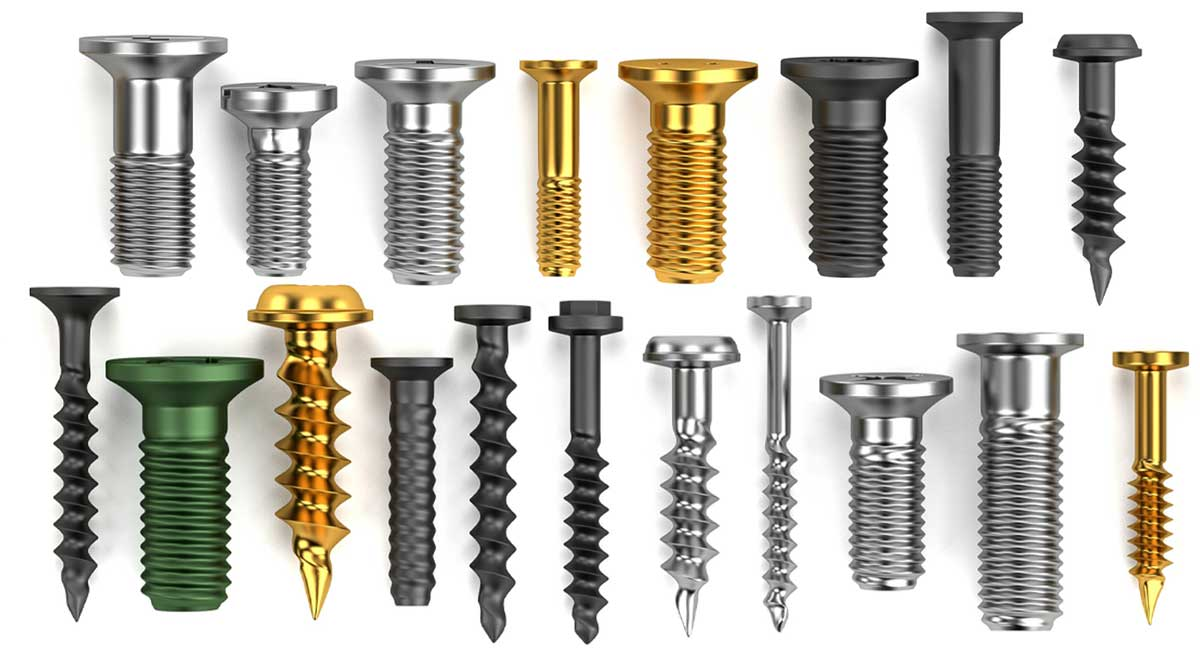
A nail screw, often referred to as a collated screw or by brand names like Scrail®, is a revolutionary hybrid fastener. It’s engineered to be installed with the speed and efficiency of a pneumatic nailer but provides the enhanced holding power and removability of a traditional screw. They are typically collated in plastic or wire strips for use in specialized power tools, allowing for incredibly rapid installation. The key feature is the aggressive threading along the shank. This isn’t just a gimmick; it’s the core of its superior performance, especially in dynamic environments where stability is paramount.
Why Are Nail Screws So Effective Against Vibration?
The effectiveness of nail screws in high-vibration settings isn’t a matter of opinion; it’s based on sound mechanical principles. Their design directly counters the forces that cause other fasteners to fail.
The Power of Threads: Maximizing Friction and Grip
Unlike a nail’s smooth shank, which only displaces material, the threads of a nail screw actively cut into and engage with the substrate (wood, composite, etc.). This creates a positive, interlocking connection along the entire length of the embedment. This deep engagement dramatically increases the surface area and friction between the fastener and the material. When subjected to transverse vibrations, the threads act as a barrier, resisting the rotational slip that leads to self-loosening. The energy is dissipated across the entire threaded surface rather than being concentrated on a small point of friction.
Superior Withdrawal Resistance Compared to Nails
One of the most significant advantages is the immense increase in withdrawal resistance. A standard nail relies on the surrounding material’s compressive force to hold it in place. Vibration and material changes (like wood drying and shrinking) can reduce this force, making nails easy to back out. A nail screw, however, must be unscrewed to be removed. The threads provide a mechanical lock that can be 80-100% stronger than the pull-out strength of a similarly sized ring-shank nail and even more so than a smooth-shank nail. This robust hold is critical in preventing the fastener from backing out due to vibrational forces.
Maintaining Clamp Load (Preload) Under Duress
Because nail screws resist both rotational slip and withdrawal, they are far more effective at maintaining the initial clamp load. The tight, threaded connection ensures that the assembled components remain securely clamped together, even when subjected to constant shaking or rattling. This joint integrity is crucial for safety and performance, preventing squeaks in flooring, loosening of panels on machinery, and structural degradation in crating and framing over time. The fastener stays put, and the joint stays tight.
Nail Screws vs. Other Fasteners: A Comparative Analysis
To truly understand where nail screws fit, it’s helpful to compare them directly against other common fastening options in the context of high-vibration applications.
| Fastener Type | Installation Speed | Vibration Resistance | Withdrawal Strength | Removability | Best For |
|---|---|---|---|---|---|
| Nail Screws | Excellent | Very Good | Excellent | Good | Subflooring, decking, crating, assembly where speed and vibration resistance are key. |
| Traditional Nails | Excellent | Poor | Poor to Fair | Poor | Basic framing and applications with no significant vibration or load reversal. |
| Traditional Screws | Fair | Good | Excellent | Excellent | Applications where speed is not the primary factor but strong holding and adjustability are. |
| Bolts w/ Lock Nuts/Washers | Poor | Excellent | Excellent | Excellent | Heavy-duty structural and mechanical joints requiring the highest clamp loads and security. |
Practical Applications: Where Do Nail Screws Excel in High-Vibration Scenarios?
The unique combination of speed and security makes nail screws the ideal solution for numerous industries facing vibration challenges.
Construction and Framing Applications
In construction, subflooring is a prime example. Constant foot traffic creates vibrations that can cause nails to loosen, leading to annoying and costly floor squeaks. Using nail screws to fasten subfloor panels to joists creates a solid, squeak-free floor system that lasts. The same principle applies to decking, exterior sheathing, and fascia boards exposed to wind and weather.
Industrial Manufacturing and Assembly
On an assembly line, speed is money. Nail screws allow for the rapid assembly of components like machinery housing, support frames, and jigs that are subjected to constant operational vibration. The secure fastening ensures long-term reliability and reduces the need for maintenance or re-tightening, which would be common with nailed assemblies.
Crating, Pallets, and Logistics
When shipping valuable or heavy goods, the integrity of the crate is non-negotiable. Crates and pallets endure significant vibration and shock during transport by road, rail, or sea. Nail screws ensure the crate remains structurally sound, protecting its contents. Furthermore, if a crate needs to be inspected and resealed, the removability of nail screws is a major advantage over nails.
Transportation and Aftermarket Vehicle Customization
In the customization of utility vehicles, RVs, and trailers, internal cabinetry, paneling, and fixtures are constantly exposed to road vibration. Using nail screws to secure these wooden or composite components to the vehicle’s frame provides a durable connection that resists rattling and loosening over thousands of miles.
Are There Limitations? When to Consider Alternative Fasteners
To provide a complete picture, it’s important to be transparent about limitations. While versatile, nail screws are not a universal solution. For critical structural steel connections or high-tensile applications, engineered bolts with specific torque requirements and locking mechanisms (like Nyloc nuts or chemical thread lockers) are the required standard. Additionally, the aggressive nature of nail screws might not be suitable for very brittle materials that could fracture upon installation. In these scenarios, a traditional screw with pre-drilling may be a more controlled approach.
Installation Best Practices for Maximum Vibration Resistance
To get the most out of your nail screws and ensure a vibration-proof joint, follow these best practices:
- Use the Correct Tool: Always use a pneumatic nailer specifically designed for the type and size of nail screw you are using.
- Set the Right Air Pressure: Adjust the tool’s air pressure to ensure the fastener is driven flush with the material surface. Overdriving can damage the substrate and reduce holding power, while under-driving leaves the head exposed.
- Ensure Proper Embedment: The fastener should penetrate deep enough into the base material to fully engage the threads for maximum withdrawal resistance. Follow manufacturer guidelines for required embedment depth.
- Choose the Right Material and Coating: Select a nail screw with a material and coating (e.g., galvanized, stainless steel) appropriate for the service environment to prevent corrosion, which can compromise joint integrity.
The RivetJL Verdict: A Smart Solution for Modern Fastening Challenges
So, can nail screws be used in high-vibration environments? The answer is a resounding yes. They represent a significant technological advancement over traditional nails, directly addressing the challenge of self-loosening caused by vibration. By providing the holding power of a screw at the speed of a nail, they offer a powerful, reliable, and efficient solution for a wide range of applications, from construction to industrial manufacturing.
At RivetJL, we’ve seen firsthand how choosing the right fastener can make all the difference in a project’s long-term success and durability. If you’re facing challenges with fastener loosening in a high-vibration environment, nail screws may be the innovative solution you need. Our team of fastening experts is ready to help you analyze your application and recommend the perfect fastener to ensure your assembly remains secure, stable, and reliable for years to come. Contact us today to discuss your project needs.