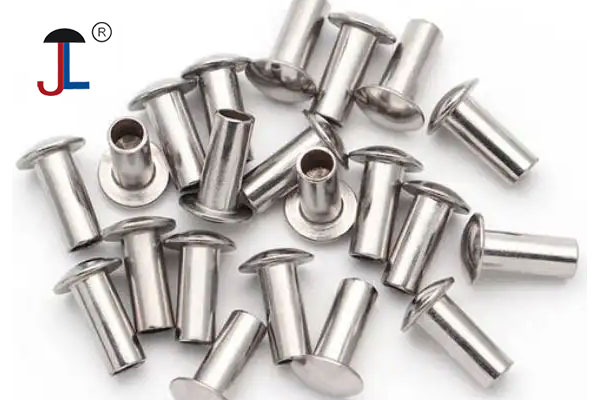
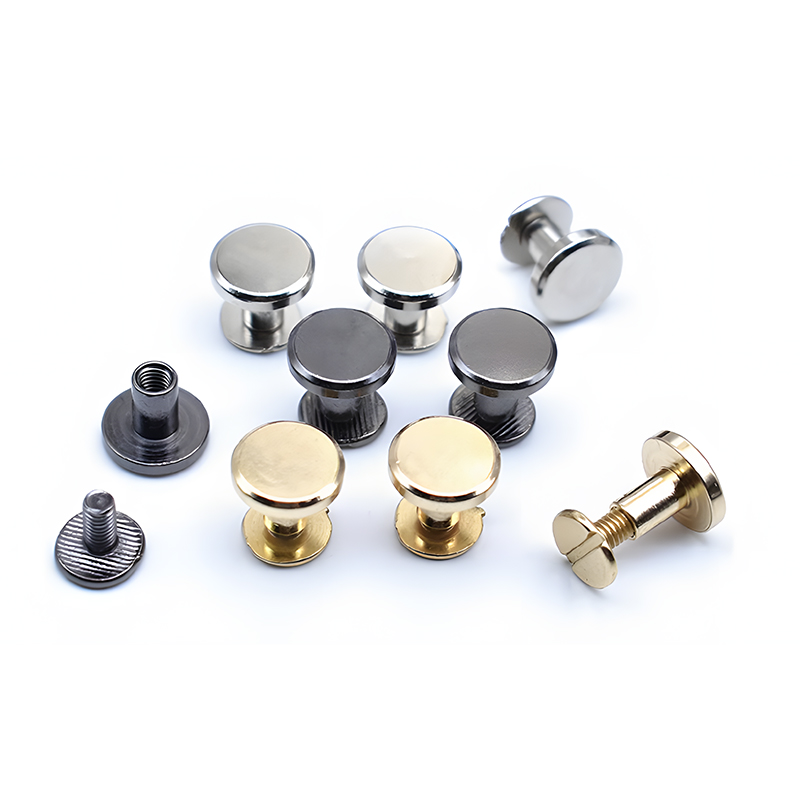
Rivets are permanent mechanical fasteners consisting of a smooth, cylindrical shaft with a head on one end and a tail on the other. They are used to join two or more materials by passing the shaft through aligned holes and deforming the tail to form a second head, known as the buck-tail, creating a secure, vibration-resistant joint. Unlike screws or bolts, rivets are installed to be permanent, offering exceptional shear strength and reliability, which is why they are a cornerstone in industries from aerospace and automotive to construction and electronics manufacturing.

Table of Contents
- What Exactly is a Rivet and Why is it Essential in Modern Manufacturing?
- The Two Primary Categories of Rivets: Solid vs. Blind
- Exploring the Most Common Types of Rivets in Detail
- How to Select the Perfect Rivet for Your Application: Key Considerations
- A Closer Look at Rivet Materials and Head Styles
- Common Rivet Applications Across Industries
- Partner with Rivetjl for Your Fastening Solutions
What Exactly is a Rivet and Why is it Essential in Modern Manufacturing?
At its core, a rivet is one of the simplest and oldest forms of fastening technology, yet its effectiveness ensures its place in the most advanced manufacturing processes today. The principle is straightforward: a rivet secures materials by forming a second head after being inserted into a pre-drilled hole. This process, called upsetting or bucking, creates a permanent, non-removable clamp. This permanence is a key advantage. Once properly installed, a rivet will not loosen due to vibration, making it far more reliable than threaded fasteners in dynamic or high-stress environments.
The strength of a riveted joint comes from its ability to resist shear forces—forces that act parallel to the joined surfaces. The rivet’s shaft fills the hole completely, preventing any lateral movement of the joined components. This creates an incredibly robust and durable connection. This inherent strength and reliability are why rivets are specified for critical applications, such as constructing aircraft fuselages, assembling vehicle chassis, and erecting steel bridges and buildings. Their versatility in terms of materials, sizes, and types allows them to be adapted for nearly any joining requirement.
The Two Primary Categories of Rivets: Solid vs. Blind
Before diving into specific types, it’s crucial to understand the fundamental difference between the two main families of rivets: solid rivets and blind rivets. The choice between them is primarily dictated by whether you have access to both sides of the workpiece during installation. This single factor often determines the entire assembly process.
Solid/Conventional Rivets: The Foundation of Permanent Fastening
Solid rivets, sometimes called conventional rivets, are the original form of this fastener. They are a single, solid piece of metal consisting of a head and a smooth shaft. Installation requires access to both sides of the materials being joined. The rivet is inserted through the hole, and then a tool (like a rivet gun) is used on the head while a “bucking bar” is held against the tail. The force from the rivet gun deforms the tail into a second head (the buck-tail), securely clamping the materials together. This method creates the strongest possible riveted joint and is the standard for applications where structural integrity is non-negotiable.
Blind Rivets: The Solution for One-Sided Access
Blind rivets, widely known by the trade name “POP® rivets,” are a revolutionary innovation designed for applications where access to the backside of the joint is impossible. A blind rivet is a two-piece assembly: a rivet body (the shell) and a mandrel (a stem that runs through it). The rivet is inserted into the hole, and a special riveting tool grips the mandrel and pulls it. As the mandrel is pulled, its head expands the end of the rivet body on the “blind” side, creating a second head and clamping the materials. Once the joint is tight, the mandrel breaks off at a pre-determined point, leaving the rivet securely set. This clever design allows for rapid, single-sided installation.
Exploring the Most Common Types of Rivets in Detail
Within the broad categories of solid and blind rivets, there are numerous specialized types designed for specific performance characteristics and applications. Understanding their unique features is key to selecting the right fastener for your project.
Solid Rivets (Round, Flat, Countersunk Head)
As the workhorse of structural applications, solid rivets are simple, cost-effective, and incredibly strong. They are classified by their head style, which determines how they sit on the material surface. Round (or universal) heads are standard for general-purpose work where a protruding head is acceptable. Flat heads offer a larger surface area for securing softer materials. Countersunk heads are used when a flush surface finish is required, such as on an aircraft wing to maintain aerodynamics. Their installation requires specialized equipment but results in unmatched durability.
Common Applications: Aircraft construction, bridges, buildings, shipbuilding, and heavy machinery assembly.
Semi-Tubular Rivets
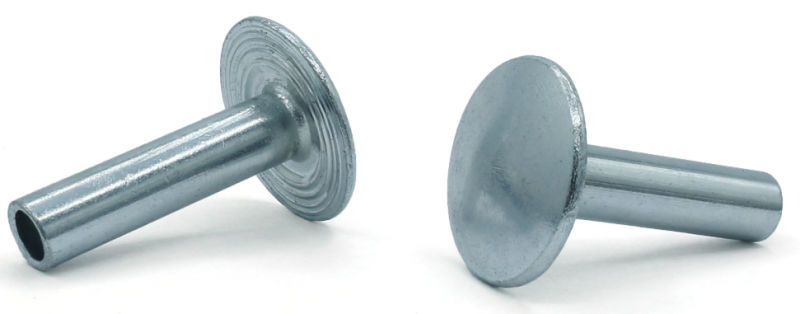
A semi-tubular rivet looks similar to a solid rivet, but with a shallow hole at the tip of the tail. This small modification dramatically reduces the amount of force needed for installation. During setting, the tubular portion of the shank rolls outward to form the clinch. This makes them ideal for joining materials that are brittle or soft, such as plastics, composites, and textiles, as the lower installation force prevents cracking or damage. They are also excellent for creating pivot points in assemblies like brake shoes or scissors.
Common Applications: Electronics, lighting fixtures, luggage, brake linings, and mechanical assemblies requiring a pivot.
Blind Rivets (Pop Rivets)
The standard open-end blind rivet is the most common type used in a vast range of applications. They are fast and easy to install from one side, making them perfect for assembly line work and repairs. While strong, the standard open-end design is not watertight, and the mandrel head can sometimes become loose inside the set rivet. For applications requiring a sealed joint or enhanced strength, closed-end or structural blind rivets are better options. They come in dome, countersunk, and large flange head styles to suit different load-bearing and finish requirements.
Common Applications: Automotive bodywork, HVAC ducting, gutter installation, boat building, and general sheet metal fabrication.
Structural Blind Rivets
When a blind application requires strength comparable to a solid rivet, structural blind rivets are the answer. These are engineered with internal locking mechanisms that ensure the mandrel is mechanically locked into the rivet body after installation. This prevents the mandrel head from falling out and creates a joint with exceptional shear and tensile strength, as well as high vibration resistance. Sub-types like Multi-Grip rivets can accommodate a wide range of material thicknesses, reducing the need for multiple rivet sizes.
Common Applications: Vehicle frames and roll cages, railway carriages, commercial construction, and any high-stress blind fastening situation.
Drive Pin Rivets
Drive pin rivets are one of the simplest blind rivets to install, requiring only a hammer. This rivet consists of a body and a short, protruding pin (mandrel). After the rivet body is placed in the hole, the pin is driven flush with the rivet head using a hammer. This action flares out the end of the rivet shank on the blind side, securing the materials. Because no special tools are needed, they are excellent for quick field repairs or simple assembly tasks. However, they offer less clamping force than pulled-mandrel blind rivets.
Common Applications: Attaching nameplates, signs, and panels to solid or hollow materials; quick repairs on siding or architectural features.
Split Rivets (Bifurcated Rivets)
Split rivets feature a shank that is divided into two “legs.” They are self-piercing in soft materials like leather, wood, and plastic, meaning they can often be installed without a pre-drilled hole. The rivet is pushed through the material, and the legs are then bent back or “clinched” against the back surface to secure it. This makes them extremely useful for temporary or light-duty fastening in home repair and craft applications.
Common Applications: Leatherwork (belts, saddles), canvas repair, soft plastic assemblies, and various DIY projects.
How to Select the Perfect Rivet for Your Application: Key Considerations
Choosing the correct rivet goes beyond just picking a type. To ensure a safe and durable joint, several factors must be carefully evaluated. Answering these questions will guide you to the ideal fastening solution for your specific needs.
Material Compatibility and Environment
What materials are you joining? The rivet material should always be compatible with the materials being fastened to prevent galvanic corrosion, a process where one metal corrodes when in contact with another in the presence of an electrolyte. For example, use aluminum rivets for aluminum sheets and stainless steel rivets for stainless steel. Consider the operating environment as well. For outdoor or marine applications, materials like stainless steel or monel offer superior corrosion resistance.
Grip Range: The Critical Dimension
The grip range is the total thickness of the materials being joined. Every rivet is designed to function correctly within a specific grip range. If the grip range is too small, the rivet will be loose and the joint will fail. If it’s too large, the rivet won’t be able to form a proper secondary head, resulting in a weak connection. Always measure the total material thickness and choose a rivet whose grip range encompasses that measurement.
Hole Size and Diameter
The rivet’s diameter is crucial for its strength. The hole drilled for the rivet must be slightly larger than the rivet diameter to allow for easy insertion but small enough to ensure a snug fit. A hole that is too large will reduce the rivet’s shear strength and allow for movement, while a hole that is too small will make installation difficult and could damage the workpiece. Refer to the manufacturer’s specifications for the recommended hole size for a given rivet diameter.
Understanding Shear and Tensile Strength
You must determine the type of forces the joint will experience. Shear strength is the rivet’s ability to resist forces that try to slide the joined materials apart. Tensile strength is its ability to resist forces that try to pull the materials straight apart. Solid rivets and structural blind rivets offer the highest shear strength, while standard blind rivets are generally better suited for light to medium-duty applications where the primary force is tension or simple clamping.
A Closer Look at Rivet Materials and Head Styles
The material and head style of a rivet significantly impact its performance. The following tables provide a quick reference for the most common options.
Common Rivet Materials
| Material | Characteristics & Best Use Cases |
|---|---|
| Aluminum | Lightweight, good corrosion resistance, and easy to form. Ideal for lightweight applications like aerospace, sheet metal, and gutters. |
| Steel (Carbon Steel) | Strong, durable, and cost-effective. Often plated with zinc or cadmium for corrosion resistance. Used in automotive, construction, and general manufacturing. |
| Stainless Steel | Excellent strength and superior corrosion resistance, especially in marine or chemical environments. Ideal for food processing equipment, medical devices, and outdoor structures. |
| Copper | Good electrical conductivity and corrosion resistance. Often used in electrical applications, roofing, and decorative projects. |
| Monel | A nickel-copper alloy with exceptional resistance to corrosion, high temperatures, and acids. Used in demanding marine, chemical, and aerospace applications. |
Common Rivet Head Styles
| Head Style | Description & Application |
|---|---|
| Dome (Button) Head | The most common head style for blind rivets. Its low profile and clean finish make it suitable for a wide range of general-purpose applications. |
| Countersunk (Flush) Head | Designed to sit flush with the material surface after installation. Requires a countersunk hole. Used where a smooth, snag-free surface is necessary. |
| Large Flange Head | Features a wider head diameter that distributes the clamping force over a larger area. Ideal for securing soft or brittle materials like plastic or thin metal to prevent pull-through. |
Common Rivet Applications Across Industries
The versatility of rivets makes them indispensable across a wide spectrum of industries. In the aerospace industry, solid aluminum alloy rivets are used by the thousands to construct the fuselage and wings of aircraft, where vibration resistance and strength-to-weight ratio are paramount. The automotive sector relies heavily on structural and blind rivets for assembling vehicle frames, attaching body panels, and securing internal components, valuing their speed of installation and permanent, strong joints.
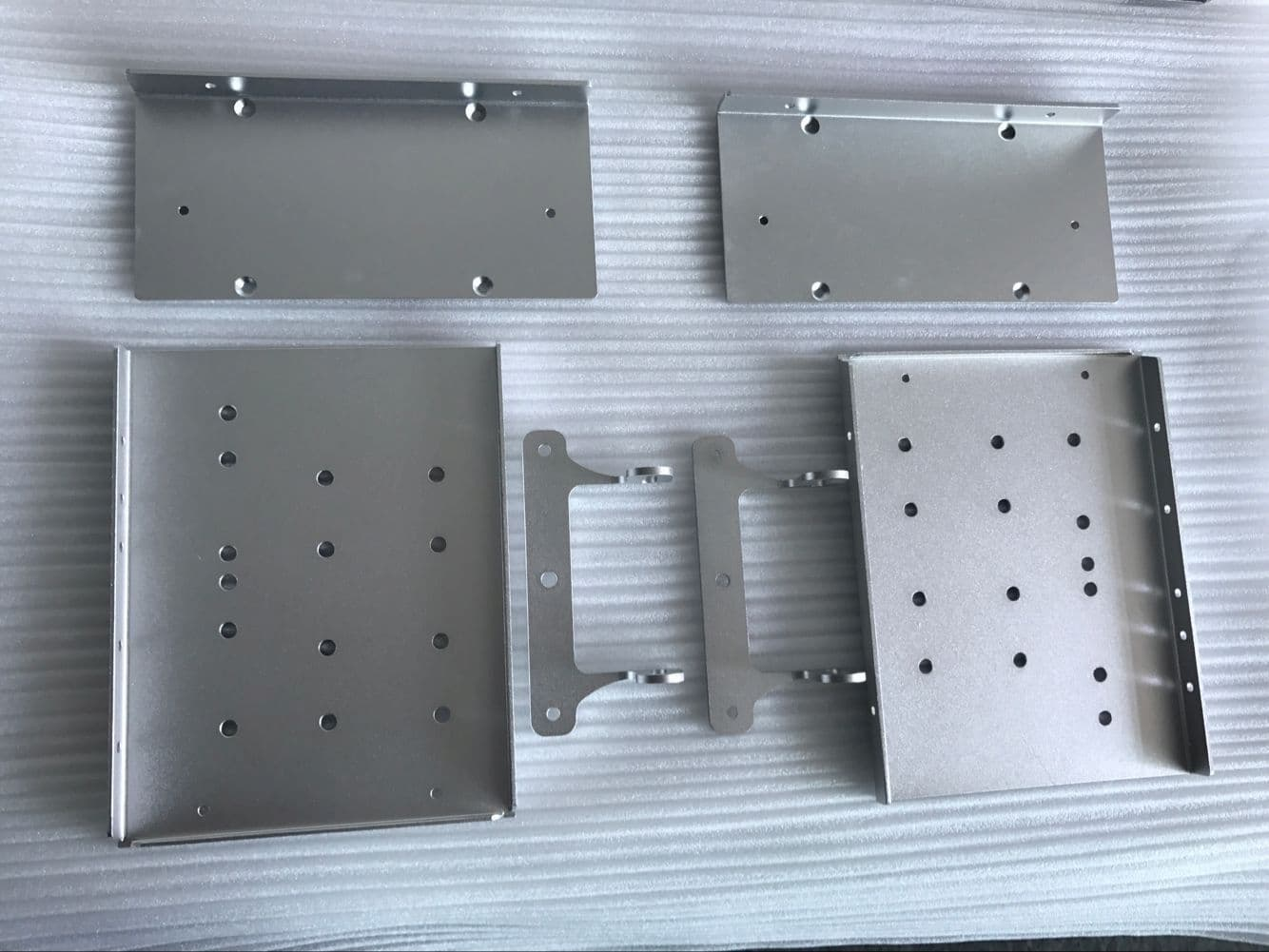
In construction and civil engineering, large steel solid rivets are a legacy feature of iconic structures like the Eiffel Tower and Golden Gate Bridge. Today, structural blind rivets are used for fastening curtain walls, roofing, and steel framework. Furthermore, the electronics industry uses miniature semi-tubular and blind rivets to fasten components to printed circuit boards (PCBs) and assemble casings, where their small size and reliable performance are essential.
Partner with rivetjl for Your Fastening Solutions
Understanding the different types of rivets and their applications is the first step toward building a stronger, more reliable product. Whether you need a standard fastener for a high-volume assembly line or a custom-designed solution for a unique structural challenge, the right choice makes all the difference. At rivetjl, we specialize in providing high-quality, precision-engineered fastening solutions tailored to your exact specifications.
Our expertise in materials and manufacturing processes ensures that you receive fasteners that meet the highest standards of quality and performance. If you have questions about which rivet is right for your project or require a custom solution, contact our team of experts today. Let us help you secure your success.