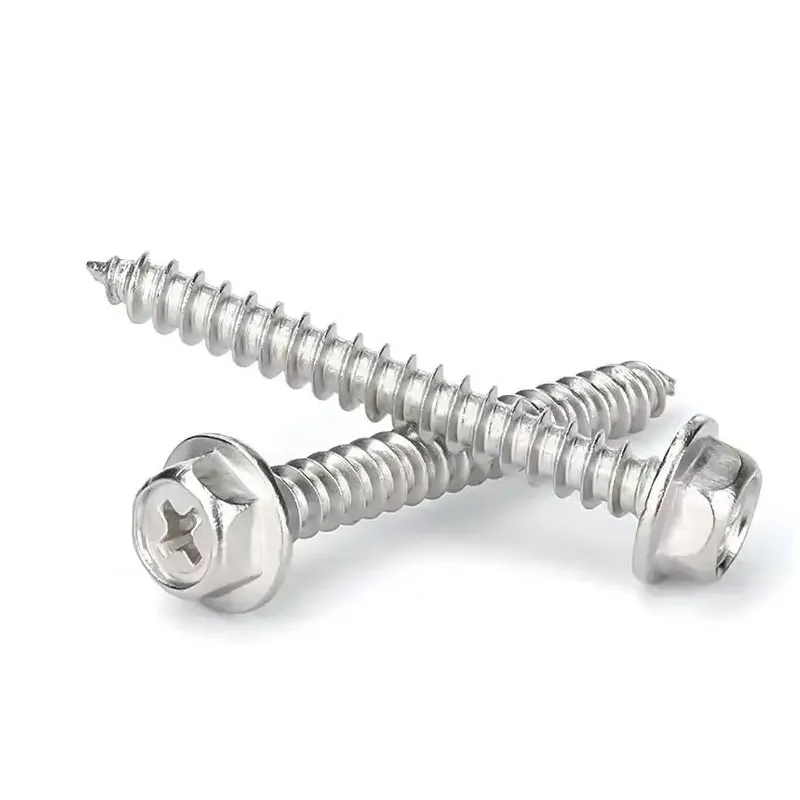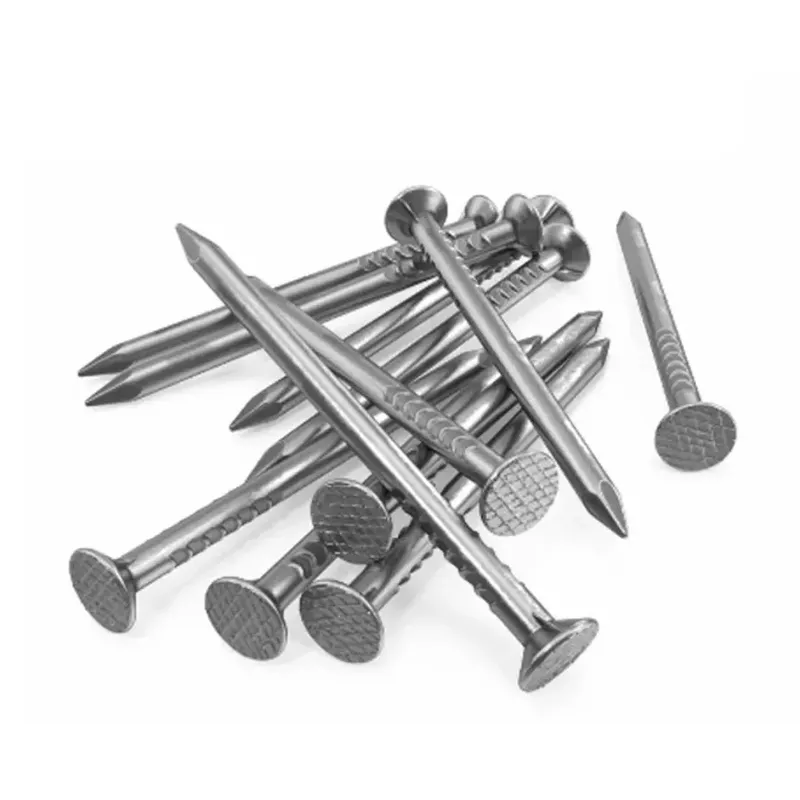
High installation forces from solid rivets cause severe mechanical shock, leading to automation breakdowns and cracked materials. Ignoring this stress results in frequent machine jams and costly scrap. Switching to semi tubular rivets reduces required setting force by 75%, stabilizing high-speed assembly and protecting delicate components.
In high-speed manufacturing, the reliability of a production line is often dictated by its smallest components. When automated riveting stations suffer from frequent jams, or when excessive pressing force cracks a plastic housing, the entire factory floor bottlenecks. As a Chief Manufacturing Engineer, I continuously analyze these failure modes. Our experience consistently proves that shifting to semi tubular designs is one of the most effective strategies to stabilize automated processes, cut equipment maintenance, and protect sensitive substrates.
Table of Contents
- Why is Installation Force the Biggest Threat to Automation?
- How Does Fastener Geometry Eliminate Feeder Jams?
- Can Low-Impact Fastening Prevent Material Deformation?
- What Are the Cost Advantages for Riveting Equipment?
- How Do Semi Tubular Rivets Maintain Cycle Time Consistency?
- Are These Fasteners Suitable for Multi-Material Stacks?
- Case Study: Resolving Electronic Enclosure Assembly Bottlenecks
1. Why is Installation Force the Biggest Threat to Automation?
Heavy impact forces from fastener installation can severely disrupt precision manufacturing environments, vibrating optical sensors out of alignment. Managing these extreme loads is absolutely critical to maintaining continuous, high-volume automated operations.
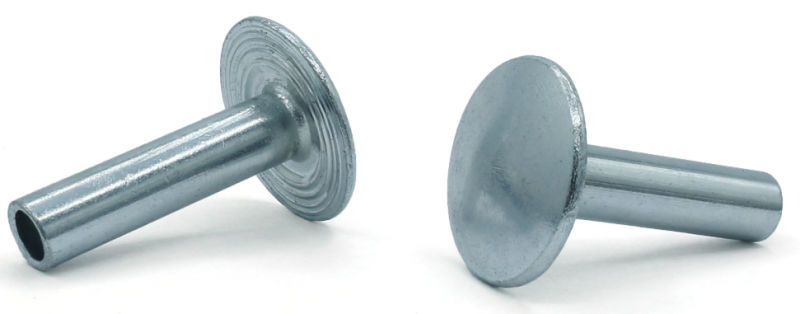
Solid rivets demand massive compressive force, generating severe mechanical shock during every cycle. Because semi tubular rivets feature a shallow tail hole, the setting tool only needs to flare a thin wall, reducing the required tonnage by 75% and eliminating destructive vibrations across the entire automated cell.
The Physics of the Hollow Tail and Cell Stability
When integrating fastening operations into a robotic work cell, the kinetic energy of the press stroke must be accounted for. Solid rivets require heavy hydraulic presses that generate significant impact waves. These waves travel through the machine frame and can misalign sensitive optical sensors or prematurely wear out precision linear actuators on nearby robotic arms.
By localizing deformation strictly to the tail, a semi tubular rivet automated assembly process requires a fraction of the energy. For example, setting a standard 1/4″ solid aluminum rivet might require over 5,000 lbs of force. Setting a 1/4″ semi tubular rivet of the exact same alloy requires roughly 1,200 lbs. Less tonnage means drastically less vibration. When you are running a line at 60 units per minute, this reduction in shock load translates directly to fewer calibration errors in your robotic pick-and-place arms and vision inspection systems, keeping the line running continuously without micro-stops for recalibration.
2. How Does Fastener Geometry Eliminate Feeder Jams?
A jammed feeding track immediately halts a production line, creating severe bottlenecks and downtime. Ensuring that fasteners orient correctly and flow smoothly is a primary challenge in high-speed automation engineering design.
The symmetrical head and optimized center of gravity of semi tubular rivets make them highly compatible with vibratory bowl feeders. This geometric stability prevents fasteners from tumbling or overlapping in linear tracks, drastically reducing blockages and ensuring a seamless feed into the automated setting jaws.
Optimizing the Feed Rate & Track Orientation
A jammed track can halt a production line for 5 to 10 minutes per incident. Fastener geometry actively works to prevent this. The hollow tail of a semi tubular rivet shifts the center of gravity closer to the head. When the rivets travel down an inclined track or are blown through a feed hose, they naturally hang perfectly straight. This ensures the escapement mechanism can easily separate and drop a single rivet into the setting jaws without overlapping.
Furthermore, the lighter weight and lower driving force reduce the overall acoustic noise of the feeding process, significantly improving the factory floor environment for operators. Solid rivets, by comparison, are prone to “tumbling” due to their uniform weight distribution, often landing sideways in the tracks and triggering automated fault alarms.
Table 1: Automation Feeding Reliability Analysis
| Feeding Metric | Solid Rivet Dynamics | Semi Tubular Rivet Dynamics | Automation Impact |
| Center of Gravity | Dead center (prone to tumbling) | Biased toward the head | Excellent orientation in tracks. |
| Track Jam Frequency | High (due to overlap) | Very Low (straight hang) | Increases continuous line uptime. |
| Escapement Reliability | Moderate (heavy to separate) | High (lightweight clearance) | Ensures 1-to-1 drop ratios. |
| Acoustic Noise | High (heavy part clatter) | Low (less mass in bowl) | Better operator environment. |
3. Can Low-Impact Fastening Prevent Material Deformation?
Joining brittle or thin materials requires extreme precision to avoid costly scrap. Controlling the direction and magnitude of the riveting force is essential for preserving the integrity of delicate substrates.
Because the flaring action is concentrated strictly at the tubular end, semi tubular rivets transfer minimal radial stress to the workpiece. This controlled roll clinch prevents cracking and warping in sensitive substrates like thin-gauge aluminum, injection-molded plastics, and fiberglass printed circuit boards.
Protecting Sensitive Substrates Through the Roll Clinch
When you apply a solid rivet to a brittle or soft material, the solid shank expands outward against the walls of the drilled hole. If the surrounding material cannot stretch to accommodate this radial expansion, it shatters or tears. This is a common failure mode when mounting components to FR-4 printed circuit boards (PCBs) or thin acrylic panels.
The semi tubular design utilizes a targeted “roll clinch.” The hardened anvil specifically rolls the thin tubular tail back over the surface of the material, creating a strong vertical clamping force (axial load) without exerting outward radial pressure. For operations utilizing thin extruded aluminum casings or delicate polymer housings, eliminating this outward stress is often the single fastest way to drop the cosmetic and structural scrap rate to near zero, saving thousands of dollars in rejected parts.
4. What Are the Cost Advantages for Riveting Equipment?
Capital expenditure and ongoing maintenance for heavy press machinery can quickly drain manufacturing budgets. Selecting fasteners that require less energy allows engineers to downsize equipment footprints and cut operational expenses significantly.
The low installation force of semi tubular rivets allows manufacturers to replace expensive, high-maintenance hydraulic presses with lightweight, energy-efficient pneumatic or servo-electric systems. This transition drastically lowers initial capital expenditures, extends the lifespan of setting anvils, and reduces long-term maintenance cycles.
Capital Expense and Long-Term Maintenance Cycles
Hydraulic systems are notorious for requiring constant upkeep—fluid changes, seal replacements, temperature monitoring, and leak management. By transitioning to a low-force fastener, a factory can eliminate these heavy-duty systems entirely. Standard pneumatic cylinders or precision servo-electric presses can be utilized instead. These lighter systems run on standard shop air or electricity, actuate much faster, and are significantly cheaper to replace if a cylinder fails.
Additionally, the tooling life increases exponentially. The anvils (rivet sets) that form the heads are not subjected to extreme, repetitive tonnage. This means fewer tool changes, lower consumable costs, and more consistent, uninterrupted production runs.
Table 2: 5-Year Equipment Cost & Maintenance Projection
| Equipment Profile | Initial Capital Cost | Power / Utility Cost | Maintenance Frequency | Tooling Replacement Rate |
| Hydraulic Press (Solid Rivets) | $35,000 – $50,000+ | High (Continuous pump) | Monthly (Fluid, seals) | Every 50,000 cycles |
| Pneumatic Press (Semi Tubular) | $8,000 – $15,000 | Low (Shop air per stroke) | Annually (Basic lube) | Every 250,000+ cycles |
| Servo-Electric (Semi Tubular) | $15,000 – $25,000 | Very Low (On-demand) | Minimal (Software/Cal) | Every 250,000+ cycles |
5. How Do Semi Tubular Rivets Maintain Cycle Time Consistency?
Predictability is more valuable than raw speed in an automated cell. Minimizing micro-stops and standardizing the setting process ensures the line consistently meets its planned hourly and daily throughput targets.
Consistent setting force and highly reliable feeding mechanisms guarantee that every machine cycle takes the exact same amount of time. By eliminating material spring-back variations common with solid rivets, the predictable yield of the tubular tail allows programmers to optimize robotic timing parameters safely.
Maintaining Roll Clinch Predictability for PLCs
When setting solid rivets, material inconsistencies (e.g., a slightly harder batch of carbon steel) can cause spring-back or require the hydraulic machine to dwell longer to achieve the required deformation. This variable dwell time creates a nightmare for PLC (Programmable Logic Controller) programmers trying to synchronize a multi-step automated cell.
The thin walls of a semi tubular tail yield predictably regardless of minor metallurgical variations within a fastener batch. This high degree of predictability allows automation integrators to tighten the timing parameters safely. If the roll clinch takes exactly 0.4 seconds every time, the robot arm knows exactly when to move to the next coordinate, shaving fractions of a second off every operation without risking a mis-set or a collision.
6. Are These Fasteners Suitable for Multi-Material Stacks?
Modern designs frequently combine metals with insulating polymers or rubbers. Finding a fastening solution that firmly secures the rigid layers without crushing the softer components requires specialized mechanical engagement.
Semi tubular rivets excel in joining dissimilar materials because the flaring process adapts to the specific compressive strength of the stack. By precisely controlling the press stroke, the rivet forms a secure hold against softer layers without exerting the crushing force typical of solid fasteners.
Managing Dissimilar Compressive Strengths
Modern product design, especially in electronics and automotive interiors, frequently layers conductive metals with insulating polymers, silicone gaskets, or foam dampeners. The engineering challenge is finding a fastener that holds tight enough to secure the metal brackets but gently enough not to crush and destroy the soft polymer layer underneath.
By carefully controlling the rivet length and utilizing a hard stop on the press stroke limit, a semi tubular rivet will form its clinch perfectly against a backing washer or directly against the soft material. This creates a secure, permanent hold that accommodates thermal expansion differences between the materials without cracking the plastic or extruding the rubber out of the joint.
Table 3: Multi-Material Fastening Suitability Matrix
| Material Stack | Solid Rivet Performance | Semi Tubular Performance | Recommendation & Notes |
| Metal to Metal | Excellent | Excellent | Use solid for structural shear; semi tubular for speed. |
| Metal to Plastic | Poor (Cracks plastic) | Excellent | Semi tubular roll clinch prevents radial bursting. |
| PCB to Chassis | Failure (Shatters FR-4) | Excellent | Use semi tubular to protect delicate fiberglass layers. |
| Metal to Rubber/Gasket | Poor (Extrudes rubber) | Good (with washer) | Use a backing washer with semi tubular to distribute load. |
7. Case Study: Resolving Electronic Enclosure Assembly Bottlenecks
Theoretical advantages must translate into measurable improvements on the factory floor. Analyzing real-world application data demonstrates exactly how optimizing the fastener geometry resolves critical production bottlenecks and boosts overall yield.
By replacing standard solid rivets with precision semi tubular rivets, an electronic enclosure manufacturer reduced required pneumatic pressure by 70%. This simple transition dropped feeder jam frequency by 65% and increased total automated line yield by 15%, proving the value of low-impact fastening.
Real-World Yield Improvement Data
We recently partnered with a Tier-2 electronic chassis manufacturer attempting to fully automate the assembly of extruded aluminum casing panels to internal support brackets.
The Bottleneck: The automated line was utilizing solid rivets. The high installation force was causing micro-warping in the thin aluminum panels, leading to inconsistent edge alignment. Furthermore, the heavy solid rivets were tumbling in the vibratory bowls, causing the automatic feeding system to jam an average of four times per shift.
The Engineered Solution: We conducted a teardown of the fastening process and recommended transitioning to a custom-dimensioned aluminum semi tubular rivet. We then assisted their automation integrators in recalibrating the pneumatic presses downward for the new fasteners.
The Results:
- Energy Reduction: The riveting impact energy and pneumatic pressure requirements plummeted by approximately 70%.
- Feeding Stability: Because the new rivets possessed an optimal center of gravity, the vibratory track jamming frequency decreased by 65%.
- Overall Output: With the warping eliminated and the micro-stops resolved, the overall yield of sellable, high-quality enclosures increased by 15%.
Conclusion
When an assembly line is struggling with consistency, the instinct is often to blame the robotics or the sensors. However, the root cause is frequently the mechanical violence of the fastening process itself. When a production line prioritizes high speed, tight consistency, and low equipment load, the semi tubular rivet is the most practical, engineered solution.
Is your automated line suffering from high scrap rates or frequent feeder jams?
At Dongguan Jiliang Machinery Hardware, we specialize in optimizing fasteners for automation. Send us your component drawings or current jam data, and our engineering team will evaluate if a semi tubular transition can stabilize your throughput.
[Contact Our Engineering Team for an Automation Fastener Audit]
Frequently Asked Questions (FAQ)
1. Can existing solid rivet automation equipment be converted to use semi tubular rivets?
Yes. Your existing press machinery will easily handle the lower tonnage. You will simply need to adjust the machine’s pressure settings downward and swap out the tooling (the rivet sets/anvils) for profiles designed specifically to roll a tubular tail.
2. Do semi tubular rivets have lower shear strength than solid rivets?
If the shear plane (the line where the two joined materials slide against each other) intersects the hollow portion of the rivet, the shear strength is reduced. However, if the joint is designed so the shear plane rests on the solid portion of the shank, the shear strength is practically identical.
3. What sizes of semi tubular rivets work best in automated feeders?
Fasteners where the shank length is at least 1.5 times the head diameter tend to feed the most reliably in vibratory bowls. This aspect ratio prevents them from tumbling head-over-tail inside the automated tracks.
4. How do I ensure the rivet tail doesn’t split during automated installation?
Splitting is typically a result of poor rivet material annealing, a worn installation anvil, or excessive press force. Sourcing high-quality fasteners and maintaining your tooling are critical to preventing a cracked clinch.
5. Are semi tubular rivets more expensive to purchase than solid rivets?
The unit price is typically marginally higher because manufacturing the hollow tail requires an additional extrusion step during cold heading. However, this fraction-of-a-penny increase is immediately offset by the savings in assembly speed, reduced machine wear, and lower scrap rates.
6. Can a semi tubular rivet provide a watertight seal?
By themselves, the rolled tail does not provide a hermetic seal. If waterproofing is required, the assembly process must integrate a sealant, a nylon washer under the head, or a closed-end cap.
7. Are they suitable for robotic arm end-of-arm tooling (EOAT)?
Yes. Because they require low setting force, a robotic arm can easily maneuver a lightweight C-frame squeeze riveter to install semi tubular rivets in complex, 3D orientations where a traditional standing press cannot reach.