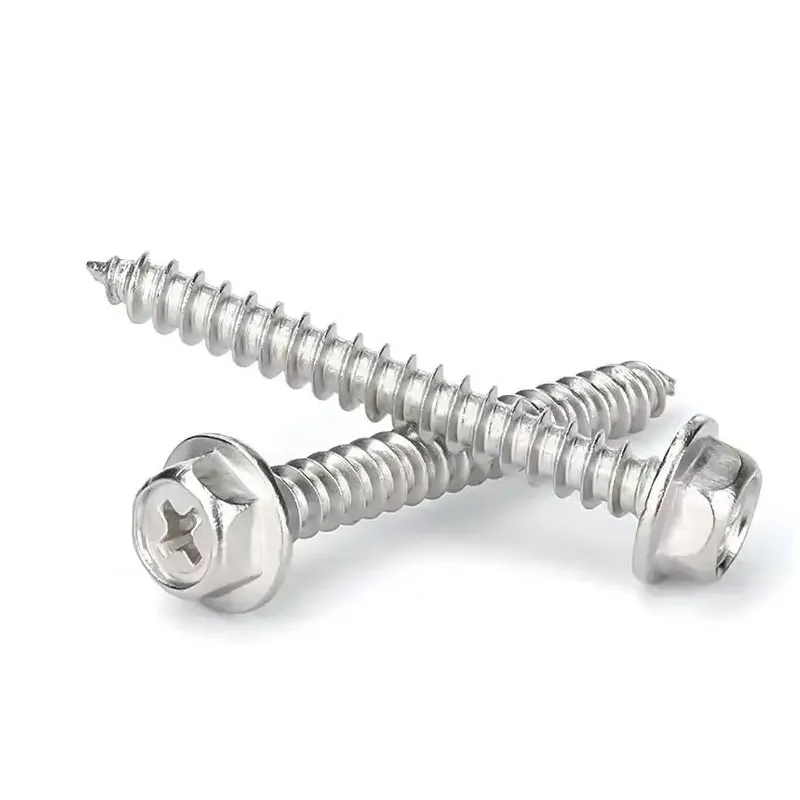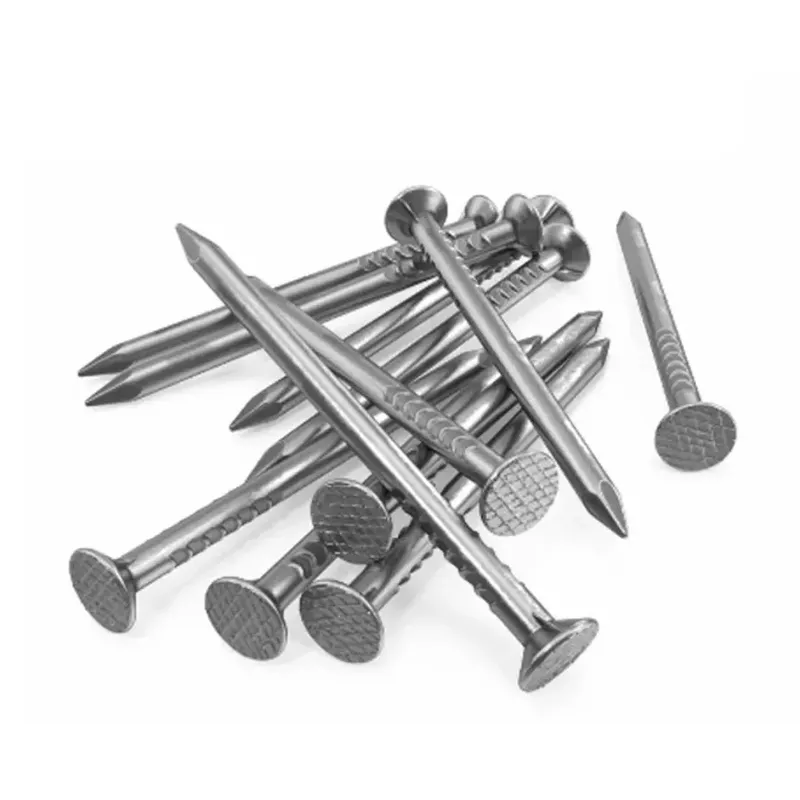
When tackling DIY projects or repairs, the question of whether the fasteners you have on hand suit the task often arises. Sheet metal screws, primarily designed for metal, frequently spark curiosity among enthusiasts wondering if they can be used in wood. The short answer is yes, but with specific considerations.
Sheet metal screws can be used in wood, but they are not the optimal choice for every situation. While they offer convenience and corrosion resistance for temporary or non-structural wood applications, their design can lead to drawbacks like wood splitting and weaker grip compared to dedicated wood screws.
Understanding the unique characteristics of a sheet metal screw and the properties of wood is crucial for successful fastening. While their versatility allows for use in various materials, including wood, knowing the proper techniques and potential risks will help you achieve reliable results. Let’s explore when and how to effectively use sheet metal screws in your woodworking projects.
Table of Contents
- What Are Sheet Metal Screws and How Do They Differ from Wood Screws?
- Can Sheet Metal Screws Be Used in Wood? Pros and Cons
- When Is It Appropriate to Use Sheet Metal Screws in Wood?
- How to Properly Use Sheet Metal Screws in Wood
- What Are the Best Practices for Combining Metal and Wood?
1. What Are Sheet Metal Screws and How Do They Differ from Wood Screws?
Are you wondering what makes a sheet metal screw unique and how it stacks up against a screw specifically designed for wood? Understanding these fundamental differences is key to making informed fastening decisions for any project.
Sheet metal screws are versatile fasteners primarily designed for thin metal sheets, featuring sharp, self-tapping, fully threaded shanks with a uniform diameter. They differ from wood screws, which typically have tapered shanks and coarser threads optimized for gripping wood fibers effectively and reducing splitting.
1.1 Characteristics of Sheet Metal Screws
Sheet metal screws possess distinct features that enable their primary function in metalwork, making them a unique type of fastener.
- Example 1: Sharp, Self-Tapping Threads. These screws are equipped with sharp, closely spaced threads that allow them to cut into hard surfaces like metal. The self-tapping feature often eliminates the need for pre-drilling in many cases when used in metal, making a self-tapping sheet metal screw highly efficient.
- Example 2: Uniform Shank Diameter. Unlike wood screws, which often have a tapered shank, sheet metal screws maintain a consistent diameter throughout their length. This uniform diameter impacts their grip, especially in softer materials like wood. A fully threaded sheet metal screw provides better grip and retention in its intended material.
- Analysis: The theoretical basis for these characteristics is to provide efficient penetration and a secure hold in thin, dense materials like sheet metal. Their design prioritizes cutting ability and consistent engagement over the length of the fastener, which is why they’re often called metal screws.
This table highlights the key characteristics of sheet metal screws, offering a quick reference for their design.
| Feature | Description | Impact on Use in Wood |
| Sharp, Self-Tapping Threads | Cuts into hard surfaces, often no pre-drilling for metal | Can help initial penetration, but threads are too fine for optimal wood grip |
| Uniform Shank Diameter | Consistent diameter throughout, fully threaded | Exerts more force, increasing risk of wood splitting |
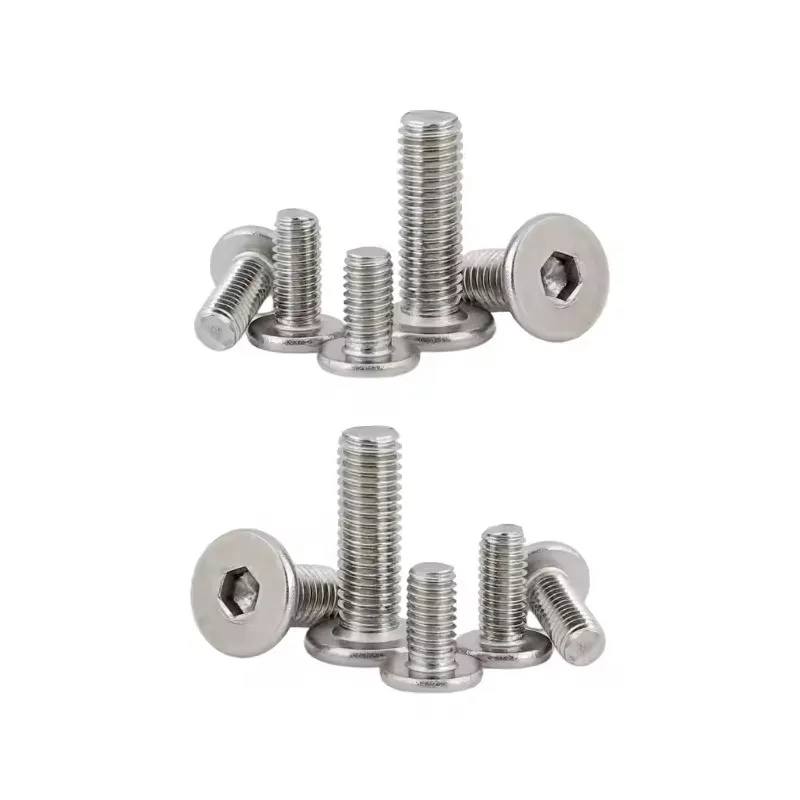
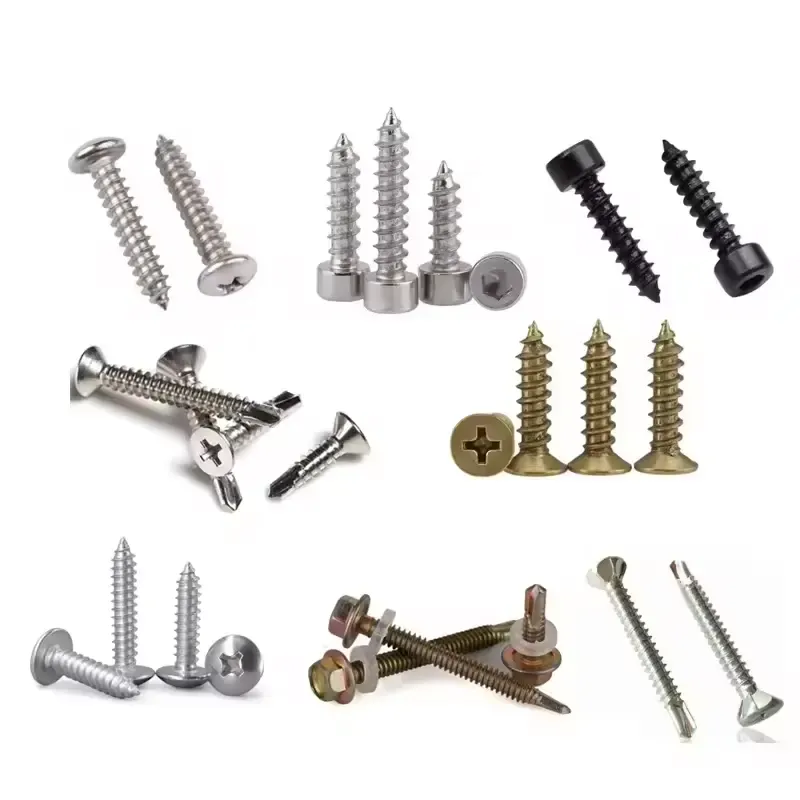
| Various Head Types | Flathead, panhead, hexhead for different finishes and uses | Offers aesthetic and functional choices for various projects |
| Material Options | Stainless steel, carbon steel, aluminum; often coated for protection | Good for corrosion resistance, especially outdoors |
1.2 Common Applications of Sheet Metal Screws
Sheet metal screws are engineered for versatility, making them valuable in numerous fields beyond just metal, showcasing their broad utility.
- Example 1: HVAC and Automotive Repairs. Sheet metal screws are commonly used for attaching HVAC components and in automotive repairs, where they secure thin metal panels and parts. Their ability to create a strong bond in thin gauge metal is invaluable.
- Example 2: Fastening Plastics and Brackets. They are also useful for plastic fastening in electronics and securing metal hinges and brackets to various surfaces. While primarily intended for metalwork, their adaptability means they can also be used in wood or other materials in specific instances, making them a versatile metal fastener.
- Analysis: Their design for cutting into and holding thin, dense materials makes them suitable for a range of applications where a strong, self-tapping fastener is needed. This versatility is why the question of their use in wood frequently arises for a sheet metal screw.
1.3 Key Differences from Wood Screws
Understanding how sheet metal screws differ from wood screws is crucial for selecting the right fastener for your project.
- Example 1: Thread Design. Wood screws are specifically designed for wood and have features that allow them to grip wood materials more effectively. They typically have coarser, more widely spaced threads and often a tapered shank, which helps to draw wood fibers together and reduce the risk of splitting. This contrasts sharply with the fine threads of a sheet metal screw.
- Example 2: Purpose-Built Design. Wood screws are preferred because they are designed with a thread pattern and tip that allow for better grip in wood materials. They also tend to create less stress on the wood, reducing the risk of splitting. In contrast, metal screws have sharper threads that make them easier to drive into metal surfaces.
- Analysis: The design of each screw type is optimized for the material it’s intended for. Using a screw designed for wood ensures better grip, less damage, and a more durable connection in wood applications, highlighting why a sheet metal screw isn’t always the best choice for wood.
2. Can Sheet Metal Screws Be Used in Wood? Pros and Cons
Are you wondering if that box of sheet metal screws can be a viable option for your woodworking project? The answer is yes, but it comes with a clear set of advantages and disadvantages that you need to weigh.
Yes, sheet metal screws can be used in wood, offering convenience for quick fixes, good corrosion resistance for outdoor use, and suitability for temporary or non-structural applications. However, they pose risks such as wood splitting, provide a weaker grip, and offer limited durability in dynamic conditions compared to dedicated wood screws.
2.1 Pros of Using Sheet Metal Screws in Wood
Despite not being their primary application, sheet metal screws offer some benefits when used in wood, making them a convenient option in certain scenarios.
- Example 1: Convenience and Availability. Sheet metal screws can serve as a quick fix in circumstances where wood screws are unavailable. They are easy to install and require minimal preparation, especially if they are self-tapping. This makes them a handy alternative for a quick fix with metal screws.
- Example 2: Corrosion Resistance. Many sheet metal screws are zinc-coated or made of stainless steel, making them ideal for outdoor woodworking projects where moisture may be a concern. This corrosion resistance is a significant advantage for exterior applications, making a stainless steel sheet metal screw a good choice for outdoor wood.
- Analysis: The convenience and material properties of sheet metal screws can make them a practical choice for certain situations, particularly when dedicated wood screws are not readily available or when corrosion resistance is a priority.
This table summarizes the advantages and disadvantages of using sheet metal screws in wood, providing a balanced view.
| Aspect | Pros (Advantages) | Cons (Disadvantages) |
| Convenience | Quick fix when wood screws are unavailable, easy to install | Not optimal for every situation |
| Material | Many are corrosion-resistant (zinc-coated, stainless steel) | Risk of wood splitting due to uniform diameter |
| Application | Good for short-term, non-structural, or temporary projects | Weaker grip due to finer threads, less deep engagement |
| Durability | Can be used for permanent fastening | Limited durability in dynamic conditions (wood expansion/contraction) |
2.2 Drawbacks and Risks
Using sheet metal screws in wood also comes with several significant drawbacks and risks that can compromise your project’s integrity.
- Example 1: Risk of Splitting Wood. Unlike wood screws, which often have a tapered design to reduce pressure on wood fibers, sheet metal screws exert more force due to their uniform diameter. This increases the likelihood of wood splitting, especially in thinner or harder wood. This is a major concern when using a metal screw in wood.
- Example 2: Weaker Grip and Loose Joints. The finer threads of sheet metal screws lack the deep engagement necessary for gripping wood securely. This can potentially cause loose joints or screws to back out over time, leading to a less durable connection. The holding power of sheet metal screws in wood is often compromised.
- Analysis: The design of sheet metal screws, optimized for metal, is not ideal for the fibrous nature of wood. This mismatch can lead to structural weaknesses and damage to the wood itself, making them a less reliable choice for critical wood-to-wood connections.
2.3 Limited Durability in Dynamic Conditions
Wood is a dynamic material, and fasteners need to accommodate its natural movement. This is where the limitations of a sheet metal screw in wood become apparent.
- Example 1: Wood Expansion and Contraction. Wood naturally expands and contracts with changes in humidity and temperature. Sheet metal screws are less likely to accommodate these shifts due to their rigid design and finer threads, leading to material wear or joint failure over time.
- Example 2: Long-Term Reliability. While sheet metal screws can be used for both temporary and permanent fastening, their long-term reliability in wood, especially under dynamic conditions, is often inferior to that of dedicated wood screws. For a durable wood fastener, a specialized wood screw is usually better.
- Analysis: The lack of flexibility and optimal thread engagement means sheet metal screws may not maintain a secure hold as wood moves, potentially compromising the long-term durability of the joint.
3. When Is It Appropriate to Use Sheet Metal Screws in Wood?
Given their specific characteristics, sheet metal screws are not a universal solution for woodworking. However, there are particular scenarios where their use in wood is appropriate and even advantageous, making them a suitable metal fastener for wood.
Sheet metal screws are appropriate for use in wood when attaching metal or hardware pieces (e.g., brackets, hinges) to wood, working with thinner wood panels or plywood, or for quick, temporary repairs. They are also suitable for non-structural applications where a strong pull-out resistance is not the primary concern.
3.1 Attaching Metal Components to Wood
This is arguably the most common and appropriate use for sheet metal screws in woodworking, leveraging their design strengths.
- Example 1: Securing Brackets and Hinges. When attaching metal hardware like brackets, hinges, or corner braces to a wooden surface, sheet metal screws can be quite effective. Their sharp threads are designed to bite into the metal first and then secure into the wood, creating a strong connection between the two dissimilar materials. This is an ideal use for a sheet metal screw for brackets.
- Example 2: Fastening Thin Metal Sheets. If you need to attach a thin sheet of metal, such as a decorative plate or a protective cover, to a wooden base, sheet metal screws can perform well. Their ability to penetrate metal efficiently makes them suitable for this combined material application.
- Analysis: In these scenarios, the screw’s primary function is to secure the metal component, with the wood acting as the substrate. The self-tapping nature of the screw is beneficial for piercing the metal, and its threads provide sufficient grip in the wood for this type of connection.
This table outlines specific situations where sheet metal screws can be effectively used in wood, providing clear guidance.
| Scenario | Reason for Suitability | Key Considerations |
| Attaching Metal to Wood | Designed to penetrate metal, then grip wood | Use pilot holes for wood, ensure proper length |
| Thinner Wood Panels/Plywood | Less risk of splitting than with thicker wood | Still pre-drill, avoid overtightening |
| Quick, Temporary Repairs | Convenient when wood screws are unavailable, easy to install | Not for long-term structural integrity |
| Non-Structural Applications | Holding power sufficient for light loads | Avoid areas under significant stress or dynamic movement |
3.2 Working with Thinner Wood Panels or Plywood
The risk of splitting wood is a major concern, but it’s reduced with thinner materials, making a sheet metal screw more viable.
- Example 1: Attaching Plywood Backing. For securing thin plywood backings to furniture frames or cabinets, sheet metal screws can be used. The thinner nature of plywood means there’s less material to split, and the screw can still achieve a reasonable hold, especially if pilot holes are used.
- Example 2: Light Craft Projects. In light craft projects involving thin wood pieces where structural integrity isn’t paramount, sheet metal screws can be a convenient option.
- Analysis: While still not ideal, the reduced thickness of the wood minimizes the primary drawback of sheet metal screws (splitting). Proper pre-drilling remains crucial to ensure success when using a sheet metal screw in plywood.
3.3 Quick, Temporary Repairs
For situations where a permanent, optimized connection isn’t required, a sheet metal screw can be a practical solution.
- Example 1: Holding Components During Gluing. Sheet metal screws can be used to temporarily hold two pieces of wood together while glue dries, acting as clamps. Once the glue has set, the screws can be removed, or left in place if they are not load-bearing.
- Example 2: Non-Structural Fixes. For a quick, non-structural fix where a wood screw isn’t immediately available, a sheet metal screw can get the job done. This might include securing a loose piece of trim that isn’t under stress.
- Analysis: The convenience and ease of installation of sheet metal screws make them suitable for temporary or non-critical applications where the long-term performance of a dedicated wood screw isn’t essential.
4. How to Properly Use Sheet Metal Screws in Wood
When using sheet metal screws in wood projects, preparation and technique are critical for ensuring a reliable bond and mitigating the inherent risks. Following these steps will help you achieve the best possible results with your metal screws in wood.
To properly use sheet metal screws in wood, always pre-drill pilot holes to prevent splitting, choose the correct screw length and size for adequate penetration, and use a power drill with adjustable torque. Drive the screw slowly to ensure proper alignment and minimize stress, and finally, check for tightness to avoid overtightening.
4.1 Step 1: Pre-Drill Pilot Holes
Pilot holes are the most crucial step when using sheet metal screws in wood to prevent splitting and ease insertion.
- Example 1: Preventing Wood Splitting. Use a drill bit slightly smaller than the screw’s diameter to create the pilot hole. This creates a path for the screw, reducing the outward pressure that causes wood to split, especially in hardwoods or near edges. This is a vital step for any sheet metal screw in wood.
- Example 2: Optimal Depth. The depth of the pilot hole depends on the screw’s length but should ideally extend to approximately 75% of the screw’s length. This ensures the screw has enough material to grip without bottoming out.
- Analysis: The uniform diameter and sharp threads of sheet metal screws can aggressively displace wood fibers, making pilot holes essential to manage stress and ensure a clean, secure entry.
This table outlines the essential steps for properly using sheet metal screws in wood, ensuring a successful installation.
| Step | Action | Why It’s Important |
| 1. Pre-Drill Pilot Holes | Use a drill bit slightly smaller than screw diameter, 75% screw length deep | Prevents wood splitting, eases insertion |
| 2. Choose Right Size | Screw length should penetrate at least 2/3 of wood thickness | Ensures optimal grip without protruding |
| 3. Use Correct Tooling | Power drill with adjustable torque | Better control, reduces overtightening risk |
| 4. Drive Slowly | Begin at low torque, increase as needed | Ensures alignment, minimizes stress on wood fibers |
| 5. Check for Tightness | Snug but not too tight | Prevents weakening joint, increases durability |
4.2 Step 2: Choose the Right Screw Length and Size
Selecting the appropriate screw dimensions is vital for both grip and aesthetics when using a sheet metal screw in wood.
- Example 1: Adequate Penetration. Ensure the screw’s length is appropriate for your project. For optimal grip, the screw should penetrate at least two-thirds of the wood’s thickness. This provides sufficient material for the threads to engage.
- Example 2: Avoiding Protrusion. The screw should avoid protruding through the other side of the wood, which can be unsightly and create a hazard. Measure carefully to ensure the length is suitable for the combined thickness of the materials.
- Analysis: Proper sizing ensures maximum holding power without causing damage or aesthetic issues. It’s a balance between achieving a strong connection and maintaining the integrity of the workpiece when using a sheet metal screw.
4.3 Step 3: Use the Correct Tooling
The right tools provide control and prevent damage during installation of a sheet metal screw into wood.
- Example 1: Power Drill with Adjustable Torque. Using a power drill with adjustable torque allows you better control when driving the screw. This reduces the risk of overtightening, which can strip the threads in the wood or damage the wood itself. This is crucial for successful sheet metal screw installation.
- Example 2: Appropriate Bit. Ensure you use the correct driver bit (e.g., Phillips, square drive) that perfectly fits the screw head to prevent stripping the head.
- Analysis: Controlled installation is crucial when using sheet metal screws in wood, as their aggressive threads can easily damage softer wood if driven too forcefully.
4.4 Step 4: Drive the Screw Slowly
Careful driving technique minimizes stress and ensures a secure fit when using a sheet metal screw in wood.
- Example 1: Proper Alignment. Slow insertion ensures the screw aligns properly with the pilot hole and minimizes stress on the wood fibers. Begin at a low torque setting and increase as needed to avoid stripping the wood or the screw head.
- Example 2: Preventing Damage. Driving too fast can cause the screw to bind, strip the wood, or even snap the screw itself. A steady, controlled pace is key for a sheet metal screw.
- Analysis: This step directly addresses the risk of wood splitting and thread stripping, which are common drawbacks of using sheet metal screws in wood.
4.5 Step 5: Check for Tightness
The final check ensures a secure, yet undamaged, connection when using a sheet metal screw in wood.
- Example 1: Snug, Not Too Tight. Ensure the screw is snug but not too tight. Overtightening can weaken the joint, strip the threads in the wood, or reduce the overall durability of the connection.
- Example 2: Avoiding Damage. A properly tightened screw will hold firmly without causing visible stress or cracking in the surrounding wood.
- Analysis: This final step prevents common installation errors that can compromise the strength and longevity of the fastened joint, especially when using fasteners not specifically designed for wood, like a sheet metal screw.
5. What Are the Best Practices for Combining Metal and Wood?
When your projects involve fastening metal components to wood, special care is needed to ensure a strong, durable, and aesthetically pleasing result. These advanced tips go beyond just using sheet metal screws.
For projects combining metal and wood, use washers to distribute the load evenly, pre-drill both materials simultaneously for better alignment, and choose corrosion-resistant screws for outdoor applications. Additionally, consider alternatives to screws like lag bolts, rivets, or specialized adhesives for projects prioritizing strength or aesthetics.
5.1 Use Washers to Distribute Load
Washers are simple yet effective tools for enhancing joint integrity, especially when using a sheet metal screw with wood.
- Example 1: Securing Metal Brackets. For projects involving metal brackets or hinges, place washers between the screw head and the surface. This distributes pressure evenly across the surface of the wood, preventing the screw head from digging into and damaging the wood, especially softer varieties. This is a smart practice when using a sheet metal screw for brackets.
- Example 2: Preventing Fastener Pull-Through. Washers also increase the bearing surface, which can help prevent the screw head from pulling through the material, particularly if the metal is thin or the wood is soft.
- Analysis: This practice improves the mechanical advantage of the fastener by spreading the load, thereby increasing the durability and stability of the connection, especially when using screws that might otherwise exert concentrated pressure.
This table outlines best practices for combining metal and wood, ensuring robust and lasting connections, whether you use a sheet metal screw or another fastener.
| Best Practice | Description | Benefit |
| 1. Use Washers | Place between screw head and surface | Distributes pressure, prevents wood damage |
| 2. Pre-Drill Both Materials | Drill through metal and wood simultaneously | Ensures better alignment, prevents wandering |
| 3. Consider Weather Resistance | Choose stainless steel or zinc-coated screws for outdoors | Prevents corrosion, increases durability in harsh environments |
| 4. Explore Alternatives | Consider lag bolts, rivets, or adhesives | Provides stronger joints or seamless finishes for specific needs |
5.2 Pre-Drill Both Materials Together
Achieving perfect alignment is crucial for strong and neat connections, particularly when using a sheet metal screw to join metal and wood.
- Example 1: Attaching Metal Plates. If attaching a metal sheet or plate to wood, drill through both materials simultaneously. Use a drill bit diameter that is appropriate for the screw, typically slightly smaller than the screw’s diameter. This ensures that the holes in both materials align perfectly, preventing the screw from binding or creating undue stress.
- Example 2: Preventing “Walking.” Drilling through both materials at once prevents the drill bit from “walking” on the metal surface, which can lead to misaligned holes and a weaker connection.
- Analysis: This technique ensures precision and reduces the likelihood of errors during installation, leading to a cleaner and stronger joint between the metal and wood components, especially when using a sheet metal screw.
5.3 Consider Weather Resistance
For outdoor projects, fastener longevity is paramount, making the choice of a sheet metal screw material critical.
- Example 1: Outdoor Furniture or Decking. Choose corrosion-resistant screws, such as stainless steel or zinc-coated varieties, for outdoor applications. These materials are designed to withstand moisture and environmental exposure without rusting, which can weaken the joint and stain the wood. A stainless steel sheet metal screw is often preferred here.
- Example 2: Wood Treatment. Additionally, treat the wood with a weatherproof sealant for added durability, creating a comprehensive protection system for your outdoor project.
- Analysis: Environmental factors significantly impact fastener performance. Selecting the right material and coating for your screws, along with proper wood treatment, ensures the long-term integrity and appearance of outdoor wood and metal assemblies.
5.4 Alternatives to Screws
Sometimes, a different fastening method might be more suitable than a sheet metal screw for specific project needs.
- Example 1: Heavy-Duty Applications. For projects prioritizing maximum strength, such as heavy-duty builds or structural connections, consider using lag bolts or through-bolts with nuts and washers instead of screws. These provide superior shear and tensile strength.
- Example 2: Seamless Finishes. For projects prioritizing aesthetics, like fine furniture-making, specialized adhesives or hidden fasteners might be preferred to achieve seamless finishes. Rivets can also be an option for permanent metal-to-wood connections where a flush finish is desired.
- Analysis: While sheet metal screws are versatile, understanding their limitations and exploring alternative fastening methods can lead to stronger, more appropriate, or more aesthetically pleasing results for specific project requirements.
Conclusion
While sheet metal screws are primarily designed for metal, they can indeed be used in wood, but with crucial considerations. Proper preparation, such as pre-drilling pilot holes, choosing the correct screw size, and installing screws with care, is essential to mitigate risks like wood splitting and loosening, ensuring secure and durable results.
That said, wood screws typically remain the superior choice for dedicated woodworking projects due to their optimized design for gripping wood fibers and reducing splitting. Whether tackling a minor DIY repair or building furniture, understanding the strengths and weaknesses of each fastener type and choosing the right one for the materials will lead to stronger, more reliable results. Happy crafting!