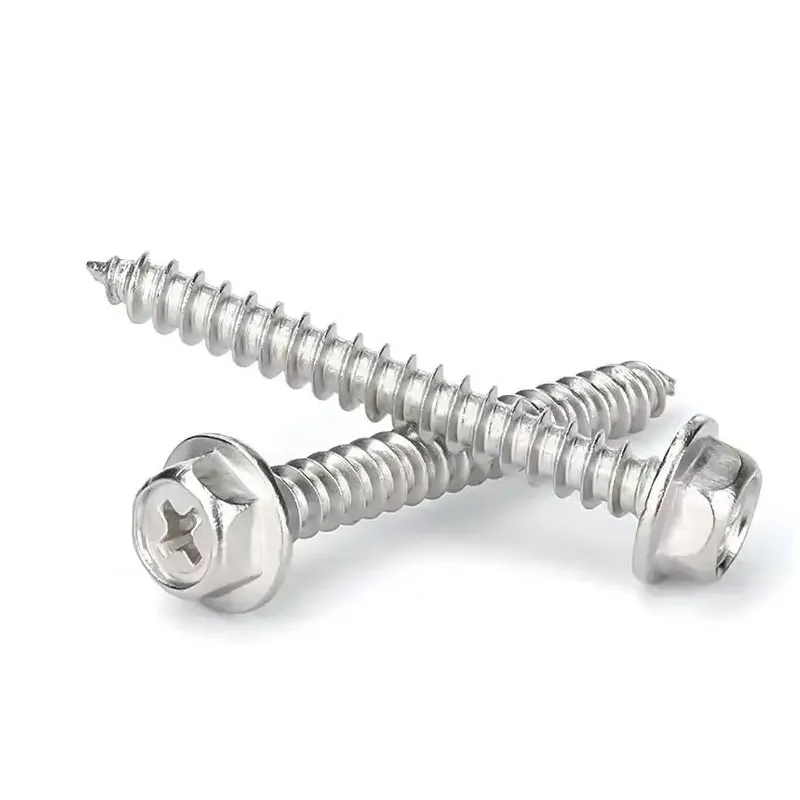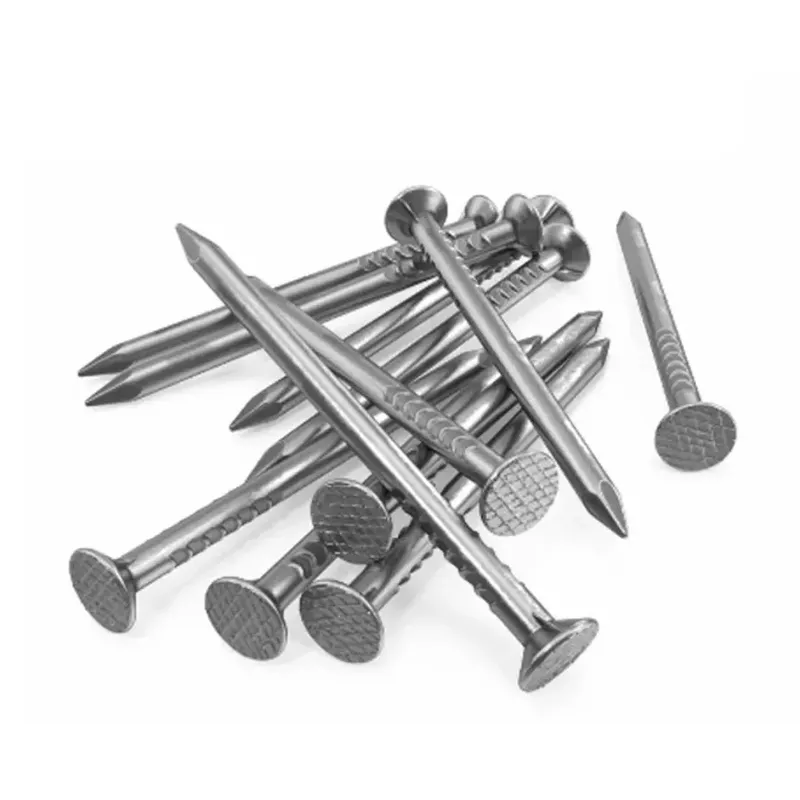
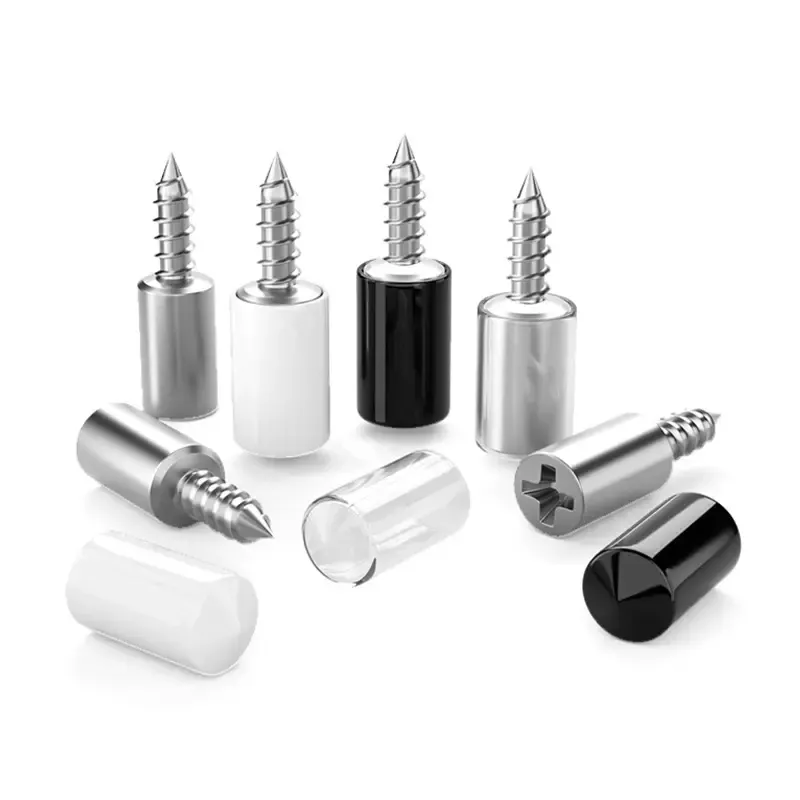
In the world of commercial construction, woodworking, and industrial packaging, the age-old debate between using nails or screws has always forced professionals into a compromise. Do you choose the rapid installation speed of a nail, or do you sacrifice time for the superior holding power and reusability of a screw?
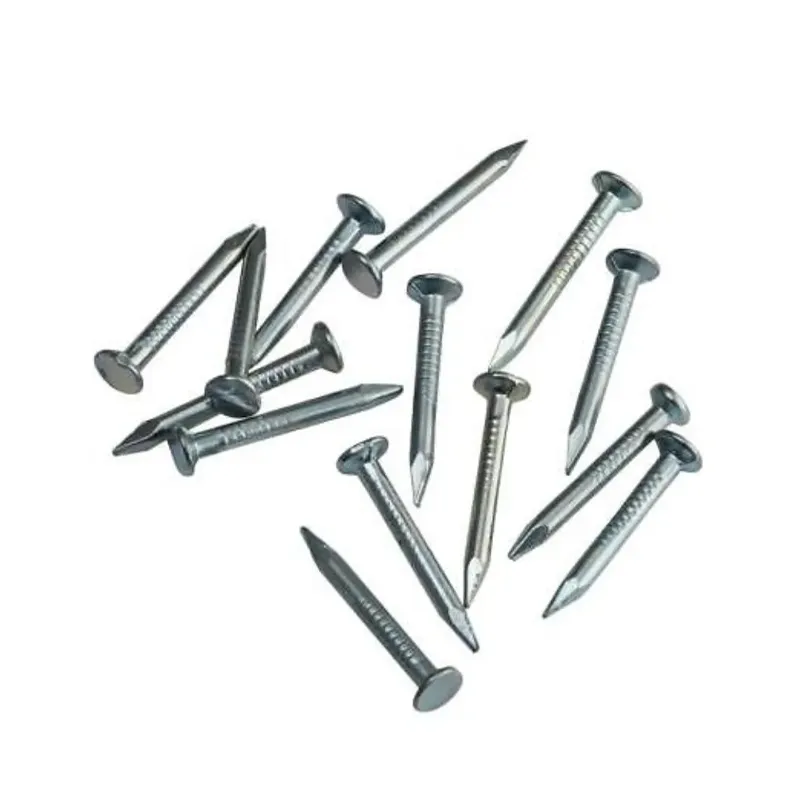
For decades, contractors had to choose one or the other. But what if you didn’t have to compromise?
Enter the nail screw—a revolutionary hybrid fastener that combines the best mechanical properties of both. This comprehensive guide will explore the traditional limitations of standard fasteners and explain why transitioning to high-performance nail screws is the smartest decision for your structural integrity and labor budget.
1. The Traditional Dilemma: Nails vs. Screws
To understand the genius behind the nail screw, we first need to look at the historical trade-offs engineers and builders have faced.
The Problem with Traditional Nails
Nails are manufactured from ductile steel and are designed to be driven quickly using pneumatic nail guns. Their primary advantage is shear strength (resistance to lateral, side-to-side forces) and extremely fast installation times.
- The Downside: Traditional smooth-shank nails have poor tensile strength (withdrawal resistance). Over time, dynamic loads, vibration, and wood shrinkage cause them to back out, leading to squeaky subfloors, failing pallets, and compromised structural joints. Furthermore, removing a driven nail often damages the base material.
The Problem with Traditional Screws
Screws offer incredible tensile strength. Their threaded shanks create a rigid, mechanical interlock with wood fibers, making them almost impossible to pull out straight. They are also easily removable, making them perfect for temporary fixtures or adjustable assemblies.
- The Downside: Installation is slow. Even with modern cordless drill/drivers, driving thousands of individual screws is highly labor-intensive and expensive. Additionally, standard case-hardened screws can be brittle under extreme shear stress.
2. What is a Nail Screw? The Best of Both Worlds
A nail screw (also known as a screw-nail, drive screw, or collated threaded nail) is an engineered fastener designed to bridge this exact gap. It features a unique, aggressive helical thread pattern along its shank, topped with a head designed to accept a standard screwdriver bit (like a Phillips, Square, or Torx drive).
The magic of the nail screw lies in its dual-action capability:
- Driven Like a Nail: Nail screws can be collated (arranged in coils or strips) and fired from standard pneumatic nail guns. As the high-pressure driver strikes the head, the specialized helical threads allow the fastener to spin as it rapidly penetrates the wood.
- Holds and Removes Like a Screw: Once installed, the threads bite deeply into the material, providing the immense pull-out resistance of a traditional wood screw. If adjustments or teardowns are necessary, the nail screw can simply be backed out using a power drill.
3. Top Applications Where Nail Screws Excel
By eliminating the traditional compromises, nail screws have become the go-to fastener for specific, demanding industries:
Subflooring and Sheathing
The biggest cause of costly callbacks in residential construction is squeaky floors caused by standard nails backing out of joists. Using pneumatic nail guns to fire collated nail screws allows framing crews to lay down subflooring at lightning speed, while the threaded shank guarantees a permanent, squeak-free hold that mimics a manually driven screw.
Industrial Pallets and Crating
Wooden pallets endure extreme abuse, vibration, and heavy lifting. Smooth nails eventually pull out under these dynamic loads, causing the pallet to collapse. Nail screws provide the rapid assembly speed required in high-volume pallet manufacturing while offering the extreme withdrawal resistance needed to keep the crates intact during global shipping.
Decking and Fencing
Outdoor structures face continuous expansion and contraction due to weather, which actively pushes traditional nails out of the wood. Nail screws offer the holding power to resist wood cupping and warping, while their pneumatic installation saves days of labor on large commercial decking projects.
Temporary Structures and Concrete Formwork
When building temporary bracing or concrete forms, contractors need fasteners that go in fast but can be removed easily without destroying the expensive lumber. Nail screws can be blasted in with a nailer and seamlessly reversed out with a drill when the concrete has cured.
4. The ROI of Switching to Nail Screws
While a single nail screw may cost slightly more than a standard smooth-shank nail, the Total Cost of Ownership (TCO) and Return on Investment (ROI) heavily favor the hybrid fastener:
- Slashed Labor Costs: You get the holding power of a screw at the installation speed of a pneumatic nail. This can cut labor hours by up to 60% on high-volume joining tasks.
- Zero Callbacks: By eliminating nail pops, squeaky floors, and failing joints, you protect your profit margins from expensive post-project repairs.
- Material Preservation: The ability to back the fastener out without utilizing pry bars saves expensive lumber and reduces material waste.
Partner with RivetJL for Premium Nail Screws
The “nails vs. screws” debate is over. The modern job site demands efficiency without sacrificing quality, and the nail screw is the ultimate solution.
At RivetJL (Jiliang Fastener Manufacturing), we engineer and manufacture high-performance nail screws designed for industrial, commercial, and heavy-duty applications. Our nail screws are engineered with precision threads, durable coatings for specific environmental exposures, and optimal ductility to handle both shear and tensile loads.
Stop compromising between speed and strength. Contact the engineering team at RivetJL today to discuss our comprehensive range of nail screws, request samples, and upgrade your fastening strategy to the next level of efficiency.