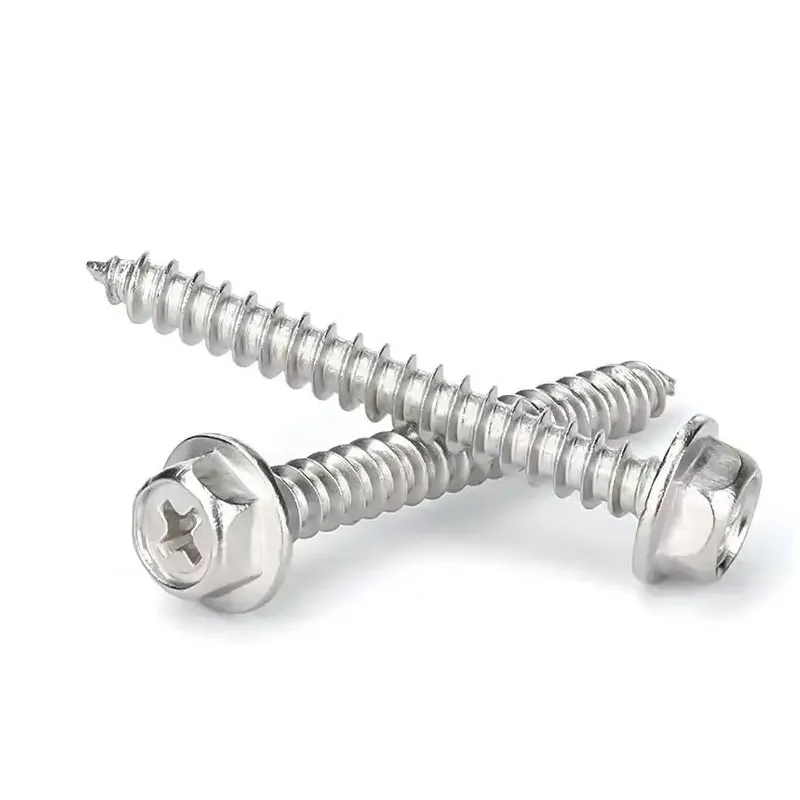
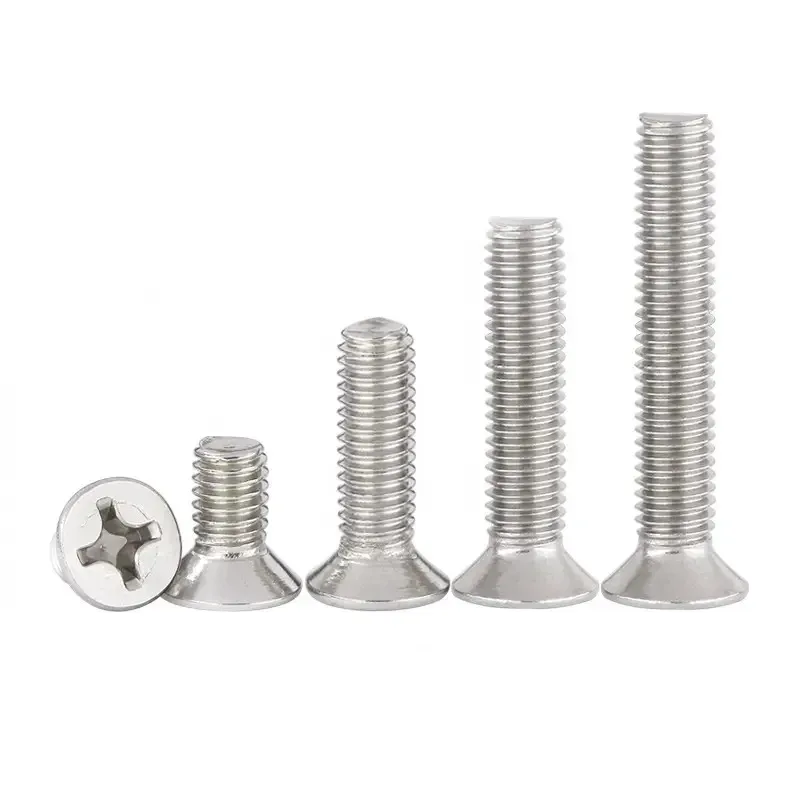
In OEM manufacturing and precision assembly, the integrity of a tapped joint dictates the lifespan of the entire product. When standard wood or sheet metal screws are insufficient for the required clamping force and reusability, machine screws are the definitive engineering solution.
Designed to mate perfectly with tapped holes or threaded nuts, machine screws rely on precise, uniform thread geometries to deliver exact clamping forces. For industrial designers and procurement managers, specifying the correct machine screw goes far beyond simply choosing a length and diameter. It requires a strict evaluation of thread fit classes, tensile strength, and metallurgical properties.
This guide breaks down the critical engineering factors behind machine screws and how custom manufacturing solves complex assembly challenges.
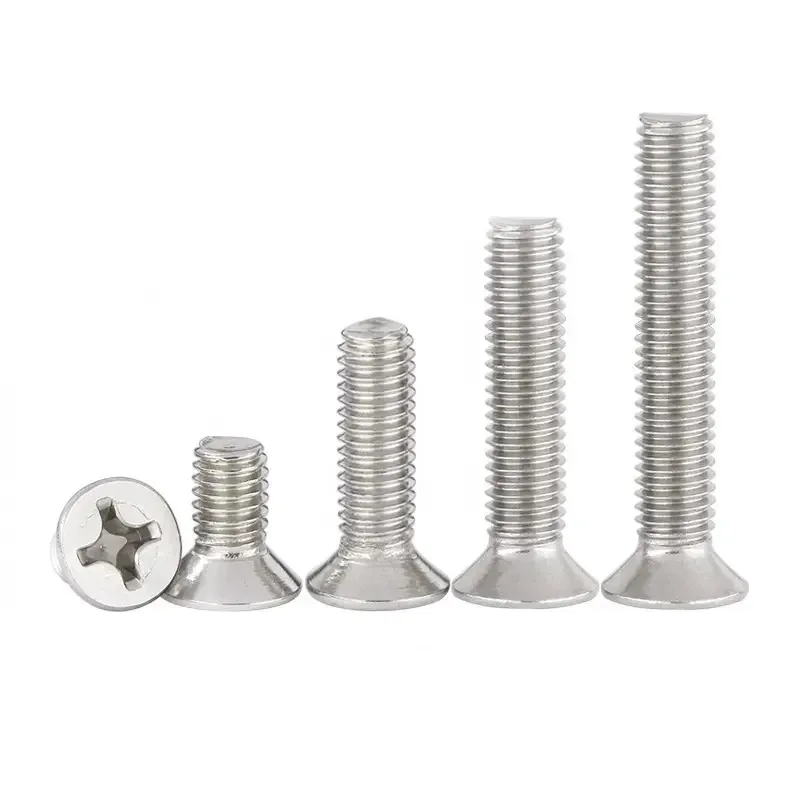
1. The Mechanics of Thread Engagement: Cut vs. Rolled Threads
The performance of a machine screw under load is fundamentally determined by how its threads are manufactured and the tolerances to which they are held.
Thread Rolling for Maximum Fatigue Strength
Standard, low-cost machine screws often feature cut threads, which sever the metal’s natural grain structure and create micro-stress risers. High-performance machine screws—like those manufactured by RivetJL—utilize cold thread rolling. This process extrudes the metal under immense pressure, maintaining an uninterrupted grain flow. The result is a thread with significantly higher shear strength, superior surface finish, and up to 30% greater fatigue resistance compared to cut threads.
Understanding Thread Fit Classes
To ensure a secure joint without binding, engineers must specify the correct tolerance class.
- Class 6g/6H (Metric) or Class 2A/2B (Unified): The industry standard for general commercial assemblies, offering an optimal balance between ease of assembly and secure engagement.
- Class 4g6g (Metric) or Class 3A (Unified): A strict, tight-tolerance fit used in aerospace, medical devices, and high-vibration environments where absolute precision and zero thread slop are non-negotiable.
2. High-Performance Metallurgy for Specific Industries
The base material of a machine screw dictates its tensile strength, yield point, and environmental survivability.
| Material Grade | Technical Characteristics | Primary OEM Applications |
| Carbon Steel (Property Class 8.8 / 10.9) | Heat-treated (quenched and tempered) for high tensile strength and proof load. Requires surface coating (Zinc, HDG) to prevent rust. | Automotive engines, heavy industrial machinery, structural brackets. |
| 304 / 316L Stainless Steel | Excellent corrosion resistance due to chromium oxide layer. 316L adds molybdenum for severe chloride (saltwater) resistance. | Marine electronics, food processing equipment, outdoor telecom enclosures. |
| Titanium (Ti-6Al-4V) | Unmatched strength-to-weight ratio, completely non-magnetic, and highly biocompatible. | Aerospace avionics, surgical implants, high-end drones. |
| Solid Brass | High electrical conductivity, anti-sparking, and resistant to water corrosion. | Electrical switchgear, server grounding, decorative architectural hardware. |
3. Overcoming Vibration: Advanced Anti-Loosening Solutions
One of the greatest challenges with machine screws is the risk of “backing out” (loosening) under dynamic transverse vibration. Precision manufacturing offers several solutions to secure the joint permanently:
- SEMS Screws (Captive Washers): A machine screw pre-assembled with a free-spinning lock washer or flat washer under the head. This speeds up assembly line production and ensures the washer is never forgotten, maintaining consistent clamping tension.
- Nylon Thread-Locking Patches (e.g., Nylok): A specialized nylon patch is permanently bonded to a section of the screw threads. As the screw is driven, the nylon compresses, creating severe metal-to-metal friction on the opposite side of the thread, locking the fastener against extreme vibration.
- Under-Head Serrations: Custom machine screws can be cold-headed with biting serrations under the flange, which dig into the mating material to resist counter-rotational forces.
4. Head Geometry & Drive Systems for Automated Assembly
In high-volume manufacturing, the drive recess of the machine screw dictates assembly speed and prevents costly rework.
- Torx (Hexalobular) and Torx Plus: The ultimate choice for automated robotic assembly lines. The multi-point engagement allows for incredibly high torque transfer with zero cam-out (tool slippage), preventing damage to the screw head or the surrounding product casing.
- Countersunk (Flat) Heads: Engineered with exact 82° (Imperial) or 90° (Metric) under-head angles to sit perfectly flush in countersunk holes, essential for aerodynamic surfaces and sleek consumer electronics.
- Tamper-Resistant Security Drives: Pin-in-Torx or custom spanner drives are critical for public-facing infrastructure (ATMs, transit seating) to prevent unauthorized disassembly.
Addressing Critical Machine Screw Failures in OEM Procurement
For procurement managers and quality engineers, selecting a machine screw based on general uses is not enough. A minor specification oversight can lead to catastrophic assembly failures, production downtime, or product recalls. At RivetJL, we systematically eliminate the three most common fastener pain points:
- Thread Stripping & Burrs: Low-grade screws often suffer from thread deforming during automated driving. By utilizing advanced thread rolling instead of cutting, our machine screws maintain perfect thread geometry, guaranteeing smooth torque delivery and zero binding in tapped holes.
- Loose Tolerances in High-Vibration Environments: In automotive or aerospace applications, a fraction of a millimeter matters. We manufacture to strict Class 6g or Class 3A thread tolerances, ensuring a zero-slop fit that resists dynamic structural vibration.
- Hydrogen Embrittlement & Corrosion: High-tensile carbon steel screws (Class 8.8/10.9) are prone to hydrogen embrittlement if baking cycles are skipped after plating. RivetJL enforces rigorous post-plating stress-relief processes alongside 24 to 96-hour salt spray testing to ensure premium environmental durability.
5. Custom Machine Screw Manufacturing at RivetJL
Off-the-shelf machine screws are sufficient for basic prototypes, but optimized mass production requires bespoke engineering.
At Dongguan Jiliang Machinery Hardware Co., Ltd. (RivetJL), we specialize in the custom OEM manufacturing of high-precision machine screws. Whether your design requires ultra-miniature M1.0 fasteners for a wearable smartwatch, or Class 10.9 high-tensile structural screws for automotive applications, our facility is equipped to deliver.
Our OEM capabilities include:
- Micro-Fastener Production: Specialized heading equipment for electronics and medical components.
- Custom Alloy Machining: Processing everything from 316L Stainless to Brass and Aluminum.
- Zero-Defect Quality Control: 100% optical sorting to guarantee thread consistency, precise length tolerances, and flawless drive recesses.
Optimize Your Assembly with Custom Precision Fasteners
Stop letting off-the-shelf, low-tolerance screws compromise the integrity of your complex industrial assemblies. Whether you require micro-fasteners for electronics or high-tensile structural components, Dongguan Jiliang Machinery Hardware Co., Ltd. (RivetJL) provides the exact engineering expertise you need.
Partner with RivetJL to get:
- Free technical feasibility analysis and CAD drawing review.
- Fast-turnaround samples via reverse engineering from your physical parts.
- 100% optical sorting for zero-defect automated assembly line integration.